Tokyo Neighborhoods Guide 2026: Where to Stay, Eat & Explore in Shinjuku, Shibuya, Asakusa & 5 More
A 2026 neighborhood-by-neighborhood guide to Tokyo on a budget — Shinjuku, Shibuya, Asakusa, Ueno, Shimokitazawa, Akihabara, Ikebukuro, Roppongi. Where to stay, what to eat, what to skip, and a 3/5/7-day combination plan.
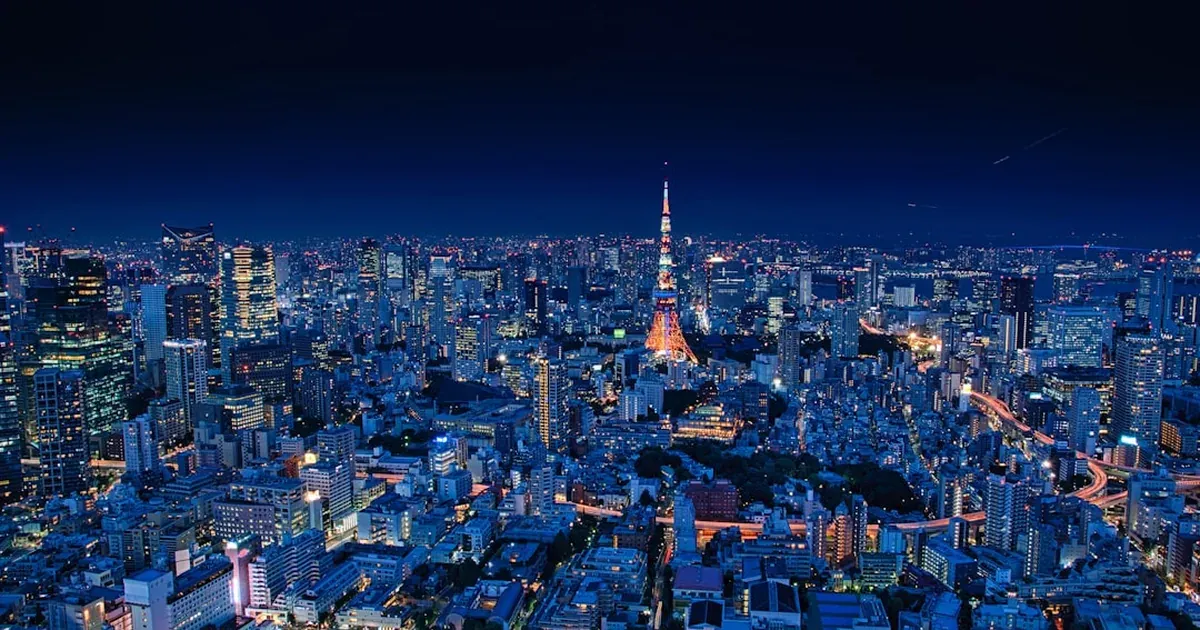
The short answer: Tokyo’s 8 essential neighborhoods for budget travelers are Shinjuku (most central), Shibuya (youth culture), Asakusa (traditional), Ueno (museums + transit), Shimokitazawa (indie/café), Akihabara (electronics/anime), Ikebukuro (local + cheap ramen), and Roppongi (nightlife — with caution). Stay in Asakusa or Ueno for the cheapest beds (¥2,500–3,500 hostels), Shinjuku or Shibuya for the most central access (¥3,500–5,000 capsule), and Shimokitazawa for the most “local” feel. Avoid staying in Roppongi (noisy, overpriced) and Narita (2 hours from central Tokyo).
Tokyo has 23 wards and over 100 named neighborhoods. For a budget traveler with 3–7 days, only 8 of those neighborhoods matter. The rest are either too residential, too far from transit, or too oriented toward luxury travelers. This guide covers the 8 that earn their place on every Tokyo itinerary — where to stay, what to eat, what to skip, and the cheapest way to experience each.
The Neighborhood Decision Framework
Three trade-offs decide which neighborhood is right for you.
Trade-off 1: Budget vs. central. Staying in Asakusa or Ueno saves 30–40% on accommodation compared to Shinjuku or Shibuya, but adds 10–15 minutes per transit trip to the central areas. If you’re spending more than 4 hours per day outside the hotel, central wins. If you’re at the hotel by 7pm nightly, Asakusa wins.
Trade-off 2: Tourist vs. local. Shibuya, Shinjuku, Asakusa, and Akihabara are heavily touristed. Shimokitazawa, Ueno (north of the park), and Ikebukuro are where locals actually live. The first category has better English signage and more options; the second has lower prices and more authentic food. See the Tokyo free things guide for activities in both types.
Trade-off 3: Day vs. night. Shinjuku, Shibuya, and Roppongi come alive at night (Golden Gai, izakaya, karaoke). Asakusa, Ueno, and Shimokitazawa close by 9–10pm. If nightlife matters, base yourself in Shinjuku. If early mornings and quiet nights matter, Asakusa or Shimokitazawa.
For most first-time visitors with 4–5 days: stay in Asakusa or Ueno for the value, take day trips to Shibuya/Shinjuku by train. For repeat visitors with a clear itinerary: stay in Shinjuku for the central access. For slow travelers and digital nomads: stay in Shimokitazawa or Ikebukuro for the local feel.
For the cost of each neighborhood at a glance, see the Tokyo budget guide and the hotel booking guide.
1. Shinjuku — The Most Central Hub
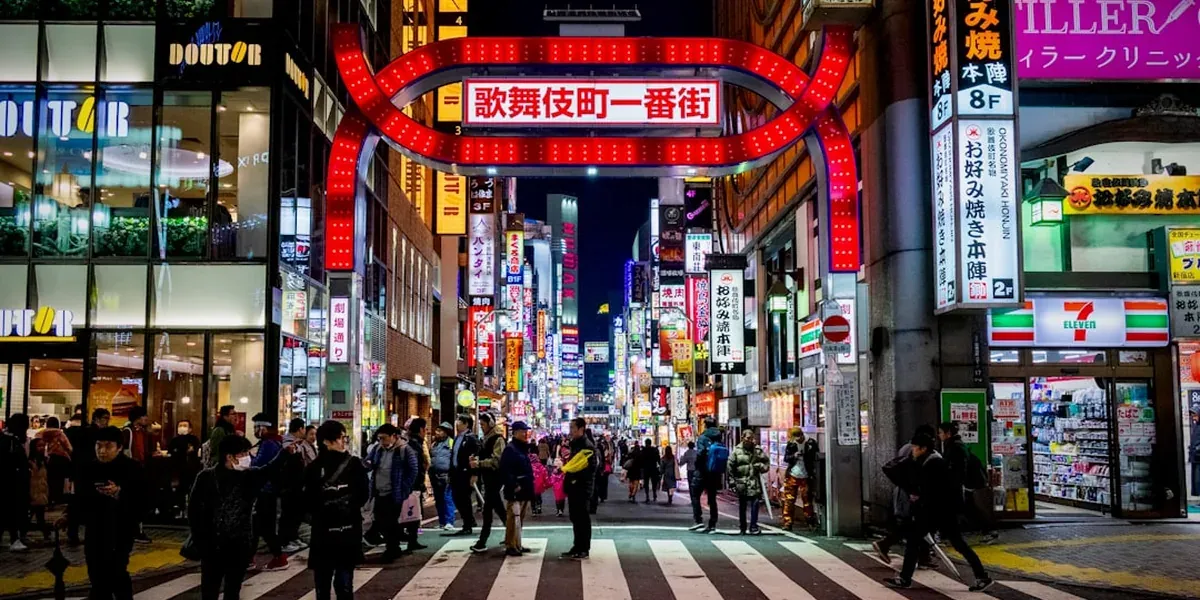
Shinjuku is the single most useful neighborhood for budget travelers who want maximum flexibility. It’s the largest transit hub in Tokyo (Shinjuku Station handles 3.5 million passengers per day — more than the population of Chicago), which means you can reach almost every other neighborhood in under 20 minutes.
The vibe: Glass skyscrapers (the Tokyo Metropolitan Government Building is here), neon nightlife (Kabukicho), narrow alleys of tiny bars (Golden Gai), department stores (Isetan, Lumine), and the busiest pedestrian area in the world (Shinjuku crossing — different from the more famous Shibuya crossing).
Where to stay:
- Hostels: Khaosan Tokyo Origami (Asakusa is cheaper but this is the central pick) — ¥3,500–4,500 dorm. The Stay Shinjuku — ¥3,800–5,000.
- Capsule hotels: Nine Hours Shinjuku (the designer capsule), Anshin Oyado Premier (with spa) — ¥3,500–5,000.
- Business hotels: Hotel Gracery Shinjuku (Godzilla-themed, mid-range) — ¥8,000–12,000.
For the full booking strategy and platform comparison, see the hotel booking guide.
Where to eat (under ¥1,500):
- Standing soba at Shinjuku Station — multiple counters, ¥350–500
- Yakitori alley under the tracks — 5–6 stalls, ¥400–800 for 3 skewers + beer
- Omoide Yokocho (Memory Lane) — yakitori + ramen + sake, ¥800–1,500 per person
- Depachika (department store basement food halls) — bento from ¥500, often discounted after 7pm
- Golden Gai — 200 tiny bars, most have a ¥500–800 cover charge. The “Mori no Kuni” bar charges ¥300 for a glass of wine.
What to do for free:
- Tokyo Metropolitan Government Building observation deck (45th floor, free, sunset views)
- Walk through Shinjuku Gyoen National Garden (¥500, free for kids)
- Stroll Kabukicho at night (free, but watch for touts)
- People-watch at Shinjuku Crossing east exit
The honest downsides: Shinjuku is noisy at night (Karaoke until 2am, salarymen stumbling home), the station is genuinely confusing (200+ exits), and the area has the highest rate of bar overcharging in Tokyo. For safety tips, see the solo travel guide and the budget mistakes guide.
Best for: First-time visitors, business travelers, nightlife-focused travelers, anyone with a tight 3-day itinerary. Skip if you value quiet nights.
2. Shibuya — Youth Culture and the Famous Crossing
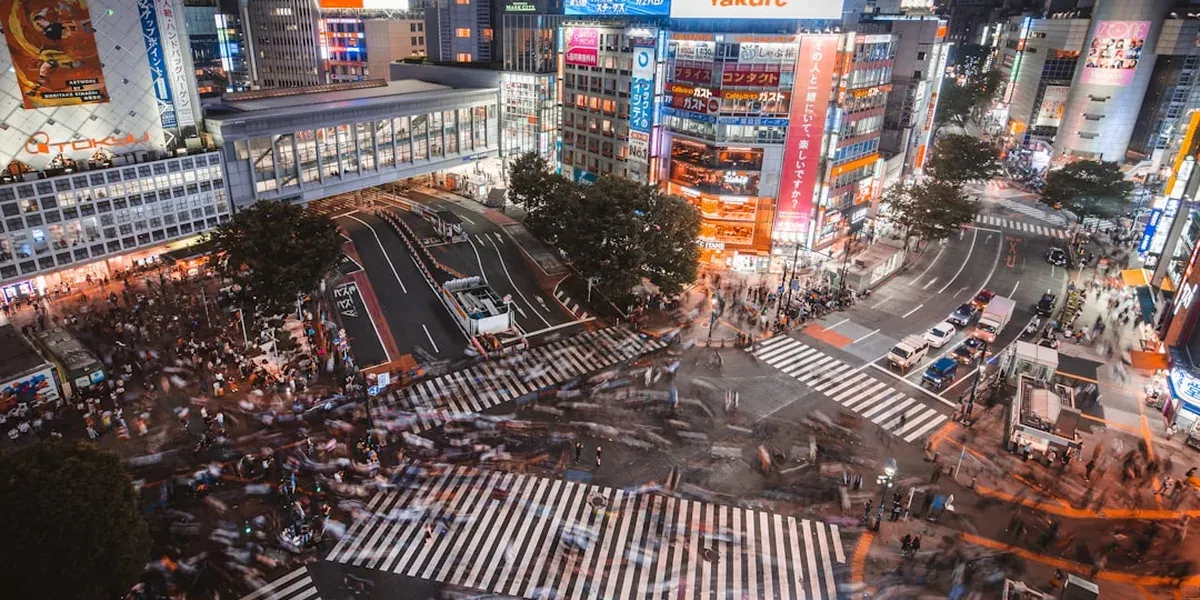
Shibuya is the youth-culture center of Tokyo, and the most touristed neighborhood after Asakusa. The “Shibuya Crossing” (the scramble crossing outside the station) is the iconic Tokyo image. Harajuku — Takeshita Street and Omotesando — is on the western edge and effectively blends into Shibuya.
The vibe: Youth fashion, capsule toy stores, manga cafes, the Hachiko statue, Shibuya 109 (the youth fashion department store), and the most photographed Starbucks in the world (on the corner of the crossing).
Where to stay:
- Hostels: The Millennials Shibuya (pod-style, modern, ¥4,500–6,000) — slightly more expensive than Shinjuku but cleaner and newer
- Capsule hotels: Book Tea Bed Shibuya — ¥4,000–5,500
- Mid-range: Shibuya Excel Hotel — ¥12,000–18,000
For capsule hotel etiquette, see the budget accommodation guide.
Where to eat (under ¥1,500):
- Sushiro (conveyor belt sushi) — ¥100–200 per plate, 2 plates fills a meal
- Ichiran Ramen — solo booth ramen, ¥980 for a basic bowl
- Maisen (tonkatsu) — set lunch ¥1,200–1,800
- Uobei (conveyor sushi) — ¥150 per plate, faster than Sushiro
What to do for free:
- Shibuya Crossing + Hachiko statue
- Walk from Shibuya through Harajuku to Meiji Shrine (40-minute walk through Yoyogi Park)
- People-watch on Takeshita Street
- Visit the Nintendo Store, Pokemon Center, or Shibuya 109 roof
The honest downsides: Shibuya is the most crowded neighborhood after Shinjuku. Takeshita Street on weekends is wall-to-wall. Most restaurants have queues. For quieter Harajuku alternatives, see Tokyo free things.
Best for: Fashion-focused travelers, Instagram content creators, anyone with 1–2 nights who wants the “Tokyo” experience. Skip if you hate crowds.
For more on Harajuku and Yoyogi Park, see the cherry blossom guide — both spots are sakura hot spots.
3. Asakusa — Traditional Tokyo on a Budget
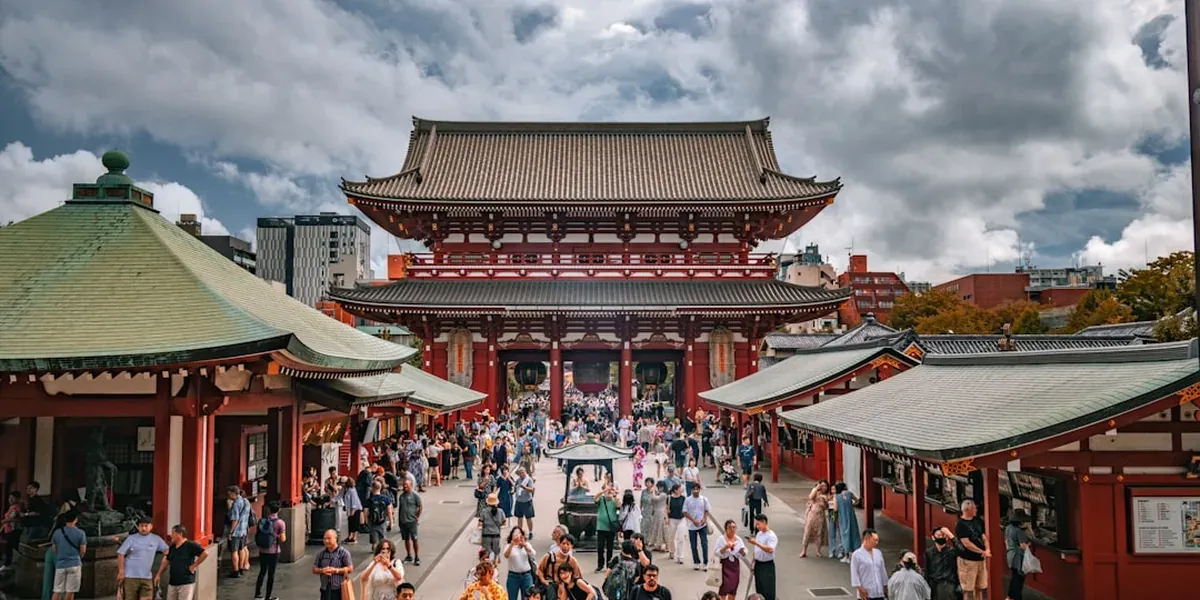
Asakusa is the budget traveler’s default base. It has Tokyo’s oldest temple (Senso-ji, founded 645 AD), the cheapest hostels in central Tokyo, and the closest thing to “old Tokyo” you can still experience. Most budget travelers who return to Tokyo stay in Asakusa after their first trip.
The vibe: Traditional. Nakamise shopping street (the lane leading to Senso-ji) sells tourist trinkets, but the side streets are residential, the konbini density is high, and the riverside walk (Sumida River) is genuinely beautiful at sunset.
Where to stay (the cheapest hostels in central Tokyo):
- Khaosan Tokyo Origami — ¥2,800–4,000 dorm. The original “backpacker” hostel.
- Khaosan World Asakusa — ¥2,800–4,000, walking distance to Senso-ji
- Imano Tokyo Hostel — ¥3,500–5,000, capsule-style dorms (closer to Shinjuku, but Asakusa branch exists)
- The Stay Akihabara (Asakusa-adjacent) — ¥3,200–4,500
Where to eat (under ¥1,000):
- Sushi-zushi Asakusa — kaiten sushi, ¥150/plate
- Asakusa Imahan — sukiyaki, ¥1,500 for lunch set
- Hoppy Street (under the tracks, near Asakusa Station) — izakaya, ¥500–1,000 for a meal with drinks
- Konbini — 7-Eleven, FamilyMart, Lawson everywhere. See the convenience store food guide for the best picks.
What to do for free:
- Senso-ji Temple + Nakamise street (free entry)
- Sumida River walk (free, beautiful at sunset)
- Asakusa Culture Tourist Information Center rooftop (free view of Senso-ji + Skytree)
- Hoppy Street walk (free window shopping, free people-watching)
The honest downsides: Asakusa closes early (most restaurants shut by 9pm). The Nakamise street is touristy. The area around the station has aggressive touts for “free” experiences.
Best for: First-time budget travelers, slow travelers, anyone staying 4+ nights. The solo travel guide recommends Asakusa as the default solo base.
For vegan and vegetarian options in Asakusa, see the vegan budget guide — the area has 4–5 dedicated vegan spots.
4. Ueno — Museums, Park, and Transit Hub
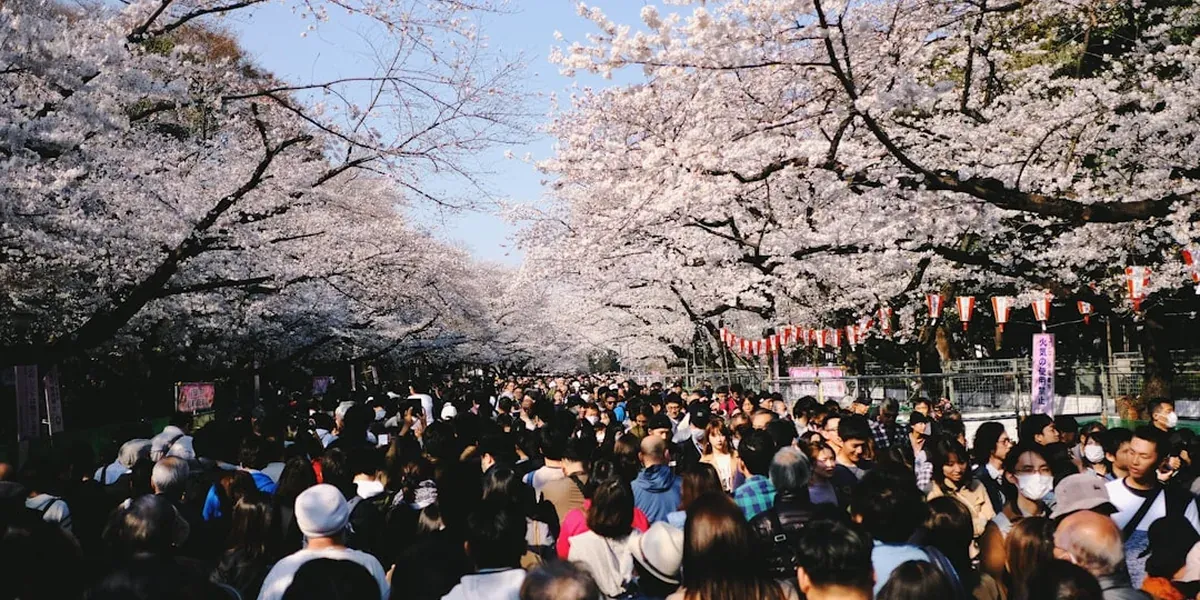
Ueno is the cultural center of Tokyo and the most underrated budget base. It has 5 major museums (most with free admission days), Ueno Park (the first public park in Japan), and the cheapest chain business hotels in Tokyo. The transit is excellent — Ueno Station connects to the Shinkansen, the Keisei Skyliner (Narita express), and 6 subway lines.
The vibe: Working-class Tokyo. Ameyoko Market (the street market under the tracks) is chaotic and cheap. The northern side of the station has the park and museums; the southern side has budget hotels and ramen shops.
Where to stay:
- APA Hotel Ueno — ¥6,500–9,000 (the cheapest APA chain in central Tokyo)
- Hotel Resol Ueno — ¥7,500–10,000
- Citan Hostel — ¥3,500–5,500 (capsule + hostel hybrid, near Tokyo Station)
- Hostel & Cafe East57 — ¥3,200–4,500
Where to eat (under ¥1,000):
- Ameyoko Market — fresh fruit, dried seafood, cheap street food. ¥200–500 for a meal.
- Ueno Ramen Street (6th floor of Atre Ueno) — 6 ramen shops, all under ¥1,200
- Shitamichi (downtown) izakaya — under the train tracks, ¥800–1,500
- Ueno Yabu Soba — traditional soba, ¥900
What to do (mostly free or under ¥600):
- Tokyo National Museum — ¥1,000, free on Ueno Cultural Week (mid-November)
- National Museum of Nature and Science — ¥630, free for students
- Ueno Park — free, especially beautiful during cherry blossom season
- Tokyo Metropolitan Art Museum — varies by exhibition, often ¥1,000–1,500
- Ueno Zoo — ¥600, the oldest zoo in Japan
The honest downsides: Ueno is visually less impressive than Shinjuku or Shibuya. The area south of the station can feel gritty at night. Cherry blossom season crowds are extreme.
Best for: Museum lovers, cherry blossom travelers (Ueno Park is the #1 spot in Tokyo), anyone arriving from Narita (Ueno is the Keisei Skyliner terminus). For the full cherry blossom strategy, see the cherry blossom guide.
For day trips from Ueno (it’s a 5-minute walk to Nippori, the gateway to Nikko and northern Japan), see the Tokyo day trips hub and the dedicated Nikko day trip budget guide.
5. Shimokitazawa — The Indie, Vintage, Café Neighborhood
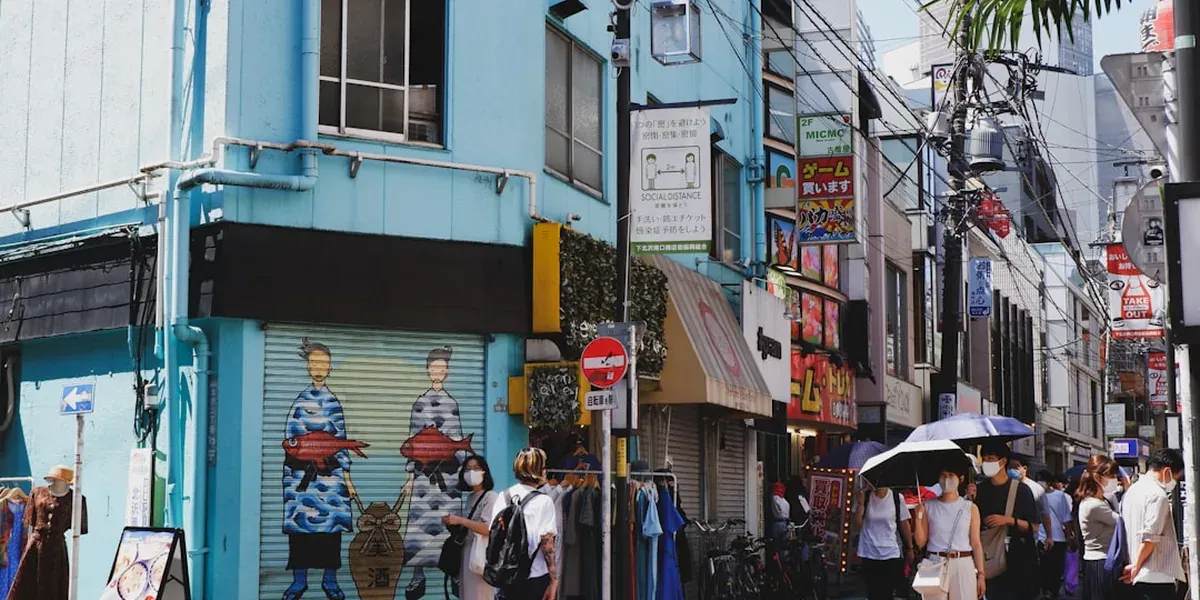
Shimokitazawa (often shortened to “Shimokita”) is the neighborhood locals recommend to friends. It’s 5 minutes by train from Shibuya, but feels completely different — narrow streets, vintage clothing shops, independent cafés, second-hand bookstores, and the best live music venues in Tokyo.
The vibe: Indie, creative, slow-paced. No neon, no skyscrapers, no major tourist attractions. Just locally-owned shops and the people who run them.
Where to stay:
- Hostel: The Wardrobe Hostel — ¥3,500–5,000 (small, design-focused, near the station)
- Apartment rentals: Best long-stay option in Shimokita. ¥5,000–8,000 for a private studio.
Where to eat (under ¥1,500):
- Nagi Shokudō — vegan set meal, ¥1,000 (cash only, weekday lunch)
- Shimokita Teishoku-ya — traditional Japanese set meal, ¥900
- Bear Pond Espresso — the famous espresso bar, ¥500
- Numerous independent ramen shops — ¥800–1,200
What to do for free:
- Walk the narrow streets and browse vintage shops
- Visit the Saturday/ Sunday flea market at Shimokitazawa Station
- Live music at Shimokitazawa Shelter (¥2,500–4,000, often free on weeknights)
The honest downsides: No major tourist sights, English is more limited than Shinjuku/Shibuya, restaurants close by 9pm.
Best for: Repeat Tokyo visitors, creative professionals, slow travelers, anyone who wants the “real” Tokyo. Less ideal for first-timers with a 3-day itinerary.
For vegan and vegetarian options in Shimokita, see the vegan budget guide — Shimokita is one of the 4 vegan clusters in Tokyo.
6. Akihabara — Electronics, Anime, and Tax-Free Shopping
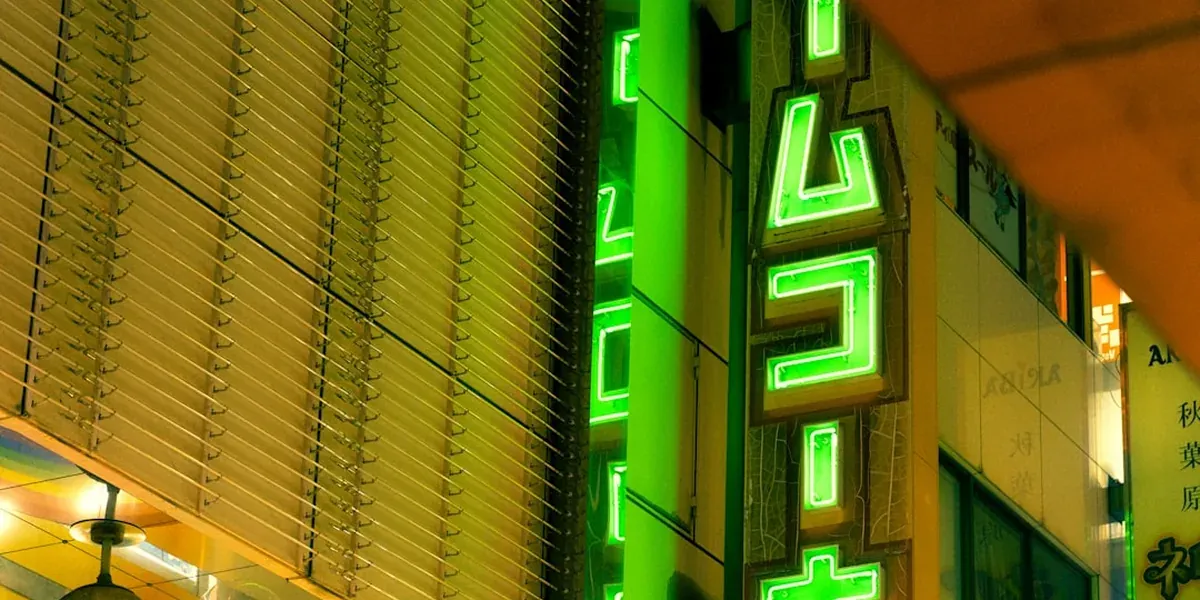
Akihabara (often called “Akiba”) is the global center of electronics, anime, manga, and gaming. It’s a neighborhood of neon, multi-floor retailers, and obsessive subcultures. For most travelers it’s a half-day or full-day visit, not a base.
The vibe: Loud, bright, dense. Yodobashi Camera (the 9-floor electronics megastore), Mandarake (the used manga store chain), Don Quijote (the discount megastore with everything).
Where to stay (you probably won’t, but if you do):
- First Cabin Akihabara — “First class” cabins, slightly more private than a typical capsule — ¥3,800–5,500
Where to eat (under ¥1,000):
- Akihabara Ramen — multiple shops under ¥1,000
- Gundam Cafe (closing 2026, check before going) — themed menu, ¥1,200–1,800
- Matsuya / Sukiya / Yoshinoya — gyudon chains, ¥400–600
What to do for free:
- Walk the main street (Chuo-dori) — window shopping is the activity
- Browse the 6-floor Mandarake used manga building
- Visit the Akihabara Radio Kaikan building (10 floors of electronics)
- People-watch at the crosswalk on Chuo-dori
The honest downsides: Aggressive maid cafe touts, the area is genuinely overwhelming for non-otaku travelers, and the electronics prices aren’t always cheaper than Amazon (Yodobashi Camera is the one exception).
Best for: Anime fans, electronics shoppers (tax-free is 10% off), anyone with 4 hours to kill between transit connections. See the best eSIM Japan guide for connectivity while navigating the multi-floor shops.
7. Ikebukuro — Local Tokyo, Cheap Ramen, Sunshine City
Ikebukuro is what Shinjuku would be if it didn’t have tourists. It’s the third-busiest station in Tokyo (after Shinjuku and Shibuya), the budget ramen capital of Japan, and the home of Sunshine City (the city’s first skyscraper complex, with an aquarium, planetarium, and observation deck).
The vibe: Local, dense, ramen-focused. Sunshine City is the tourist anchor; the rest of the neighborhood is where Saitama and northern Tokyo residents actually live and eat.
Where to stay:
- Hotel Metropolitan Ikebukuro — ¥9,000–14,000
- Capsule Hotel & Spa Ikebukuro — ¥3,500–5,000
Where to eat (under ¥1,000):
- Ramen at Ikebukuro Station — at least 20 ramen shops within 5 minutes, all under ¥1,200. The concentration is unmatched.
- Mutekiya (in Ikebukuro) — one of Tokyo’s most famous ramen shops, ¥1,000, expect a queue
- Ikebukuro Sunshine City food court — 30+ stalls, ¥600–1,200
What to do:
- Sunshine City — aquarium (¥2,200), planetarium (¥1,200), observation deck (¥700), Pokémon Center Mega Tokyo (free entry)
- Ikefukuro Café — owl café, hedgehog café, cat café clusters (¥1,000–1,500 per 30 minutes)
The honest downsides: Less “iconic Tokyo” than Shinjuku/Shibuya, fewer English signs, the station is genuinely confusing.
Best for: Budget travelers who want to feel “local Tokyo,” ramen enthusiasts, anyone who wants Sunshine City without Shinjuku prices. For more day-trip options from Ikebukuro, see the Tokyo day trips hub.
8. Roppongi — Nightlife and Art (With Caution)
Roppongi is the expat nightlife center of Tokyo. Roppongi Hills (the Mori Tower complex) is the cultural anchor; the backstreets are the club/bar scene. The neighborhood has the highest rate of bar overcharging in Tokyo and a long history of scams targeting foreign tourists.
The vibe: International, expensive, late-night. Roppongi Hills Mori Art Museum (one of Tokyo’s best contemporary art museums), Tokyo City View observation deck (¥2,300), and the Roppongi izakaya/club district.
Where to stay (you probably shouldn’t):
- Hotel Villa Fontaine Roppongi — ¥12,000–18,000
- Most Roppongi hotels are 30–50% more expensive than equivalent Shinjuku options.
Where to eat:
- Roppongi izakaya — ¥2,000–4,000 per person (significantly more than other neighborhoods)
- Tsukiji Outer Market (technically nearby, often paired with Roppongi) — sushi, tamagoyaki, fresh seafood
What to do:
- Mori Art Museum (¥1,800) — contemporary art, one of the best in Asia
- Tokyo City View observation deck (¥2,300) — Tokyo Tower + Skytree views
- Roppongi Keyakizaka Street — the “TV show” Tokyo street with illuminated zelkova trees
The honest downsides: The most overpriced neighborhood in central Tokyo. The “free” entry offers from street touts lead to ¥5,000+ bar tabs. Pickpocketing and bar scams are concentrated here.
Best for: One-night visit, art lovers, anyone who needs Mori Tower views. Do NOT stay here for budget travel. For safety details, see the solo travel guide and the travel insurance guide.
Where NOT to Stay in Tokyo
Three areas look reasonable on a map but waste time or money:
1. Narita. The airport city is 90 minutes from central Tokyo by Skyliner (¥2,580 each way) or 2 hours by train. “Cheap” hotels are ¥6,000–8,000 — but you pay ¥5,000+ in round-trip transit. The math only works for 4+ night stays with limited Tokyo exploration.
2. Far suburbs (Machida, Tachikawa, Saitama). A ¥5,000 hotel in Saitama plus ¥1,500 round-trip transit per day costs more than a ¥8,000 hotel in central Tokyo with no transit cost. The only reason to stay here is conference attendance in those suburbs.
3. Tokyo Bay area (Odaiba, Shin-Kiba). The artificial island is fine for a day visit (teamLab, Fuji TV building, Oedo Onsen), but it’s a 30-minute transit ride to anywhere “real.” No reason to stay here as a base.
For the actual cost of getting from Narita to central Tokyo, see the Tokyo to Kyoto guide (it covers the same transit strategies).
Cost Comparison Table — All 8 Neighborhoods
| Neighborhood | Capsule/hostel/night | Standing lunch | Izakaya dinner | Vibe |
|---|---|---|---|---|
| Shinjuku | ¥3,500–5,000 | ¥450 | ¥1,800 | Central, nightlife, transit hub |
| Shibuya | ¥4,000–5,500 | ¥500 | ¥1,800 | Youth, fashion, crowded |
| Asakusa | ¥2,800–4,000 | ¥400 | ¥1,500 | Traditional, quiet, cheap |
| Ueno | ¥3,200–4,500 | ¥500 | ¥1,500 | Museums, transit, working-class |
| Shimokitazawa | ¥3,500–5,000 | ¥1,000 | ¥1,500 | Indie, vintage, café |
| Akihabara | ¥3,800–5,500 | ¥500 | ¥1,500 | Electronics, anime, dense |
| Ikebukuro | ¥3,500–5,000 | ¥600 | ¥1,500 | Local, ramen, Sunshine City |
| Roppongi | ¥6,500–10,000 | ¥900 | ¥3,000 | Expensive, nightlife, art |
For comparison: a “premium” capsule hotel in Ginza costs ¥6,500–9,000 and isn’t a budget option. The cheapest beds in Tokyo are in Asakusa hostels and Ueno business hotels.
For the full Tokyo cost breakdown, see the Tokyo budget guide and the trip cost 2026 guide.
The 3-Day / 5-Day / 7-Day Neighborhood Combinations
| Day | 3-day itinerary | 5-day itinerary | 7-day itinerary |
|---|---|---|---|
| 1 | Asakusa + Senso-ji (free, see free things Tokyo) | Asakusa + Senso-ji | Asakusa + Ueno museums |
| 2 | Shibuya + Harajuku + Meiji Shrine | Shibuya + Harajuku + Yoyogi Park | Shinjuku + Golden Gai |
| 3 | Shinjuku + Tokyo Gov Building (free) | Akihabara + Ueno Park | Shimokitazawa + Nakano Broadway |
| 4 | — | Ikebukuro + Sunshine City | Day trip: Kamakura |
| 5 | — | Day trip: Kamakura or Hakone | Day trip: Mt Fuji |
| 6 | — | — | Roppongi (museum only, skip nightlife) |
| 7 | — | — | Last-minute shopping + departure |
The base strategy: Stay in Asakusa for 3-day and 5-day trips (cheapest, central enough). Stay in Shinjuku for 7-day trips (the extra transit cost is worth the central access for the second week).
For the day trip options in detail, see the Tokyo day trips hub.
For the 7-day variation that includes a side trip to Kyoto, see the 10-day Japan itinerary and the 2-week itinerary.
How to Get Between Neighborhoods
Tokyo’s transit is one of the best in the world. Three tools cover 95% of trips:
-
Suica / IC card — tap on, tap off. ¥500 deposit, ¥1,500 minimum add. Use on every subway, JR train, and most buses. See the IC card comparison for the digital Suica option on iPhone.
-
Tokyo Metro 24-hour ticket — ¥600 for unlimited Metro rides in 24 hours. Worth it if you take 4+ Metro rides in a day. The combined Tokyo Subway Ticket (Metro + Toei) is ¥900.
-
Google Maps + NAVITIME — Google for most trips, NAVITIME for buses and rural trains. See the travel apps guide for the full list.
For the JR Pass question (do you need it for a Tokyo-only trip?), the answer is no — the JR Pass pays off only when you take 2+ long-distance Shinkansen trips. See the JR Pass 2026 worth it guide for the math.
FAQ
Which Tokyo neighborhood is best for first-time visitors?
Asakusa or Shinjuku. Asakusa is the cheapest and most “iconic” base. Shinjuku is the most central for transit. Most budget travelers start in Asakusa and move to Shinjuku on repeat trips.
Where should I stay to be close to everything?
Shinjuku. It’s the largest transit hub in the world (3.5 million daily passengers), and you can reach every other neighborhood in the guide in 10–25 minutes by train.
What’s the cheapest safe neighborhood?
Asakusa. The hostels are ¥2,800–4,000, the area is well-lit, the station has 24/7 staffing, and the area is heavily touristed (which paradoxically makes it safer). For the safety breakdown, see the solo travel guide.
Is Shibuya safe at night?
Yes. The crime rate is low, the streets are well-lit, and the station is staffed 24/7. The actual concern is the crowd density, not safety.
Is Roppongi safe at night?
Mixed. The Mori Art Museum and Roppongi Hills are safe. The backstreet izakaya/club scene has the highest rate of bar overcharging in Tokyo. Stick to Roppongi Hills and Tokyo Midtown after 9pm.
Can I walk between Shibuya and Shinjuku?
Yes — it’s a 25-minute walk. Most people take the train (5 minutes, ¥200), but the walk through Shibuya → Harajuku → Meiji Shrine is one of the best in Tokyo.
Is there a neighborhood that feels like the “real” Tokyo?
Shimokitazawa is the consensus pick. The neighborhood has narrow streets, vintage shops, independent cafés, and almost no tourists. For the local Tokyo experience, see the Tokyo budget guide.
What’s the best neighborhood for cherry blossom?
Ueno for the iconic park experience (1,000 trees, free entry), Shinjuku Gyoen for the variety (500+ trees, ¥500), Chidorigafuchi for the moat-and-castle combo (¥0–500). See the cherry blossom guide for the full breakdown.
What’s the best neighborhood for autumn foliage?
Rikugien (¥300, the most famous Tokyo koyo spot), Shinjuku Gyoen (¥500, 3 maple varieties), Meiji Jingu Gaien (free, the ginkgo avenue).
What’s the best neighborhood for families?
Asakusa for the traditional experience (kids love Senso-ji + river boats), Ueno for the museums + zoo, Odaiba for teamLab + the bay views. For family-specific accommodation, see the hotel booking guide.
Can I do all 8 neighborhoods in one trip?
Yes — but you’ll spend half your time on trains. The 7-day itinerary above covers 7 of the 8 (skipping Akihabara or Roppongi to save time). Most travelers do 4–5 neighborhoods per 5-day trip.
Do I need cash in Tokyo?
Most restaurants and chain stores accept IC cards (Suica/Pasmo). Smaller restaurants, some izakaya, and most shrines/temples are cash-only. See the money in Japan guide for ATM access by neighborhood.
Where do locals actually eat in Tokyo?
Shimokitazawa, Shimokitazawa’s neighbor Sangenjaya, and the side streets of Ueno north of the park. The ramen at Ikebukuro Station is also overwhelmingly local — most tourists skip the neighborhood entirely.
What’s the best neighborhood for vegan food?
Shimokitazawa (Nagi Shokudō, ¥1,000) and Shibuya (Ain Soph, 8ablish). The full vegan breakdown is in the vegan budget guide.
How much does an IC card cost?
¥500 deposit + ¥1,500 minimum add = ¥2,000 total. The deposit is refundable at any JR station. For the digital option, see the IC card guide.
Should I book accommodation in advance?
Yes, especially for cherry blossom (late March–early April) and autumn foliage (mid-November). Even off-season, the cheapest hostels sell out 2–3 weeks ahead. See the hotel booking guide for the platform comparison.
Can I send luggage between hotels?
Yes — Yamato Transport (black cat logo) and Sagawa do hotel-to-hotel luggage forwarding for ¥2,000–3,000 per bag. Standard for travelers moving from Tokyo to Kyoto, but also useful for changing neighborhoods within Tokyo. Drop bags at the convenience store counter, receive at the next hotel by evening.
Is Tokyo expensive compared to other cities?
Compared to other major Asian cities: more expensive than Bangkok, Hanoi, Kuala Lumpur; about the same as Seoul; less expensive than Singapore and Hong Kong. Compared to Western capitals: cheaper than London, Paris, New York, Sydney. See the trip cost 2026 guide for the full breakdown.
Plan Your Tokyo Trip — The 5-Day Neighborhood Tour
Tokyo rewards travelers who pick a base and explore it deeply, then expand outward. The 5-day plan above covers Asakusa, Shinjuku, Shibuya, Akihabara, Ikebukuro, and 1 day trip — without rushing.
The 5-step recap:
- Stay in Asakusa or Shinjuku — the two best bases for budget and central access
- Use an IC card — Suica or Pasmo, tap everywhere. See the IC card guide
- Buy the Tokyo Metro 24-hour ticket on busy days — ¥600 for unlimited Metro, worth it after 4 rides
- Take 1 day trip — Kamakura, Hakone, or Mt Fuji. See the day trips hub
- Skip Roppongi for budget reasons — see the Mori Art Museum once if you want, but don’t stay there
For the rest of the trip — how to get around, where to eat, what to pack, and how to keep the daily total under ¥10,000 — see the Tokyo budget guide, the free things to do in Tokyo guide, the hotel booking guide, the Tokyo day trips hub, the solo travel guide, the travel apps guide, the money in Japan guide, the convenience store food guide, the vegan budget guide, the cherry blossom guide, the hiking guide, the packing list, the eSIM guide, the travel insurance guide, and the Japan trip cost 2026.