Free Things to Do in Tokyo 2026: Budget Day-by-Day Guide
The budget traveler's Tokyo guide — free observation decks, free shrines, free neighborhoods, and how to do a full day in Tokyo for under ¥3,000 in 2026.
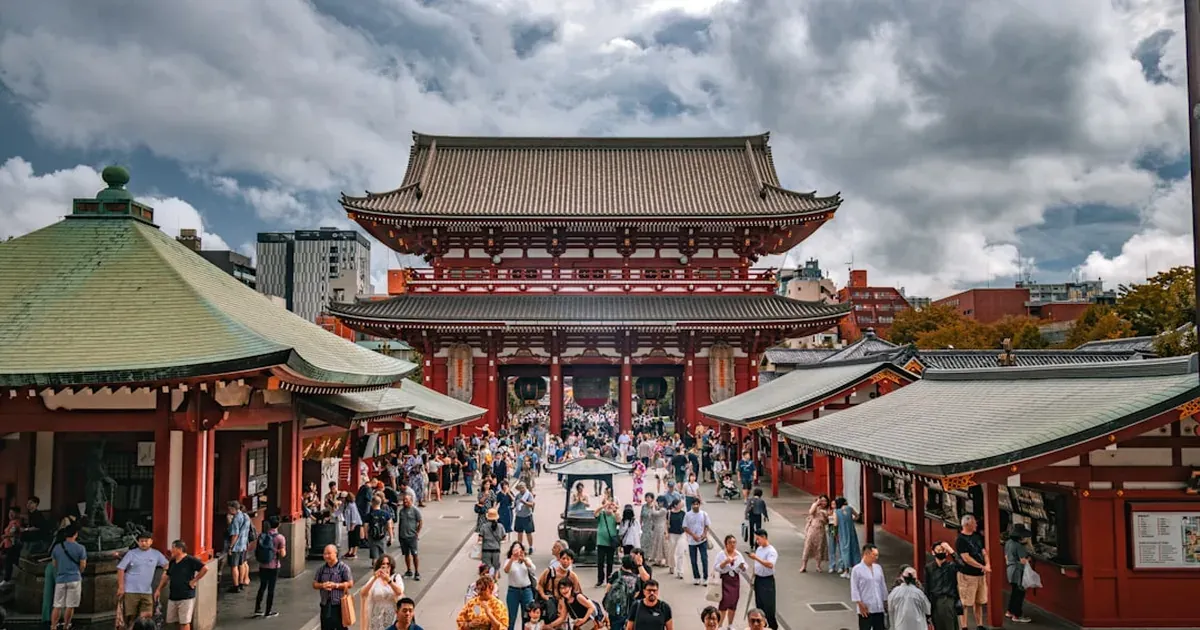
Tokyo has a reputation for being expensive. That reputation is built on cherry blossom season hotel prices, Michelin-starred restaurants, and paid observation decks. The day-to-day reality for a budget traveler is different: Tokyo’s best shrines are free, its most beautiful park is free, its finest observation deck is free, and its most interesting neighbourhoods cost nothing to walk.
Combining free attractions with budget dining creates comprehensive Tokyo experiences under ¥3,000 daily excluding accommodation. This guide is built around that target — a full Tokyo day for under ¥3,000, neighbourhood by neighbourhood, with timing that keeps you ahead of the crowds.
This article is the Tokyo equivalent of the Free Things to Do in Kyoto guide — the same strategy applied to Japan’s capital. Both cities reward early mornings, back streets, and the willingness to walk.
The Tokyo Budget Rule — Arrive Early, Walk Far, Tap Often
Three principles drive every free day in Tokyo:
Arrive early. Tokyo’s most famous sights — Senso-ji, Meiji Shrine, Shibuya Crossing — are genuinely different at 7am versus 10am. The difference is hundreds of tourists, tour buses, and selfie sticks. Go at dawn and the city is yours.
Walk between neighbourhoods. Tokyo feels enormous but its most interesting districts are often 20–30 minutes apart on foot. Walking Asakusa to Ueno to Akihabara is 45 minutes and free. The subway is ¥180–250 per ride — walking saves money and shows you the city in between.
Tap your IC card for everything else. Your Suica or ICOCA handles every train, subway, and bus fare. The Tokyo Metro 24-hour pass (¥800) is worth buying on days with more than four subway trips — otherwise pay per ride.
The Best Free Things in Tokyo — By Neighbourhood
Asakusa — Start Here
Asakusa is the starting point for every first Tokyo visit — and the right starting point for a budget one. Base your accommodation here if you can: Asakusa has the best budget hostels and capsule hotels in Tokyo, walking distance to Senso-ji temple and the Sumida River. Full accommodation options: Japan Budget Accommodation Guide.
Senso-ji Temple — free, open 24 hours
Tokyo’s oldest temple, founded in 628 AD. The Nakamise-dori shopping approach and Kaminarimon (Thunder Gate) with its enormous red lantern are the most-photographed spots in Asakusa — both completely free.
Go at 6am for the full experience: the lantern glows against pale dawn sky, the incense smoke drifts through empty air, and the main hall’s golden interior is lit but quiet. By 9am the approach is filling. By 10:30am it’s shoulder-to-shoulder.
The trick nobody writes: Walk through the temple precincts and continue behind the main hall to the quieter gardens and smaller shrines. These back areas are free, nearly always empty, and as architecturally interesting as the famous front gate.
Sumida River walk — free
Follow the Sumida River south from Asakusa for 20–30 minutes. You pass the distinctive Asahi Beer Hall (the golden flame on top), Tokyo Skytree across the river (free to look at, ¥3,100 to go up — skip it), and reach Ryogoku — the historic sumo district — with no entry fee required to walk through.
Nakamise-dori shopping street — free to walk
The 250-metre approach to Senso-ji lined with souvenir shops. Free to walk and browse, genuinely good for window shopping traditional crafts, sweets, and paper goods. Best in the early morning before stalls open — the architecture of the arcade is more visible without the awnings and displays.
Harajuku and Shinjuku — Free Views and Sacred Forest
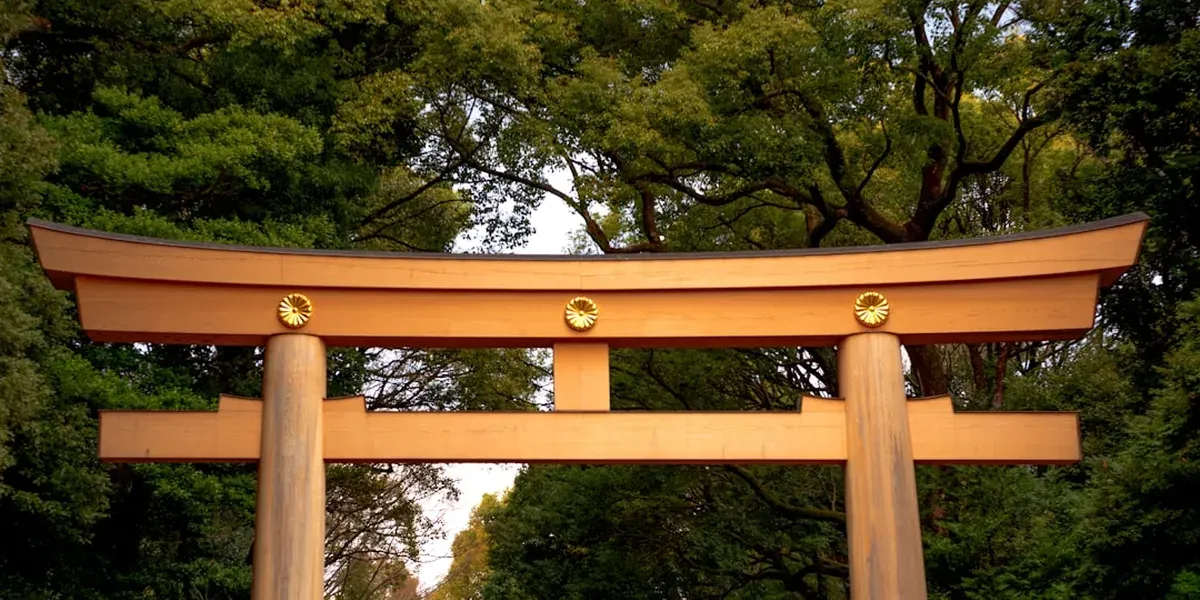
Meiji Shrine — free
70 hectares of forested shrine grounds in the middle of Harajuku. The approach through the torii gates and forest takes 10 minutes to walk and feels nothing like central Tokyo — the noise drops, the air smells of cedar, and the crowds thin immediately past the first gate.
The shrine itself is free. The inner garden (Jingu Gyoen) charges ¥500 and is beautiful — visit if you have time and money, skip it on a strict budget without missing the main experience.
Go at 7am. Meiji Shrine at dawn with mist in the trees is one of the best free experiences in Japan. By 9:30am tour groups arrive.
Tokyo Metropolitan Government Building — free, best view in Tokyo
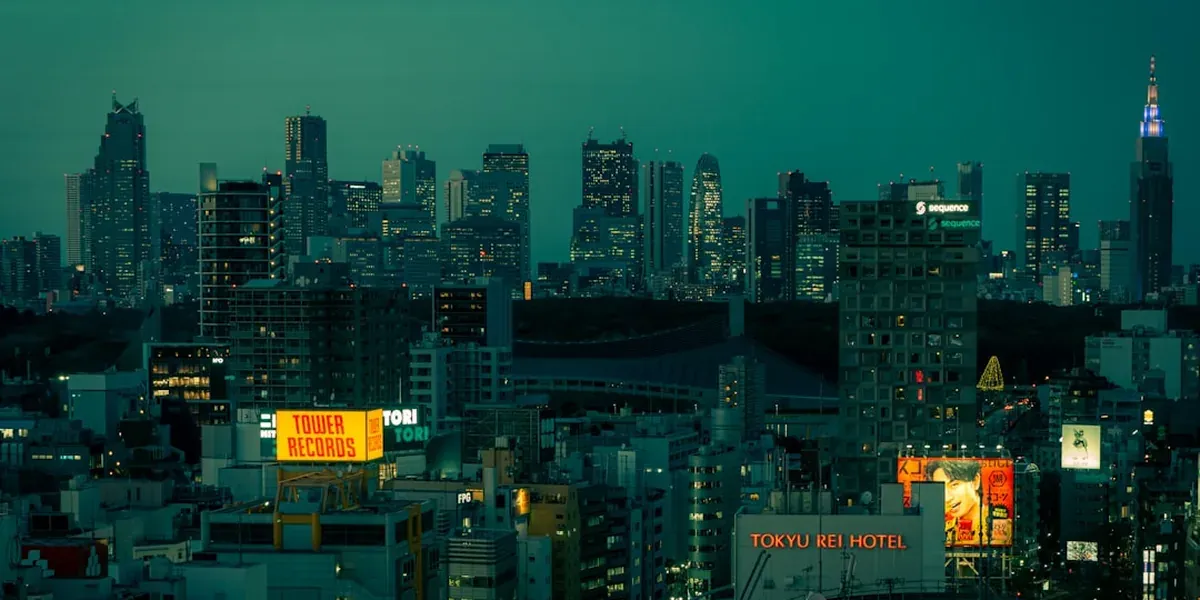
The Tokyo Metropolitan Government Building in Shinjuku provides the best free observation deck access in 2026 — twin towers offering 360-degree views from 202 metres elevation. Opens daily 9:30am–10pm with extended hours during peak seasons.
This is the single best value swap in Tokyo: skip Tokyo Skytree (¥3,100) and Tokyo Tower (¥1,200) and come here instead. The view from the 45th floor of the TMG building is arguably better than Tokyo Tower — you can see Skytree from here, which means you’re higher — and it costs nothing.
On a clear day you can even see Mount Fuji from the 45th floor observation deck. Best visibility: winter mornings (December–February) when air is driest. Go at opening (9:30am) before haze builds.
Shinjuku Gyoen — ¥500, worth it
Technically not free but worth the mention — ¥500 for one of the most beautiful parks in Japan. 58 hectares with French formal gardens, a Japanese traditional garden, a large greenhouse, and perfectly maintained grounds that feel like a different planet from the Shinjuku skyscrapers outside. In cherry blossom season, this is the best viewing spot in Tokyo — worth budgeting for. In off-season, the TMG free deck is a better use of ¥500.
Golden Gai — free to walk
An alley of tiny bars near Kabukicho, Shinjuku. Over 200 bars in an area the size of half a city block — each one seating 6–8 people maximum. Free to walk through any time. Most bars open from 7–8pm. Cover charges (¥500–1,000) apply at many if you sit — check before entering. The atmosphere of the alleys themselves, lit by small lanterns at night, costs nothing.
Shibuya — The Crossing and Beyond
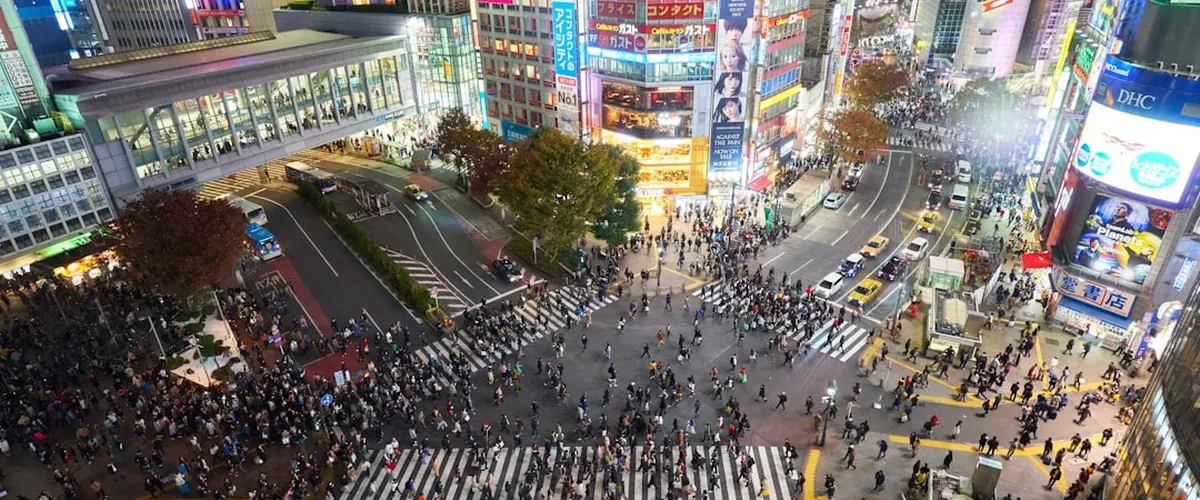
Shibuya Scramble Crossing — free
The world’s busiest pedestrian crossing, with up to 3,000 people crossing simultaneously when the lights change. Free to cross, free to watch from ground level. For an elevated view, the Starbucks on the second floor of the Shibuya Scramble Square above the crossing offers the classic overhead shot — buy a coffee (¥500–700) and the seat is yours for an hour.
The crossing is most dramatic in the evening when neon signs reflect off wet pavement after rain. Late night (11pm–midnight) sees a different kind of energy — fewer tourists, more locals heading home.
Daikanyama and Nakameguro — free walking
Two adjacent neighbourhoods 10–15 minutes walk south of Shibuya Station. Daikanyama has the best independent bookshops, cafes, and boutiques in Tokyo. Nakameguro follows the Meguro River canal — lined with independent restaurants and cafes on both banks. In cherry blossom season the canal path is one of the most beautiful walks in Tokyo. Both are free to walk. Eating and drinking here costs more than elsewhere — browse, don’t buy, then eat at a konbini.
Harajuku Takeshita Street — free
The famous youth fashion street parallel to Meiji Shrine. Completely different atmosphere — colourful, loud, crepe shops, fashion boutiques. Free to walk. The crepes (¥400–600) are worth buying once. Everything else is overpriced tourist merchandise.
Yanaka — Tokyo’s Best Free Neighbourhood
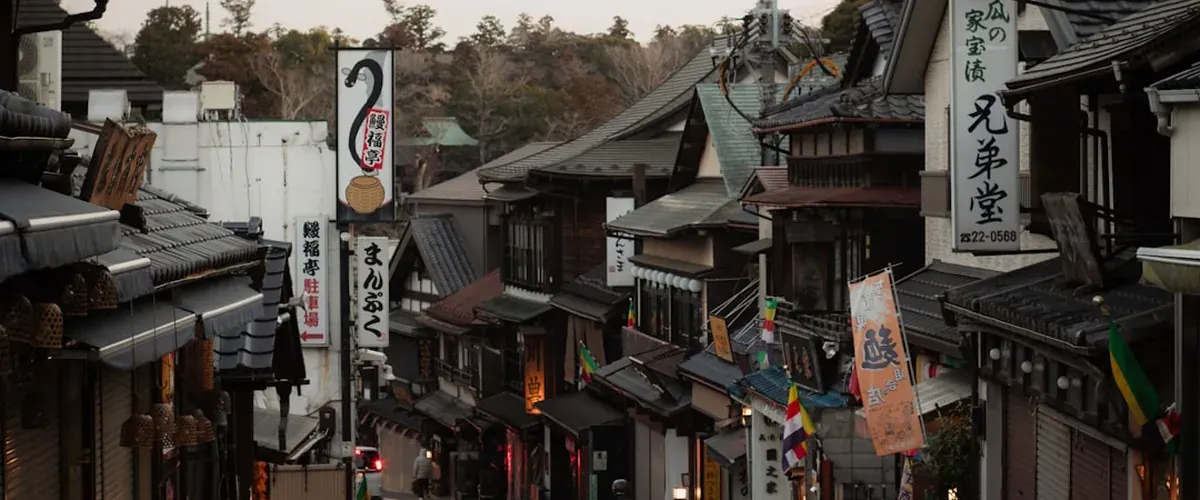
Yanaka is the Tokyo district that survived the 1923 earthquake and the 1945 firebombing — the only area of Tokyo that still feels largely pre-war. Yanaka is a charming old-school shopping street that feels like stepping back in time — small family-run shops sell traditional snacks, crafts, and the best menchi-katsu (fried meat cutlet, ¥200) you’ll find in Tokyo. The nearby Yanaka Cemetery is peaceful and beautiful, especially during cherry blossom season.
Yanaka Ginza: A 170-metre old-fashioned shopping street with butchers, tofu shops, confectionery makers, and small restaurants — all independent, all local. The menchi-katsu from Mutsu-ya (¥200 per piece) is one of the best cheap street snacks in Tokyo. Walk slowly and look into every shopfront.
Yanaka Cemetery: A large traditional cemetery on a hill, famous for cherry blossom season when the main avenue becomes a tunnel of pink. Free to walk through any time. Local cats live here — well-fed by cemetery staff, completely unbothered by visitors.
Temple hopping: Yanaka has over 70 temples and shrines packed into a small area, many with open grounds and interesting architecture. All free. Walk with no plan and turn down any alley that looks interesting.
Getting there: 5 minutes walk from Nippori Station (JR Yamanote Line, ¥160–200 from Asakusa/Ueno area).
Shimokitazawa — Tokyo’s Most Interesting Free Afternoon
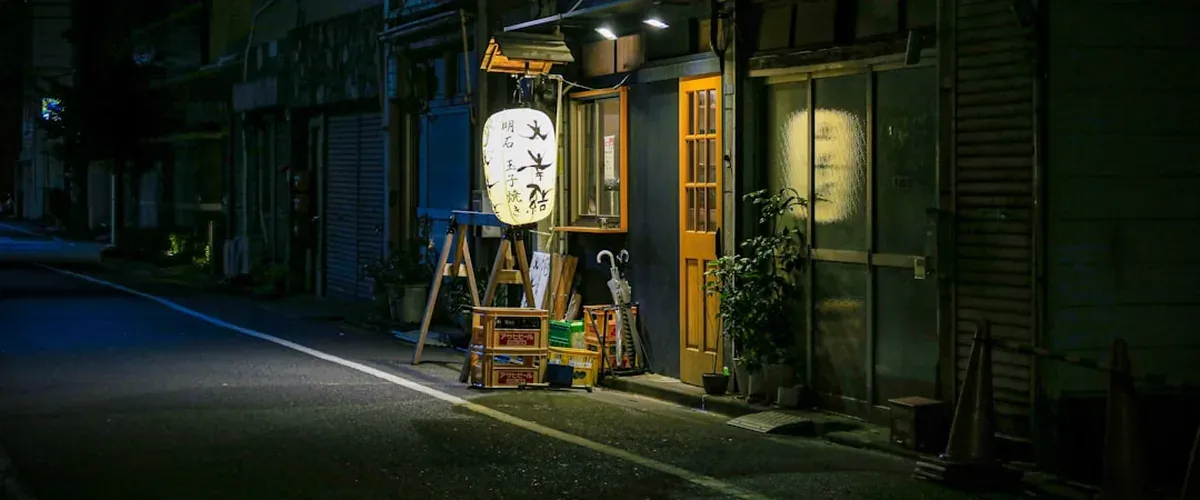
Shimokitazawa is Tokyo’s indie neighbourhood — vintage clothing stores, record shops, tiny live music venues, and quirky cafes. It feels like Brooklyn meets Kyoto.
Free to walk entirely. This is where young Tokyo lives — theatre students, musicians, artists. The streets are narrow and car-free in the centre. Everything is independent — no chains, no department stores.
What costs nothing in Shimokitazawa:
- Walking every alley in the neighbourhood (30–45 minutes)
- Browsing vintage record shops (Jazz, Japanese City Pop, Western indie — all physical format)
- Watching buskers perform in the small squares
- Sitting on the steps outside Shimokitazawa Station watching the street
What’s worth the money: A coffee at a small independent cafe (¥450–650). This is a neighbourhood where paying for a coffee buys you 90 minutes of the best people-watching in Tokyo.
Getting there: Odakyu or Keio Inokashira Line from Shinjuku — 4 stops, ¥150.
Ueno — Museums, Parks, and Market Streets
Ueno Park — free
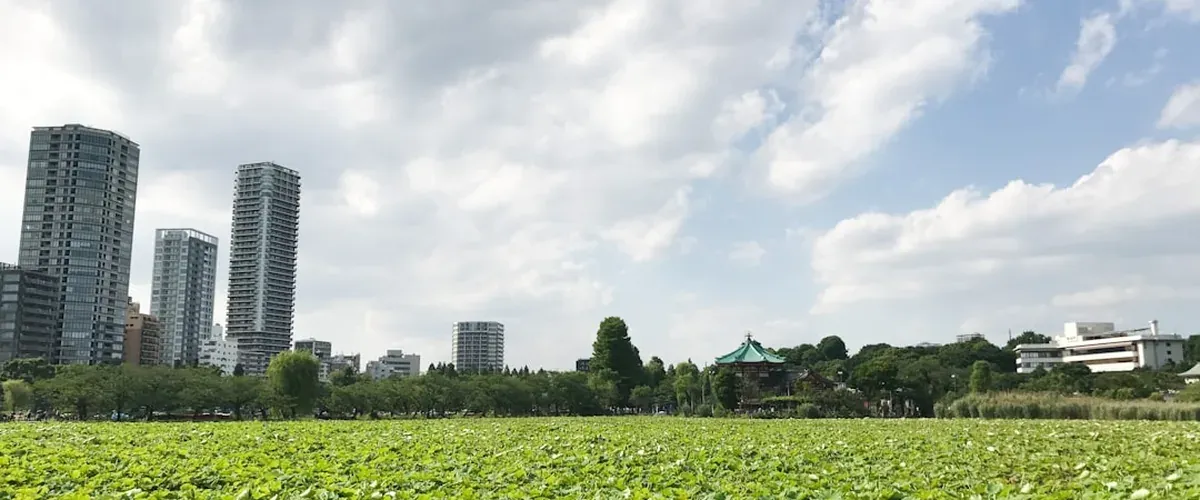
A large public park housing several of Tokyo’s major museums. The park itself is free — gravel paths, cherry trees, a large pond (Shinobazu Pond) with lotus flowers, and street performers on weekends. The museums inside charge entry (¥600–1,000 each) but the park is worth visiting regardless.
Tokyo National Museum: Japan’s largest museum with over 100,000 artefacts. Entry ¥1,000. Worth it on a cultural day — but the park experience outside is free.
INTERMEDIATHEQUE: A natural history museum on the first floor of the JP Tower near Tokyo Station — natural history artefacts, taxidermied animals, and skeletons of a killer whale, giraffe, and sea lion. Free entry. One of the best-kept free secrets in Tokyo. 10 minutes walk from Ueno Park.
Ameyoko Market — free to walk
A wide variety of shops, including fresh fish, dry goods, clothing, and miscellaneous goods gather in this market under the rail line between Ueno and Okachimachi stations. Boisterous, loud, and free to walk — the closest Tokyo gets to a traditional market atmosphere. Budget ¥800–1,200 for street food lunch here (grilled skewers, fresh fruit, cheap sushi sets).
New in 2026 — What’s Changed for Budget Visitors
Edo-Tokyo Museum reopens: The Edo-Tokyo Museum closed in 2022 for a 3-year renovation and reopens in 2026. This 7-story museum documents Tokyo’s history from the Edo period through World War II, and now adds a permanent 2020 Olympics section. Entry is ¥600 — one of the best-value museums in Tokyo. The scale models of Edo-period Tokyo alone justify the visit.
PokéPark opens in Odaiba: A full-scale Pokémon theme park opens in Odaiba in 2026 with expected ticket prices of ¥3,500–5,000. Not a budget attraction — but worth noting if you’re travelling with children or Pokémon fans. The Odaiba area itself (the artificial island) is free to visit — Unicorn Gundam statue, waterfront views, Rainbow Bridge — and makes a free half-day if you skip the paid parks.
Grutto Pass — museum value for budget travelers: The Grutto Pass gives free or discounted admission to over 100 museums and attractions in Tokyo. Available for ¥2,500 with a 2-month validity. If you’re spending 5+ days in Tokyo and planning multiple museum visits (Edo-Tokyo Museum, Tokyo National Museum, Shitamachi Museum, etc.), this pass pays for itself after 3–4 museums. Available at participating museums and tourist information centres.
The Budget Tokyo Day Itinerary
Day 1 — Asakusa, Ueno, Akihabara
6:00am   Senso-ji Temple at dawn — free
          Konbini breakfast near temple (¥400)
8:30am   Walk to Ueno (20 min on foot)
9:00am   Ueno Park walk + Shinobazu Pond — free
10:00am  Ameyoko Market browse — free
          Street food snack (¥300–500)
11:30am  Walk to Akihabara (15 min)
12:00pm  Akihabara electronics district browse — free
          Konbini lunch (¥500)
2:00pm   Subway to Asakusa (¥180)
2:30pm   Sumida River walk south — free
4:00pm   Rest at hostel

Day 1 transport: ~¥560
Day 1 activities: ¥0
Day 1 food: ~¥1,200
Day 1 total: ¥1,760
Day 2 — Harajuku, Shinjuku, Shibuya
7:00am   Meiji Shrine at dawn — free
          Konbini breakfast en route (¥400)
9:00am   Harajuku Takeshita Street — free
9:30am   Walk or subway to Shinjuku (¥0 walk/¥180 subway)
10:00am  Tokyo Metropolitan Government Building
          observation deck — free
11:30am  Shinjuku Gyoen — ¥500 (or skip on strict budget)
1:30pm   Konbini lunch in Shinjuku (¥500)
2:30pm   Walk to Shibuya (25 min)
3:00pm   Shibuya Crossing — free
3:30pm   Walk to Daikanyama and Nakameguro canal — free
5:30pm   Return to Shibuya, konbini dinner (¥600)
7:30pm   Shibuya Crossing at night — free

Day 2 transport: ~¥560
Day 2 activities: ¥0–¥500
Day 2 food: ~¥1,500
Day 2 total: ¥2,060–2,560
Day 3 — Yanaka, Shimokitazawa, Neighbourhood Tokyo
9:00am   Nippori Station → Yanaka Ginza walk (¥160)
9:30am   Yanaka shopping street and temples — free
          Menchi-katsu snack (¥200)
11:00am  Yanaka Cemetery walk — free
12:00pm  Subway to Shimokitazawa (¥230)
12:30pm  Independent cafe coffee — ¥500
1:30pm   Shimokitazawa street browse — free
3:00pm   Subway back to base (¥200)

Day 3 transport: ~¥590
Day 3 activities: ¥0
Day 3 food: ~¥700–1,000
Day 3 total: ¥1,290–1,590
Budget Eating in Tokyo — Under ¥1,000 Per Meal
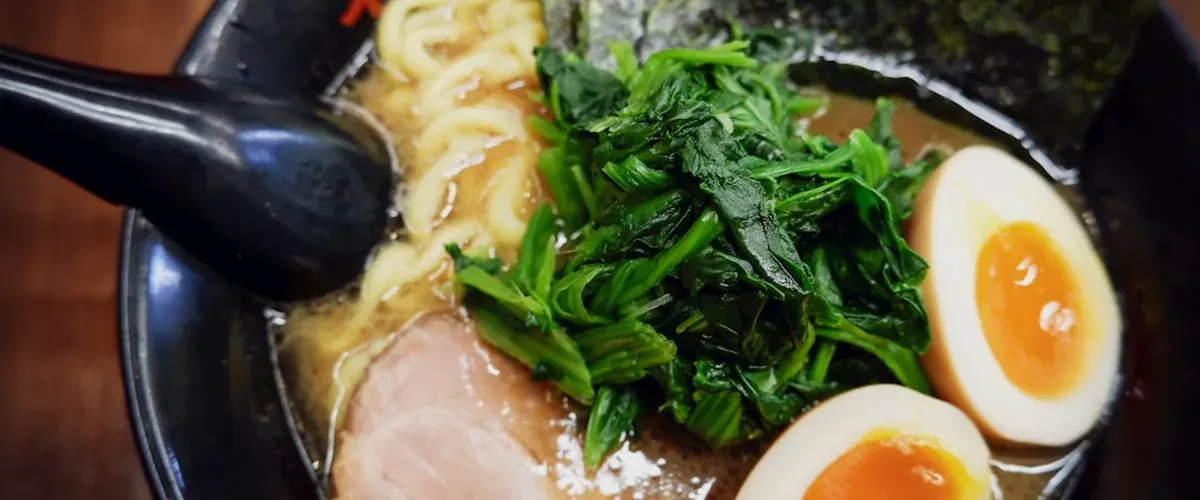
Tokyo food doesn’t have to be expensive. The cheapest proper meals in the city:
Standing ramen counters (tachinomi ramen) — ¥700–900: Fuunji in Shinjuku (tsukemen, ¥1,000), Ichiran anywhere in Tokyo (¥980), or any ramen shop with a standing counter sign (立ち食い). These are legitimate ramen at the lowest prices in the city.
Gyudon chains — ¥400–600: Yoshinoya, Sukiya, and Matsuya operate throughout Tokyo. Beef bowl with rice, pickles, and miso soup for ¥500–600. Fast, filling, open 24 hours.
Konbini meals — ¥400–700: The full konbini strategy — bento boxes, onigiri, hot food counter — detailed in the Japan Convenience Store Food Guide. Two onigiri plus canned coffee is ¥400. A bento plus green tea is ¥600. Full days on konbini meals run ¥1,500–2,000 total.
Omoide Yokocho (Memory Lane) — ¥1,000–1,500 for a full meal: The alley of tiny yakitori stalls near Shinjuku Station — skewers run ¥100–300 each, order a beer and a handful of skewers and soak in the old-Tokyo atmosphere for ¥1,000–1,500 total. One of the best cheap evening experiences in Tokyo. Smoky, cramped, genuine.
How Tokyo Connects to Your Japan Trip
Tokyo is the entry point for most Japan budget trips — and everything from the cheapest transport to Kyoto to the IC card you need for the whole trip starts here.
Before you leave Tokyo:
- Buy your Welcome Suica at Narita or Haneda Airport — or activate Mobile Suica on your iPhone before landing
- Stock up on konbini supplies for the overnight bus if you’re taking it to Kyoto
- Store your main bag in a coin locker (¥500–700/day at Tokyo Station) on day trip days
From Tokyo onward: The 2-week Japan budget itinerary allocates 4–5 days in Tokyo before heading to Kyoto. This free Tokyo guide covers those days fully — three days of neighbourhoods above, plus a Hakone day trip, a Kamakura day trip (temples, bamboo, and a beach for under ¥4,000), or Nikko if you want a fourth day outside the city.
What to pack for Tokyo days: Comfortable walking shoes are non-negotiable — the 20,000-step days in this guide are realistic. Full packing breakdown: Japan Budget Packing List.
Best time to visit: January and February give the lowest prices for accommodation — critical since Tokyo is the most expensive city in this guide. Full seasonal breakdown with month-by-month prices: Cheapest Time to Visit Japan.
Frequently Asked Questions
What free things can you do in Tokyo?
Tokyo has extensive free attractions including Senso-ji Temple in Asakusa, Meiji Shrine in Harajuku, the Tokyo Metropolitan Government Building free observation deck in Shinjuku, Ueno Park, Yanaka old town, Shibuya Scramble Crossing, Ameyoko Market, Golden Gai alleyways, and the neighbourhoods of Shimokitazawa and Daikanyama. A full day visiting free attractions with konbini meals costs under ¥3,000.
Is there a free observation deck in Tokyo?
Yes. The Tokyo Metropolitan Government Building in Shinjuku has a free observation deck on the 45th floor at 202 metres elevation, open daily from 9:30am to 10pm. The view covers all of Tokyo and on clear winter days includes Mount Fuji. This is significantly cheaper than Tokyo Skytree (¥3,100) or Tokyo Tower (¥1,200) with comparable or better views.
How much does a budget day in Tokyo cost?
A full day in Tokyo using free attractions and konbini meals costs ¥2,000–3,500 per person excluding accommodation. Transport (IC card) runs ¥400–800 depending on how many subway trips you take. Accommodation in a hostel dorm or capsule hotel adds ¥2,700–4,000.
Is Senso-ji Temple free?
Yes. Senso-ji Temple in Asakusa is free to enter and open 24 hours. The outer grounds, Nakamise shopping approach, and Kaminarimon gate are all free. Some smaller inner halls charge ¥400–500 for special access but are not necessary to experience the main temple.
What is the best free view in Tokyo?
The Tokyo Metropolitan Government Building observation deck in Shinjuku is the best free city view in Tokyo. Open daily 9:30am–10pm, 45th floor, 202 metres elevation, 360-degree views including Tokyo Skytree and Mount Fuji on clear days. No booking required, no charge.
Is Yanaka worth visiting in Tokyo?
Yes — Yanaka is one of the most interesting free neighbourhoods in Tokyo and significantly undervisited by first-time tourists. It’s one of the only areas of Tokyo that survived the 1923 earthquake and 1945 firebombing intact — the streets and buildings feel genuinely pre-war. Yanaka Ginza shopping street, Yanaka Cemetery, and the network of small temples make for a completely free half-day.
Prices correct as of May 2026. Exchange rate approximately ¥150 = $1 USD.