2 Weeks in Japan on a Budget: Day-by-Day Itinerary Under $1,500 (2026)
Complete 14-day Japan budget itinerary for first-timers — Tokyo, Kyoto and Osaka for under $1,500 excluding flights. Real daily costs, zero fluff.
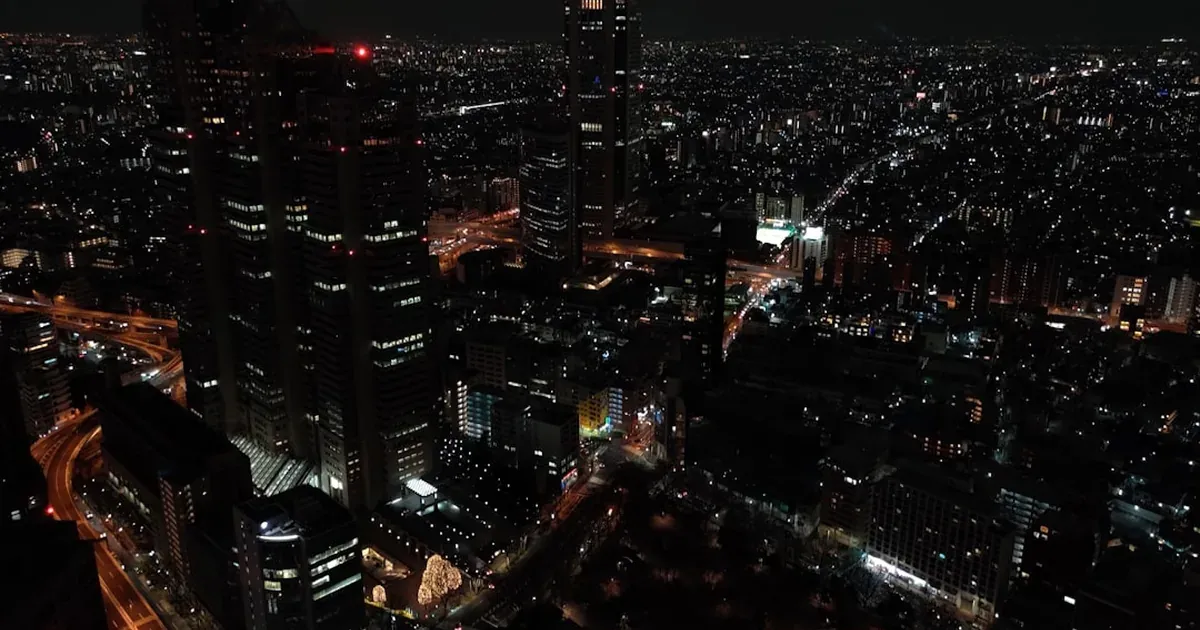
Two weeks. Three cities. Under $1,500 per person excluding flights. This is not the “budget” version of a mid-range trip — it’s a properly planned 14-day itinerary built from the ground up around what actually costs money and what doesn’t.
Budget travelers can manage Japan comfortably on around $100 per day using hostels or capsule hotels, convenience store meals, free attractions, and smart transport choices. Over 14 days that’s $1,400 — and with two overnight buses replacing two hotel nights, you come in under $1,500 with room to spare.
This guide connects every resource on BudgetYen into one complete plan. Each section links directly to the deep-dive guides for every topic — transport, accommodation, food, free activities, IC cards — so you can read as much or as little detail as you need.
Before You Read: The Three Rules of Budget Japan
Rule 1 — No JR Pass. The JR Pass saw a 70% price hike in October 2023 and faces another increase in late 2026 when bought through overseas agencies. For the Tokyo–Kyoto–Osaka route, individual tickets are cheaper — always calculate your specific route before buying. This itinerary skips it entirely.
Rule 2 — Overnight buses are free nights. Two overnight buses in this itinerary replace two hostel nights. You travel while you sleep, arrive at dawn with a full day ahead, and the bus ticket costs less than a hostel bed. Net cost: zero.
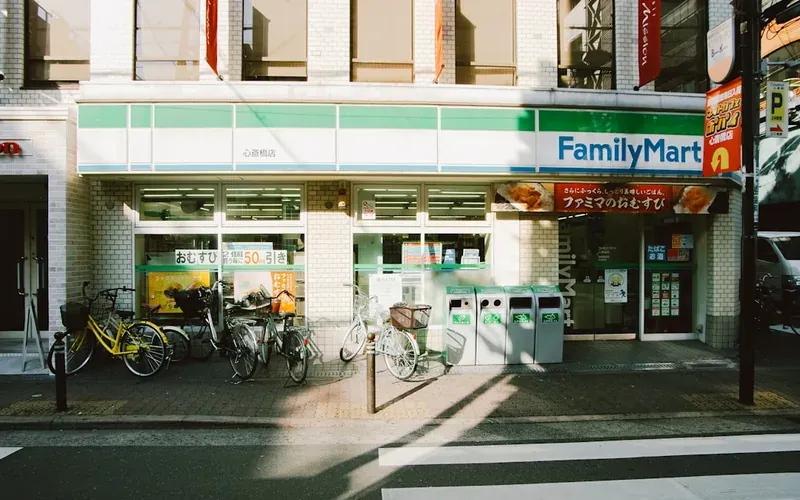
Rule 3 — Konbini is a strategy, not a compromise. Japan’s convenience stores serve genuinely excellent food. A full day of konbini meals costs ¥1,640–2,160 (~$11–14). Using konbini for breakfast and lunch, then eating one proper sit-down meal a day, is how this budget works without feeling like you’re roughing it.
The 14-Day Route Overview
Days 1–5:   Tokyo
Day 5 eve:  Overnight bus Tokyo → Kyoto
Days 6–8:   Kyoto
Day 9:      Nara day trip from Kyoto
Day 9 eve:  Train to Osaka
Days 10–12: Osaka
Day 12:     Namba day (free activities + street food)
Day 13:     Osaka flex / Dotonbori final night
Day 14:     Departure
Total transport between cities: ¥14,000–16,000 ($93–107)
Total accommodation (12 nights): ¥36,000–45,000 ($240–300)
Total food (14 days, mixed konbini + restaurants): ¥42,000–56,000 ($280–373)
Total activities (mostly free, a few paid entries): ¥8,000–12,000 ($53–80)
Full trip total: approximately ¥100,000–129,000 (~$667–860) excluding flights
For the complete category-by-category cost breakdown including 2026 tax changes and JR Pass updates, see our Japan Trip Cost 2026 guide.
Pre-Trip Checklist
Before you land, have these sorted:
eSIM: Set up an Airalo 10 GB Japan eSIM before departure (~$17) — you’ll have maps, translation, and connectivity the moment you land. Full guide: Best eSIM for Japan 2026.
Travel insurance: SafetyWing covers a 2-week Japan trip for ~$22 — essential since tourists pay 100% of medical costs upfront. Full guide: Japan Travel Insurance 2026.
IC card: iPhone users — set up Mobile Suica in Apple Wallet before you board. Android users — buy a Welcome Suica at Narita or Haneda on arrival, or an ICOCA at Kansai Airport if flying in there. You’ll use it for every train, bus, and konbini purchase for the entire trip. Full guide: Suica vs ICOCA vs PASMO — Which IC Card to Get.
Accommodation booked: Book Tokyo hostels or capsule hotels at least 3–4 weeks out. Kyoto and Osaka 2–3 weeks out. Good budget properties under ¥4,000/night disappear fast. Full guide: Japan Budget Accommodation Guide.
Overnight bus booked: Book the Tokyo→Kyoto overnight bus through Willer Express at least a week ahead. Friday departures sell out 2+ weeks in advance. Transport breakdown: Cheapest Ways from Tokyo to Kyoto.
Kyoto accommodation tax: As of March 2026, Kyoto’s accommodation tax increased — budget travelers typically pay ¥200–500 per person per night on top of the listed room rate. Factor this into your Kyoto nights.
Days 1–5: Tokyo
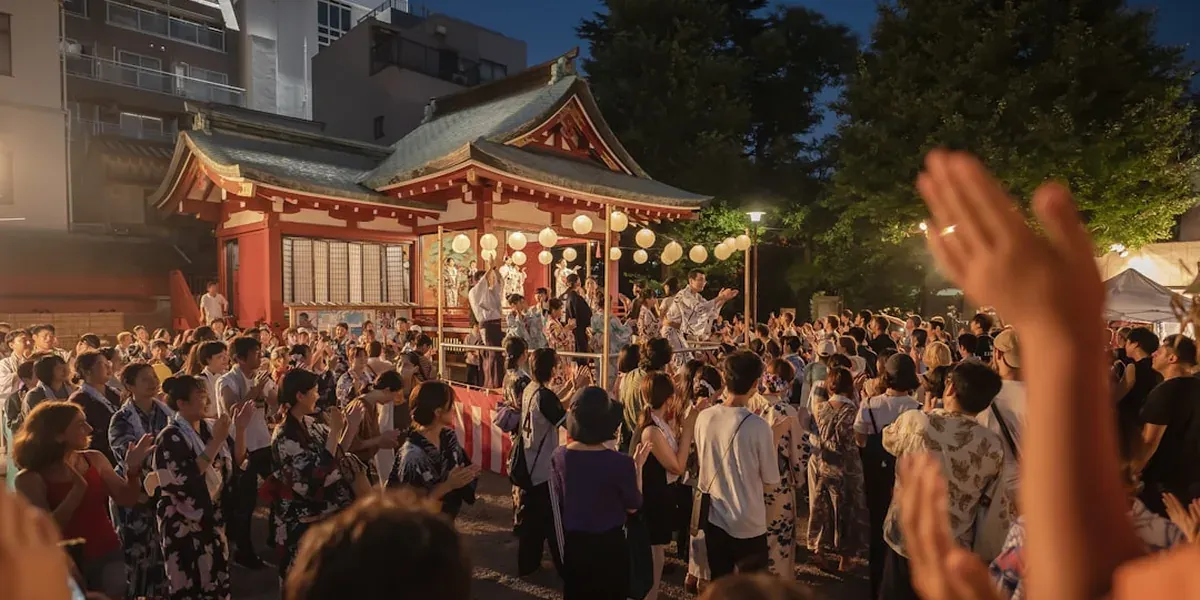
Where to stay in Tokyo
Base yourself in Asakusa. Highest concentration of budget hostels and capsule hotels in Tokyo, walking distance to Senso-ji, good food options at every budget, and easy Yamanote Line access to everywhere else. Capsule hotels: ¥3,000–4,500/night. Hostel dorms: ¥2,600–3,500/night.
Book on Booking.com — Tokyo budget accommodation — filter by Asakusa area and guest rating 8.5+.
Day 1 — Arrive, orient, recover
Land at Narita or Haneda. Buy your Welcome Suica at the airport (or activate Mobile Suica if you set it up beforehand). Take the airport train into the city — IC card covers it. Check into your hostel or capsule hotel, drop bags, and do nothing strenuous.
Evening: Walk to the nearest 7-Eleven. This is your introduction to Japanese convenience stores — spend 20 minutes reading the Japan Convenience Store Food Guide before you go and buy dinner here. ¥600–800 for a full meal.
Day 1 spend: ¥3,000–3,800 (airport transport + dinner)
Day 2 — Asakusa and Shinjuku
Morning: Senso-ji Temple at 7am before tour groups arrive. The Nakamise shopping street outside the temple is closed but the temple precinct itself is open and empty. Completely free. Full neighbourhood-by-neighbourhood breakdown: Free Things to Do in Tokyo.
Midday: Konbini breakfast near the temple (¥400), then Ueno Park — free to walk, several museums if any interest you (¥600–1,000 each).
Afternoon: Take the Yamanote Line to Shinjuku (IC card, ¥200). Walk Shinjuku’s east exit entertainment district, the Golden Gai bar alleyways (free to walk), Omoide Yokocho (Memory Lane) for atmosphere.
Dinner: Standing ramen in Shinjuku, ¥750–900.
Day 2 spend: ¥2,500–3,800
Day 3 — Shibuya, Harajuku, and Meiji Shrine
Morning: Meiji Shrine in Harajuku — free, serene, forested. Go at 8am. 45 minutes is enough.
Midday: Walk Takeshita Street in Harajuku for the street fashion scene and cheap crepes (¥400–600). Free to walk.
Afternoon: Shibuya Crossing — the famous scramble crossing. Stand on the Starbucks second floor and watch from above (buy a coffee to justify it, ¥500), or just stand at street level in the crowd. Free either way.
Evening: Shibuya has good budget ramen and gyudon chains. Yoshinoya beef bowl: ¥400–500.
Day 3 spend: ¥2,000–3,000
Day 4 — Akihabara and Ueno
Morning: Akihabara — Tokyo’s electronics and anime district. Free to walk, overwhelming to experience. Even if you’re not into gaming or anime, the multi-floor electronics shops and street vendors are worth an hour.
Afternoon: Ueno’s Ameyoko Market — a post-war black market turned bargain shopping street. Great for cheap street food (takoyaki, grilled corn, skewers) and people-watching. Budget ¥800–1,200 for street food lunch here.
Evening: Walk back to Asakusa along the Sumida River path — free, pleasant, underrated.
Day 4 spend: ¥1,800–2,500
Day 5 — Tokyo flex morning + overnight bus departure
Morning: Use Day 5 for anything you missed or want to revisit. Alternatively, visit Yanaka — Tokyo’s most preserved old-town neighbourhood, free to walk, excellent for local atmosphere and cheap shotengai (shopping street) food.
Afternoon: Store your main luggage in a coin locker at Tokyo Station or Shinjuku Station (IC card pays for the locker, ¥500–700/day). Walk light for the evening — see our packing list for tips on packing small enough for coin lockers.
Early evening: Pick up konbini supplies for the overnight bus — onigiri, a bento, snacks, a drink. Budget ¥800–1,000.
Night: Board the overnight bus from Shinjuku or Tokyo Station around 10–11pm. Arrive Kyoto around 6–7am.
Full transport options and booking guide: Cheapest Ways from Tokyo to Kyoto.
Day 5 spend: ¥5,500–7,000 (including bus ticket ¥3,500–4,500)
Days 6–8: Kyoto
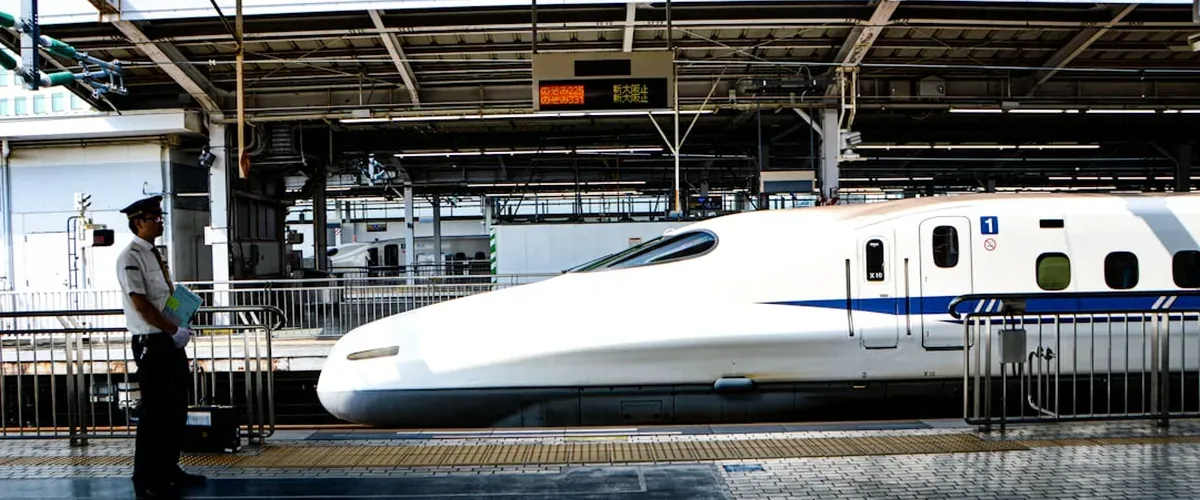
Where to stay in Kyoto
Fushimi or Kyoto Station area for cheapest prices — 10–15% cheaper than central Kyoto. Higashiyama for atmosphere — add ¥500–800/night. Budget hostel dorms: ¥2,800–3,800. Capsule hotels: ¥3,200–5,000.
Note the new Kyoto accommodation tax from March 2026 — budget travelers typically pay ¥200–500 per person per night extra on top of the listed room rate. Factor this into your three Kyoto nights.
Book: Booking.com — Kyoto budget hostels
Day 6 — Arrival in Kyoto + Fushimi Inari
You arrive around 6–7am. This is the plan:
6am: Walk to the nearest konbini from the bus terminal. Coffee, onigiri, breakfast. ¥400.
6:45am: Take the JR Nara Line from Kyoto Station to Inari Station (2 stops, ¥150). Walk 2 minutes to Fushimi Inari.
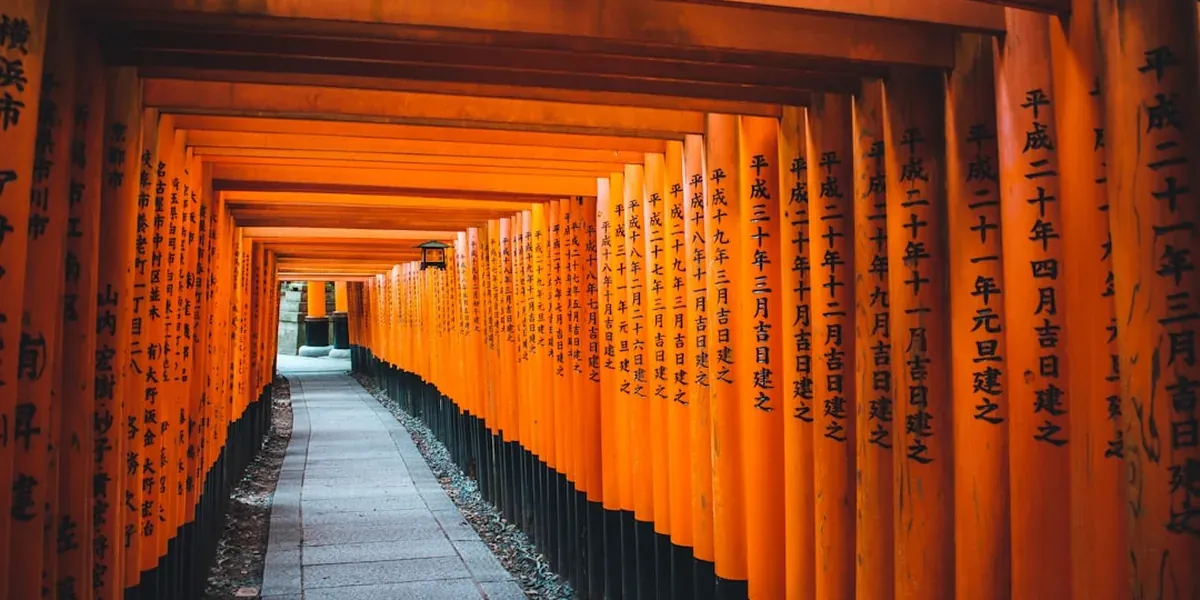
7am–9am: Fushimi Inari at sunrise with almost nobody around. Completely free. Walk as far up the mountain as you have energy for — the full summit circuit takes 2–3 hours. Even 45 minutes into the trail clears the crowds completely.
9:30am: Check into your hostel or capsule hotel. Most properties allow luggage drop even before standard check-in time. Sleep for a few hours if needed.
Afternoon: Nishiki Market walk — Kyoto’s covered food market, free to enter, cheap street food (¥100–400 per item). Then the Philosopher’s Path for an easy 2km canal-side walk.
Evening: Gion district walk at dusk — free, atmospheric, the best time to see geiko in kimono.
Full free Kyoto guide: Free Things to Do in Kyoto.
Day 6 spend: ¥2,000–2,800
Day 7 — Arashiyama + Traditional Kyoto
Morning: Take the bus to Arashiyama (IC card, ¥230). Arrive by 7:30am for the bamboo grove before tour groups. Free.
Walk from the bamboo grove: Tenryu-ji outer garden (free), Oi River bank walk (free), Togetsukyo Bridge.
Afternoon: Return to central Kyoto. Daitoku-ji temple complex northern walk (free outer grounds). Nishiki Market for lunch grazing ¥800–1,200.
Evening: Ramen dinner near your hostel. Budget chains like Ichiran: ¥900–1,100.
Day 7 spend: ¥2,500–3,500
Day 8 — Kyoto paid temples + Pontocho
This is your one splurge day in Kyoto — two paid temple entries that are genuinely worth it:
Morning: Kinkaku-ji (Golden Pavilion) at opening time (9am). Entry ¥500. Go early — it fills by 10am.
Afternoon: Ryoan-ji Rock Garden. Entry ¥600. 15 minutes of genuine quiet.
Evening: Walk Pontocho alley at dusk (free) and eat at a standing sushi counter nearby — ¥1,200–1,800 for a proper meal.
Day 8 spend: ¥4,000–5,500
Day 9: Nara Day Trip
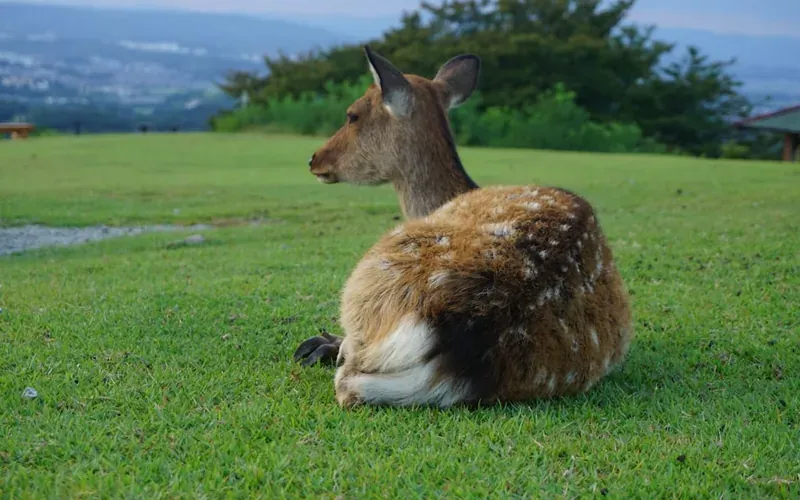
Nara is 45 minutes from Kyoto by JR Nara Line (¥720 return, IC card). The deer park is completely free — 1,200 wild deer roam the park and surrounding temple grounds freely. Todai-ji temple housing Japan’s largest bronze Buddha charges ¥800 entry — worth it.
Budget the full day: ¥3,500–4,500 including train, temple entry, and lunch. Full hour-by-hour breakdown: Nara Day Trip Budget Guide — Under ¥4,000.
Evening: Take the JR train from Nara to Osaka (¥820, IC card) rather than returning to Kyoto — saves backtracking and gets you to your Osaka base for the night. Check into your Osaka hostel.
Day 9 spend: ¥4,500–5,500
Days 10–13: Osaka
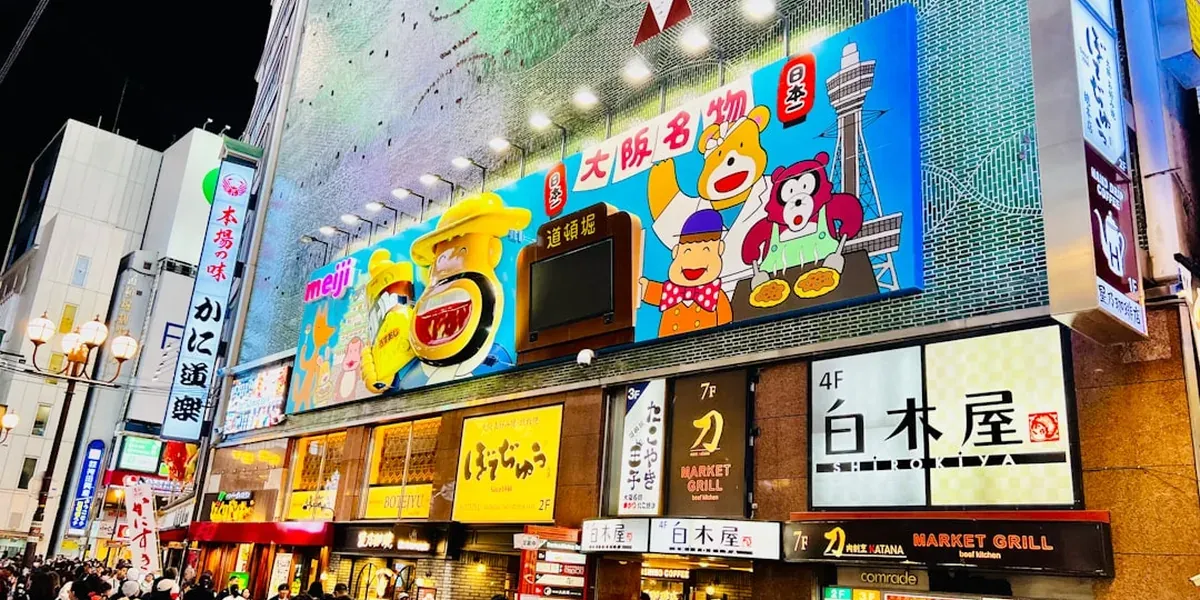
Where to stay in Osaka
Namba area — best location for budget travelers. Walking distance to Dotonbori, Kuromon Market, and Shinsaibashi. Hostel dorms: ¥2,500–3,500/night. Capsule hotels: ¥2,800–4,500/night — noticeably cheaper than equivalent Tokyo and Kyoto options.
Book: Booking.com — Osaka Namba budget accommodation
Full guide: Japan Budget Accommodation Guide
Day 10 — Osaka arrival + Dotonbori
Morning: Arrive from Nara, check in or drop bags. Konbini breakfast.
Afternoon: Kuromon Ichiba Market walk — Osaka’s 580-metre covered food market, free to enter, cheap grazing (oysters ¥200–300, scallops ¥300–400, tamagoyaki ¥200).
Evening: Dotonbori canal walk at dusk — free. Street food dinner: takoyaki (¥600), then walk Shinsaibashi shopping arcade (free).
Full Osaka food and street guide: Kyoto to Osaka Budget Street Food Guide.
Day 10 spend: ¥2,500–3,500
Day 11 — Shinsekai + Osaka Castle
Morning: Osaka Castle Park grounds — free. The castle museum charges ¥600 — worth it for the interior exhibit and rooftop views over the city.
Afternoon: Shinsekai district for kushikatsu lunch. Budget ¥1,500–2,000 for 8–10 skewers and a drink at a standing counter.
Evening: Janjanyokocho covered alley in Shinsekai — retro, local, atmospheric. Walk for free, eat cheaply.
Day 11 spend: ¥3,500–4,500
Want more ideas? See our full free things to do in Osaka guide for walking routes, hidden spots, and a complete budget day itinerary.
Day 12 — Namba Parks + street food final night
Morning: Namba Parks rooftop garden — free, almost nobody knows about it, great views.
Afternoon: Final konbini run — stock up on Japanese KitKat flavours, seasonal snacks, and instant noodle varieties for souvenirs. Cheaper than any souvenir shop.
Evening: Final Dotonbori dinner — splurge on sit-down okonomiyaki ¥1,000–1,400 or a proper ramen bowl. This is your last night in Osaka.
Day 12 spend: ¥2,000–3,500
Days 13–14: Departure
Day 13: Flex day — use it for anything missed, return to a favourite spot, or take a half-day trip to Sumiyoshi Taisha shrine (free, south Osaka, 20 minutes by tram).
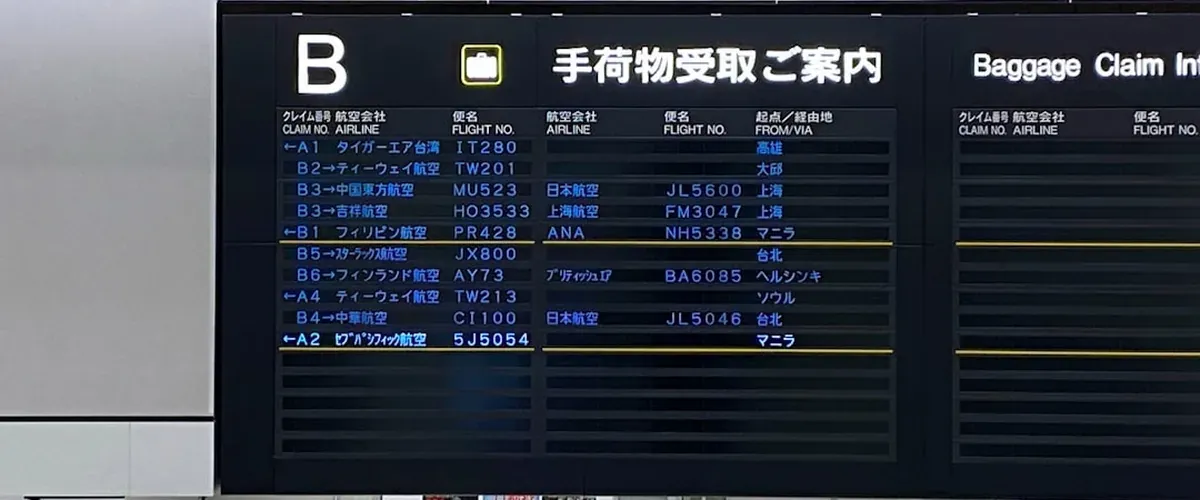
Day 14: Depart from Osaka or Kobe Airport, or take the Haruka Express back to Kansai International Airport (IC card covers it). Spend any remaining IC card balance at the airport 7-Eleven.
Note: From November 2026, Japan’s tax-free shopping system changes. The instant 10% discount at point of sale is replaced with a pay-now, refund-at-airport system. Allow extra time at the departure airport and keep all receipts if you plan to claim it back.
The Full Budget Breakdown
Accommodation (12 nights, 2 nights on overnight bus)
| City | Nights | Type | Cost/night | Total |
|---|---|---|---|---|
| Tokyo | 4 | Capsule hotel | ¥3,800 | ¥15,200 |
| Kyoto | 3 | Hostel dorm | ¥3,200 + ¥300 tax | ¥10,500 |
| Osaka | 4 | Hostel dorm | ¥2,800 | ¥11,200 |
| Overnight bus nights | 2 | Built into transport | ¥0 | ¥0 |
| Total | 13 nights | ¥36,900 |
Transport
| Journey | Method | Cost |
|---|---|---|
| Tokyo → Kyoto | Overnight bus | ¥4,000 |
| Kyoto → Nara → Osaka | JR trains | ¥1,540 |
| Daily IC card transport (14 days avg ¥700) | IC card | ¥9,800 |
| Airport transport x2 | Train/bus | ¥3,000 |
| Total | ¥18,340 |
Food (14 days)
| Strategy | Daily avg | 14-day total |
|---|---|---|
| Breakfast (konbini daily) | ¥400 | ¥5,600 |
| Lunch (konbini or market) | ¥700 | ¥9,800 |
| Dinner (mix: restaurant + konbini) | ¥1,000 | ¥14,000 |
| Snacks and drinks | ¥300 | ¥4,200 |
| Total | ¥2,400/day | ¥33,600 |
Full konbini strategy: Japan Convenience Store Food Guide
Activities
| Item | Cost |
|---|---|
| Kinkaku-ji (Golden Pavilion) | ¥500 |
| Ryoan-ji Rock Garden | ¥600 |
| Todai-ji Temple Nara | ¥800 |
| Osaka Castle museum | ¥600 |
| All other activities | ¥0 (free) |
| Total | ¥2,500 |
Complete trip total
| Category | Total |
|---|---|
| Accommodation | ¥36,900 |
| Transport | ¥18,340 |
| Food | ¥33,600 |
| Activities | ¥2,500 |
| Buffer (SIM, toiletries, misc) | ¥10,000 |
| Grand total | ¥101,340 (~$676 USD) |
Budget $1,000–1,200 per person to travel comfortably with a real buffer. Budget $1,500 if this is your first Japan trip and you want genuine flexibility for spontaneous meals, an extra temple, or a day where you just spend more.
What This Itinerary Skips — And Why
JR Pass: Not needed for this route. Individual tickets are cheaper since the 70% price hike in 2023 and another increase coming in late 2026. For Tokyo–Kyoto–Osaka only, buying individual tickets saves money every time. Full analysis: JR Pass 2026: Is It Worth It?
Hakone and Mount Fuji: A great addition if you have 16+ days, but adds significant transport cost and complexity to a 14-day trip. Save it for your second visit.
Kamakura: The cheapest Tokyo day trip at ¥3,000–4,000 total — temples, a bamboo grove, and a Pacific beach. Fits easily into Day 4 or 5 if you have time.
Hiroshima: Worth a day trip from Osaka (¥10,500 Shinkansen return) if you extend to 16 days. Not practical in 14 days without sacrificing Nara or Osaka days.
Hiroshima, Fukuoka, Sapporo: All excellent destinations that each deserve their own cluster guide. Hiroshima’s Peace Memorial and Miyajima Island are doable for under ¥8,000/day, and Fukuoka is Japan’s cheapest major city at ¥6,500/day.
Frequently Asked Questions
How much does 2 weeks in Japan cost on a budget?
A realistic 2-week Japan budget trip costs ¥100,000–130,000 per person ($670–870 USD) excluding international flights. This covers hostel or capsule hotel accommodation, mostly convenience store and budget restaurant meals, city transport via IC card, and free or low-cost activities. Adding a $600–1,200 flight budget puts the total at $1,270–2,070 per person for the full trip.
Do I need a JR Pass for a 2-week Japan trip?
For the standard Tokyo–Kyoto–Osaka itinerary, no. The JR Pass price increased 70% in October 2023, making individual Shinkansen tickets cheaper for most two-week itineraries that don’t involve extensive regional travel. Use an IC card for city transport and buy individual Shinkansen tickets only when needed.
What is the cheapest way to get from Tokyo to Kyoto?
The overnight highway bus starting from ¥3,500 is the cheapest option. It departs around 10–11pm and arrives in Kyoto at dawn, effectively saving one night’s accommodation on top of the ticket saving. Full breakdown of all options: Cheapest Ways from Tokyo to Kyoto.
How many days should I spend in Tokyo, Kyoto and Osaka?
For a first-time 2-week trip: 4–5 days in Tokyo, 3 days in Kyoto, 1 day for a Nara day trip, and 3–4 days in Osaka. This gives enough time to experience each city without rushing, while leaving a flex day for weather or spontaneous detours.
Is Japan expensive for budget travelers?
Budget travelers can manage Japan comfortably on ¥12,000–15,000 ($80–100) per day using hostels, convenience store meals, free attractions, and local transport. The weak yen in 2024–2026 has made Japan more affordable than it has been in years.
What IC card should I get for a Japan trip?
Get a Welcome Suica at Tokyo’s Narita or Haneda Airport if you’re arriving in Tokyo, or an ICOCA at Kansai International Airport if arriving in Osaka. iPhone users can set up Mobile Suica via Apple Wallet before leaving home. Full comparison: Suica vs ICOCA vs PASMO Guide.
Where is the best base for budget travelers in each city?
Tokyo: Asakusa. Kyoto: Fushimi or Kyoto Station area. Osaka: Namba. All three have the highest concentration of budget accommodation and best walkability to key sights. Full accommodation guide: Japan Budget Accommodation Guide.
Planning what to bring? See our Japan budget packing list — including exactly what to buy at konbini instead of packing.
Prices correct as of May 2026. Exchange rate approximately ¥150 = $1 USD. All Booking.com links are affiliate links — we earn a small commission if you book through them at no extra cost to you.