Japan Budget Accommodation Guide: Capsule Hotels, Hostels & Manga Cafes Explained (2026)
Budget accommodation in Japan explained — capsule hotels, hostels, manga cafes and guesthouses in Tokyo, Kyoto and Osaka with real prices.
Accommodation is the biggest variable in your Japan budget. Get it right and you’re sleeping well for ¥2,800 a night. Get it wrong and you’re paying ¥12,000 for a business hotel room the size of a parking space. The difference between a great budget trip and a stressful one often comes down to understanding what each accommodation type actually is — not the glossy version from booking sites.
This guide covers every realistic budget option: capsule hotels, hostels, guesthouses, and the surprisingly practical manga cafe overnight. We’ve broken down exactly what each costs in Tokyo, Kyoto, and Osaka — the three cities covered in our free Kyoto guide, Osaka street food guide, and Tokyo to Kyoto transport guide. For the cheapest hostels of any major city, see our Fukuoka budget guide — dorms from ¥2,200/night.
The Japan Budget Accommodation Landscape
Japan has one of the most creative accommodation ecosystems in the world — born from necessity. Land is expensive, space is limited, and Japanese design culture applies the same obsessive quality standard to a ¥3,000 capsule pod that a Swiss hotel applies to a ¥30,000 suite. The result is that budget accommodation in Japan is genuinely good. Not “fine for the price” — actually good.
Here’s your complete options map before we go deep on each:
| Type | Price range per night | Best for | Privacy level |
|---|---|---|---|
| Manga cafe booth | ¥1,500–2,500 | Emergency/ultra-budget | Low |
| Hostel dorm (mixed) | ¥2,500–3,500 | Solo travelers, social vibe | Low |
| Hostel dorm (female only) | ¥2,800–3,800 | Solo female travelers | Low-medium |
| Capsule hotel (basic) | ¥2,800–4,000 | Solo travelers, comfort focus | Medium |
| Capsule hotel (premium) | ¥4,000–6,500 | Solo travelers wanting quality | Medium-high |
| Private hostel room | ¥5,500–9,000 | Couples, light sleepers | High |
| Budget business hotel | ¥7,000–12,000 | Couples, professionals | High |
| Guesthouse (private) | ¥6,000–10,000 | Couples, cultural experience | High |
Quick verdict: Solo budget traveler → capsule hotel. Social traveler → hostel dorm. Couple on a budget → private hostel room or budget business hotel. Absolute minimum spend → manga cafe. First time in Japan wanting cultural experience → guesthouse.
Option 1: Capsule Hotels — The Budget Traveler’s Best Sleep
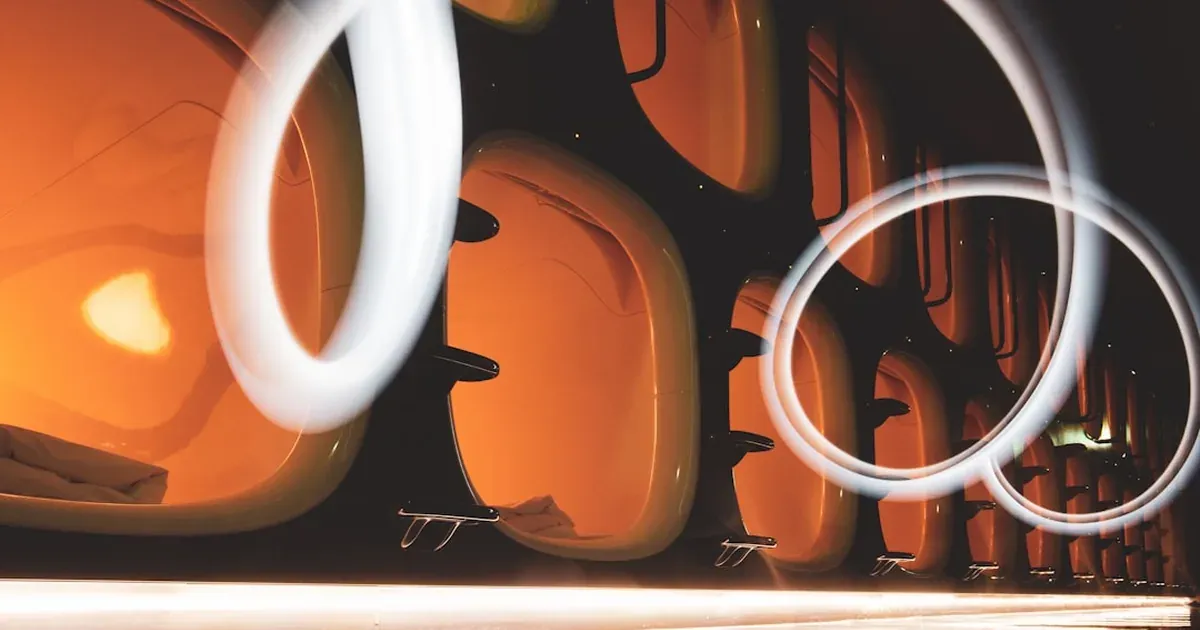
The capsule hotel is Japan’s signature budget accommodation and nothing like its reputation suggests. The 1980s image of a tiny coffin-sized tube has been completely replaced by modern facilities — most new capsule hotels offer pods that are 2m long, 1.2m wide, and 1m tall, with a proper mattress, individual lighting, a power outlet, USB charging, a personal safe for valuables, and a privacy curtain or sliding door.
What you don’t get: a private bathroom (shared facilities, always separated by gender), space to store a large suitcase inside your pod (luggage goes in dedicated lockers, usually free), and a door that locks from the inside (curtains or screens only).
What a capsule hotel stay actually looks like
You check in at the front desk, receive a locker key and a wristband that identifies your locker number throughout the property. You change into provided pyjamas (included at most modern capsule hotels), store your clothes and valuables in your locker, and use the wristband to access your pod area, the bathrooms, lounges, and any onsen facilities.
Most modern capsule hotels have separate floors or wings for men and women — you cannot access each other’s areas. The shared bathrooms are almost universally spotless. Many properties include a communal lounge, vending machines, a hair dryer station, and sometimes a rooftop onsen.
The two types of capsule hotel
Basic capsule (¥2,800–3,800): Older properties or budget-focused chains. The pod is functional — mattress, light, outlet, curtain. Shared bathrooms are basic but clean. Good enough for a few nights if you’re spending most of your time out exploring.
Premium capsule (¥4,000–6,500): The category that’s grown fastest in the last five years. Properties like The Millennials, 9h (Nine Hours), and First Cabin offer semi-private pods with sliding screens instead of curtains, higher-quality mattresses, individual climate control, a small shelf and mirror, and designer shared bathroom areas with rain showers. For ¥1,000–2,000 more than a basic capsule, the upgrade is significant.
Best capsule hotels by city
Tokyo:
- 9h (Nine Hours) Shinjuku — designer aesthetic, great location, ¥4,200–5,500
- Khaosan Tokyo Kabuki — good budget option near Asakusa, ¥2,800–3,500
- The Millennials Shibuya — reclining smart pods, lounge with breakfast, ¥5,000–6,500
Kyoto:
- 9h Kyoto — same high-quality brand, walking distance to Nishiki Market, ¥4,000–5,000
- Piece Hostel Sanjo — hybrid hostel/capsule, great common areas, ¥3,200–4,200
Osaka:
- The Dorm Osaka — modern, excellent location near Namba, ¥3,000–4,000
- First Cabin Midosuji Namba — premium “first class seat” style pods, ¥4,500–6,000
👉 Search capsule hotels in Tokyo on Booking.com — filter by guest rating 8.5+ to cut through the low-quality options instantly.
Option 2: Hostels — Best for Social Travelers
Japan’s hostels punch well above the global average. The combination of Japanese cleanliness standards, competitive pricing pressure, and a strong backpacker culture means even budget hostels in Tokyo maintain facilities that would be considered good in most European cities.
A hostel dorm in Japan typically includes: a bunk bed with a privacy curtain, individual reading light and power outlet per bunk, personal locker (sometimes requiring your own padlock — pack one), shared bathrooms separated by gender, a communal kitchen, and a lounge area.
Hostel vs capsule hotel — which to choose
The question most budget travelers struggle with. Here’s the honest breakdown:
Choose a hostel dorm if:
- You’re traveling solo and want to meet people — hostel common areas generate friendships in a way capsule hotels don’t
- You want a communal kitchen to cook your own food and cut costs further
- You’re comfortable with bunk beds and potentially more noise
- You want the cheapest possible bed — hostels edge out capsules by ¥200–400/night on average
Choose a capsule hotel if:
- You’re a light sleeper — capsule pods reduce noise significantly compared to open dorms
- You don’t care about meeting other travelers
- You want slightly more personal space and structure
- You value the onsen or quality bathroom facilities many premium capsules offer
Best hostels by city
Tokyo:
- Khaosan Tokyo Laboratory (Asakusa) — legendary backpacker hostel, great rooftop, ¥2,600–3,200
- Nui Hostel & Bar Lounge (Asakusa) — stylish, great bar, social atmosphere, ¥2,800–3,500
- Bunka Hostel Tokyo — beautifully designed, excellent location, ¥3,000–3,800
Kyoto:
- Piece Hostel Sanjo — best overall value in Kyoto, excellent common areas, ¥2,800–3,500
- Gojo Guest House — traditional machiya townhouse conversion, ¥3,200–4,000
- Len Kyoto Kawaramachi — hotel/hostel hybrid with a great cafe, ¥3,500–4,500
Osaka:
- Hana Hostel Namba — central, clean, social, ¥2,500–3,200
- J-Hoppers Osaka — top-rated for atmosphere and staff, ¥2,800–3,500
👉 Search hostels in Osaka on Booking.com — the Namba and Shinsaibashi areas give best walking access to everything in our Osaka budget guide.
Option 3: Manga Cafes — Japan’s Most Unusual Budget Sleep
Manga cafes — also called net cafes or internet cafes (インターネットカフェ) — are legitimately used as overnight accommodation by budget travelers, Japanese businesspeople who missed the last train, and anyone needing a cheap night in an emergency. This is not a fringe thing. Many manga cafes are purpose-built for overnight stays with shower facilities, vending machines, and 24-hour staff.
What a manga cafe overnight actually is
You pay for a private booth — a small cubicle with a reclining chair or flat seat, a desktop computer, screens showing manga/anime or whatever you want to watch, and sometimes a blanket. Larger “flat seat” booths allow you to lie down properly. Showers are available for a small extra fee (¥200–400 typically).
The booths are not soundproofed — you’ll hear keyboard clicks, vending machine hums, and occasional coughing through the thin walls. The chair is not a bed. This is not comfortable sleep. But it is shelter, warmth, internet access, and unlimited manga for ¥1,500–2,500 — less than half the cost of any other option.
When to use a manga cafe
Emergency situations: Missed the last train (last trains in Japan run around midnight — missing one means a ¥3,000+ taxi or waiting until 5am for the first train). A manga cafe bridges that gap cheaply.
Extreme budget nights: If you’re doing a 2-week Japan trip on an absolute minimum spend, swapping one or two hostel nights for manga cafe nights cuts your accommodation budget meaningfully.
Never as your main accommodation: A manga cafe is a tool, not a strategy. One or two nights maximum. Extended stays are genuinely uncomfortable and most cafes limit how long you can stay per session.
How to find and use one
Look for signs saying ネットカフェ (internet cafe) or まんが喫茶 (manga kissa) near major train stations. Chains to look for: Aprecio, Manboo, and ComicBuster — all have English-friendly check-in kiosks now. Present your passport (required by law for overnight stays), choose your booth type, and pay for a block of hours.
Option 4: Guesthouses and Ryokan-Style Stays
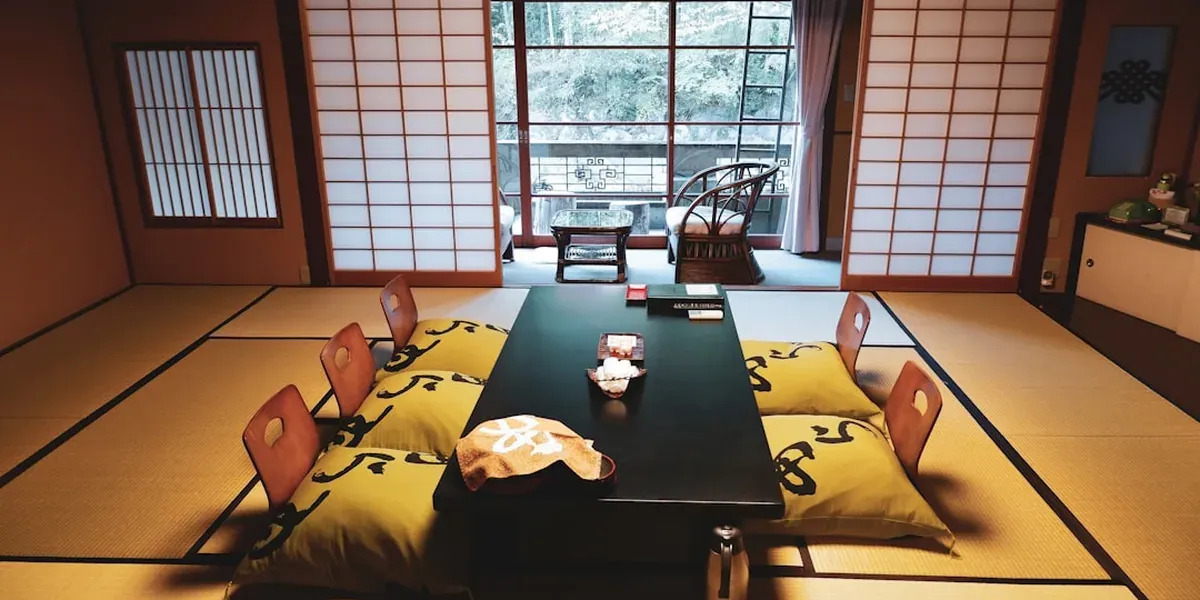
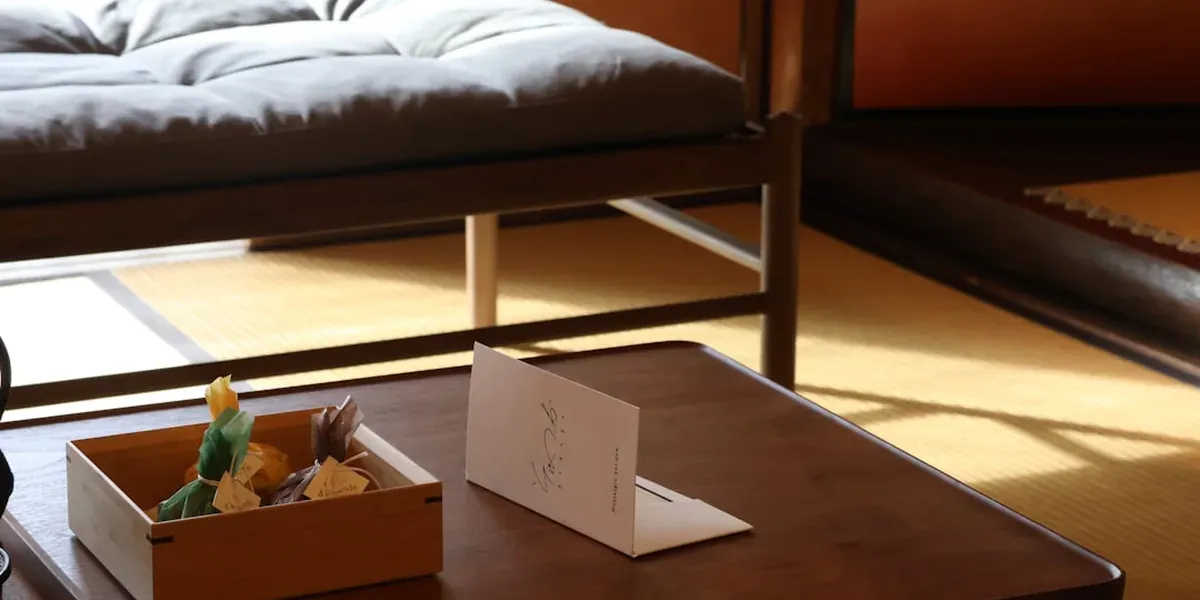
Guesthouses occupy the space between hostel and traditional ryokan — they’re family-run properties, often in converted machiya townhouses (especially in Kyoto), offering private tatami rooms with futon bedding, shared bathrooms, and a genuinely local atmosphere. Prices typically run ¥5,000–8,000 per room for one or two people — good value if you’re traveling as a couple or if the cultural experience matters to you.
In Kyoto specifically, guesthouses in traditional townhouses are a travel experience in themselves — waking up on a futon, opening shoji screens to a small garden, hearing temple bells in the morning. That experience costs ¥5,500–7,000 per night for two people, which is competitive with two hostel dorm beds (¥2,800 each = ¥5,600).
Best areas for guesthouses:
- Kyoto: Higashiyama, Gion, Fushimi areas — close to free temples from our Kyoto guide
- Tokyo: Asakusa — the most traditional neighborhood in Tokyo, easy access to Senso-ji and all the free things to do in Tokyo
- Osaka: Shinsekai area — local feel, walking distance to kushikatsu restaurants from our Osaka guide
👉 Search guesthouses in Kyoto on Booking.com — filter by “Bed and Breakfast” and sort by guest rating to find the best small properties.
Budget Accommodation by City — The Practical Guide
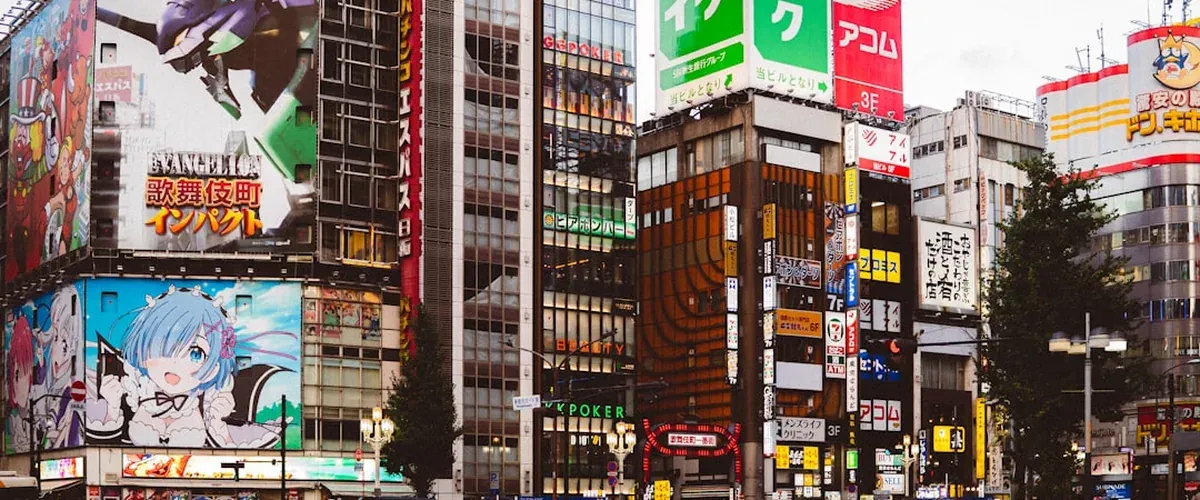
Tokyo — Where to Stay on a Budget
Tokyo is the most expensive city in Japan for accommodation — budget accordingly. The cheapest realistic options are ¥2,600–3,500/night for a hostel dorm or ¥2,800–4,000 for a capsule hotel.
Best budget neighborhoods:
Asakusa: The most traditional neighborhood in Tokyo, home to Senso-ji temple, great street food, and the highest concentration of budget hostels and capsule hotels. 20–30 minutes from most major sights by subway. This is the top pick for most budget travelers — you get location, character, and reasonable prices.
Shinjuku: The entertainment hub. More expensive than Asakusa for accommodation but walking distance to the best izakaya, ramen, and the iconic Golden Gai bar district. Capsule hotels here tend to be newer and higher quality. Worth the extra ¥300–500/night if nightlife matters to you.
Ueno: Between Asakusa and Akihabara, slightly cheaper than both, with good transport links. A practical if less characterful base.
Budget strategy for Tokyo: Book at least 3 weeks in advance for anything under ¥4,000/night. Tokyo accommodation fills fast and last-minute prices spike dramatically.
Kyoto — Where to Stay on a Budget
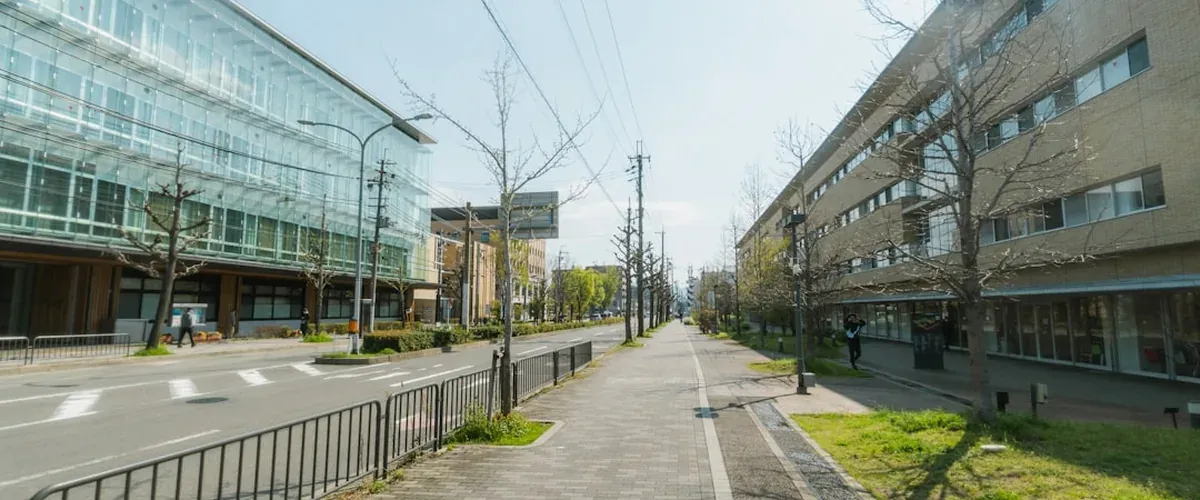
Kyoto accommodation is slightly cheaper than Tokyo overall. Budget hostel dorms run ¥2,800–3,800 and capsule hotels ¥3,200–5,000. The guesthouse/machiya option is uniquely strong here — Kyoto has more traditional guesthouses than any other city in Japan.
Best budget neighborhoods:
Fushimi/Tofukuji: Quiet, residential, 15 minutes by train from central Kyoto, very close to Fushimi Inari. Accommodation here runs 10–15% cheaper than central areas. Perfect if you’re following the early morning Fushimi Inari strategy from our Kyoto guide.
Kyoto Station area: Convenient but lacks character. Good for transport — the Hankyu to Osaka and JR lines to everywhere depart from here. Capsule hotels around the station are modern and reasonably priced.
Higashiyama: The most atmospheric area, walking distance to Gion and the temple district. Premium prices even for budget options — add ¥500–800/night for the location.
Kyoto budget tip: If you’re doing Tokyo, Kyoto, and Osaka, consider spending fewer nights in Kyoto and more in Osaka (cheaper) with Hankyu day trips to Kyoto. The ¥820 Hankyu return costs less than one night’s price difference between the cities.
Osaka — The Budget Traveler’s Base
Osaka is the cheapest of the three major cities for accommodation and often makes the most sense as your Kansai base. Budget hostel dorms run ¥2,500–3,500 and capsule hotels ¥2,800–4,500.
Best budget neighborhoods:
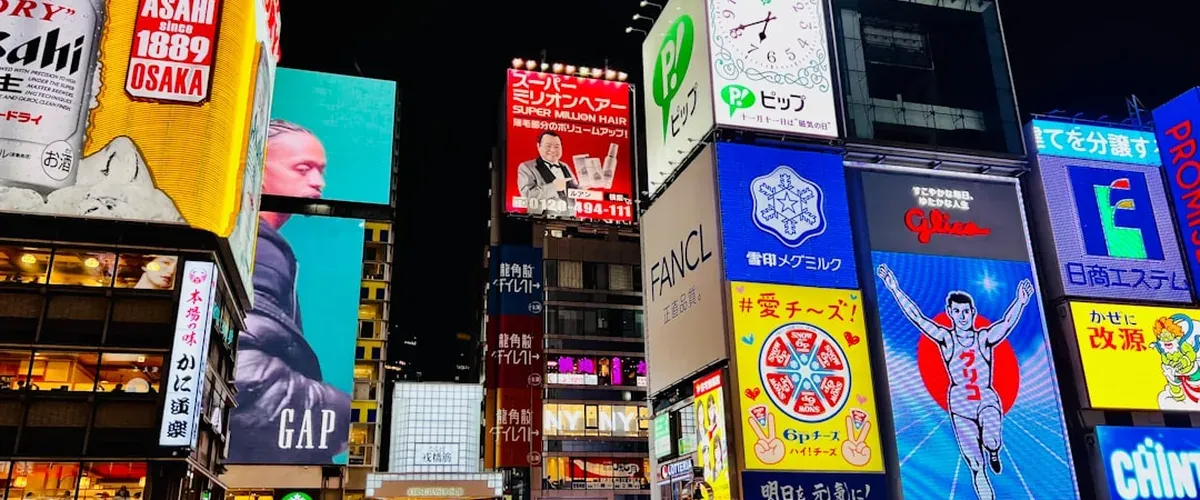
Namba: The epicenter. Walking distance to Dotonbori, Kuromon Market, Shinsaibashi, and all the street food from our Osaka budget food guide. The best concentration of budget accommodation in Osaka. Start your search here.
Shinsekai: Even cheaper than Namba, more local feel, great for budget eating. The kushikatsu restaurants are outside your door. Slightly further from the main tourist sights but excellent value.
Umeda: The business district — more expensive for budget options, better positioned for day trips to Kyoto via Hankyu or Nara by JR. Worth considering if you’re doing heavy day-tripping.
Osaka budget advantage: The accommodation savings versus Kyoto and Tokyo are real — ¥400–800/night cheaper on average. Over a 5-night stay that’s ¥2,000–4,000 back in your pocket for street food.
👉 Search budget accommodation in Osaka on Booking.com — filter by the Namba/Chuo-ku area and guest rating 8.0+.
The Budget Accommodation Decision Framework
Use this before booking anything:
Traveling solo and social?
└── Yes → Hostel dorm (¥2,500–3,500)

Traveling solo but light sleeper or private person?
└── Yes → Capsule hotel (¥2,800–4,500)

Traveling as a couple?
└── Yes → Private hostel room (¥5,500–9,000) or budget business hotel

Want a cultural Japanese experience?
└── Yes → Guesthouse / machiya (¥5,000–8,000 for a private room)

Absolute minimum budget, one night emergency?
└── Yes → Manga cafe overnight pack (¥1,500–2,200)

First time in Japan, unsure?
└── Tokyo: Capsule hotel in Asakusa
    Kyoto: Guesthouse or hostel near Fushimi
    Osaka: Hostel dorm in Namba
Packing for Budget Accommodation — What You Actually Need
Most first-timers overpay on accommodation because they book private rooms out of anxiety about missing things. Here’s what you actually need to be comfortable in capsule hotels and hostels:
Pack these: Earplugs (non-negotiable for dorms), a small padlock (some hostels require your own), a microfibre towel (saves the ¥100–200 towel rental fee at some properties), a sleep mask, and flip-flops for shared bathrooms.
Don’t worry about: Bedding (always provided), pillow (always provided), shower products (available at the property or the konbini downstairs — see our Japan convenience store guide for exactly what to buy).
For the complete breakdown including seasonal items, overnight bus essentials, and what to buy at konbini on arrival, see our Japan Budget Packing List.
Full Cost Breakdown — Accommodation Budget for a 14-Day Japan Trip
A realistic 14-day itinerary splitting time between Tokyo (5 nights), Kyoto (3 nights), and Osaka (4 nights) with 2 nights on overnight transport:
| City | Nights | Type | Cost/night | Total |
|---|---|---|---|---|
| Tokyo | 5 | Capsule hotel | ¥3,800 | ¥19,000 |
| Kyoto | 3 | Hostel dorm | ¥3,200 | ¥9,600 |
| Osaka | 4 | Hostel dorm | ¥2,800 | ¥11,200 |
| Overnight bus | 1 | Built into transport | ¥0 | ¥0 |
| Overnight bus | 1 | Built into transport | ¥0 | ¥0 |
| Total | 14 nights | ¥39,800 |
¥39,800 for 14 nights (~$265 USD) — under $19/night average across the whole trip. The two overnight buses (covered in our Tokyo to Kyoto transport guide) effectively give you two free nights by replacing accommodation with transit.
Frequently Asked Questions
What is a capsule hotel in Japan?
A capsule hotel is a budget accommodation type where guests sleep in individual pod-shaped units arranged in rows, rather than traditional hotel rooms. Each pod typically includes a mattress, pillow, blanket, individual lighting, power outlets, USB charging, and a privacy curtain or sliding screen. Bathrooms are shared and separated by gender. Modern capsule hotels in Japan cost ¥2,800–6,500 per night.
Are capsule hotels safe for tourists?
Yes. Japanese capsule hotels are extremely safe — the communal areas are staffed 24/7, lockers are provided for valuables, and capsule hotel areas are separated by gender. Petty crime in Japan is extremely rare, and most properties are in convenient central locations well-served by public transport.
Can couples stay in a capsule hotel in Japan?
Generally no. Capsule hotels separate male and female guests into different areas or floors and do not offer double pods. Couples are better served by booking a private room at a hostel, a guesthouse, or a budget business hotel.
What is a manga cafe and can you sleep there?
A manga cafe (also called a net cafe) is a Japanese establishment offering private booths with internet access, manga libraries, and reclining seats. Many operate 24 hours and are used as overnight accommodation by budget travelers and locals who miss the last train. Overnight packages (ナイトパック) typically cost ¥1,500–2,200 for 8 hours and often include shower access.
What is the cheapest accommodation in Japan?
The cheapest overnight accommodation options in Japan are manga cafes (¥1,500–2,200 for an overnight pack) followed by hostel dorm beds (¥2,500–3,500) and basic capsule hotels (¥2,800–3,800). Budget business hotels start at around ¥6,000–7,000 for a private room.
How far in advance should I book accommodation in Japan?
For Tokyo, Kyoto, and Osaka, book 3–4 weeks in advance for budget options under ¥4,000/night. During cherry blossom season (late March–early April), Golden Week (late April–early May), and autumn foliage (November), book 6–8 weeks in advance — quality budget accommodation in these periods sells out extremely fast. If your dates are flexible, visiting in January, February, or June can save 20–40% on accommodation.
Planning what to bring? See our Japan budget packing list — including exactly what to buy at konbini instead of packing.
Prices correct as of May 2026. Exchange rate approximately ¥150 = $1 USD. All Booking.com links are affiliate links — we earn a small commission if you book through them at no extra cost to you.