Hakone Day Trip From Tokyo on a Budget 2026: Is the Free Pass Worth It?
Hakone day trip from Tokyo on a budget — highway bus for ¥2,200, honest Free Pass breakdown, cheap onsen from ¥800, and how to see Mount Fuji for under ¥6,000.
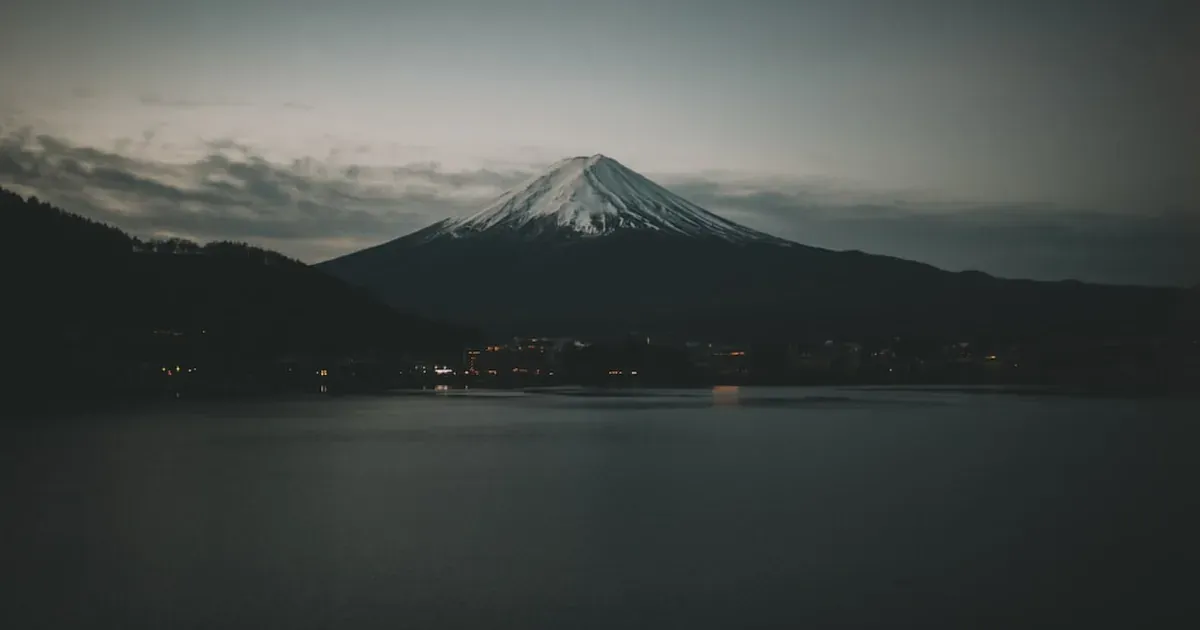
Hakone is the most popular day trip from Tokyo — volcanic valleys, a lake with Mount Fuji views, forest hiking trails, and onsen hot springs all within 90 minutes of Shinjuku. It’s also the day trip with the most confusing transport options, a famous pass that may or may not save you money, and the highest chance of spending significantly more than you planned.
This guide cuts through all of it. The honest Hakone Free Pass calculation is here. The cheapest way to get from Tokyo is here. The day-use onsen options under ¥1,000 are here. A realistic budget day in Hakone costs ¥5,500–8,000 including return transport, onsen, and food — and you don’t need the JR Pass, a car, or a guided tour.
Hakone at a Glance
- From Shinjuku by highway bus: ¥2,200 one way, 1h 45min
- From Shinjuku by Romancecar (express train): ¥2,470 one way, 85min
- From Shinjuku by regular train: ¥1,520 one way, 95min
- Hakone Free Pass (2-day): ¥6,500 from Shinjuku
- Hakone Free Pass (1-day): ¥5,000 from Shinjuku
- Day-use onsen: ¥800–2,000
- Best months for Fuji views: January, February, December
- Days needed: 1 full day minimum
Getting to Hakone From Tokyo
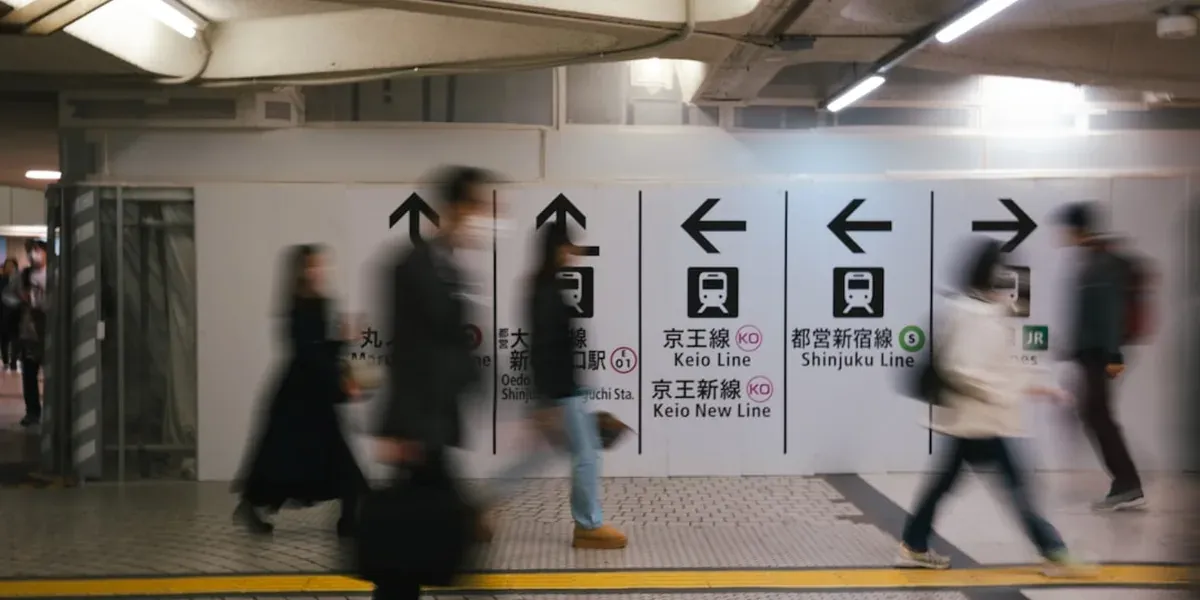
Option 1 — Highway Bus (best for budget travelers)
The Odakyu Highway Bus from Shinjuku Station to Hakone-Yumoto or Togendai runs for ¥2,200 one way — cheaper than the Romancecar and nearly as fast. Buses run every 30–60 minutes from the Shinjuku Expressway Bus Terminal (attached to Shinjuku Station south exit, clearly signed). Book in advance at odakyu-highwaybus.com or buy on the day if seats are available.
Highway buses are recommended for those who want to reduce costs even more than trains — direct buses operate from Tokyo Station and Shinjuku to Hakone, with particularly abundant services from Shinjuku. For travelers with large luggage, the baggage space on buses is very convenient.
Budget verdict: take the bus going there, consider the Romancecar coming back — the Romancecar seats are more comfortable for an evening return and the sunset views from the observation car are worth the extra ¥950.
Option 2 — Odakyu Romancecar (most comfortable)
The Romancecar is Odakyu’s express train with reserved, forward-facing observation seats. From Shinjuku to Hakone-Yumoto: ¥2,470 one way including the express surcharge. Journey time: 85 minutes. Book at Odakyu’s ticketing counters or online — popular morning departures sell out weeks ahead in peak season.
Option 3 — Regular Odakyu Train (cheapest but slowest)
The standard Odakyu Romancecar route without the express surcharge — take the regular Odakyu Line from Shinjuku to Odawara (¥910, 80 min) then the Hakone Tozan Railway from Odawara to Hakone-Yumoto (¥320, 15 min). Total: ¥1,230 one way, 95 minutes. Cheapest option if you’re not buying the Free Pass. Seats are not reserved — go early or stand on busy days.
Does the JR Pass cover Hakone?
No. The JR Pass does not cover the Odakyu Line or Hakone Tozan Railway. Use the JR Line from Tokyo to Odawara (covered by JR Pass) and then transfer to Hakone Tozan Railway from Odawara — but this is slower and less convenient than the Odakyu options above. If you have a JR Pass, the JR route saves money. If you don’t, use Odakyu. Full IC card and transport pass breakdown: Suica vs ICOCA vs PASMO Guide.
The Hakone Free Pass — Honest Calculation
This is the question every Hakone guide dodges. Here’s the real answer.
What the Hakone Free Pass covers:
- Odakyu Romancecar from Shinjuku to Hakone-Yumoto (return)
- Hakone Tozan Railway (mountain train)
- Hakone Tozan Cable Car
- Hakone Ropeway
- Hakone Cruise (pirate ship on Lake Ashi)
- Hakone Tozan Bus
- Discounts at 50+ attractions and restaurants
The math for a single day:
| Transport leg | With Free Pass | Without (individual) |
|---|---|---|
| Shinjuku → Hakone-Yumoto (Romancecar) | Included | ¥2,470 |
| Hakone Tozan Railway | Included | ¥670 |
| Cable Car | Included | ¥680 |
| Hakone Ropeway (full route) | Included | ¥1,800 |
| Pirate Ship cruise | Included | ¥1,200 |
| Hakone Tozan Bus (various) | Included | ¥500–800 |
| Total | ¥5,000 | ¥7,320–7,620 |
On paper, the Free Pass saves ¥2,320–2,620 on a single day.
The honest caveat:
The Free Pass forces you to use the Romancecar (the most expensive transport option) and makes financial sense only if you ride all the included transport. If you’re taking the budget highway bus (¥2,200 one way versus ¥2,470 Romancecar one way), skipping the pirate ship, or not doing the full ropeway circuit, the calculation changes significantly.
BudgetYen recommendation:
If you plan to do: Romancecar both ways + Ropeway + Cable Car + Pirate Ship + multiple Tozan buses → buy the Free Pass.
If you plan to do: Highway bus + Ropeway only + skip the pirate ship → skip the Free Pass, pay individually, and save ¥1,000–1,500.
What to Do in Hakone — The Budget Route
Owakudani Volcanic Valley
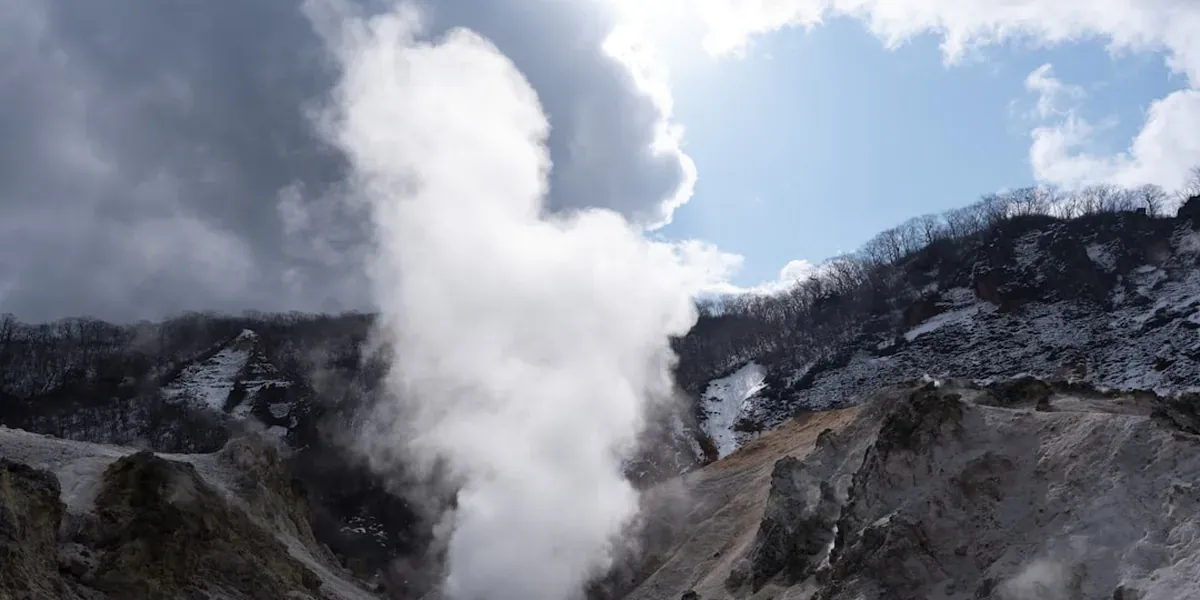
The Hakone Ropeway passes directly over Owakudani — an active volcanic valley with sulphur vents, boiling springs, and the famous kuro-tamago (black eggs boiled in the volcanic springs). The eggs turn black from the sulphur and supposedly add seven years to your life — five eggs for ¥600, sold at the Owakudani station shop.
The ropeway: ¥1,800 return for the full Togendai–Owakudani–Sounzan route (if buying individually). The views from the gondola — volcanic valley below, Lake Ashi ahead, Mount Fuji on the horizon — are the best in Hakone. If you’re doing one paid activity, this is it.
Free viewing: You can see Owakudani from the ropeway gondola without disembarking at the station. If budget is extremely tight, riding the ropeway one stop rather than the full route cuts the cost significantly.
Walking trails in Owakudani: Once at the station, a free 30-minute walking trail loops through the volcanic field past steam vents and sulphur deposits. Wear shoes with grip — the ground is uneven. The trail closes in bad weather and occasionally during heightened volcanic activity — check before you go at the official Hakone tourism site.
Lake Ashi — Mount Fuji View Point
Lake Ashi (Ashinoko) at the base of Mount Fuji is the centrepiece of Hakone. On a clear day the volcano’s reflection in the lake is one of the most photographed sights in Japan. On a cloudy day the mountain is invisible — which happens more often than most guides admit.
Free activities on Lake Ashi:
- Walking the lakeside path (Hakone-machi to Moto-Hakone, 3km, free)
- Viewing the lake from the Hakone Shrine torii gate (which appears to rise from the water at the shoreline — free, very photogenic)
- Sitting at any of the lakeside viewing areas
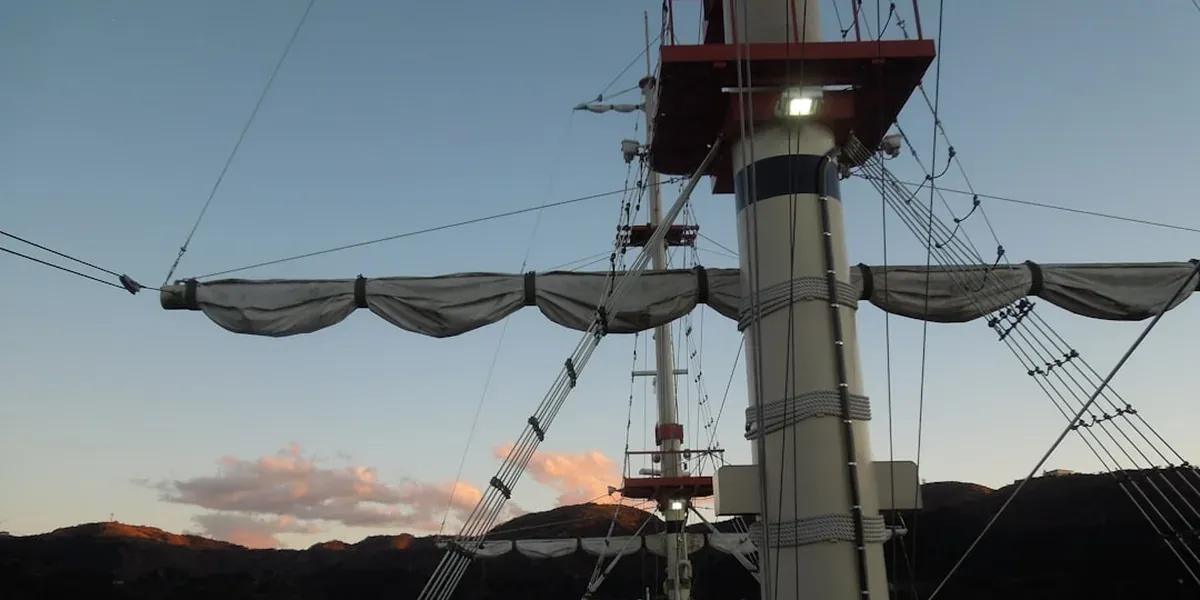
The pirate ship cruise — ¥1,200: The most iconic (and optional) Hakone experience. A replica 18th-century pirate ship crosses the lake from Togendai to Moto-Hakone or Hakone-machi. 40 minutes each way. Views of Fuji — when visible — are best from the top deck starboard side heading south. Budget verdict: worth it if Fuji is visible and you have the Free Pass (included). Skip it and walk the lakeside path if on a strict budget.
Hakone Shrine — free: A striking Shinto shrine at the lake’s southern edge with a lakeside torii gate and forested approach. Free to enter. 10 minutes walk from Moto-Hakone bus stop.
Hakone Onsen — The Budget Option
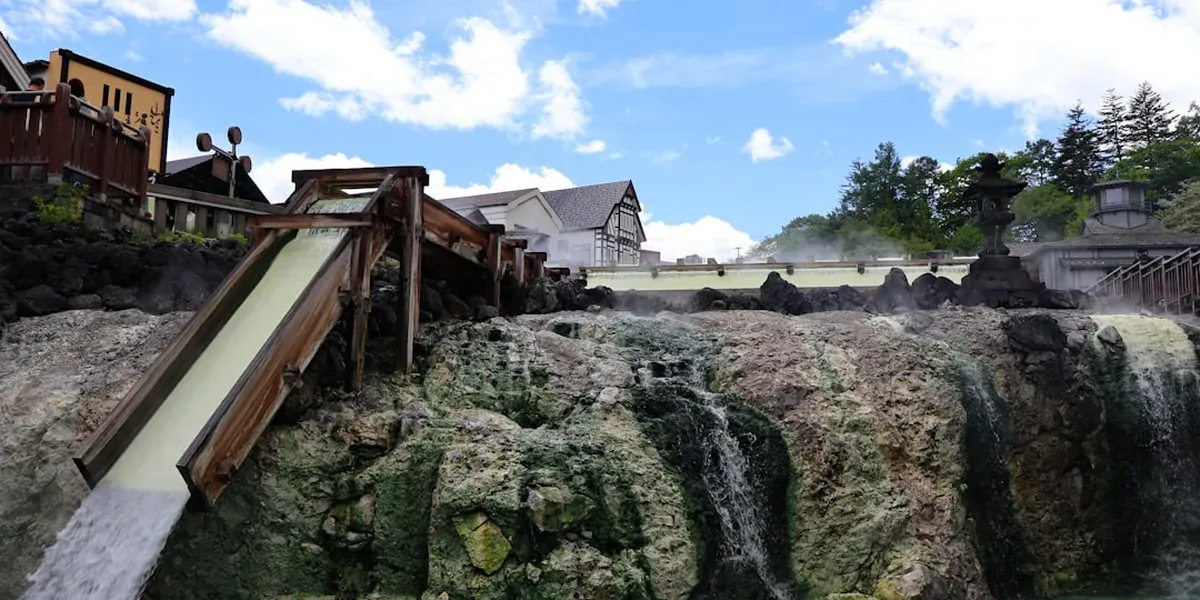
Day-trip hot springs are a convenient way to enjoy Hakone’s hot springs — recommended for those with time or budget constraints who want to combine Hakone sightseeing with hot spring bathing.
Hakone-Yumoto, the first stop on the Hakone Tozan Railway from Odawara, has the highest concentration of day-use onsen (日帰り温泉) in the region.
Budget day-use onsen options:
Tenzan Tohji-kyo — ¥1,300: The most popular day-use onsen complex in Hakone-Yumoto. Multiple indoor and outdoor baths, rotemburo (outdoor baths), and sauna. Towel rental available (¥300). Open 9am–11pm. No tattoo restrictions at most baths.
Yunosato — ¥900: Smaller, simpler, and cheaper. Single indoor bath and one outdoor bath. Good for a quick soak before the bus home. 5 minutes walk from Hakone-Yumoto Station.
Kappa Tengoku — ¥800: The cheapest day-use onsen in Hakone-Yumoto. Outdoor baths only, very traditional, no frills. Worth it purely for the price — ¥800 for a proper Hakone onsen experience.
Onsen etiquette reminder: Wash and rinse completely before entering any bath — shower stations are provided. No swimwear in traditional onsen (enter without). Tie back long hair. Tattoos are banned at some facilities — check before paying. Full guide to what to pack for onsen visits: Japan Budget Packing List.
Hiking — The Free Alternative to Everything
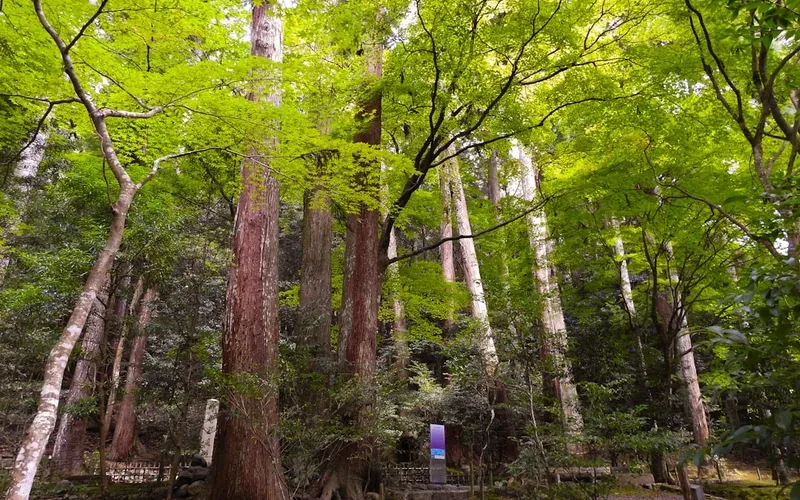
Hakone has extensive free hiking trails covering volcanic valleys, lakeside paths, and cedar forests. The Hakone Old Tokaido Road (旧東海道) is an ancient post road with preserved stone-paved sections running through cedar forest — one of the most atmospheric free walks in Japan.
The Amazake-chaya teahouse: On the Old Tokaido Road, this 400-year-old teahouse serves amazake (sweet fermented rice drink) for ¥400. A genuine historical rest stop, not a tourist recreation.
Budget hiking route: Hakone-Yumoto Station → Old Tokaido Road cedar forest section (2km, 45 min) → Amazake-chaya rest stop → Hatajuku → bus back to Hakone-Yumoto (¥200)
Total cost: ¥600 for one of the best nature walks in the Kanto region.
The Mount Fuji Question — Will You Actually See It?
This is what nobody writes honestly about. Mount Fuji is visible from Hakone on approximately:
- December–February: 60–70% of days (best season for views)
- March–April: 40–50% of days
- May–June: 30–40% of days (increasing haze)
- July–September: 20–30% of days (summer cloud and humidity)
- October–November: 40–50% of days
On any given day, visibility is impossible to predict until the morning. The Hakone Ropeway website posts real-time Fuji visibility reports from their observation cameras — check these before you leave Tokyo.
If Fuji isn’t visible, Hakone is still worth visiting — the ropeway, volcanic valley, lake, and onsen are all excellent regardless of the mountain. But if seeing Fuji is your primary goal, visit in January or February when visibility is highest.
Full seasonal guide for all Japan destinations: Cheapest Time to Visit Japan.
Budget Day Itinerary
Route A — With Hakone Free Pass (full circuit)
7:30am   Depart Shinjuku on Romancecar
          (included in Free Pass)
9:00am   Arrive Hakone-Yumoto
9:15am   Hakone Tozan Railway to Gora
          (included)
9:50am   Cable car to Sounzan (included)
10:10am  Ropeway to Owakudani (included)
10:30am  Owakudani volcanic trail walk — free
          Kuro-tamago black eggs ¥600
12:00pm  Ropeway to Togendai (included)
12:30pm  Pirate ship to Moto-Hakone (included)
1:15pm   Lunch at lakeside konbini or ¥500
          noodle restaurant — ¥500–800
2:00pm   Hakone Shrine — free
2:45pm   Bus to Hakone-Yumoto (included)
3:30pm   Day-use onsen at Kappa Tengoku — ¥800
5:00pm   Romancecar back to Shinjuku (included)

Total beyond Free Pass: ¥1,400–1,700
Free Pass: ¥5,000
Day total: ¥6,400–6,700
Route B — Budget Route, No Free Pass
7:00am   Highway bus from Shinjuku — ¥2,200
8:45am   Arrive Hakone-Yumoto
9:00am   Onsen at Kappa Tengoku (early, quieter)
          ¥800
10:00am  Hakone Tozan Railway to Gora — ¥670
10:40am  Cable car to Sounzan — ¥680
11:00am  Ropeway Sounzan → Owakudani — ¥600
          (one stop only, not full route)
11:30am  Owakudani volcanic walk — free
          Black eggs — ¥600
1:00pm   Bus back to Hakone-Yumoto — ¥730
          Lakeside walk to Moto-Hakone — free
          Hakone Shrine — free
3:30pm   Konbini lunch/snacks — ¥600
5:00pm   Highway bus back to Shinjuku — ¥2,200

Day total: ¥8,080 (but you skipped pirate ship
and Romancecar — different experience)
The honest verdict: Route A with the Free Pass is slightly cheaper (¥6,400–6,700 vs ¥8,080) and includes more — the pirate ship and Romancecar are the highlights many people remember most. Buy the Free Pass if you’re doing the full circuit.
Budget Eating in Hakone
Food in Hakone is tourist-priced across the board. The strategy is konbini in the morning, light lunch in Hakone, and a proper meal back in Tokyo.
Kuro-tamago (black volcanic eggs) — ¥600 for 5: The only Hakone food genuinely worth buying. Sold at Owakudani station, hard-boiled in the volcanic springs. Part food, part experience. Buy one bag to share.
Hakone-Yumoto covered street — ¥500–900: The shopping street near the station has standing soba and udon shops. A bowl of mountain soba with seasonal toppings runs ¥600–800 — the best honest value food in Hakone.
Konbini strategy: Pack lunch from a Tokyo 7-Eleven or Lawson before leaving Shinjuku — onigiri, a bento, snacks. Hakone has some convenience stores but selection is limited and prices are higher than city branches.
How Hakone Connects to Your Japan Trip
Hakone fits naturally on Day 4 or 5 of the Tokyo section from the 2-week Japan budget itinerary — take the bus from Shinjuku on your last full Tokyo day before heading to Kyoto.
The overnight bus connection: Do Hakone on Day 4, return to Shinjuku by 6pm, stock up at a konbini for the bus, board the overnight bus to Kyoto that night. You’ve just done Hakone and saved a hotel night simultaneously. Full overnight bus guide: Cheapest Ways from Tokyo to Kyoto.
What to bring for Hakone: Comfortable walking shoes (the volcanic valley trail is uneven), layers (temperature drops significantly above 700m even in summer), and a small towel for the onsen (or rent one for ¥300 at most facilities). Full packing breakdown: Japan Budget Packing List.
Best time to go: January and February give the best Mount Fuji visibility and lowest accommodation prices if you’re staying overnight. For a day trip any time of year works — just check the ropeway Fuji cameras before leaving Tokyo. Full seasonal timing guide: Cheapest Time to Visit Japan.
Frequently Asked Questions
Is the Hakone Free Pass worth it?
Yes — if you’re doing the full circuit (Romancecar both ways, Hakone Tozan Railway, cable car, full ropeway route, pirate ship cruise, and multiple buses). The individual fares total ¥7,320–7,620 versus ¥5,000 for the 1-day Free Pass from Shinjuku — a saving of ¥2,320–2,620. If you’re taking the budget highway bus and skipping the pirate ship, the pass is not worth buying.
What is the cheapest way to get from Tokyo to Hakone?
The Odakyu Highway Bus from Shinjuku to Hakone-Yumoto or Togendai costs ¥2,200 one way — cheaper than the Romancecar (¥2,470) or the Odakyu regular train + Hakone Tozan Railway combination (¥1,230). The bus is the budget recommendation for a day trip without the Hakone Free Pass.
Can you see Mount Fuji from Hakone?
Yes, when weather permits — which is approximately 60–70% of days in winter (December–February) and 20–30% in summer. Visibility is unpredictable on any given day. Check the Hakone Ropeway website’s live camera before leaving Tokyo. The best views are from the ropeway over Owakudani and from the Lake Ashi shoreline.
What are the cheapest onsen in Hakone?
Kappa Tengoku in Hakone-Yumoto offers outdoor baths for ¥800 — the cheapest authentic onsen experience in Hakone. Yunosato charges ¥900, and Tenzan Tohji-kyo (the largest complex) charges ¥1,300. All are day-use facilities open to visitors without an overnight booking.
Does the JR Pass cover Hakone?
No. The Hakone area is covered by Odakyu Railway and Hakone Tozan Railway, not JR. If you have a JR Pass, you can use it to travel from Tokyo to Odawara Station, then switch to the Hakone Tozan Railway (not covered) for the mountain section. The Hakone Free Pass from Odakyu is usually more convenient and cost-effective for the full Hakone circuit.
How many days do you need in Hakone?
One full day is enough to cover the ropeway, Owakudani, Lake Ashi, and an onsen. Two days allows for a ryokan overnight stay with private onsen, morning Fuji views, and more relaxed hiking. For budget travelers, a single day trip from Tokyo covers all the highlights.
Prices correct as of May 2026. Exchange rate approximately ¥150 = $1 USD.