Cheapest Time to Visit Japan in 2026: Month-by-Month Budget Guide
When is Japan cheapest to visit? Month-by-month budget guide for 2026 — real accommodation prices, crowd levels, and exactly which weeks to avoid.
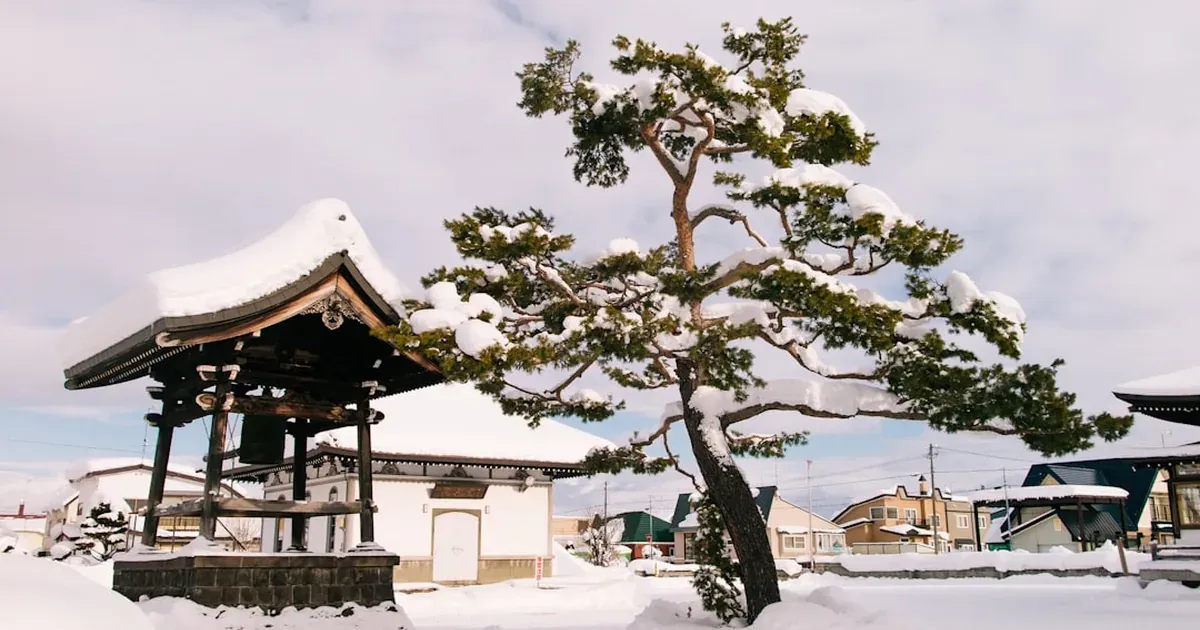
The honest answer: January, February, and June are the cheapest months to visit Japan. Accommodation drops 20–40% from peak prices, crowds are a fraction of cherry blossom season, and you’ll have iconic temples to yourself at hours when summer visitors are standing in queues 200 people deep.
The expensive answer: visit in late March to early April (cherry blossoms), late April to early May (Golden Week), or November (autumn foliage). These three windows are when Japan’s tourism industry makes most of its annual revenue — and when budget travelers pay the highest prices for the worst crowds.
This guide breaks down every month of 2026 with real price ranges, crowd levels, and what the weather actually means for your trip — not the generic “spring is pleasant” advice that fills every other Japan guide.
The 2026 Budget Calendar at a Glance
| Month | Price level | Crowds | Highlight | Avoid if |
|---|---|---|---|---|
| January | ✅ Cheapest | Low | New Year calm, clear skies | First week (New Year rush) |
| February | ✅ Cheapest | Very low | Sapporo Snow Festival | N/A — go |
| March | ⚠️ Rising fast | Medium→High | Cherry blossoms starting | Late March if budget-sensitive |
| April | ❌ Peak | Very high | Full cherry blossoms | All of April if possible |
| May | ❌ Peak (first week) | Extreme | Golden Week holidays | First two weeks |
| June | ✅ Very cheap | Low | Hydrangea, fewer tourists | If you hate rain |
| July | ⚠️ Mid-range | Medium | Festivals, fireworks | If heat is a problem |
| August | ⚠️ Mid-range | High | Obon festivals, summer | First two weeks (Obon rush) |
| September | ✅ Good value | Low-Medium | Typhoon season ends | Mid-September typhoons |
| October | ⚠️ Rising | Medium | Perfect weather | Late October price rise |
| November | ❌ Peak | Very high | Autumn foliage | Most of November |
| December | ✅ Good value | Low | Winter illuminations, skiing | Last week (Christmas/NY rush) |
The Cheapest Months — Go Here First
January and February — The Budget Traveler’s Secret
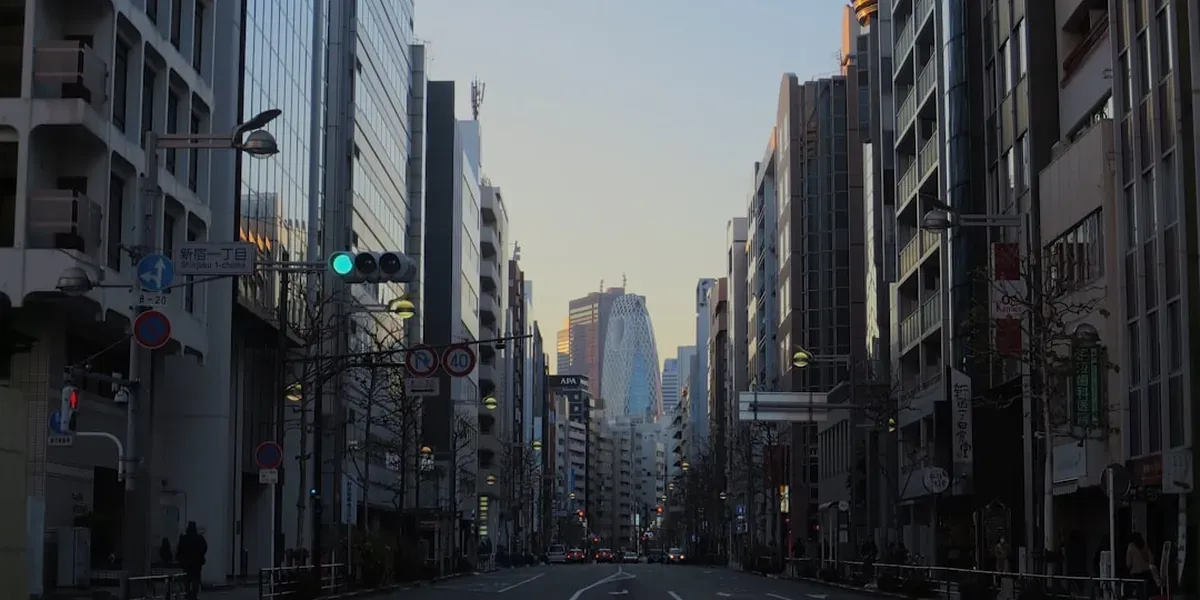
January and February are the cheapest months to visit Japan, full stop. Visiting in winter, when prices are much lower, is the best strategy for budget travelers — accommodation, flights, and experiences all drop significantly compared to peak season.
What actually changes in price:
Hostel dorm beds in Kyoto that cost ¥3,800–4,500 in November drop to ¥2,800–3,200 in January. Capsule hotels in Tokyo that run ¥4,500 in cherry blossom season fall to ¥3,000–3,500. The same room, the same quality, 20–35% cheaper because the tourists aren’t there.
The weather reality:
January and February are cold — Tokyo averages 5–10°C, Kyoto drops to near freezing at night. This is not the brutal cold of northern Europe or Canada. You need a decent coat and layers. The upside: clear blue skies are extremely common in winter, making for better photography than the overcast days of spring or the hazy humidity of summer.
What you gain:
- Fushimi Inari at sunrise in January is genuinely empty — not “quieter than peak season” empty but actually alone among the gates
- Tokyo’s Asakusa district without tour groups blocking every shot
- Osaka’s Dotonbori at a pace you can actually enjoy
- Every hostel and capsule hotel has availability — no booking pressure
February bonus — Sapporo Snow Festival:
The Sapporo Snow Festival in early February (usually around 4–11 Feb) is one of Japan’s most spectacular events — enormous snow and ice sculptures in the city centre, completely free to walk through. Budget flights from Tokyo to Sapporo on Peach or Skymark run ¥5,000–9,000 return. Accommodation in Sapporo in February outside festival week itself is cheap.
June — The Rainy Season Advantage
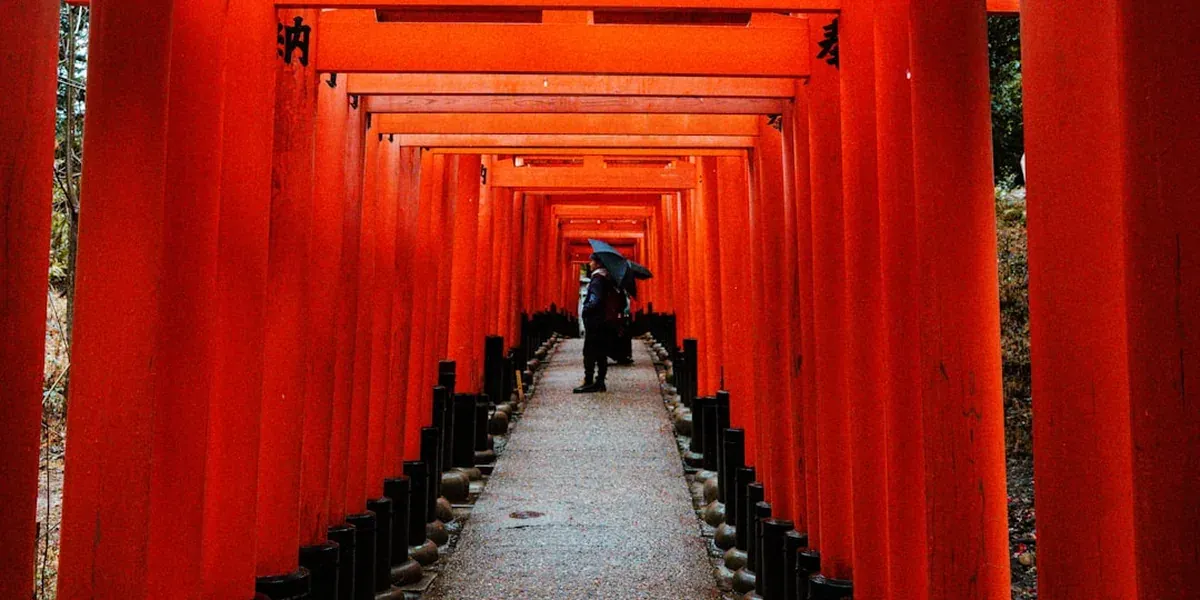
June is rainy season (tsuyu) in most of Japan. Most travel guides tell you to avoid it. They’re wrong for budget travelers.
What rainy season actually means: It rains more often than other months, but not all day every day. The pattern is typically overcast mornings with rain in the afternoon. Mornings are often perfectly clear. Kyoto’s moss gardens, bamboo groves, and hydrangea flowers are at their most lush and photogenic in June — the rain is what makes them beautiful.
What it means for your budget:
Accommodation prices in June are at their lowest point outside of January and February. Hotels and hostels discount heavily because of the rain season reputation — reputation that doesn’t match the reality of the experience. A hostel dorm in Kyoto that costs ¥4,500 in November is ¥2,900–3,200 in June.
June budget advantages:
- Accommodation 25–35% cheaper than cherry blossom and autumn peak
- No queues at popular sites
- Hydrangea season — Meigetsuin temple in Kamakura, Hakone, and Kyoto’s Fushimi Inari path are all spectacular
- Fushimi Inari’s forest paths are intensely green and atmospheric in rain
- Overnight bus Tokyo to Kyoto prices are at their lowest — ¥3,500 is almost always available
What to pack: A good lightweight waterproof jacket and a compact travel umbrella (buy one at any konbini for ¥500–700 — better than bringing one from home). That’s genuinely all you need. Full seasonal packing breakdown: Japan Budget Packing List.
September — The Underrated Sweet Spot
Late September hits a window that most guides overlook: summer heat has broken, typhoon season is winding down, autumn foliage hasn’t started yet, and prices are still low. Average temperatures are 20–25°C — genuinely pleasant travel weather.
The risk: typhoons. September sees the highest typhoon frequency, typically 1–3 per month affecting southern Japan. They move fast — a typhoon disruption usually means 1–2 days of cancelled transport rather than a ruined trip. Check the Japan Meteorological Agency forecast and have a flexible day built in.
September budget verdict: Very good value. Book refundable accommodation so you can shift dates if a typhoon approaches your travel window.
The Expensive Months — When to Avoid
Cherry Blossom Season — Late March to Mid-April
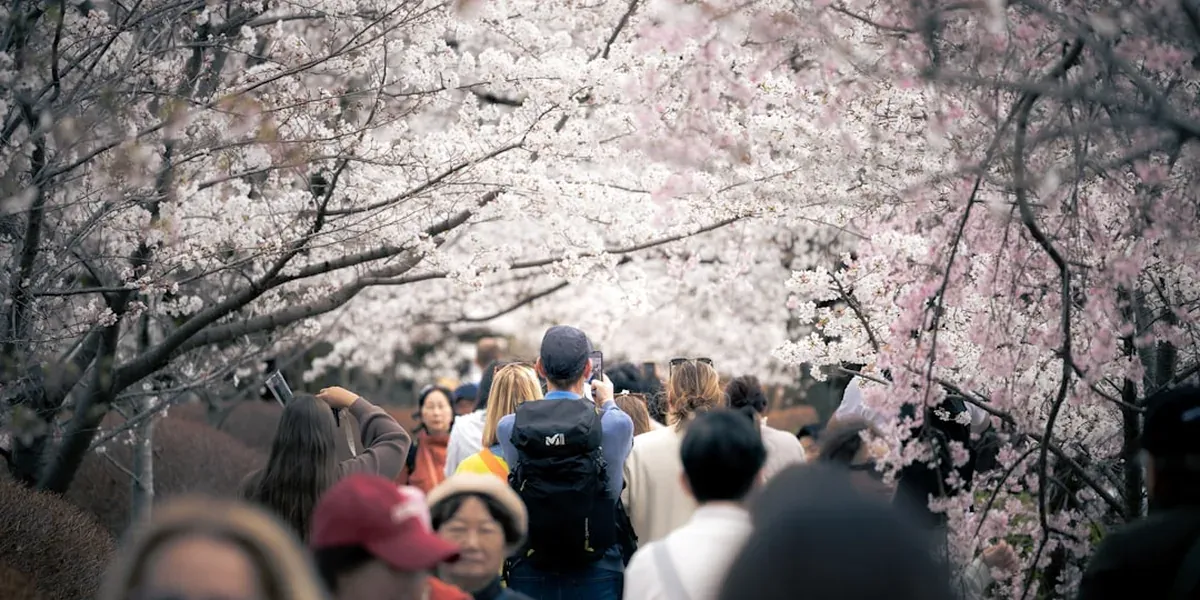
Cherry blossom season is Japan’s most popular travel period and its most expensive. Peak season warning: cherry blossom (late March–early April), Golden Week (late April–early May), and autumn foliage (November) can double prices in Kyoto — book 3–6 months ahead.
The price reality in 2026:
A hostel dorm bed in Kyoto that costs ¥3,000 in January costs ¥5,500–7,000 during peak cherry blossom week. The same capsule hotel that runs ¥3,500 in June hits ¥6,000–8,000. Availability disappears months in advance for quality budget properties.
The bloom is unpredictable:
Cherry blossom timing varies by 1–3 weeks every year depending on winter temperatures. The Japan Meteorological Corporation releases forecasts from late January — but booking accommodation months ahead means you’re gambling on the timing. Some years peak bloom is March 22nd, others it’s April 8th. If you arrive on a week without bloom, you’ve paid peak prices for bare branches.
If you’re committed to seeing cherry blossoms on a budget:
Go to smaller cities. Hirosaki Castle in Aomori (peak usually late April–early May), Matsumoto Castle in Nagano, or any park outside Tokyo and Kyoto sees dramatically lower accommodation prices during bloom — even when the blossoms are equally spectacular.
Golden Week — Late April to Early May
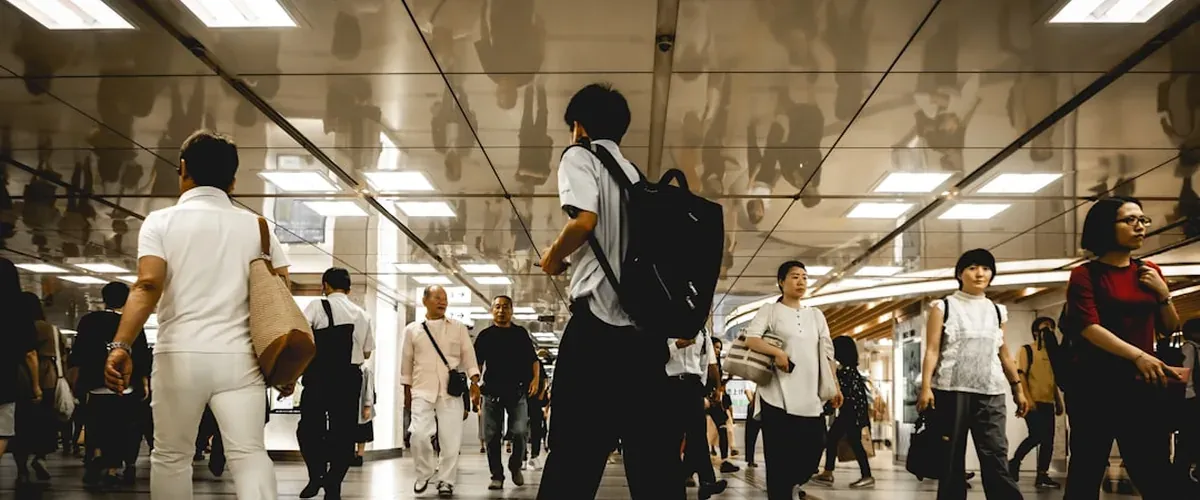
Golden Week (late April to early May) is Japan’s biggest domestic holiday cluster — multiple national holidays stacked together mean every Japanese person with vacation time is travelling simultaneously. For international visitors, this creates the worst possible combination of maximum crowds and maximum prices.
Golden Week 2026 dates: April 29 (Showa Day) through May 6 (Constitution/Greenery/Children’s Day cluster). The entire period should be avoided by budget travelers unless you book 4–6 months in advance and budget 50–80% more for accommodation.
What happens to transport:
Overnight buses from Tokyo to Kyoto sell out weeks in advance. The ¥3,500 budget ticket becomes ¥8,000–12,000 if any availability remains. Shinkansen reserved seats are sold out. IC card balance depletes faster because you’re taking more local trips to avoid packed intercity transport.
November — Autumn Foliage Season
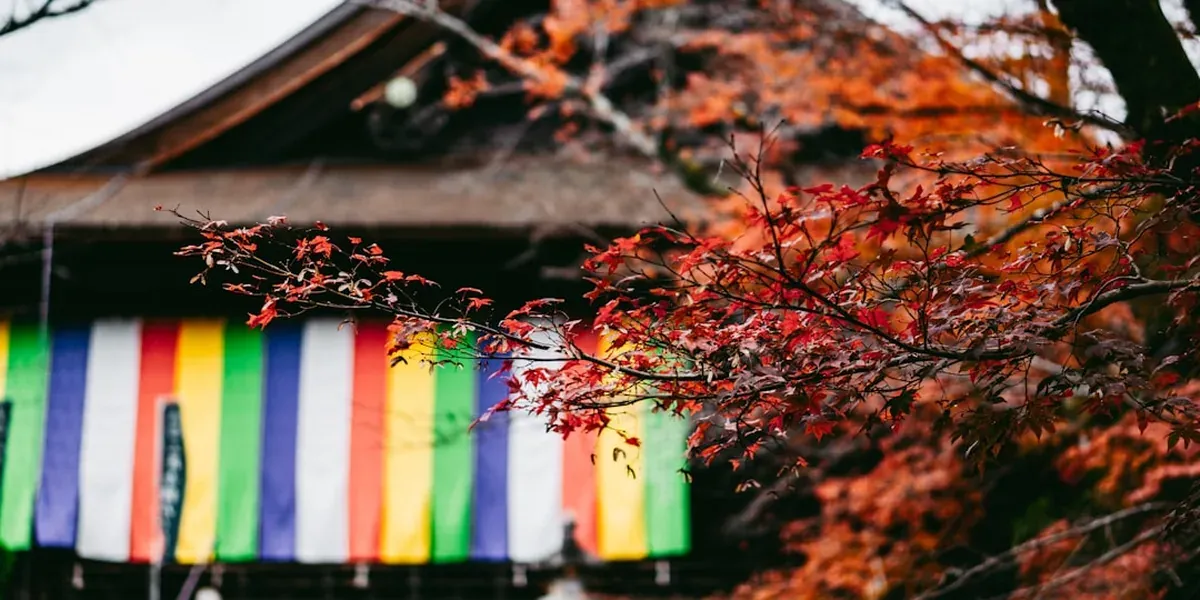
Autumn foliage (koyo) peaks across Japan in November, with Kyoto being the most dramatic and most expensive destination during this period. Eikan-do and Tofuku-ji in Kyoto, both free to approach, turn crimson and orange — and the crowds to see them rival cherry blossom season.
The November price spike:
Kyoto accommodation in November is at its annual peak — hostel dorms hitting ¥5,000–7,500/night, capsule hotels ¥5,500–8,000. Add Kyoto’s accommodation tax (¥200–1,000 per person per night as of March 2026) on top.
The budget alternative: Tokyo’s autumn foliage (Shinjuku Gyoen, Rikugien, Ueno Park) peaks in mid-to-late November and accommodation stays 30–40% cheaper than Kyoto during the same period. The foliage quality is different but genuinely impressive — and you pay Tokyo prices instead of Kyoto peak prices.
New 2026 Costs That Affect Your Timing Decision
Several policy changes in 2026 affect the budget calculation regardless of when you visit:
Exit tax increase: Japan’s International Tourist Tax increased from ¥1,000 to ¥3,000 per person. This is automatically included in your outbound flight ticket price. This is a fixed cost regardless of season.
Tax-free shopping changes from November 2026: Starting November 1, 2026, you must pay full price including 10% consumption tax upfront, then claim a refund at the airport. If you’re planning any significant shopping, visiting before November saves the cash-flow headache of fronting the tax and claiming it back.
Dual pricing at attractions: Some major attractions are implementing different entry prices for international versus domestic visitors. This is still limited in scope in 2026 but worth checking for specific sites before you go.
The timing implication: If electronics or fashion shopping is part of your trip, go before November 1st. If you’re budget-only with no shopping agenda, the change doesn’t affect you.
Month-by-Month Detail Guide
January ⭐ Budget rating: 5/5
Temperature: Tokyo 5–10°C, Kyoto 2–8°C, Osaka 5–10°C Accommodation: 25–40% below peak Crowds: Very low from January 7th onwards Best for: Budget travelers, photography, Fushimi Inari without crowds Skip: First week (New Year holiday prices and crowds)
February ⭐ Budget rating: 5/5
Temperature: Similar to January, slightly warming by end of month Accommodation: Lowest of the year outside of June Crowds: Lowest of the year Best for: Sapporo Snow Festival (early Feb), plum blossoms beginning, best hostel availability Skip: Nothing — February is the single best month for budget travelers
March ⭐ Budget rating: 3/5
Temperature: Warming fast — Tokyo 8–15°C by late March Accommodation: Cheap until mid-March, then rising sharply Crowds: Low until mid-March, then growing daily Best for: Budget travel in early-mid March before bloom starts Skip: Late March if budget-sensitive — cherry blossom premium begins
April ⭐ Budget rating: 1/5
Temperature: Pleasant 12–18°C Accommodation: Annual peak — 50–80% above January prices Crowds: Maximum of the year Best for: Cherry blossoms if you’ve booked 4+ months ahead and budgeted for peak Skip: All of April if you’re on a tight budget
May ⭐ Budget rating: 2/5
Temperature: Ideal 18–24°C Accommodation: Golden Week first two weeks peak, then drops sharply after May 10 Crowds: Extreme first two weeks, then very manageable Best for: Late May (May 15–31) — great weather, post-Golden Week price crash, low crowds Skip: May 1–10 completely if budget is a priority
June ⭐ Budget rating: 5/5
Temperature: 20–27°C, humid, rainy Accommodation: Second cheapest month of the year Crowds: Very low — most tourists avoid due to rain reputation Best for: Budget travelers who can handle intermittent rain, hydrangea season, lush green Kyoto Skip: If rain is a dealbreaker for you
July ⭐ Budget rating: 3/5
Temperature: Hot — Tokyo 28–33°C, very humid Accommodation: Mid-range prices Crowds: Growing, busy but not peak Best for: Festivals (Gion Matsuri in Kyoto is mid-July), fireworks displays Skip: If heat affects your enjoyment significantly
August ⭐ Budget rating: 2/5
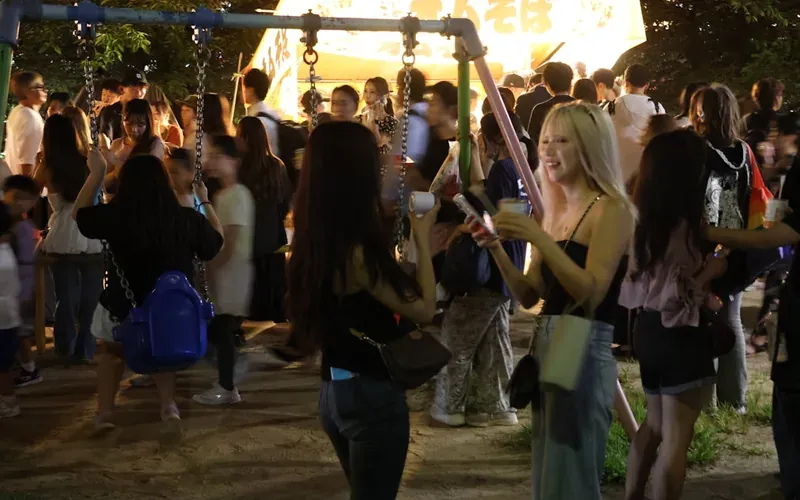
Temperature: Peak summer — 30–35°C, very humid, feels hotter Accommodation: Mid-to-high, Obon holiday first two weeks spikes Crowds: High, especially Obon week (mid-August) Best for: Summer festivals, Obon Matsuri, anyone who handles heat well Skip: August 10–18 (Obon holiday — domestic travel peak, prices spike, trains packed)
September ⭐ Budget rating: 4/5
Temperature: Cooling from 28°C to 22°C through the month Accommodation: Noticeably cheaper than summer, good availability Crowds: Low-medium Best for: Late September value — summer gone, foliage not started, great weather Skip: If typhoons concern you (peak typhoon month — buy travel insurance)
October ⭐ Budget rating: 3/5
Temperature: Ideal — 18–25°C, low humidity Accommodation: Good value early month, rising from mid-October Crowds: Growing steadily as foliage approaches Best for: Early October — arguably Japan’s best weather, reasonable prices, no crowds yet Skip: Late October if budget-sensitive as prices begin climbing
November ⭐ Budget rating: 1/5
Temperature: Cooling 10–18°C, beautiful clear days Accommodation: Annual peak in Kyoto, high everywhere Crowds: Maximum in Kyoto Best for: Autumn foliage if you’ve planned and budgeted for peak season Skip: Kyoto in November if on a budget — go to Tokyo instead for 35% cheaper accommodation with comparable foliage
December ⭐ Budget rating: 4/5
Temperature: Cold, 5–12°C, clear Accommodation: Good value mid-December, spike final week Crowds: Low until Christmas week Best for: Winter illuminations (every major city has free light displays), skiing day trips from Tokyo, quiet temples Skip: December 25–January 5 (Christmas and New Year premium)
Timing Your Trip Around BudgetYen’s Complete Japan Guide
Every article on BudgetYen is written with timing in mind. Here’s how the season affects each part of your trip:
Getting from Tokyo to Kyoto: The overnight bus at ¥3,500 is available at that price almost exclusively in low season (January, February, June). During cherry blossom and Golden Week, expect ¥6,000–12,000 if any seats remain. Book January or June for the headline ¥3,500 price.
Free things in Kyoto: The free Kyoto itinerary works year-round but is most enjoyable in January, February, and June — when you’re doing it in actual quiet rather than weaving through tour groups. Fushimi Inari in January at sunrise with snow on the path is one of the best Japan experiences possible.
Osaka food and street scenes: The Osaka street food guide is at its best in cooler months — October, November (prices aside), January, February. Summer heat makes Dotonbori at 30°C less enjoyable than at 15°C.
Accommodation: The accommodation guide prices are based on shoulder and low season. In peak season, add 30–80% across every category. The ¥2,800 Osaka hostel dorm becomes ¥4,500 in cherry blossom season.
Convenience stores: Konbini prices don’t change by season — one of the few constants in Japan travel budgeting. Your ¥400 breakfast costs the same in April as in January.
IC card transport: IC card fares are fixed regardless of season. The savings from smart IC card use are the same year-round.
The 2-week itinerary: The full 14-day budget breakdown is based on shoulder season pricing. In peak season, add ¥20,000–40,000 to the accommodation total alone.
The Budget Traveler’s Verdict
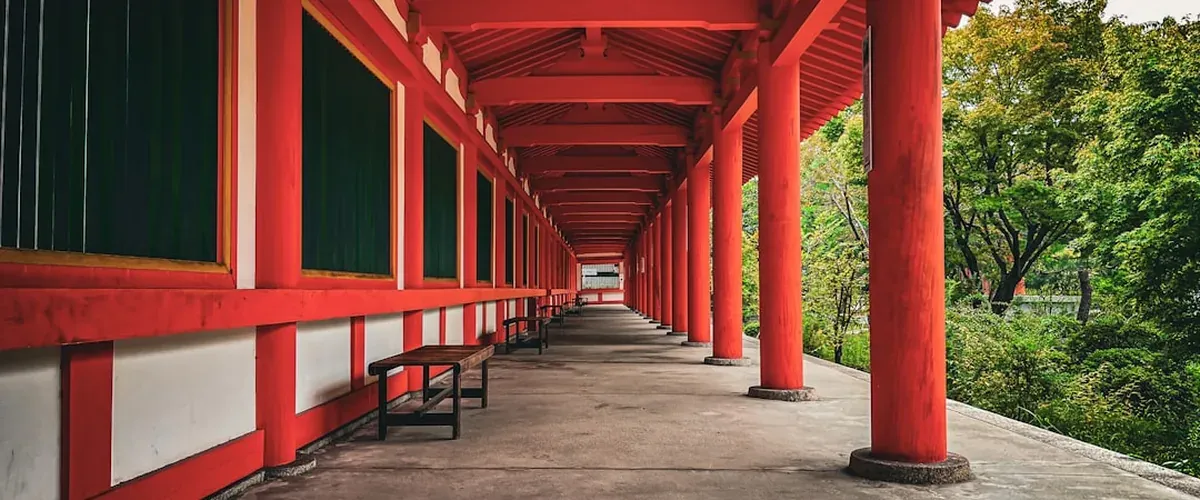
Go in January or February if you want the cheapest prices, emptiest temples, and best availability. Pack a warm layer — see our Japan budget packing list for exactly what to bring each season — accept that it’s cold, and discover that winter Japan is genuinely spectacular.
Go in June if you want a balance of low prices, good weather windows, and a Japan that actually looks like the photography — lush, green, atmospheric — without the crowds that fill every frame from April through May.
Go in late September or early October if shoulder season weather matters more than absolute cheapest prices — warm days, cooling nights, empty temples, and prices 20–30% below peak.
Avoid April, Golden Week, and November in Kyoto unless you’ve planned and budgeted 6+ months ahead and genuinely want the peak experience regardless of cost.
The tourists who tell you Japan is expensive almost all visited in cherry blossom season or Golden Week. The travelers who tell you Japan is one of the best value destinations in the world almost all went in January, February, or June. The country is the same — the price is not.
Frequently Asked Questions
What is the cheapest month to visit Japan?
February is consistently the cheapest month to visit Japan — accommodation is at its annual lowest, crowds are minimal, and the weather, while cold, is clear and dry. January (from the 7th onwards, after New Year) is equally cheap. June offers the second-lowest prices with warmer temperatures, though the rainy season means more overcast days.
What months should budget travelers avoid in Japan?
Avoid late March to mid-April (cherry blossom season), the first two weeks of May (Golden Week national holidays), and November in Kyoto (autumn foliage peak). These three windows have the highest accommodation prices and largest crowds of the year.
Is Japan cheaper in winter?
Yes, significantly. Accommodation prices in January and February are 25–40% lower than cherry blossom season peak. Flights to Japan are cheaper. Popular sites have minimal queues. The trade-off is cold temperatures — Tokyo averages 5–10°C in January, Kyoto slightly colder.
Is June a good time to visit Japan on a budget?
Yes. June is Japan’s rainy season but the rain is typically afternoon showers rather than all-day downpours. Accommodation prices are at their second-lowest of the year, crowds are minimal, and Kyoto’s moss gardens and hydrangea flowers are at their most photogenic. A lightweight waterproof jacket is the only extra item you need.
How much cheaper is Japan in the off season?
Hostel dorm beds in Kyoto cost ¥2,800–3,200 in January versus ¥5,500–7,000 during cherry blossom peak — a difference of 50–70%. Capsule hotels show similar variance. Flights to Japan in January and February are typically 20–35% cheaper than spring flights. Over a two-week trip, choosing January over April can save ¥40,000–80,000 per person on accommodation alone.
What is Golden Week in Japan?
Golden Week is Japan’s largest holiday cluster — a series of national holidays from April 29 (Showa Day) to May 6 (Constitution Day, Greenery Day, Children’s Day). Most Japanese workers take the full period off, creating the largest domestic travel rush of the year. For international visitors, Golden Week means maximum crowds, maximum prices, and sold-out transport. Avoid if possible.
Planning what to bring? See our Japan budget packing list — including exactly what to buy at konbini instead of packing.
Prices correct as of May 2026. Exchange rate approximately ¥150 = $1 USD.