Kamakura Day Trip Budget Guide 2026: Tokyo's Cheapest Day Out
Budget guide to Kamakura from Tokyo — JR train ¥940 each way, Great Buddha ¥300, Hasedera ¥400, bamboo garden ¥500, and a full coastal temple day under ¥4,000.
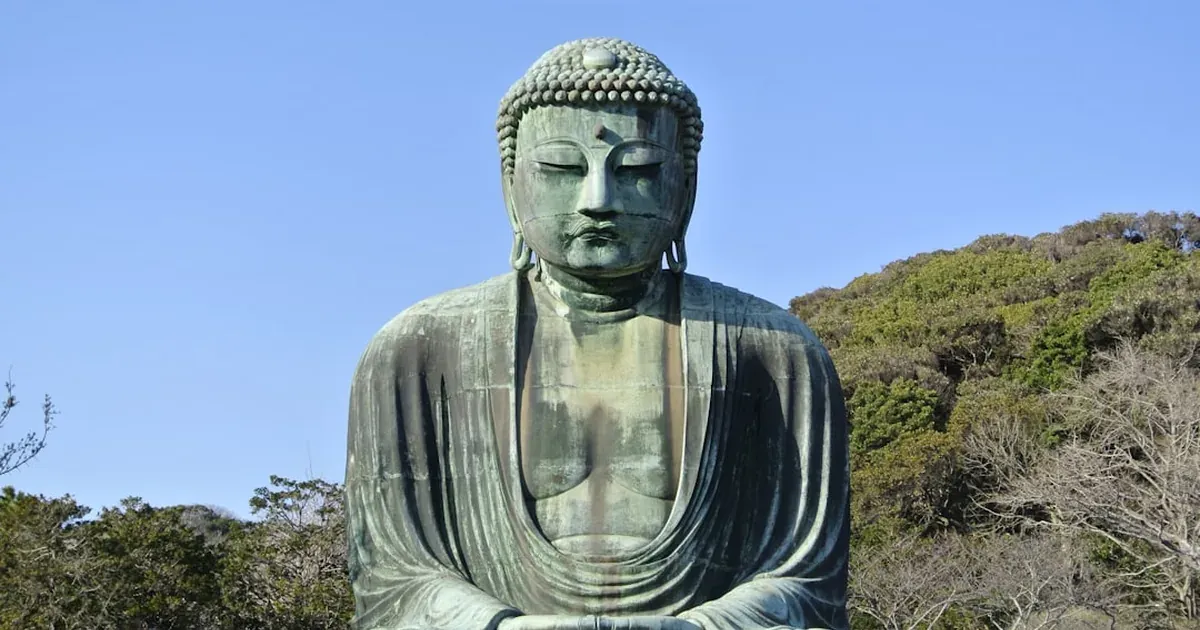
Kamakura is the cheapest and most rewarding day trip from Tokyo. At ¥3,000–4,000 total including transport, temple entries, and food, it is the most economical Tokyo day trip — significantly cheaper than Hakone while offering a completely different experience: ancient temples, a 13-metre bronze Buddha sitting in open air, a scenic coastal tram, and a beach walk.
The day trip takes you 56 minutes south of Tokyo Station by JR train. Kamakura was Japan’s capital in the 13th century — it has over 180 temples and shrines packed into a compact area surrounded by wooded hills and the Pacific coast. Most of the walking is free. The paid highlights cost ¥300–500 each. A well-planned day costs under ¥4,000 per person including the return train.
This is the natural companion to the Hakone day trip guide — two completely different day trips from Tokyo at opposite ends of the budget scale. Hakone costs ¥5,500–8,000 and delivers volcanic valleys and onsen. Kamakura costs ¥3,000–4,000 and delivers temples, bamboo gardens, and a beach. Both are worth doing on a longer Tokyo stay.
Kamakura at a Glance
- From Tokyo Station by JR: 56 minutes, ¥940 each way (¥1,880 return)
- From Shinjuku by Enoshima-Kamakura Freepass: ¥1,640 (includes unlimited Enoden rides)
- Great Buddha (Kotoku-in): ¥300 entry
- Hasedera Temple: ¥400 entry
- Hokokuji Bamboo Garden: ¥500 entry
- Komachi-dori shopping street: Free to walk
- Yuigahama Beach: Free
- Full day budget: ¥3,000–4,500 including return transport and all entries
- Days needed: 1 full day (6–8 hours)
Getting to Kamakura From Tokyo
Option 1 — JR Yokosuka Line (most direct)
The JR Yokosuka Line runs from Tokyo Station directly to Kamakura Station in 56 minutes. It costs ¥920 each way and takes about one hour — this is the best option if you are staying closer to Tokyo Station than Shinjuku Station.
Tap your IC card at Tokyo Station — follow signs for the Yokosuka Line (not to be confused with the Keikyu Line, which goes to a different destination). Trains run every 15–30 minutes. No reservation required.
From Shinjuku: Take the Shonan-Shinjuku Line direct to Kamakura — also about 53 minutes, ¥1,000. Same IC card tap process.
Option 2 — Enoshima-Kamakura Freepass (best if riding Enoden)
The Enoshima-Kamakura Freepass costs ¥1,640 from Shinjuku and includes unlimited Enoden rides connecting coastal attractions.
The Freepass covers:
- Odakyu Line from Shinjuku to Fujisawa
- Unlimited Enoden (Enoshima Electric Railway) between Fujisawa and Kamakura
- Unlimited Enoshima Monorail
Is the Freepass worth it?
The Enoden runs between Kamakura and Fujisawa (Enoshima direction) — if you plan to ride it 3+ times (Kamakura → Hase for Hasedera and Great Buddha → Kamakura → Enoshima for the island), the Freepass pays for itself versus paying ¥200–260 per Enoden ride individually. If you’re doing only the main Kamakura temples on foot and skipping Enoshima, take the direct JR from Tokyo Station instead (¥1,880 return versus ¥1,640 Freepass — similar price but JR is faster and more direct).
BudgetYen recommendation: Staying in Tokyo → JR Yokosuka Line (¥1,880 return, fastest and simplest). Staying in Shinjuku area AND planning to include Enoshima → Freepass (¥1,640, unlimited Enoden).
The Enoden — Kamakura’s Scenic Coastal Tram
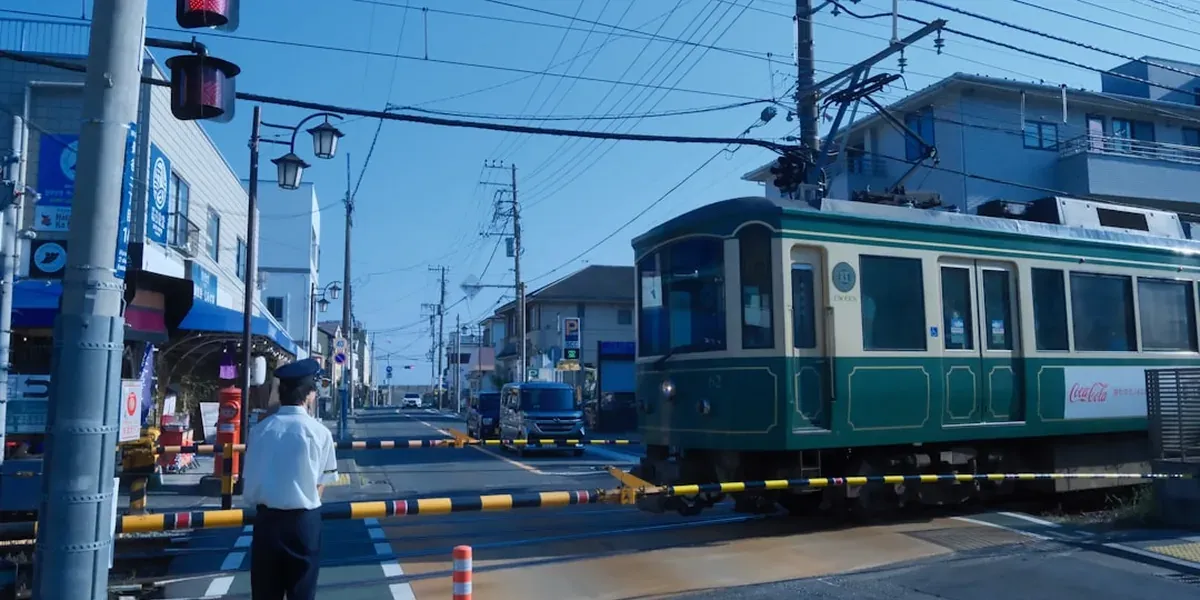
Before the main sights — a word about the Enoden. The Enoden (Enoshima Electric Railway) runs from Kamakura Station along the coast — a scenic narrow-gauge line that passes through residential neighbourhoods so tightly that the train nearly brushes garden walls.
The Enoden is 10km long and connects Kamakura Station to Fujisawa via Hase (for the Great Buddha and Hasedera), Inamuragasaki (coastal views), and Enoshima. Single rides cost ¥200–260 depending on distance. With the Freepass it’s unlimited. Without the Freepass, budget ¥400–800 for the Enoden rides you need.
The train is worth riding for the experience alone — particularly the section between Kamakura and Hase where the tracks run metres from the ocean and through residential alleys. Sit on the left side going from Kamakura to Fujisawa for the best coastal views.
The Great Buddha — Kotoku-in Temple (¥300)
The Kotoku-in Temple houses the Great Buddha of Kamakura — a 13-metre, 121-tonne bronze statue cast in 1252 and originally housed in a wooden temple that was destroyed by typhoons and a tsunami in the 14th century. The Buddha has sat in open air ever since.
Entry: ¥300. The grounds include the Buddha, several smaller shrines, and an option to go inside the hollow bronze statue itself for an additional ¥100. The inside is cramped and dark — worth doing once for the novelty.
Getting there: Hase Station on the Enoden (one stop from Kamakura Station, ¥200). 10-minute walk from the station following signs.
Timing: Opens at 8am. Go immediately on arrival — by 10:30am the queue for photos without other tourists becomes impossible. The Buddha faces east so morning light hits the face directly — ideal for photography in the first two hours.
Free viewing: The top of the Buddha’s head is visible from outside the temple walls at a few spots along the approach road — technically free, but distant. The ¥300 entry is worth paying for close access and the grounds.
Hasedera Temple — Best Views in Kamakura (¥400)
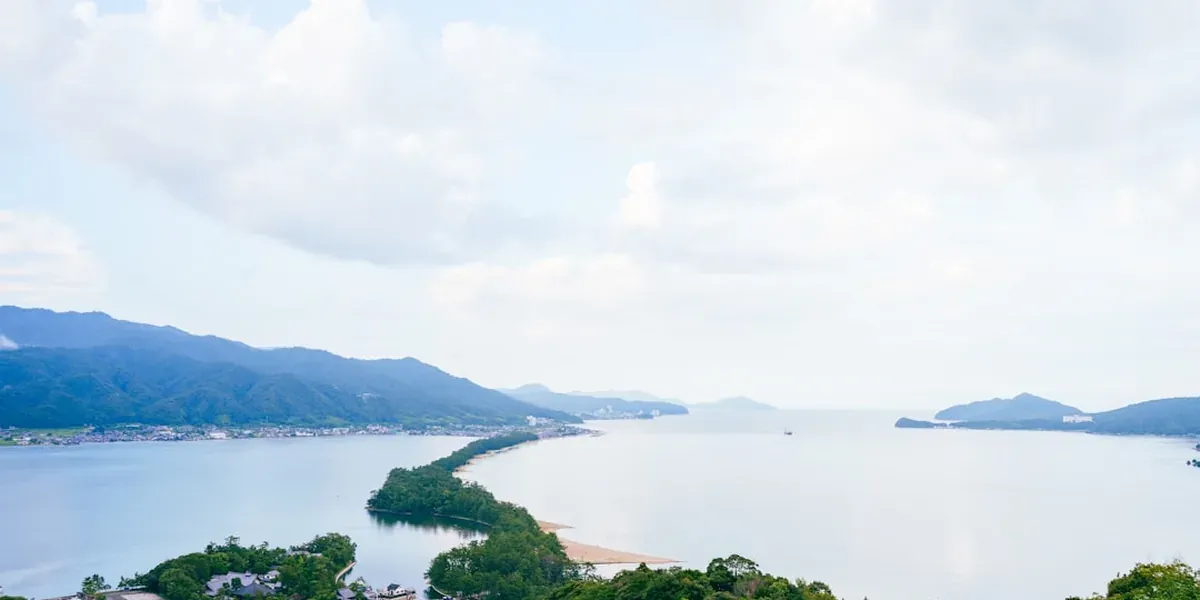
Five minutes walk from the Great Buddha, Hasedera is the second essential paid stop in Kamakura at ¥400 entry.
What makes Hasedera worth ¥400:
The temple complex climbs a hillside and the upper terrace offers the best panoramic view of Kamakura town and Sagami Bay below. On clear days the panorama stretches to the Pacific. The garden is tiered with caves containing thousands of small Jizo stone statues, a lotus pond, and a wooden hall housing a 9-metre gilded Kannon statue (one of the largest wooden sculptures in Japan).
The hydrangea connection: In June (typically mid-June to early July), Hasedera’s hillside garden becomes one of the most photographed places in Japan — thousands of hydrangeas in blues, pinks, and purples blanket the terraces. The ¥400 entry is especially well-spent in June. Queues to enter can be 30–60 minutes long during peak hydrangea weekends — go on a weekday. Full seasonal guide: Cheapest Time to Visit Japan.
The June Hydrangea Season — Kamakura’s Biggest Secret
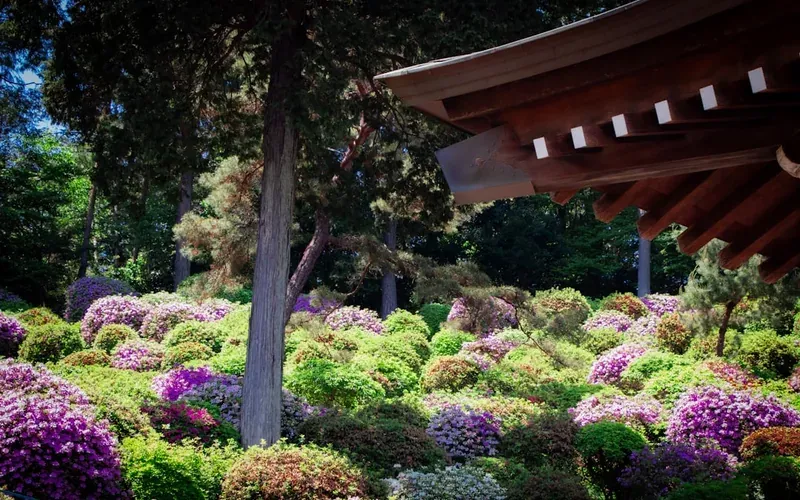
June is simultaneously one of the cheapest months to travel Japan and one of the best months to visit Kamakura. The hydrangea (ajisai) bloom transforms the temple paths and gardens into something genuinely extraordinary — and since June falls in Japan’s rainy season, accommodation prices are at their annual low.
Best hydrangea spots in Kamakura:
Meigetsu-in Temple (¥500): The most famous hydrangea temple in Kamakura — the entire approach path and garden are planted with blue ajisai, creating a wall of colour. Extremely crowded on weekends, manageable on weekdays. Open 8:30am–5pm during iris and hydrangea season.
Hasedera (¥400): The terraced hillside garden covered in hydrangeas with the bay panorama below is genuinely one of the best free photography compositions in Japan. The view costs ¥400.
Jojuin Garden at Engaku-ji (free outer walk): The moss-covered approach path to Engaku-ji temple north of Kamakura Station is lined with hydrangeas in June — free to walk on the outer path.
If you’re visiting Japan in June and weighing destinations, Kamakura in hydrangea season is one of the strongest arguments for the rainy season trip. Budget accommodation in Kamakura and the surrounding area is 25–35% cheaper in June than during peak cherry blossom or autumn foliage.
Hokokuji Bamboo Garden — The Instagram Shot (¥500)
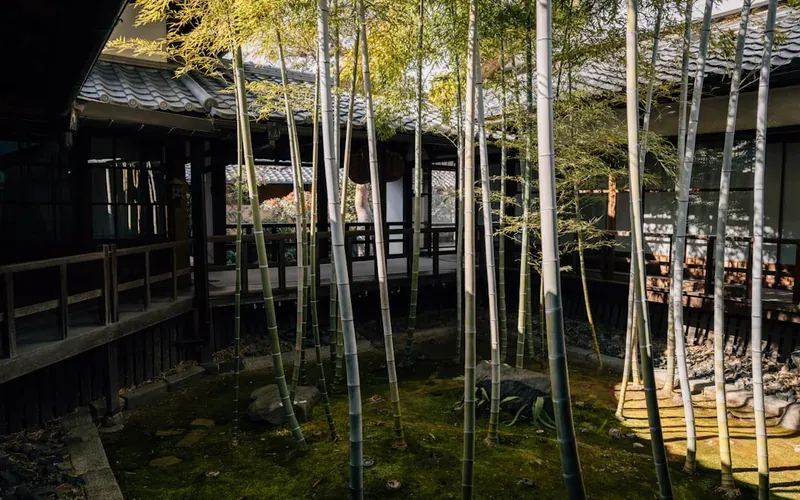
While Arashiyama in Kyoto gets all the bamboo attention, Hokokuji temple in east Kamakura has a bamboo grove that is arguably more photogenic — smaller and more intimate, with a matcha tea house inside the grove where you can drink tea among the stalks.
Hokokuji entry: ¥500. Tea service inside the bamboo grove: ¥800 extra (optional). The ¥500 entry alone gives you 30–45 minutes in the grove with a walking path looping through the bamboo.
Getting there: 15 minutes by bus from Kamakura Station (Kanagawa Chuo Bus toward Daito, ¥220) or 20 minutes on foot from the station heading east through the Zuisen-ji area.
Timing: Open 9am–4pm. Go between 9–10am for the best light through the bamboo canopy and thinner crowds. By midday the grove is busy.
Budget decision: The ¥500 entry is worth it if you didn’t do Arashiyama in Kyoto. If you’ve already photographed Arashiyama’s bamboo, the Hasedera view and Great Buddha are more unique to Kamakura and the ¥500 is better spent elsewhere.
What’s Free in Kamakura
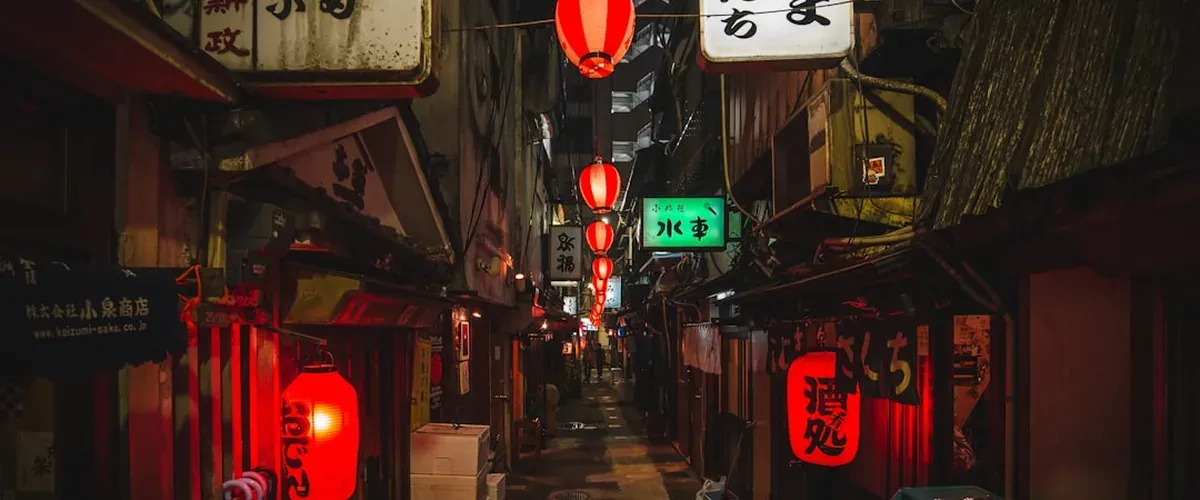
Komachi-dori shopping street — free: The main shopping street from Kamakura Station to Tsurugaoka Hachimangu shrine. 300 metres of independent food stalls, souvenir shops, and small restaurants. Free to walk. The best free food experience: freshly grilled senbei (rice crackers) ¥150–200 each, monaka ice cream sandwiches ¥300, and shirasu (whitebait fish) on everything — it’s the local speciality, served on rice, pizza, toast, and in various snacks along the street.
Tsurugaoka Hachimangu Shrine — free: The most important shrine in Kamakura, at the top of Komachi-dori. Free to enter and walk the entire grounds. The main shrine building, ponds, bridges, and the famous ginkgo tree stump (a 1,000-year-old tree that fell in a storm in 2010 — the stump has resprouted and is still visited) are all free. Allow 30–45 minutes.
Kotokuin approach path — free: The 10-minute walk from Hase Station to the Great Buddha passes through a residential neighbourhood with small gardens, old wooden houses, and local cafes. Free to walk and genuinely more interesting than the tourist-focused main street.
Yuigahama Beach — free:
Budget estimate: ¥300 Great Buddha entry, ¥400 Hase-dera, transport ¥1,880–¥2,200 return, food ¥1,000–¥2,000.
Kamakura has a beach. This is something most day-trip guides mention briefly — Yuigahama is a proper Pacific beach, walkable from Hase Station on the Enoden, completely free, and genuinely worth 45 minutes in summer or a short walk in any season. In summer (July–August) it becomes one of the most popular beaches near Tokyo — go in June or September for the beach without the crowds.
Yuigahama Beach and the Coastal Walk
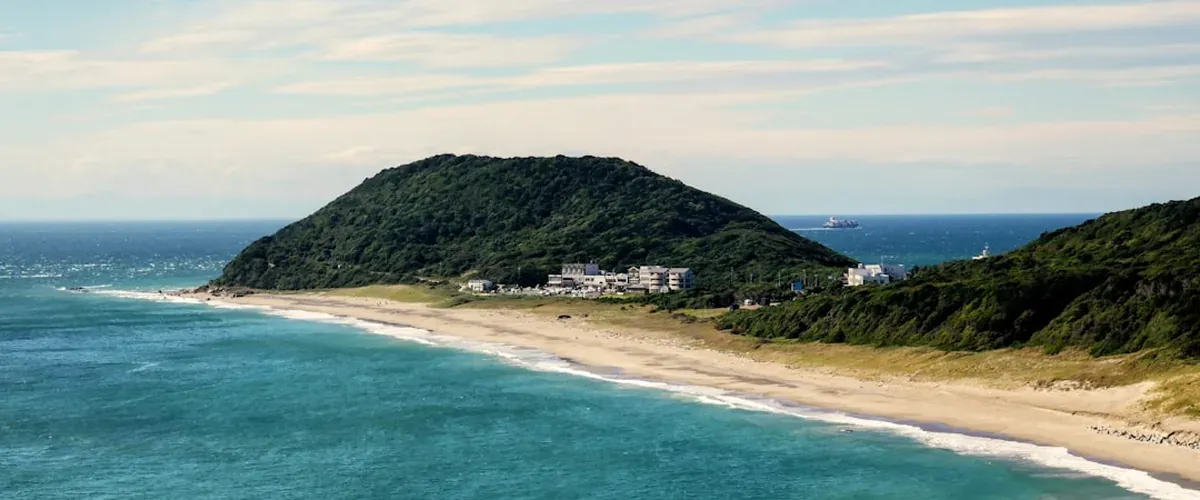
From Hase Station, walk 10 minutes south and you reach Yuigahama — a 1.5km stretch of Pacific beach with views back to the hills of Kamakura. The beach itself is free. In summer, rental parasols and beach huts charge for amenities, but walking the shore is always free.
The coastal walk from Yuigahama west toward Inamuragasaki takes 20–30 minutes along the shoreline — passing through a section where the Enoden runs literally metres from the ocean, the track and sea almost level. This is the most photographed stretch of the Enoden route and you can walk it for free on the beach path.
Adding Enoshima: If time allows, continue on the Enoden from Hase to Enoshima Station (¥260, or free with Freepass) for the island — a small island connected to the mainland by a bridge, with caves (¥500), a lighthouse garden (¥500), and a good free walk around the base. Enoshima adds 2–3 hours to the day and is best combined if you have a Freepass making the Enoden rides free.
Budget Eating in Kamakura
Kamakura’s tourist strip charges tourist prices. The same strategy applies here as everywhere in this guide — konbini breakfast in Tokyo before departure, market grazing on Komachi-dori, and a proper meal only if you find somewhere off the main street.
Shirasu (whitebait) dishes — ¥800–1,200: Kamakura’s local speciality. Raw or cooked whitebait on rice — fresh and genuinely regional. Look for shirasu-don (whitebait rice bowl) at any restaurant one street back from Komachi-dori where prices are 20–30% lower.
Monaka ice cream on Komachi-dori — ¥300: A wafer sandwich filled with matcha or red bean ice cream. One of the best ¥300 purchases in Kamakura. Buy from stalls with a visible queue — the freshest ones are made to order.
Konbini at Kamakura Station — ¥400–600: A convenience store just outside the east exit of Kamakura Station. Pack lunch here if budget is tight — eat on the steps of Tsurugaoka Hachimangu’s approach path with the shrine visible ahead. One of the better konbini lunch spots in Japan. Full konbini strategy: Japan Convenience Store Food Guide.
The Budget Kamakura Day Itinerary
A complete Kamakura day budget including transportation, temple entries, meals, and the Enoden tram comes in at ¥4,500–7,000 ($30–47) per person. Here’s the budget-optimised version under ¥4,000:
8:00am   Depart Tokyo Station (JR Yokosuka Line)
8:56am   Arrive Kamakura Station
9:00am   Konbini at station — breakfast (¥400)
9:10am   Enoden to Hase Station (¥200)
9:20am   Walk to Great Buddha — Kotoku-in (¥300)
10:00am  Walk to Hasedera Temple (¥400)
11:00am  Walk down to Yuigahama Beach — free
11:30am  Beach walk toward Inamuragasaki — free
12:30pm  Enoden back to Kamakura Station (¥260)
12:45pm  Konbini lunch near station (¥550)
1:30pm   Walk Komachi-dori — free
          Shirasu snack or monaka (¥300)
2:00pm   Tsurugaoka Hachimangu Shrine — free
2:45pm   Bus to Hokokuji Bamboo Garden (¥220)
3:00pm   Hokokuji bamboo grove (¥500)
3:45pm   Bus back to Kamakura Station (¥220)
4:15pm   JR Yokosuka Line back to Tokyo (¥940)
5:15pm   Arrive Tokyo Station
Total cost breakdown:
| Item | Cost |
|---|---|
| JR return Tokyo → Kamakura | ¥1,880 |
| Enoden Kamakura → Hase | ¥200 |
| Enoden Hase → Kamakura | ¥260 |
| Great Buddha entry | ¥300 |
| Hasedera Temple entry | ¥400 |
| Hokokuji Bamboo Garden | ¥500 |
| Bus to/from Hokokuji | ¥440 |
| Food (konbini × 2 + snack) | ¥1,250 |
| Day total | ¥5,230 |
To bring this under ¥4,000: skip Hokokuji (save ¥940 including bus) and eat konbini only (save ¥300 on snacks). Revised total: ¥3,990. The core Kamakura experience — Great Buddha, Hasedera, beach walk, Tsurugaoka Hachimangu — costs under ¥4,000.
Kamakura vs Hakone — Which Day Trip Should You Do?
Both are excellent — the choice depends entirely on what you want from the day.
| Kamakura | Hakone | |
|---|---|---|
| Total budget cost | ¥3,000–5,000 | ¥5,500–8,000 |
| Main draw | Temples, coast, Buddha | Volcanoes, onsen, Fuji views |
| Best season | June (hydrangeas), autumn | December–February (Fuji views) |
| Walking | Significant (10,000–15,000 steps) | Moderate with ropeway |
| Beach | Yes (free) | No |
| Onsen | No (limited day-use options) | Yes (¥800–1,300) |
| For first-timers | Essential — most iconic temples | Essential — most dramatic scenery |
| From Tokyo (time) | 56 min | 85–90 min |
If you only have one day trip from Tokyo: Kamakura is the budget choice and offers more variety per yen. Hakone is the splurge choice with more dramatic natural scenery.
If you have two days of day trips: do both. Full Hakone guide: Hakone Day Trip Budget Guide.
How Kamakura Fits Into Your Tokyo Days
The 2-week Japan budget itinerary allocates Days 1–5 to Tokyo. Kamakura works best on Day 4 — after you’ve covered central Tokyo (Asakusa, Meiji Shrine, Shibuya, Shinjuku from the free Tokyo guide) and want something completely different.
Day 4 Tokyo schedule:
- Morning: Kamakura (depart 8am, return by 5pm)
- Evening: Tokyo Station area for dinner — the station basement (エキナカ) has excellent standing sushi and ramen options at ¥700–1,000 per meal
Day 5 — optional Hakone: If extending to five days, do Hakone on Day 5 before the overnight bus to Kyoto in the evening. Stock up at Shinjuku’s 7-Eleven for bus snacks, then board the 10pm bus. You’ve fit two excellent day trips and an overnight transit into two days. Full overnight bus guide: Cheapest Ways from Tokyo to Kyoto.
What to pack: Comfortable walking shoes — Kamakura involves significant walking between temples (10,000–15,000 steps). Coin locker at Kamakura Station (¥300–500) stores your main bag while you explore light. Full day trip packing notes: Japan Budget Packing List.
Frequently Asked Questions
How much does a Kamakura day trip from Tokyo cost?
A budget Kamakura day trip costs ¥3,000–4,000 ($20–27) per person including return JR transport (¥1,880), Great Buddha entry (¥300), Hasedera Temple (¥400), and konbini meals. Adding the Hokokuji bamboo garden (¥500) and Enoden tram rides brings the total to ¥4,500–5,500. This makes Kamakura the cheapest major Tokyo day trip.
How do I get from Tokyo to Kamakura?
Take the JR Yokosuka Line from Tokyo Station to Kamakura Station — 56 minutes, ¥940 each way. Tap your IC card at the gate. Alternatively, take the Shonan-Shinjuku Line from Shinjuku Station (53 minutes, ¥1,000 each way). The Enoshima-Kamakura Freepass from Shinjuku (¥1,640) covers the train plus unlimited Enoden tram rides — worth buying if you plan to ride the Enoden three or more times.
Is the Great Buddha in Kamakura free?
No — Kotoku-in Temple charges ¥300 entry for adults. This covers access to the temple grounds and close-up views of the 13-metre bronze Buddha. Going inside the hollow Buddha statue costs an additional ¥100. The ¥300 entry is the best-value temple admission in Japan.
When is the best time to visit Kamakura?
June is the best month for hydrangeas at Hasedera and Meigetsu-in. Late March to early April has cherry blossoms. Autumn (October–November) has comfortable temperatures and autumn foliage. Avoid summer weekends (July–August) when crowds on Komachi-dori are extremely dense. January and February are quietest with lowest accommodation prices if you’re staying overnight.
What is the Enoshima-Kamakura Freepass?
The Enoshima-Kamakura Freepass (¥1,640 from Shinjuku) covers the Odakyu Line from Shinjuku to Fujisawa plus unlimited rides on the Enoden coastal tram between Kamakura and Fujisawa including Enoshima. It is worth buying if you plan to ride the Enoden three or more times during the day — otherwise, the direct JR from Tokyo Station (¥1,880 return) is faster and similarly priced.
Can you do Kamakura and Enoshima in one day?
Yes. Adding Enoshima to the Kamakura circuit requires the Enoden (¥260 from Kamakura, or free with Freepass) and 2–3 additional hours. Depart Tokyo by 8am, cover Kamakura temples by 2pm, ride the Enoden to Enoshima (20 minutes), explore the island for 2 hours, and return to Tokyo by 7pm. The Freepass makes the most financial sense for this combined itinerary.
Prices correct as of May 2026. Exchange rate approximately ¥150 = $1 USD.