JR Pass 2026: Is It Worth It? Honest Budget Breakdown
Is the JR Pass worth it in 2026? Honest calculation — ¥50,000 pass vs individual tickets for every common Japan itinerary, plus regional pass alternatives.
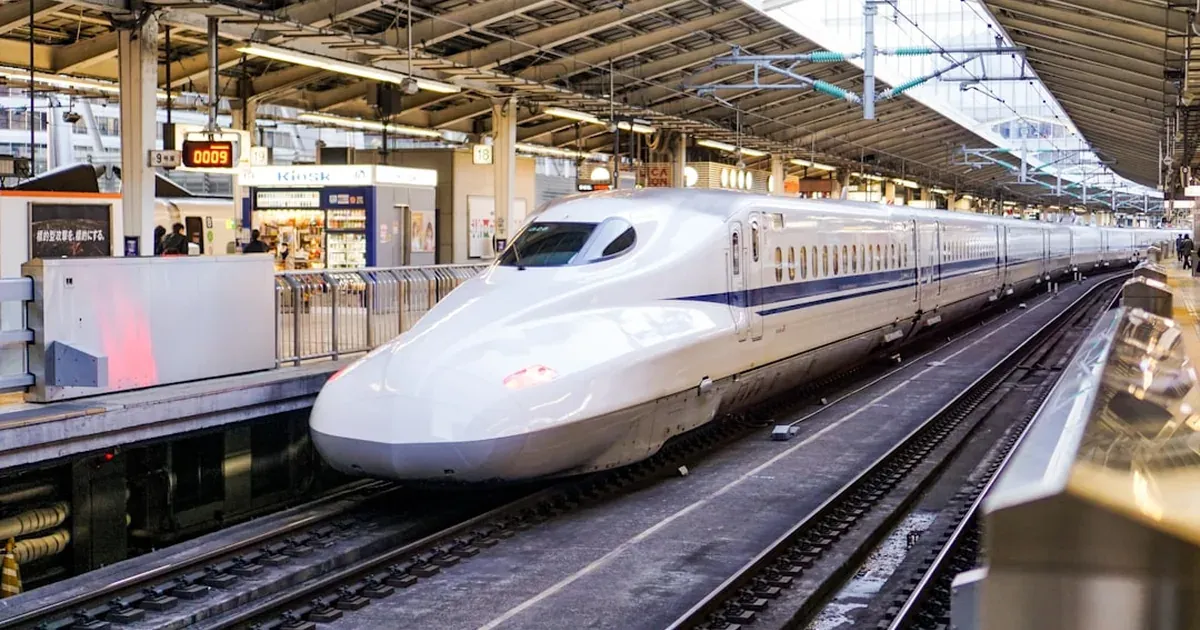
The short answer: for most budget travelers doing the standard Tokyo–Kyoto–Osaka route, the JR Pass is not worth it. Individual tickets are cheaper. The overnight bus is cheaper still.
That is the honest answer that most JR Pass guides avoid — because most guides earn affiliate commission on pass sales. This one doesn’t. The calculation below uses real 2026 fares so you can verify it yourself.
The JR Pass does make financial sense for specific itineraries. Those are covered here too. But for the 80% of first-time Japan visitors doing Tokyo plus Kansai, the national pass costs roughly double what you’d spend on individual tickets. Understanding exactly when the pass works — and when it doesn’t — is the most money-saving single decision in Japan transport planning.
The 2026 JR Pass Prices
Current 2026 prices for the standard Ordinary adult JR Pass: ¥50,000 for 7 days, ¥80,000 for 14 days, ¥100,000 for 21 days.
A smaller increase is scheduled for some purchase channels from October 1, 2026. The 7-day Ordinary pass remains ¥50,000 before that date, while overseas agency purchases are scheduled to rise to ¥53,000. Prices through the official JR Pass website are expected to remain unchanged for a limited period.
The practical implication: If you’re considering a JR Pass and plan to travel after October 1, 2026, buy it through the official JR Pass website (jrpass.com) rather than a third-party agency — the official price stays at ¥50,000 while agency prices rise to ¥53,000.
| Pass type | Current price | From Oct 1, 2026 (agencies) |
|---|---|---|
| 7-day Ordinary | ¥50,000 | ¥53,000 |
| 14-day Ordinary | ¥80,000 | ¥84,000 |
| 21-day Ordinary | ¥100,000 | ¥105,000 |
| 7-day Green (first class) | ¥70,000 | ¥74,000 |
What the JR Pass Covers — and What It Doesn’t
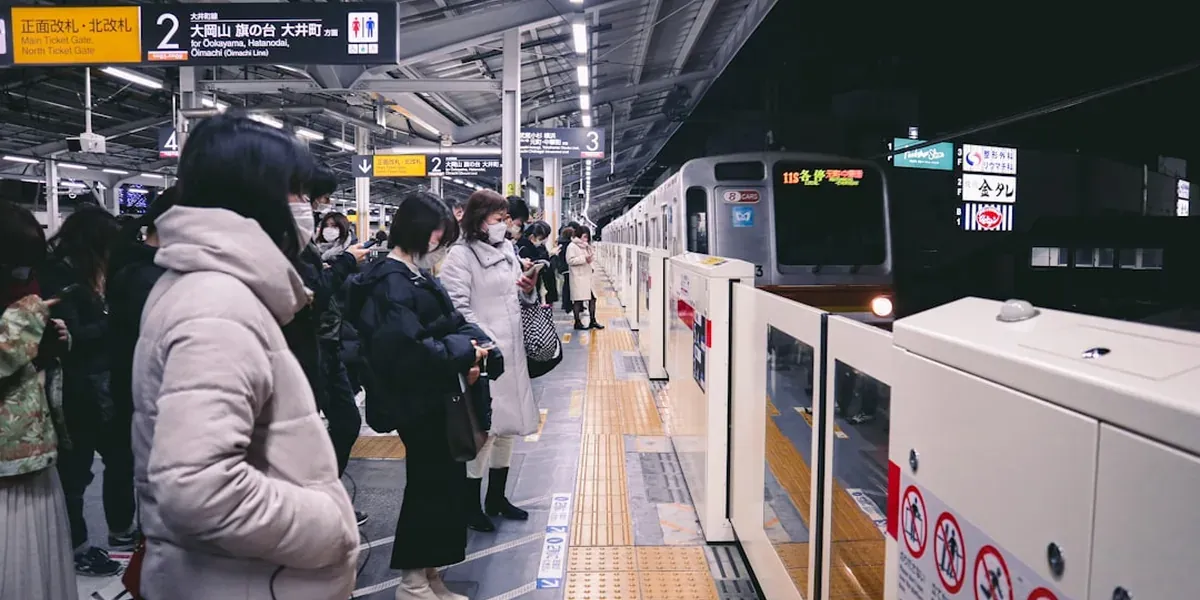
The JR Pass covers:
- Most JR Shinkansen services (Hikari and Kodama on the Tokaido line — NOT Nozomi)
- JR local and rapid trains nationwide
- JR buses on selected routes
- Some JR ferries (including to Miyajima — useful for the Hiroshima guide)
- Narita Express (N’EX) from Narita Airport to Tokyo
The JR Pass does NOT cover:
- Nozomi Shinkansen (the fastest service — if you use a JR Pass on Nozomi, you pay a surcharge per journey)
- Subway systems (Tokyo Metro, Osaka Metro, Kyoto subway — your IC card covers these)
- Private railways (Hankyu, Kintetsu, Odakyu — these cover Kyoto→Osaka and Tokyo→Hakone)
- Reserved seat fees on some services (can be booked free at JR offices with the pass)
The Nozomi exclusion is critical: The Nozomi runs Tokyo–Osaka in 2h 30min versus the Hikari’s 3h. If you want the fastest train, the JR Pass doesn’t cover it without a surcharge. For budget travelers, the Hikari is perfectly fine — 30 extra minutes is irrelevant at this price difference.
The Honest Calculation — Route by Route
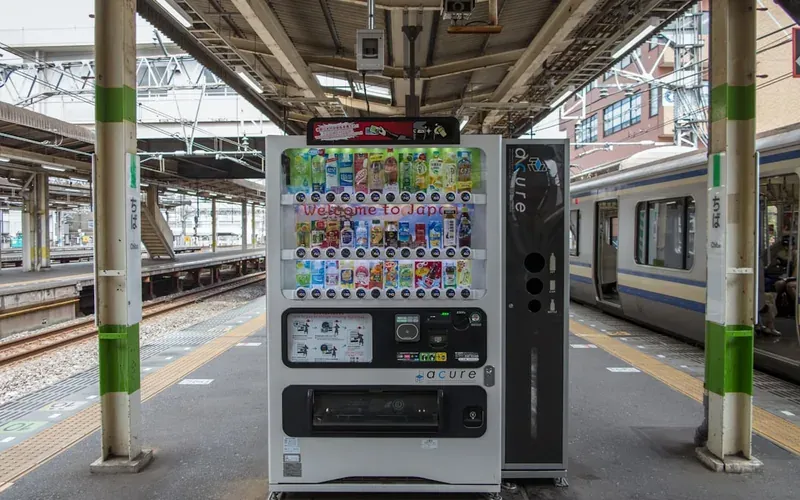
Itinerary 1 — Classic Golden Route (Tokyo→Kyoto→Osaka→back to Tokyo)
This is the most common first-time Japan itinerary — and the one where the JR Pass clearly loses.
Individual ticket cost:
| Route | Train | One-way fare |
|---|---|---|
| Tokyo → Kyoto | Hikari Shinkansen | ¥13,970 |
| Kyoto → Osaka | JR Rapid | ¥570 |
| Osaka → Tokyo | Hikari Shinkansen | ¥13,970 |
| Total | ¥28,510 |
JR Pass cost: ¥50,000
Individual tickets save: ¥21,490
A round trip from Tokyo to Kyoto costs about ¥27,700. If that’s your only major train journey, you’d save ¥22,300 by skipping the 7-day pass and buying individual tickets. The JR Pass is not worth it for this itinerary.
The BudgetYen route is even cheaper: Take the overnight bus Tokyo to Kyoto for ¥3,500 (saving a hotel night), Hankyu from Kyoto to Osaka for ¥410, and Shinkansen back to Tokyo for ¥13,970 only if needed. Total transport: ¥17,880 — saving ¥32,120 versus the JR Pass.
Itinerary 2 — Golden Route + Hiroshima
Adding Hiroshima to the classic route changes the calculation somewhat.
Individual ticket cost:
| Route | Train | One-way fare |
|---|---|---|
| Tokyo → Kyoto | Hikari | ¥13,970 |
| Kyoto → Osaka | JR Rapid | ¥570 |
| Osaka → Hiroshima | Hikari | ¥10,190 |
| Hiroshima → Osaka | Hikari | ¥10,190 |
| Osaka → Tokyo | Hikari | ¥13,970 |
| Total | ¥48,890 |
JR Pass cost: ¥50,000
Individual tickets save: ¥1,110 — barely worth the pass, and only if you also add Nara and Kyoto day trips on JR.
For this itinerary — Tokyo → Kyoto → Osaka → Hiroshima → back — individual tickets total about ¥54,020 depending on exact routes, making the current ¥50,000 pass just barely worth it. Add Nara day trips from Kyoto and the math tips in the pass’s favour.
Verdict for this itinerary: Borderline. The pass makes marginal financial sense — mainly for the convenience of not buying individual tickets rather than significant savings.
Itinerary 3 — Full Western Japan (Tokyo→Kyoto→Osaka→Hiroshima→Fukuoka)
Flying home from Fukuoka rather than returning to Tokyo changes everything.
Individual ticket cost (one direction):
| Route | Train | One-way fare |
|---|---|---|
| Tokyo → Kyoto | Hikari | ¥13,970 |
| Kyoto → Osaka | JR Rapid | ¥570 |
| Osaka → Hiroshima | Hikari | ¥10,190 |
| Hiroshima → Hakata (Fukuoka) | Hikari | ¥5,940 |
| Total | ¥30,670 |
JR Pass 7-day: ¥50,000 — individual tickets save ¥19,330 for this ONE-WAY route. For a one-direction journey from Tokyo to Fukuoka, individual tickets are dramatically cheaper.
The JR Pass only beats individual tickets when the route is extensive and involves backtracking. If your route goes Tokyo → Kyoto → Osaka → Hiroshima → Fukuoka AND back to Tokyo within 7 days:
| Route | One-way fare |
|---|---|
| Tokyo → Fukuoka (all stops) | ¥30,670 |
| Fukuoka → Tokyo direct | ¥22,000+ |
| Total return | ¥52,670+ |
At ¥52,670 in individual tickets versus ¥50,000 for the pass — the pass wins by ¥2,670. But this is a very rushed itinerary (visiting 5 cities in 7 days) that most budget travelers wouldn’t choose.
Itinerary 4 — Tokyo Only With Day Trips
Individual ticket cost for Tokyo day trips:
| Route | Cost |
|---|---|
| Tokyo → Kamakura return (JR) | ¥1,880 |
| Tokyo → Nikko return (JR) | ¥5,360 |
| Tokyo → Hakone (partial JR to Odawara) | ¥1,840 return |
| Total | ¥9,080 |
JR Pass 7-day: ¥50,000 — individual tickets save ¥40,920. The JR Pass is completely wrong for Tokyo-focused itineraries. Use your IC card for Tokyo transport and buy individual tickets for day trips.
The Real Alternatives — Regional Passes Most Blogs Don’t Mention
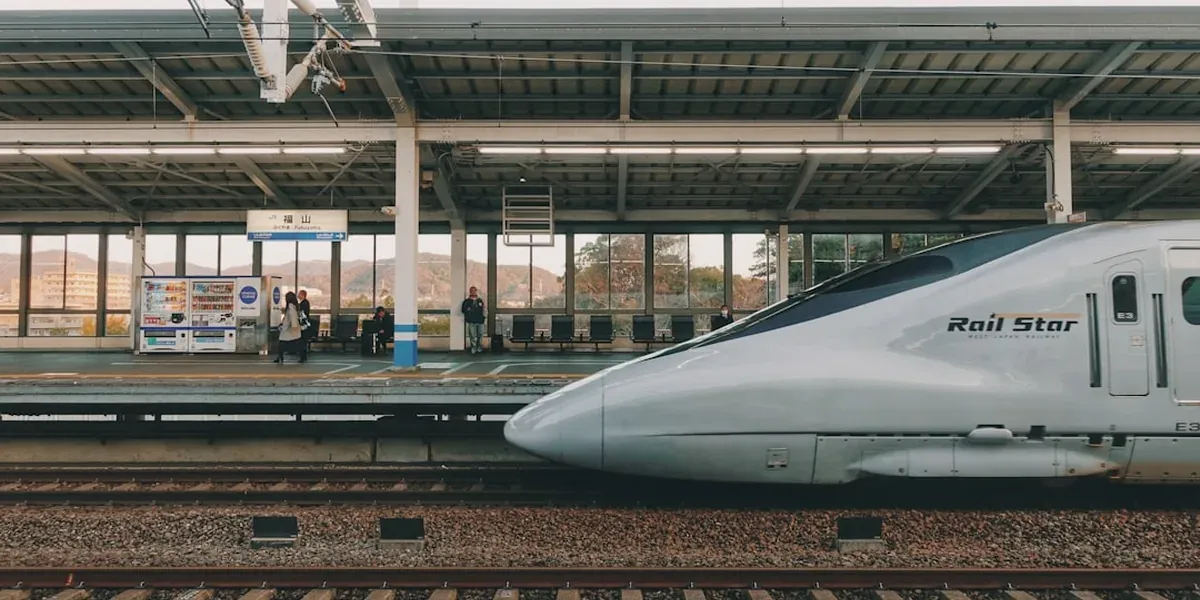
Most people who think they need the JR Pass actually need a regional pass instead. These are much cheaper and cover specific areas, and they’re dramatically under-promoted on many blogs because they pay less affiliate commission than the national pass.
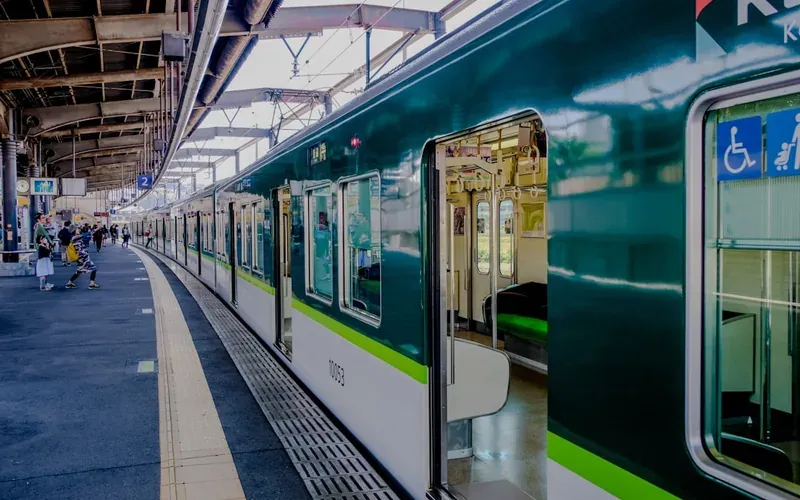
JR West Kansai Wide Area Pass — ¥12,000 for 5 days
The best-value regional pass for most first-time Japan visitors. Covers:
- All JR trains in Kyoto, Osaka, Kobe, Nara, and Himeji
- Shinkansen between Shin-Osaka and Okayama (useful for Hiroshima access)
- Limited Express trains on the Haruka line (useful for Kansai Airport access)
Best for: Travelers spending most of their time in Kansai (Kyoto, Osaka, Nara) with a possible day trip to Hiroshima.
The calculation: A round trip from Kyoto to Himeji by reserved seat runs ¥10,680. Add Osaka day trips and airport access — the ¥12,000 pass pays for itself easily for a Kansai-focused trip.
JR East Flexible 4-Day Pass — ¥15,000
Covers the JR East network around Tokyo for any 4 days within a 14-day validity window. Useful for multiple JR day trips from Tokyo — Nikko, Kamakura, and the Narita Express airport connection.
The calculation: Narita Express return (¥4,070) + Nikko return (¥5,360) + two Kamakura returns (¥3,760) = ¥13,190 in individual tickets. The ¥15,000 pass costs slightly more but adds flexibility for other JR trips.
Best for: Tokyo-based travelers doing 3–4 JR day trips. Not worth it for just one or two day trips.
Sanyo-San’in Area Pass — ¥17,000 for 7 days
Covers western Japan including Kyoto, Osaka, Kobe, Hiroshima, Miyajima, and Fukuoka. JR bullet trains and limited express trains on all these routes.
Best for: Travelers doing the Kyoto → Hiroshima → Fukuoka route who start in Osaka or Kyoto (not Tokyo).
The calculation: Osaka → Hiroshima return (¥20,380) + Hiroshima → Hakata/Fukuoka one-way (¥5,940) = ¥26,320 in individual tickets. The ¥17,000 pass saves ¥9,320 for this western Japan route.
Kansai-Hiroshima Area Pass — ¥13,500 for 5 days
The JR West Kansai-Hiroshima Pass costs ¥13,500 for 5 days covering Osaka, Kyoto, Hiroshima, and surrounding areas. If your itinerary includes multiple days of travel between these cities, this regional pass can save significant money over individual tickets.
Already mentioned in the Hiroshima budget guide as the smart choice for that route. Worth buying specifically if your plan is 2 nights Kyoto + 2 nights Osaka + 2 nights Hiroshima.
The Decision Framework — What to Buy
What is your itinerary?

Tokyo + Kansai (Kyoto/Osaka) only
└── Skip JR Pass entirely
    Tokyo → Kyoto: overnight bus ¥3,500
    Kyoto → Osaka: Hankyu ¥410
    IC card for everything else

Tokyo + Kansai + Hiroshima (return to Tokyo)
└── Borderline — calculate your specific fares
    Individual tickets: ~¥48,890
    7-day JR Pass: ¥50,000
    Slight pass advantage if adding Nara day trips

Tokyo + Kansai + Hiroshima + Fukuoka (fly home from Fukuoka)
└── Skip national JR Pass
    Consider Sanyo-San'in Pass (¥17,000 from Osaka)
    Much cheaper than ¥50,000 national pass

Kansai-focused trip (Kyoto/Osaka/Nara/Himeji)
└── Kansai Wide Area Pass (¥12,000) — strong value

Multiple Tokyo JR day trips (Nikko + Kamakura)
└── JR East Flexible 4-Day (¥15,000)
    or individual tickets (often cheaper)

Very extensive Japan: 3+ regions, 14+ days
└── 14-day JR Pass (¥80,000) may make sense
    Calculate your specific routes first
The Budget Traveler’s Specific Situation
The 2-week Japan budget itinerary on BudgetYen uses:
- Tokyo → Kyoto: overnight bus ¥3,500
- Kyoto → Osaka: Hankyu ¥410
- Osaka → Nara: Kintetsu ¥410 return
- All city transport: IC card
JR Pass cost for this itinerary: ¥0. The entire two-week budget Japan route avoids the Shinkansen for intercity travel and uses cheaper alternatives throughout. A JR Pass would cost ¥50,000 and provide almost no benefit — none of the recommended routes in this guide require JR Rail.
The only situation where our itinerary would benefit from a JR Pass extension: adding Hiroshima and Fukuoka to the standard circuit. In that case, the Sanyo-San’in Pass at ¥17,000 from Osaka provides exactly the coverage needed for a fraction of the national pass price.
How to Buy Individual Shinkansen Tickets
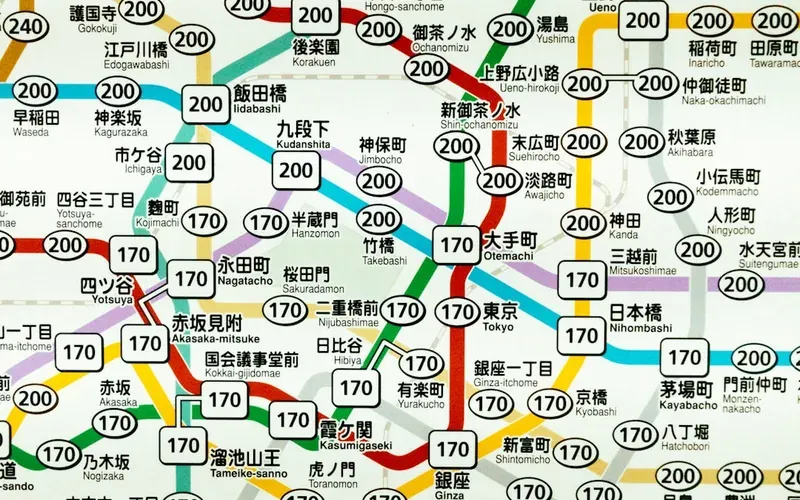
If you’ve decided individual tickets are better for your itinerary (which they are for most BudgetYen readers), here is how to buy them:
Option 1 — Eki-net (JR East’s English booking site): Book Shinkansen tickets online up to 1 month in advance. The Platt Kodama discount ticket (¥11,100 for Tokyo–Kyoto on the slower Kodama Shinkansen) is only available online here — a significant saving over the standard ¥13,970 Hikari fare. Full transport breakdown: Cheapest Ways from Tokyo to Kyoto.
Option 2 — At the station ticket machine: Any JR station has English-interface ticket machines. Select your route, choose between non-reserved and reserved seats, and pay by IC card or cash. Non-reserved seats on Hikari Shinkansen are ¥200–500 cheaper than reserved but mean finding a free seat on boarding.
Option 3 — At a JR ticket office: For complex routes or if you prefer staff assistance. Most major JR stations have English-speaking staff at dedicated tourist counters.
The Platt Kodama deal: The Kodama Shinkansen takes 3h 50min versus 2h 40min for the Hikari — 70 extra minutes. The Platt Kodama ticket costs ¥11,100 online versus ¥13,970 for a standard Hikari reserved seat. For budget travelers who aren’t in a rush: a saving of ¥2,870 per journey for 70 extra minutes of train time. Book exclusively at eki-net.com (not available at ticket machines).
What the JR Pass Is Actually Good For

To be fair to the JR Pass — it does have genuine advantages beyond raw cost:
Flexibility: You don’t need to book specific trains in advance. Just show up at any Shinkansen platform and board any non-reserved Hikari or Kodama. For travelers with flexible schedules who don’t want to commit to specific departure times, this has real value.
Seat reservations included free: With a JR Pass, you can book reserved seats at any JR Travel Service Center at no extra charge. This guarantees a seat on busy routes during Golden Week or cherry blossom season.
Unlimited usage: For travelers who genuinely use the Shinkansen every day of their pass — moving cities daily across multiple regions — the unlimited nature means no per-journey cost anxiety.
Narita Express (N’EX): The airport express from Narita to Tokyo costs ¥3,070 one way normally. If you have a JR Pass, the N’EX is free. For a two-person trip, that’s a ¥6,140 saving from the airport alone — meaningful if your pass is otherwise borderline.
In 2026, the pass remains a strong convenience play for particular profiles — but savvy travelers must run the math. Route planning is essential to validate value.
The One-Paragraph Summary
Since the 70% price increase in October 2023, the JR Pass rarely saves money compared to buying individual Shinkansen tickets. For the popular Golden Route, individual tickets work out cheaper than the JR Pass. For budget travelers following the BudgetYen Japan route — overnight bus to Kyoto, Hankyu to Osaka, IC card everywhere — the national JR Pass is never needed. For travelers adding Hiroshima and flying home from Fukuoka, the Sanyo-San’in regional pass at ¥17,000 provides better value than the ¥50,000 national pass. Run the calculation for your specific itinerary using real 2026 Shinkansen fares (verify at hyperdia.com) before buying anything.
Frequently Asked Questions
Is the JR Pass worth it in 2026?
For most first-time Japan visitors doing Tokyo, Kyoto, and Osaka, no — individual tickets are cheaper. A return trip Tokyo–Kyoto by Hikari Shinkansen costs ¥27,940 versus ¥50,000 for the 7-day JR Pass. The pass only makes financial sense for itineraries covering 4+ cities including Hiroshima and with a return to Tokyo, or extensive multi-region trips of 14+ days.
What are the best alternatives to the JR Pass in 2026?
For Kansai travel: JR West Kansai Wide Area Pass (¥12,000 for 5 days). For western Japan including Hiroshima and Fukuoka from Osaka: Sanyo-San’in Area Pass (¥17,000 for 7 days). For budget Tokyo-to-Kyoto travel: the overnight highway bus at ¥3,500 saves a hotel night and is dramatically cheaper than any Shinkansen option.
Does the JR Pass price increase in October 2026?
Yes — overseas agency purchases of the 7-day Ordinary pass rise from ¥50,000 to ¥53,000 from October 1, 2026. Purchases through the official JR Pass website (jrpass.com) are expected to remain at ¥50,000 for a limited period. If you plan to buy a JR Pass for travel after October 2026, purchase directly through the official website rather than a third-party agency.
Does the JR Pass cover the Nozomi Shinkansen?
No. The Nozomi (and Mizuho) Shinkansen services are not covered by the JR Pass — using them with a JR Pass requires paying a supplemental surcharge per journey. The Hikari Shinkansen, which takes approximately 30 minutes longer on the Tokyo–Osaka route, is fully covered by the JR Pass at no extra charge.
Can I buy the JR Pass in Japan?
No. As of October 2023, the JR Pass can no longer be purchased inside Japan. It must be bought online outside Japan through the official JR Pass website (jrpass.com) or an authorised overseas agency. You receive a voucher which is exchanged for the physical pass at a JR Travel Service Center on arrival in Japan (Narita Airport, Haneda Airport, Tokyo Station, and all major JR stations have counters).
Is the overnight bus better than the Shinkansen for budget travelers?
For the Tokyo–Kyoto route specifically, yes — the overnight highway bus at ¥3,500 is the budget recommendation. It departs around 10–11pm and arrives in Kyoto at dawn, effectively saving both the transport cost and a hotel night. The Hikari Shinkansen costs ¥13,970 for the same journey plus you need one more hotel night. Full comparison: Cheapest Ways from Tokyo to Kyoto.
Prices correct as of May 2026. Shinkansen fares verified at hyperdia.com. JR Pass pricing from jrpass.com. Exchange rate approximately ¥150 = $1 USD.