Japan Mt Fuji Day Trip Budget Guide 2026: 5 Ways to See Fuji Under ¥10,000
A budget traveler's guide to seeing Mount Fuji from Tokyo in 2026 — when Fuji is visible, 5 different day trip options from free Tokyo viewpoints to Kawaguchiko and the actual climb, plus Hakone vs Kawaguchiko, Chureito Pagoda, and the Fuji climbing season.
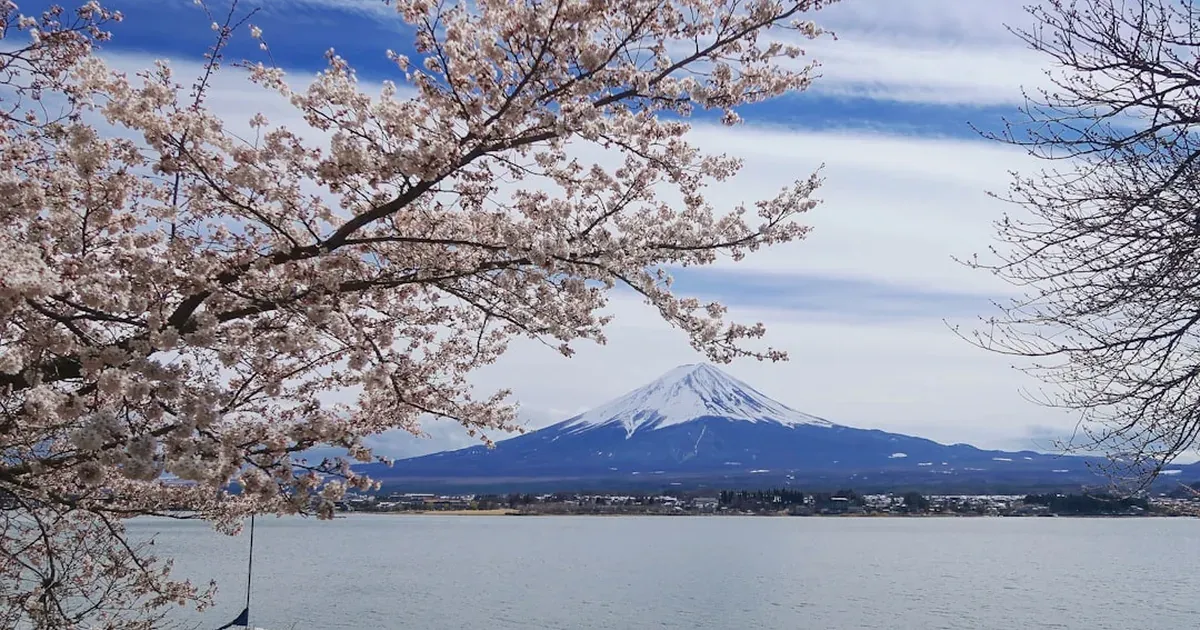
The short answer: see Fuji for free from Tokyo observation decks (¥0–2,500), take a Hakone day trip for the combination of Fuji + onsen (¥5,500–8,000), ride the highway bus to Kawaguchiko for the best Fuji views in Japan (¥4,500–7,000), or climb the mountain itself in July–September (¥8,000–12,000 in gear and huts). Each option has the mountain in the frame — only the price and the company change.
Mount Fuji is visible from Tokyo on roughly 30% of days, from the Fuji Five Lakes area on roughly 70% of days, and from the summit on roughly 50% of climbing days. The 5,776-metre peak is the most photographed mountain in the world and the single most common reason people add a day trip to their Japan itinerary. The right answer depends on your budget, your willingness to wake up early, and whether you want Fuji to be a 4-hour photo stop or a full-day or full-night experience.
This guide covers all five options, when each one is worth the money, and the one common mistake that costs the most first-timers a clear Fuji day.
When You Can See Mt Fuji
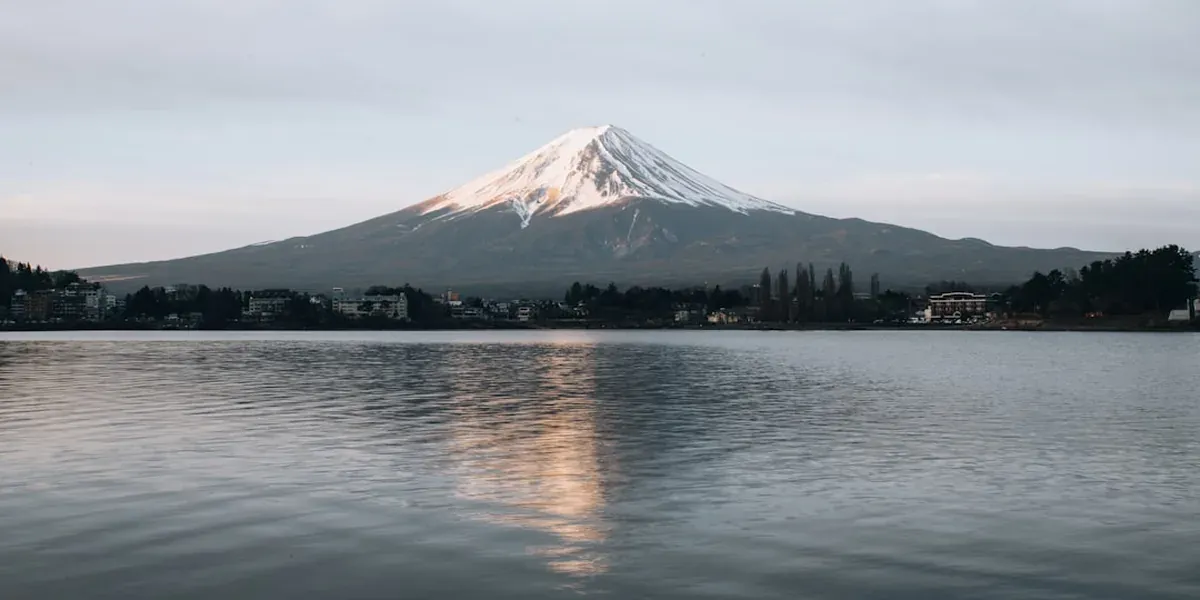
Fuji is weather-dependent. About 30% of days in Tokyo have clear enough skies to see the mountain, and about 70% of days in the Fuji Five Lakes area do. The seasonality matters more than the city.
Best months for Fuji visibility:
- November to February — Visibility 60–80% in the Fuji Five Lakes area. Cold, clear air, no haze. Best for Fuji photography. Avoid for climbing (closed).
- March to early April — Visibility 40–60% in the Fuji Five Lakes area. Cherry blossom backdrop, the most photogenic season. The cherry blossom season guide has more on timing.
- July to early September — Visibility 30–50% in the Fuji Five Lakes area. Hazy, hot, humid. The only time the climbing season is open (mid-July to early September).
- May, June, October — Worst visibility. The rainy season (June) and the typhoon shoulder (October) make Fuji disappear into cloud for days at a time.
Best time of day:
- Early morning (5am–8am) — Highest visibility. Air is cool, no thermals or haze, no afternoon clouds. Most Fuji photographers are at their spot by 6am.
- Late afternoon (4pm–6pm) — Second-best. Air clears as the day cools. Sunset Fuji is the most photogenic moment.
- Midday — Worst. Heat thermals and cloud formation hide the summit by 11am on most summer days.
The 3-day rule: Plan at least 3 days of buffer in your itinerary. If Day 1 has clear Fuji and you’re doing a day trip, take it. If Day 1 is cloudy, you have 2 more chances. This is why Hakone and Kawaguchiko are usually day trips from Tokyo and not a single fixed date.
5 Ways to See Mt Fuji on a Budget
Each option has a different cost, time commitment, and visual. The right answer depends on your budget and your travel style.
Option 1 — Free Tokyo Viewpoints (¥0)
You can see Fuji from Tokyo for free. The visibility rate is lower (about 30% of days) but the cost is zero and the time commitment is minimal.
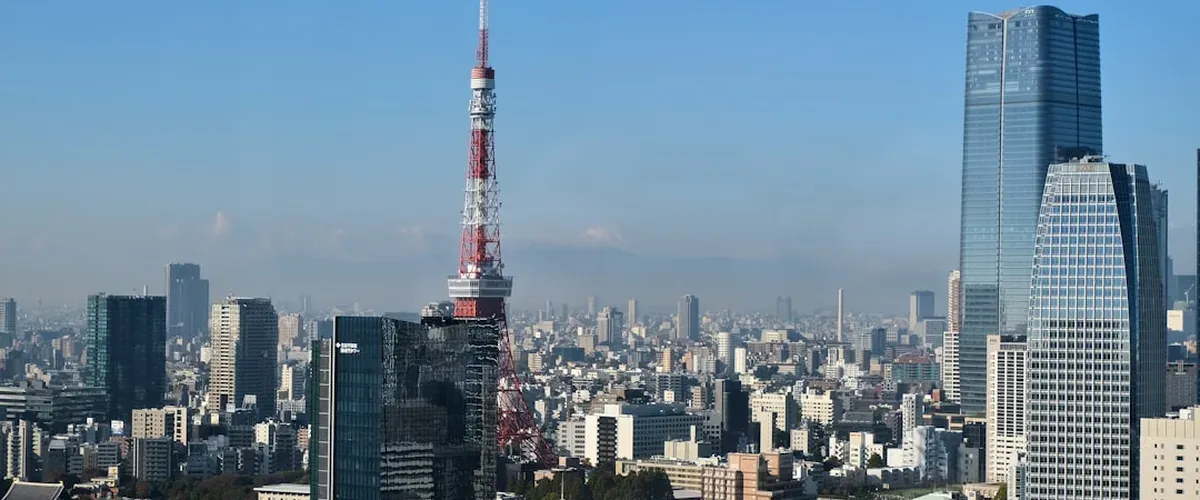
Tokyo Skytree Tembo Deck — ¥2,100 — 350m above the city. On a clear day, the Fuji view is to the west and the mountain stands above the skyline. Most visitors go up for the Tokyo panorama, not specifically for Fuji, but on a clear winter morning the Fuji view is the highlight.
Tokyo Tower Main Deck — ¥1,200 — 150m above the city. Lower than Skytree but with closer Fuji. Open-air top deck (¥3,000) has the best view.
Roppongi Hills Mori Tower Sky Deck — ¥2,500 — 270m above the city. The Sky Deck is open-air. On a clear day, the view west to Fuji is excellent.
Free viewpoints:
- Shibuya Sky observation deck — ¥2,500 (not free, but listed for reference)
- Bunkyo Civic Center observation lobby — Free. 25th floor of a public building, 100m above street. Open until 21:00. Often described as the best free Tokyo observation deck.
- Tokyo Metropolitan Government Building observation deck — Free. 45th floor of the Tokyo city hall, 202m above street. Open until 23:00 (closed some Mondays). A good free option.
Best for: Travelers on a tight Tokyo budget who want to add Fuji to a free Tokyo day. Combine with the free things to do in Tokyo for a zero-cost day with a potential Fuji view.
Option 2 — Hakone Day Trip (¥5,500–8,000)
Hakone is the day trip that combines Fuji + onsen + lake + mountain scenery. It is covered in detail in the Hakone day trip budget guide, and is the right answer for travelers who want the onsen experience as part of the Fuji day.
Fuji from Hakone:
- Owakudani ropeway — Best Fuji view in Hakone. The volcanic valley is in the foreground, Fuji in the distance. ¥1,500 round trip on the ropeway.
- Lake Ashi pirate ship — Fuji in the distance across the lake. ¥1,200 cruise.
- Hakone Yuryo day-use onsen — Outdoor bath with Fuji views on clear days. ¥1,500.
Total Hakone day cost: ¥5,500–8,000 (transport + onsen + ropeway + lunch). Read the full breakdown in the Hakone day trip guide.
Best for: Travelers who want Fuji + onsen in one day, with the convenience of returning to Tokyo for the night. The onsen experience is covered in the Japan onsen budget guide.
Option 3 — Kawaguchiko Day Trip (¥4,500–7,000)
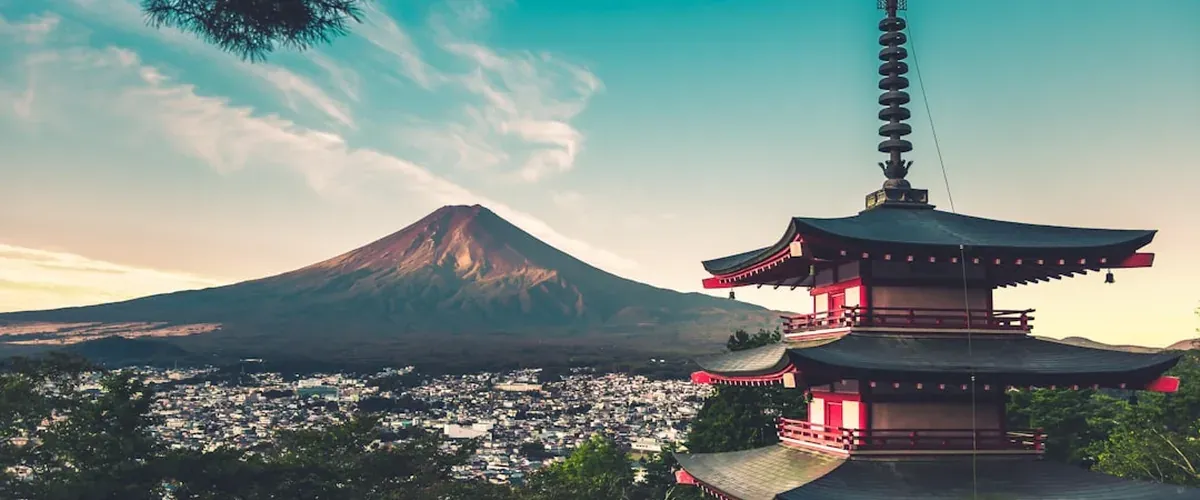
Kawaguchiko is the single best Fuji viewing area in Japan. The Fuji Five Lakes region is at 900m elevation, the air is clearer than Tokyo, and the mountain is closer. About 70% of days have visibility. The 2-hour bus from Shinjuku makes it a real day trip option.
Kawaguchiko highlights:
Chureito Pagoda — free (¥200 for the climb) — The most photographed Fuji viewpoint in the world. 400 steps up from the Arakurayama Sengen Park base. The pagoda is in the foreground, Fuji in the background, cherry blossom trees framing both in spring. ¥200 donation to climb. About 1.5 hours from Kawaguchiko Station by bus and foot.
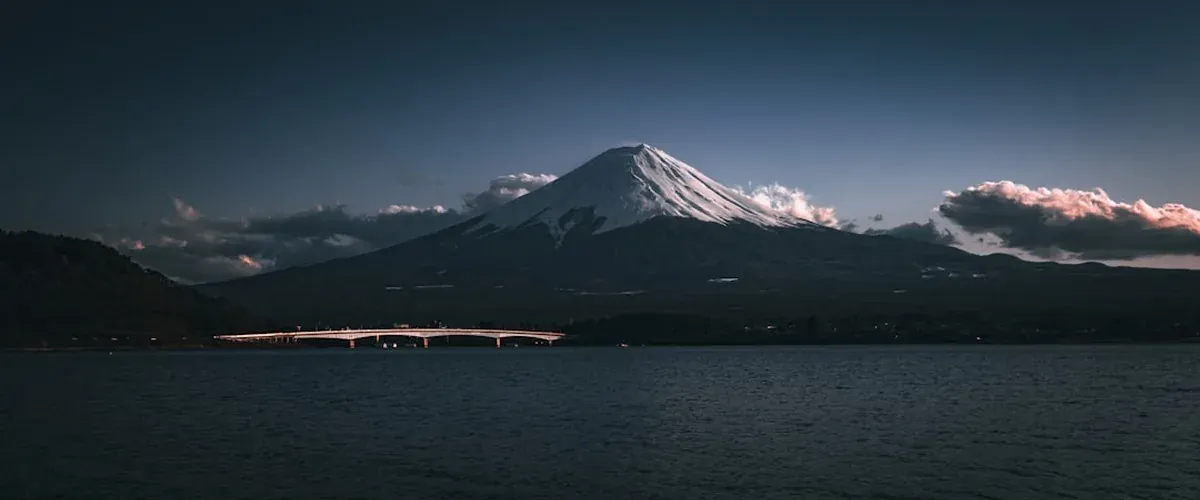
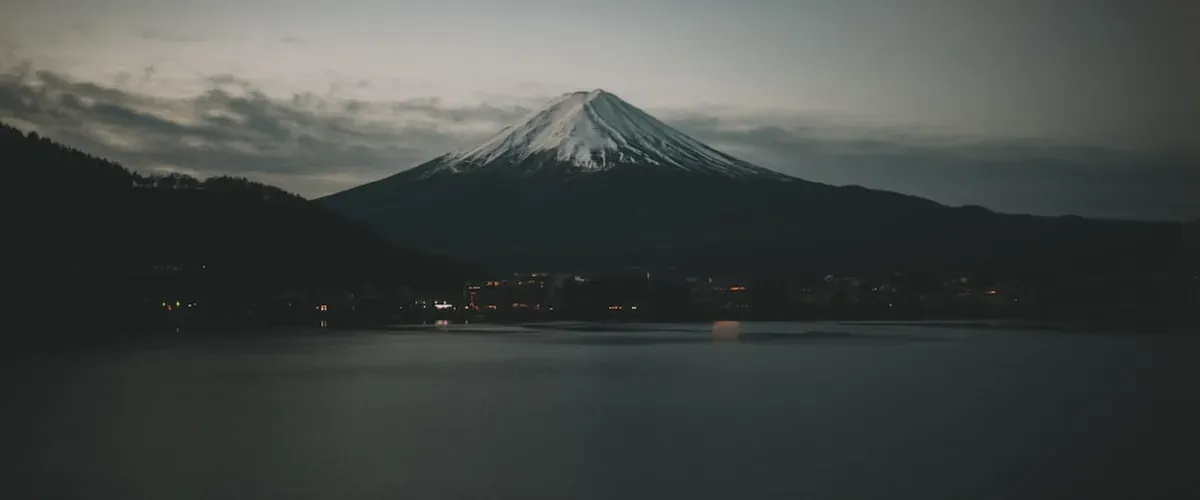
Lake Kawaguchiko north shore — free — Walk or cycle along the north shore of the lake. The clearest Fuji reflection is from the Oishi Park area. The lake is the largest in the Fuji Five Lakes. Free.
Mt. Fuji Panoramic Ropeway — ¥900 — Cable car to the top of Mt. Kachi-Kachi. 4-minute ride, 1,075m above sea level. Fuji fills the western horizon. The 30-minute walk to the summit observation point is gentle.
Kawaguchiko Music Forest Museum — ¥1,800 — A musical instrument museum with gardens. Fuji visible from the upper gardens. Skip if you only have one day in Kawaguchiko and Fuji is the priority.
Fuji-Q Highland — ¥5,700 day pass — The famous roller coaster theme park at the base of Fuji. If you like roller coasters, the Fuji views from the park are spectacular. Combined Fuji + thrill day option.
Total Kawaguchiko day cost: ¥4,500–7,000 (transport + ropeway + lunch). The highway bus from Shinjuku is ¥2,200 one-way. Local buses and the ropeway are cheap.
Best for: Travelers who want the best Fuji views possible in a single day. If you can spare one night in Kawaguchiko, the early-morning and sunset views are better than the day-trip can offer.
Option 4 — Combine Hakone and Kawaguchiko (Multi-Day)
The 2-day combination covers the two best Fuji day trip areas. Most travelers do Tokyo → Hakone → Kawaguchiko → Tokyo in 2 days, with one night in each.
Day 1 (Hakone): Bus from Shinjuku, onsen, ropeway, pirate ship, return to Odawara, train to Kawaguchiko. Stay overnight in Kawaguchiko.
Day 2 (Kawaguchiko): Sunrise Fuji from the north shore, Chureito Pagoda, panoramic ropeway, return to Shinjuku.
Total 2-day cost: ¥14,000–18,000 (transport, onsen, ropeway, 1 night hotel, food). This is the best Fuji experience for the price.
Best for: Travelers with 2 flexible days in the Tokyo region who want the strongest Fuji experience. Pairs naturally with the 2-week Japan itinerary.
Option 5 — Climb Mt Fuji (¥8,000–12,000)
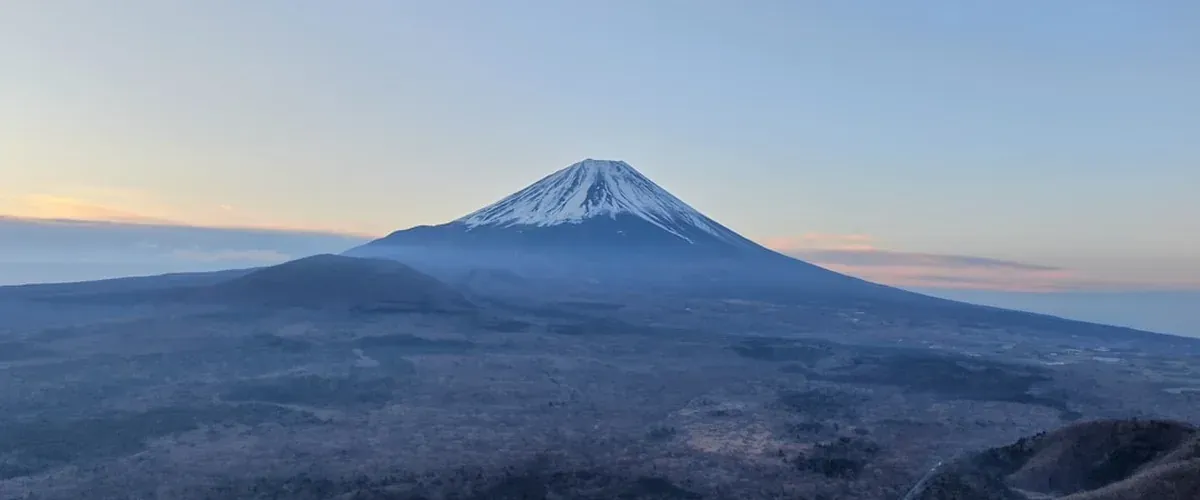
The Fuji climb is one of the most unique experiences in Japan and the only way to see the sunrise from the summit. The official climbing season is July to early September. The four main trails are Yoshida, Subashiri, Gotemba, and Fujinomiya, all originating at the 5th station around 2,300m elevation.
Climb cost:
- Trail access — Free, but a ¥1,000–2,000 voluntary donation at the 5th station is customary.
- Mountain hut overnight — ¥8,000–12,000 per night per person (meals included). The standard Yoshida trail has huts at the 7th and 8th stations.
- Gear — ¥8,000–15,000 if you need to buy everything. Most climbers rent from shops in Tokyo or Kawaguchiko for ¥3,000–5,000.
- Transport — Bus from Shinjuku to Fuji 5th Station, ¥2,700 one-way.
- Total climb cost — ¥20,000–30,000 for a 2-day, 1-night climb including gear, hut, and transport.
The two climb patterns:
Sunrise (Goraiko) climb — Start at the 5th station around 10pm, climb through the night, reach the summit for sunrise (4:30am in July, 5:15am in August). Descend in the morning, return to Tokyo by evening. The classic Fuji experience.
Bullet climb (Yari-bana) — Same as sunrise but the goal is to be at the summit by 4am for sunrise. Many climbers do this in 5–6 hours of continuous climb.
Best for: Travelers with a few days flexibility, basic fitness, and a willingness to do a 1,500m vertical climb in the dark. Most climbers are in their 20s–40s. The mountain is closed the rest of the year for safety.
Hakone vs Kawaguchiko — Which Is Better?
The single most common question is “Hakone or Kawaguchiko?” The honest answer depends on what else you want from the day.
Pick Hakone if:
- You want the onsen experience included
- You want the pirate ship and lake cruise
- You want the Owakudani volcanic valley
- You want to combine Fuji with the onsen town
- You’re a first-timer and the Hakone day trip guide matches a more structured day
Pick Kawaguchiko if:
- You want the best Fuji views possible
- You want the Chureito Pagoda shot
- You want to be closer to the mountain
- You want the Fuji-Q Highland option
- You’re okay with a more DIY day
Pick both if:
- You have 2 days
- You want the strongest Fuji experience possible
- You want variety in the onsen + lake + mountain combo
For most budget travelers, Kawaguchiko wins on Fuji photography and Hakone wins on experience variety. The Fuji from Hakone is often obscured by mountain ridges closer to the camera; the Fuji from Kawaguchiko is the unobstructed icon.
Free vs Paid Fuji Viewing
Most travelers assume they need to pay for the Fuji view. The reality is that the best free spots are in the Fuji Five Lakes area.
Free Fuji viewpoints:
- Chureito Pagoda area (¥200 voluntary climb fee)
- Lake Kawaguchiko north shore
- Lake Yamanaka
- Arakurayama Sengen Park base
- Oishi Park
- The trains between Tokyo and Kyoto (window seat on the right side going west)
- Tokyo Metropolitan Government Building observation deck (free, on clear days)
Paid Fuji viewpoints:
- Mt. Fuji Panoramic Ropeway — ¥900
- Fuji-Q Highland — ¥5,700 day pass (only worth it for the roller coasters)
- Tokyo Skytree Tembo Deck — ¥2,100
- Hakone Owakudani ropeway — ¥1,500
For the most part, the free spots are better than the paid ones. The Fuji-Q Highland option is for thrill-seekers, not Fuji viewers.
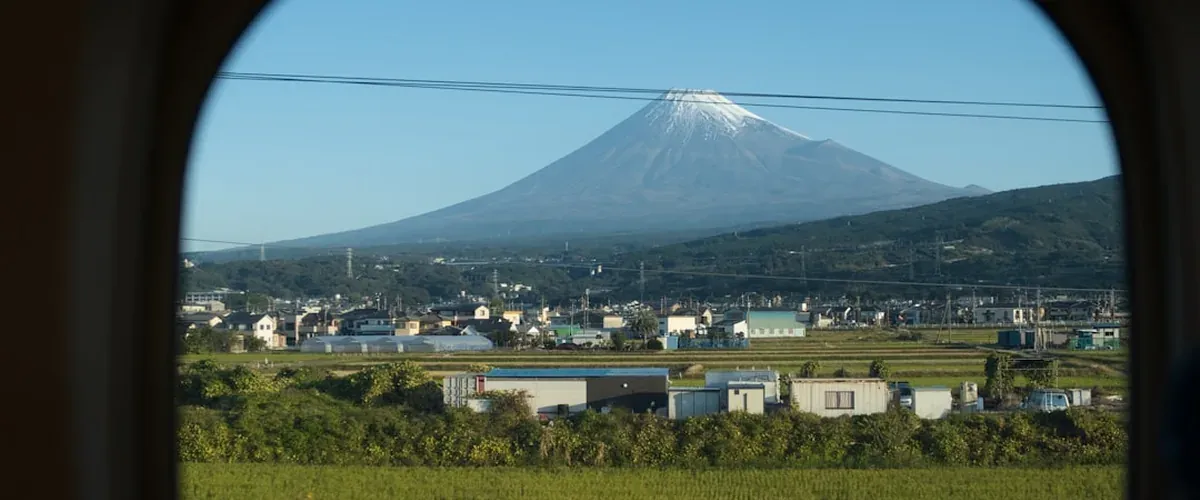
The Shinkansen Fuji view: The Tokyo to Kyoto Shinkansen passes Mt Fuji around 30 minutes after Tokyo. The Fuji view is from the right side of the train (north side) and is unobstructed for about 5 minutes between Mishima and Shizuoka. Sit on the right side, ideally in seats E or F of a 2+2 car. Free with your train ticket.
The One Common Mistake That Costs the Most
The single mistake first-timers make: scheduling the Fuji day trip on a fixed date and not having flexibility. Fuji visibility changes day-to-day. If your target day is cloudy, you don’t see Fuji, and you spent ¥7,000 for the privilege.
The fix:
- Build 2–3 days of buffer around the Fuji day in your itinerary
- Check the Fuji visibility forecast the night before (fuji-san.com has a real-time web camera from Kawaguchiko)
- If the forecast is bad, swap the Fuji day with a Tokyo, Yokohama, or Kamakura day and re-attempt
- Use the Suica/ICOCA card for in-city transport, which means rebooking a day trip is cheap if the bus to Kawaguchiko has good cancellation terms
The other common mistake: Underestimating the crowds. The Chureito Pagoda is genuinely crowded on a clear day in cherry blossom season. Arrive before 6am for a clear shot without other people. The ropeway queues are 30–60 minutes on a clear summer day. The Kawaguchiko bus is often sold out on weekends.
Best Time of Year for Fuji Day Trips
The right month depends on what else you want from the trip.
For Fuji + cherry blossoms: Late March to early April. The Chureito Pagoda and the Fuji Five Lakes have the most photogenic combination. Cold mornings (5–12°C), possible rain. The cherry blossom season budget guide covers this in detail.
For Fuji + climbing: Mid-July to early September. Hot at the base (25–32°C), cold at the summit (5–10°C at sunrise). The only time the climb is open.
For Fuji + autumn foliage: Late October to mid-November. Cool, clear. Less photogenic than cherry blossom but the air is sharper and the crowds are smaller. Pairs with the cheapest time to visit Japan for budget travelers.
For Fuji + winter + clarity: December to February. Cold (–5 to 8°C at the Fuji Five Lakes), but the visibility is the highest of the year. The snow-capped Fuji is the most photogenic. Fewest crowds.
For Fuji + budget: Late November to early December, excluding the New Year week. Lowest accommodation prices, decent visibility, fewest tourists. The cheapest time to visit Japan guide covers this.
Mt Fuji Day Trip Quick Reference
Free options (¥0):
- Tokyo Metropolitan Government Building observation deck
- Bunkyo Civic Center observation lobby
- Shinkansen window seat (right side, north)
- Lake Kawaguchiko north shore walks
Budget day trip options (¥2,200–8,000):
- Hakone day trip (with onsen, ¥5,500–8,000) — see guide
- Kawaguchiko day trip (best Fuji views, ¥4,500–7,000)
- Chureito Pagoda + panoramic ropeway (¥3,200 from Kawaguchiko)
Premium options (¥8,000–30,000):
- Mt Fuji 2-day climb (¥20,000–30,000)
- 2-day Hakone + Kawaguchiko combination (¥14,000–18,000)
- Fuji-Q Highland day pass (¥5,700)
Frequently Asked Questions
Can you see Mount Fuji from Tokyo for free?
Yes. The Tokyo Metropolitan Government Building observation deck (45th floor) is free and open until 23:00. The Bunkyo Civic Center observation lobby (25th floor) is also free. Both are over 100m above the city. On clear days, the Fuji view is 100+ km to the west.
When is Mt Fuji most visible?
December to February has the highest visibility in the Fuji Five Lakes area (60–80% of days). May, June, and October have the worst. The morning (5am–8am) and late afternoon (4pm–6pm) are clearer than midday. Always check the night-before webcams on fuji-san.com before committing to a Fuji day.
Is Kawaguchiko worth a day trip from Tokyo?
Yes, if the weather is clear. The Fuji Five Lakes are at 900m elevation with significantly better visibility than Tokyo. The bus from Shinjuku is 2 hours, ¥2,200 one-way. The Chureito Pagoda, the north shore of Lake Kawaguchiko, and the panoramic ropeway are the three must-sees. A full day including transport, ropeway, and lunch costs ¥4,500–7,000.
How much does it cost to climb Mt Fuji?
The mountain itself is free. The costs are: mountain hut (¥8,000–12,000 per night), gear (¥3,000–15,000 depending on whether you buy or rent), and transport (bus from Shinjuku to the 5th station, ¥2,700 one-way). Total 2-day climb: ¥20,000–30,000 per person.
When can you climb Mt Fuji?
Officially mid-July to early September. The four main trails (Yoshida, Subashiri, Gotemba, Fujinomiya) all open in early-mid July and close in early September. Climbing outside this window is dangerous and strongly discouraged — the snow and ice above 3,000m are not safe without technical gear.
Do I need the JR Pass for Fuji day trips?
No. The Fuji day trip is from Tokyo only — no Shinkansen required. The bus to Kawaguchiko is the main cost. The JR Pass doesn’t cover highway buses. For the JR Pass calculation, only consider it if you’re combining Fuji with a longer Tokyo-Kyoto-Osaka trip.
Is Hakone or Kawaguchiko better for Fuji views?
Kawaguchiko is better for Fuji views specifically — the mountain is closer, the lakes are at 900m, and the Chureito Pagoda is the world’s most photographed Fuji spot. Hakone is better for the experience combination (onsen, ropeway, pirate ship) but the Fuji view is often partially obscured by closer mountains. The honest answer: pick Kawaguchiko for photography, Hakone for the day.
Can you see Fuji on a budget?
Yes. Free Tokyo observation decks (Tokyo Metropolitan Government Building, Bunkyo Civic Center), free Shinkansen window views, and free Kawaguchiko lakeshore walks. The only paid Fuji-specific cost is the ropeway (¥900) or the bus to Kawaguchiko (¥2,200 one-way). A budget Fuji day is ¥2,200–3,500 in total.
What’s the best month to visit Mt Fuji?
For visibility: December to February. For photography: late March to early April (cherry blossoms). For climbing: mid-July to early September. For budget: late November. The Fuji Five Lakes area is the best viewing region in all months.
Can you see Mt Fuji and cherry blossoms at the same time?
Yes, in late March to early April. The Chureito Pagoda and the north shore of Lake Kawaguchiko are the two best spots. The cherry blossom season budget guide covers the timing in detail.
Putting It Together — A Fuji Day on a Budget
A realistic Fuji day trip from Tokyo costs ¥4,500–8,000 including transport, viewing, and food. The total time commitment is 8–14 hours depending on the option chosen.
Sample budget Fuji day (Kawaguchiko, ¥6,200 total):
- Shinjuku → Kawaguchiko highway bus (round trip): ¥4,400
- Chureito Pagoda climb (voluntary): ¥200
- Mt. Fuji Panoramic Ropeway: ¥900
- Lunch at a Kawaguchiko soba shop: ¥1,200
- Coffee or snack: ¥400
- Total: ¥7,100 (¥6,200 if skipping coffee)
Sample budget Fuji day (Hakone, ¥7,200 total):
- Shinjuku → Hakone bus, Hakone Free Pass: ¥6,100
- Hakone Yuryo onsen day use: ¥1,500
- Lunch: ¥1,200
- Total: ¥8,800 (overlapping the Free Pass with bus)
Sample free Tokyo Fuji day (¥0–2,500):
- Tokyo Metropolitan Government Building observation: ¥0
- Bunkyo Civic Center observation: ¥0
- Lunch at a free Tokyo day spot: ¥500–1,000
- Transport (Suica/ICOCA): ¥400
- Total: ¥900–1,400
For a multi-day trip that includes Fuji, see the 10-day Japan budget itinerary, the 2-week Japan budget itinerary, and the cherry blossom season guide for the Fuji + sakura combination. The packing list for Fuji weather is covered in the Japan budget packing list.
Fuji is the single most photogenic landmark in Japan, and it’s free. The honest answer for almost every traveler: take a Kawaguchiko day trip on a clear day, get the Chureito Pagoda shot, and have a backup Tokyo or Kamakura day ready if the weather doesn’t cooperate.
Information correct as of June 2026. Fuji visibility, climbing season dates, ropeway fees, and bus fares may change — verify current terms before booking. Always check the Mt Fuji live camera the night before a planned day trip.