Japan Onsen Budget Guide 2026: Cheap Entry, Etiquette & Tattoo-Friendly Picks
A budget traveler's guide to Japanese onsen — sento vs onsen, hot spring etiquette, day-use options from ¥500, tattoo-friendly spots, and the best cheap onsen in Tokyo, Kyoto, Osaka, and Hakone.
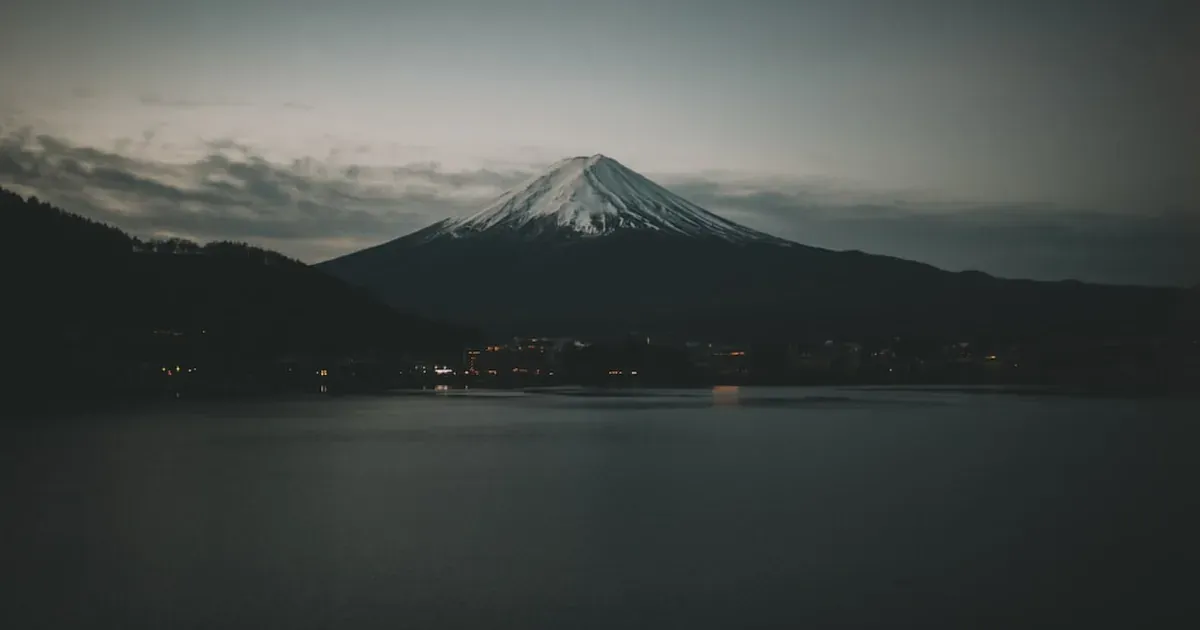
The short answer: skip the hotel onsen, find a public sento or day-use roten onsen, and you’ll soak in real Japanese hot spring water for ¥500–1,500 — often with a Mount Fuji or mountain view included.
Japan has roughly 27,000 hot spring sources and nearly 3,000 onsen towns. Most visitors assume onsen = expensive ryokan stay, but the public bathing culture is the opposite. Sento (neighbourhood public baths) charge ¥450–600. Day-use onsen (higaeri onsen) at hotels and ryokan open to non-guests for ¥800–2,000. Whole towns like Hakone, Kusatsu, and Beppu are built around the cheapest luxury in Japan — soaking in mineral water heated by volcanoes.
This guide covers the etiquette, the cheapest entry points in Tokyo, Kyoto, Osaka, and Hakone, what to do about tattoos, and the small number of health and safety things that catch first-timers out.
Onsen vs Sento — Know What You’re Paying For
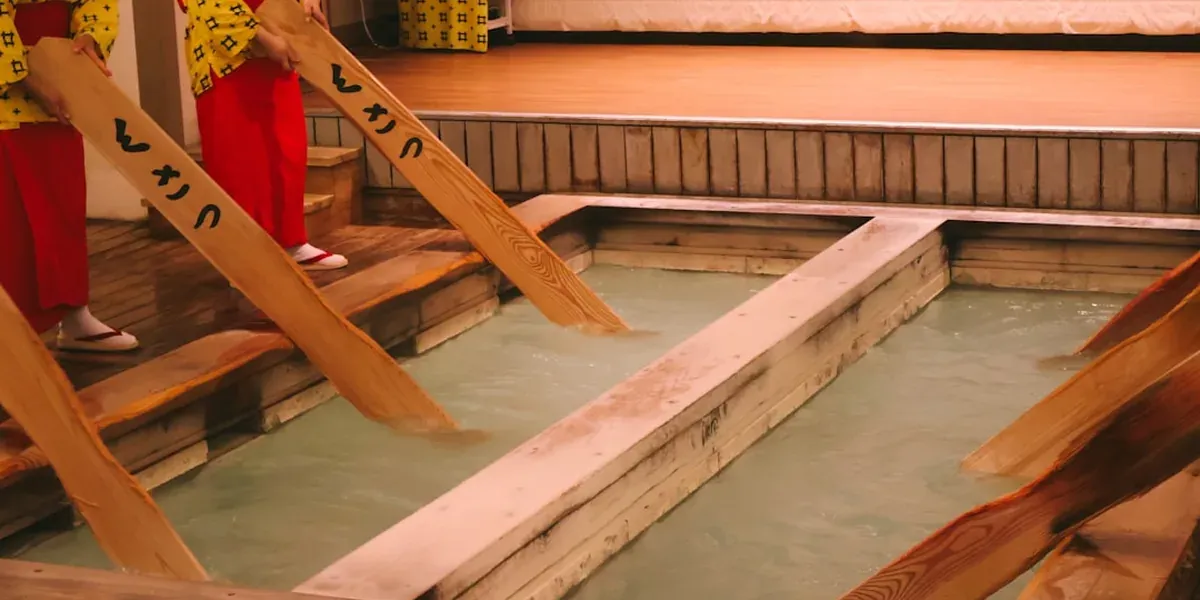
The two words get mixed up in every English guide. They are different things, with different prices and different rules.
Onsen (温泉) — natural hot spring water. Defined by law: the water must be from a natural source, contain at least one of 19 designated minerals, and be at least 25°C at source. Japan’s Hot Spring Law (Onsengō) regulates this. You’ll see 温泉 on signs, on labels, and on official lists. The mineral content matters — sulphur, iron, and sodium bicarbonate springs are said to have different skin and circulation benefits, though no peer-reviewed evidence is conclusive.
Sento (銭湯) — heated tap water public bath. A neighbourhood amenity dating from the Edo period. The water is heated but not from a natural source. Sento is what Japanese families used daily before every home had a bath. They are still everywhere, especially in Tokyo, and they cost ¥450–600.
Super sento (スーパー銭湯) — large spa complexes with multiple baths. Modern version of the sento: usually ¥1,200–1,800 for entry, includes outdoor baths, saunas, jet baths, and sometimes restaurants and massage. This is the best value for tourists who want the onsen experience without the onsen price or travel.
| Type | Price | Water source | Best for |
|---|---|---|---|
| Sento | ¥450–600 | Heated tap | Tokyo budget soak |
| Super sento | ¥1,200–1,800 | Heated tap + minerals | Half-day spa day |
| Day-use onsen (higaeri) | ¥800–2,000 | Natural hot spring | Cheapest real onsen |
| Hotel/ryokan onsen | ¥2,000–5,000 (day pass) | Natural hot spring | Premium day visit |
| Overnight ryokan with onsen | ¥8,000–18,000+ | Natural hot spring | Onsen town trip |
The core insight: you do not need to spend ryokan money to soak in real onsen water. A ¥900 day-use ticket at a hotel in Hakone, Kusatsu, or Gero gives you the same water as a ¥30,000 ryokan stay.
Onsen Etiquette — The Rules That Catch Tourists
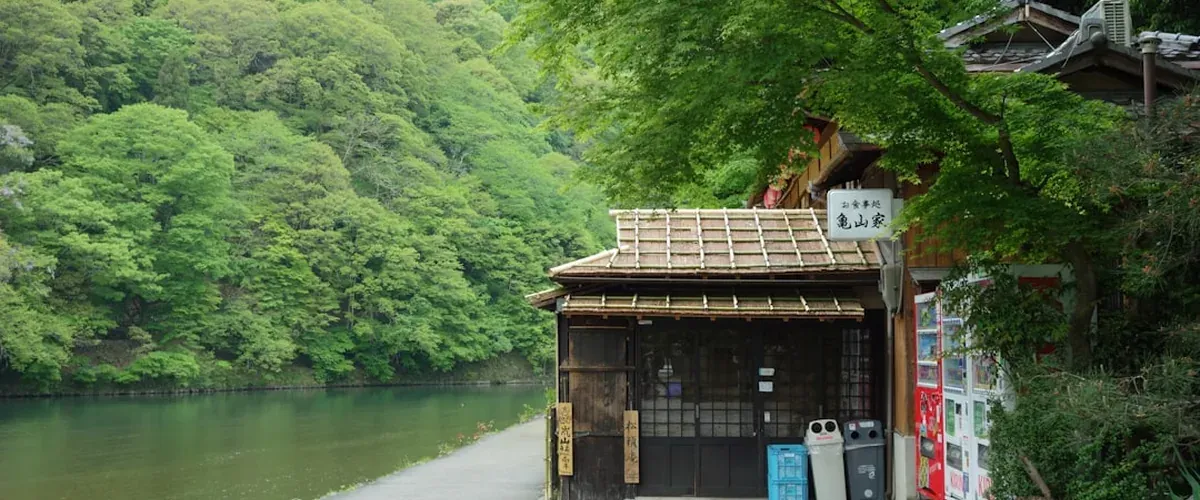
The rules are not complicated, and they exist for hygiene. Every onsen and sento follows the same flow. Get it right once and the rest of your Japan trip is easy.
Before entering the bath:
- Remove all clothing in the changing room (daiyokujō). The changing room is gender-segregated. Place clothes in the provided basket or locker.
- Take only a small towel with you to the washing area. The large bath towel stays in the basket. The small towel is for washing and for modesty when walking to the bath.
- Find a washing station (kakeitai) — small stool, handheld shower, and a bucket.
- Sit on the stool, rinse thoroughly, and wash your body and hair. Use the shower or the bucket. Lather well, rinse completely.
- Stand and rinse off all soap suds before entering the bath. The bath water is shared — any soap ruins it for everyone.
- Enter the bath quietly. No splashing, no swimming, no diving.
In the bath:
- Keep the small towel out of the water. Fold it and place it on your head, or on the side of the bath. Never let it touch the bath water.
- Long hair must be tied up. Most onsen have hair ties at the washing station if you forget.
- Tattoos: cover them where the onsen requires it. See the dedicated section below.
- Phones and cameras are forbidden in the bathing area.
- Don’t bring food or drink into the bath.
The quiet rule. Japanese bathers are often silent or very quiet. Onsen is treated as a meditative experience, not a social space. Chatting softly is fine in an outdoor bath or super sento, but talking loudly in an indoor onsen is considered rude.
The hot rule. Onsen water in Japan runs hot — 38–44°C is common. The first minute can be intense. Test the temperature at the bath edge with your hand first. If too hot, lower yourself slowly. Most onsen have one or two cooler baths for visitors who can’t handle the heat.
Tokyo — Cheap Sento and Onsen
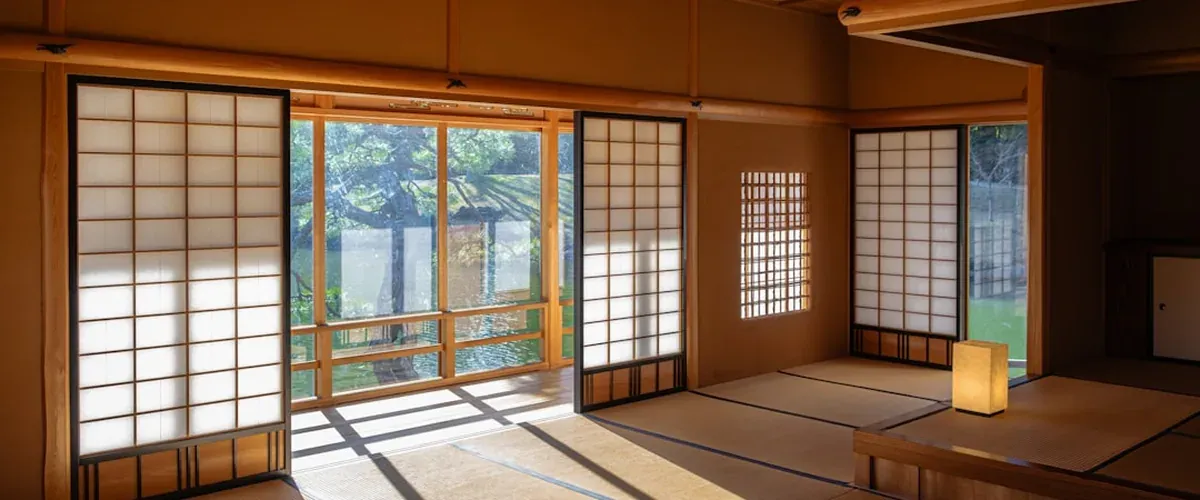
Tokyo has hundreds of sento and a small number of natural onsen. For most travelers on a Tokyo budget itinerary, the sento is the right answer.
Best budget sento in Tokyo:
Hasu no Yu (蓮の湯) — Bunkyo, ¥520 — A traditional Edo-style sento with painted ceiling murals of Mount Fuji. Cash only. Walking distance from several Bunkyo hotels. One of the oldest operating sento in central Tokyo.
Spa Sumidagawa — Ryogoku, ¥1,900 (extended hours) — A super sento with rooftop onsen bath and views over the Sumida River. Open from 11am–9am the next day. Best for the “stay all night” cheap rate on weekdays.
Thermae-yu — Shinjuku, ¥2,200 weekdays / ¥2,700 weekends — A modern spa complex in Kabukicho. Includes indoor and outdoor baths, saunas, and a rest area. Direct connection to the JR Pass route through Shinjuku and minutes from the budget hotels in the area.
Takarayu — Yushima, ¥480 — A retro Showa-era sento with a yellowy-brown mineral water sourced from an underground source. Cash only. Near Akihabara, easy to combine with a free Tokyo day.
Tattoo-friendly Tokyo sento: Takarayu, Hasu no Yu, and most super sento accept tattoos in Tokyo. Ask at the front desk if you have visible tattoos — most have a cover-up sticker or cloth for small tattoos, free of charge.
For a full Tokyo day that includes a sento soak, see the Tokyo budget guide. For the cheap capsule hotel you’ll likely stay in nearby, see the Japan budget accommodation guide.
Hakone — Day-Use Onsen With Mount Fuji Views
Hakone is the easiest onsen town from Tokyo. The Hakone day trip covered in our Hakone budget guide already includes an onsen — but the right choice depends on whether you want real hot spring water or just a hot bath.
Day-use onsen in Hakone (higaeri onsen):
Yunessun Spa Resort — ¥4,500 (full day, includes pool area) — The most touristy onsen in Hakone. Has coffee, wine, and sake baths. The “weird” option. Skip if you want a real onsen, ideal if you want a fun photo experience.
Hakone Yuryo (Hakone Natural Hot Spring) — ¥1,500 — Traditional outdoor onsen with Mount Fuji views on clear days. Multiple bath types, separate male/female, includes yukata rental. The right answer for most budget travelers.
Tenzan Onsen — ¥1,400 weekday / ¥1,500 weekend — 90 minutes from Hakone-Yumoto by bus. Multiple indoor and outdoor baths in a forest setting. Lighter crowds than Yuryo.
Hakone Pax Yoshino — ¥1,000 — Hotel onsen open to day visitors on weekdays. Indoor and outdoor baths, mixed reviews on Fuji visibility. Cheapest reliable day-use in central Hakone.
For transport options and the Hakone Free Pass calculation that determines whether the day trip makes sense, see the Hakone day trip budget guide. The honest answer: Hakone costs ¥5,500–8,500 for a day including transport, onsen, and food.
Kyoto — Bathing in the Old Capital
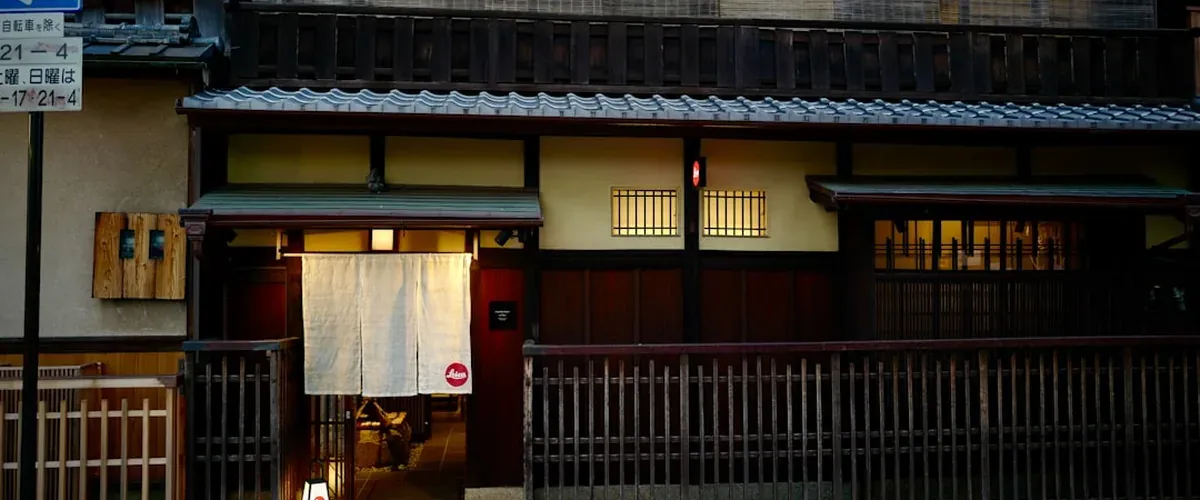
Kyoto has fewer sento and onsen than Tokyo, but the options include some of the most atmospheric baths in the country. Most Kyoto onsen are part of ryokan or hotels and open for day use.
Funaoka Onsen (船岡温泉) — ¥700 — A 1923-built bathhouse in a residential Kyoto neighbourhood. The bath is fed by natural hot spring water. Cash only. North-west of Kyoto Station, walking distance from Kinkaku-ji and a good stop on a free Kyoto day.
Shoraian (松風荘 松蘭) — ¥1,500 — A small traditional bath in Arashiyama. The bath overlooks the Hozu River. Cash only. Often used as a stop on the Nara day trip return via Arashiyama.
Kyoto Yoshikawa Inn Tempura — ¥1,000 day pass for non-guests — Inn with a small onsen in the heart of Kyoto. Lunch or tea in the tempura restaurant required. Quiet, central, and good for combining with the Kyoto free things to do walk.
Houryu-no-yu (鳳龍の湯) — ¥1,000 — Modern super sento north of Kyoto. Multiple indoor and outdoor baths, saunas, and a rest area. Tattoo-friendly with cover stickers.
For overnight options in Kyoto, the Japan budget accommodation guide covers capsule hotels and hostels in central Kyoto. For a ryokan experience, plan one night in Arashiyama — see the 2 weeks Japan itinerary for ryokan timing.
Osaka — Super Sento and Spa World
Osaka has fewer onsen than Tokyo or Kyoto but the city’s super sento are excellent. Spa World is the most famous, but several neighbourhood options are cheaper and more local.
Spa World — Nishi-ku, ¥1,500 for 3 hours / ¥2,400 all day — A tower of themed baths covering European, Asian, and Middle Eastern styles. The European zone has 16 bath types. The Asian zone (which rotates between male and female weekly) has Japanese onsen, Korean, and Chinese-style baths. Rooftop pool in summer. The closest onsen to a theme park in Japan.
Yumenosato — Taisho, ¥750 weekday / ¥850 weekend — A traditional sento with an outdoor bath and a Mount Fuji painted ceiling. Open 3pm–1am — perfect for an evening soak after a day in Dotonbori.
Shin-Saibani Natural Onsen — Kita-ku, ¥1,000 — Modern super sento in the Umeda area with multiple bath types and a sauna. Direct connection from the JR Yumesaki Line and walking distance from Osaka Station.
Tattoo situation in Osaka: Spa World historically had a strict no-tattoo policy, but since 2023 they allow tattoos with cover stickers (free at the front desk). Yumenosato and Shin-Saibani are tattoo-friendly with no restrictions.
For the Osaka street food you’ll want after your soak, see the Kyoto to Osaka street food guide. For the Dotonbori night walk, see the free things to do in Osaka.
Tattoos at Onsen — The 2026 Situation
Tattoo rules at onsen and sento have softened significantly since 2020, but the situation is not consistent. Here’s the honest picture for 2026.
Strict no-tattoo (rare in 2026): Some traditional ryokan, especially in rural onsen towns, may still refuse entry. About 5% of major onsen facilities. Always call ahead or check the website’s FAQ.
Cover-with-sticker (most common): Most onsen now offer free tattoo cover stickers at the front desk. Small tattoos can be covered with the 8cm × 8cm stickers. Larger tattoos require a cover band or a small cloth wrap — also usually free. This is the new normal in 2026.
Tattoo-friendly (no restrictions): Super sento, modern hotel onsen, most Tokyo sento, and many urban facilities have no restrictions. Look for the ” tattoos welcome” symbol or check the website.
Tattoo-friendly onsen and sento in 2026:
| Facility | City | Tattoo policy |
|---|---|---|
| Spa Sumidagawa | Tokyo | Welcome, no restriction |
| Takarayu | Tokyo | Welcome, no restriction |
| Senso-ji’s public bath | Tokyo | Cover stickers free |
| Funaoka Onsen | Kyoto | Cover stickers free |
| Spa World | Osaka | Cover stickers free (since 2023) |
| Tenzan Onsen | Hakone | Welcome, no restriction |
| Hakone Yuryo | Hakone | Cover stickers free |
| Most super sento | Nationwide | Welcome, no restriction |
If you have a tattoo larger than your hand, the cleanest approach is to choose a tattoo-friendly facility and not test the rules. The exception is onsen towns like Kusatsu and Beppu, where traditional ryokan still apply strict rules — research before booking.
Day-Use Onsen Across the Onsen Towns
For a serious onsen experience, plan one night or day at a real onsen town. The cheapest onsen towns in 2026 are all reachable by budget transport.
Kusatsu (Gunma) — 2.5 hours from Tokyo — Japan’s most famous onsen town. Free public yubatake (hot spring field) and a free ashiyu (foot bath). The town itself is the attraction. Day-use options at Sainokawara Rotemburo (¥600) and Otaki-no-yu (¥800). The cheapest natural onsen soak in Japan. See the Tokyo to Kyoto budget guide for the bus route.
Hakone (Kanagawa) — 90 minutes from Tokyo — Covered in detail above. Day-use onsen from ¥1,000. The most accessible real onsen town from Tokyo.
Gero (Gifu) — 2 hours from Nagoya — A quieter alternative to Hakone. Free ashiyu along the Hida River. Day-use onsen at Sugata-kan (¥1,000) and the Jōkan public bath (¥700). Best for travelers doing the Tokyo to Kyoto route via Nagoya.
Beppu (Oita, Kyushu) — 5 hours by train from Osaka — The largest onsen town in Japan with 8 jigoku (hot spring pools) and hundreds of bath houses. Day-use at Takegawara (¥150, the cheapest natural onsen in Japan) and several onsen in the Kannawa area. See the Fukuoka budget guide for how to combine a Kyushu trip.
Dogo Onsen (Ehime, Shikoku) — 3 hours by train from Osaka — A 4,000-year-old bathhouse. The main building inspired the bathhouse in Spirited Away. ¥1,200 for the main bath. Worth the trip if you’re exploring Shikoku.
For the broader trip planning that includes an onsen town, see the 10-day Japan budget itinerary or the 2-week Japan budget itinerary.
What to Bring to an Onsen
The Japan budget packing list covers the basics. For an onsen visit specifically, here’s what to bring and what the bathhouse provides.
The bathhouse provides:
- Soap and shampoo at the washing station
- Hair ties (if you forget)
- A small towel (usually — but you can bring your own)
- A large bath towel in the changing room
- Lockers for clothes and valuables
Bring from home:
- Your own towel if you prefer (saves the rental fee at some super sento)
- A small bag for toiletries
- A hair tie if you have long hair
- A small amount of cash (¥500–2,000 for entry, ¥100–500 for any drinks or post-soak purchases)
What NOT to bring:
- Phone or camera — strictly forbidden in the bathing area
- Books or reading material — also forbidden
- Food and drink — buy them in the rest area afterwards
Tattoo cover supplies: Some travelers bring their own 8cm × 8cm fabric tape. Most onsen provide these for free, but having your own removes the front-desk step.
For the small toiletries bag you bring, see the Japan convenience store food and essentials guide for what to top up at konbini if you forget anything.
The Onsen Health and Safety Rules
The risks at onsen are small but real. First-timers should know three things.
Heat exhaustion. Onsen water in Japan is hot — 38–44°C is common. The first 60 seconds feel intense. Limit your soak to 10–15 minutes, then sit in the rest area. Drink water before and after. Most super sento provide free cold water taps in the bathing area.
Heart conditions and pregnancy. Hot water affects blood pressure. The Japan Onsen Association and most public bath houses recommend avoiding onsen if you have high blood pressure, heart conditions, or are pregnant. Signs are posted in the changing room.
Tattoo-related health and safety. The tattoo restriction is a social one, not a health one. There’s no medical reason tattoos can’t enter onsen. The rule exists because yakuza traditionally have full-body tattoos. Modern facilities have moved past this.
For medical coverage if anything does go wrong, see the Japan travel insurance 2026 guide. The Japan healthcare system is excellent but expensive for tourists without coverage.
Onsen Etiquette Do’s and Don’ts Cheat Sheet
Do:
- Wash thoroughly at the washing station before entering the bath
- Tie up long hair
- Keep the small towel out of the bath water (on your head or the edge)
- Lower yourself slowly — onsen water is hot
- Drink water before and after
- Sit in the rest area between soaks
- Speak quietly
Don’t:
- Bring a phone or camera into the bath
- Swim, splash, or dive
- Put the towel in the bath water
- Soap up inside the bath
- Drink alcohol and soak
- Take photos of other bathers
Don’t worry about:
- Body shape or appearance — everyone is naked
- Tattoos — most facilities accommodate
- The washing ritual — locals will not judge
- Modesty — the small towel is for comfort, not for covering up
Frequently Asked Questions
How much does an onsen cost in Japan?
A public sento in Tokyo costs ¥450–600. A super sento costs ¥1,200–1,800. A day-use onsen (higaeri) at a hotel or ryokan costs ¥800–2,000. A ryokan stay with onsen starts at ¥8,000/night per person including meals. The cheapest natural onsen soak in Japan is Takegawara in Beppu at ¥150.
Can you go to a Japanese onsen with tattoos?
Yes, in most places. The 2026 situation: most super sento and many traditional onsen are tattoo-friendly. Many others offer free cover stickers. A small number of traditional ryokan, especially in rural onsen towns, still refuse entry. Call ahead for traditional facilities, or choose a tattoo-friendly option listed in this guide.
Do you have to be naked at a Japanese onsen?
Yes — bathers are naked in the bathing area in the standard onsen and sento. Towels are kept out of the bath. This is non-negotiable in traditional onsen. The exception is private family baths (kashikiri-buro) where you can wear a swimsuit or stay in swimwear if you book a private room.
Are onsen worth visiting in summer?
Yes. Onsen are year-round. Many travelers prefer them in winter for the contrast between the cold air and hot water, especially outdoor rotemburo. Summer is also fine — the water temperature is constant, and many onsen towns are in cooler mountain areas. Some super sento have cold-bath options specifically for summer.
Can you use an IC card at an onsen?
Most public sento and super sento accept IC cards. Smaller traditional sento and onsen may be cash only. For ryokan day-use, cash or card is usually accepted. See the Suica vs ICOCA vs PASMO guide for the full IC card setup.
What time of day is cheapest to visit an onsen?
Super sento are cheapest on weekday mornings. Day-use onsen at hotels are often cheaper Monday–Thursday. Some facilities offer discounted “early morning” or “late evening” rates. The cheapest natural onsen are public baths in onsen towns, which are always ¥150–800.
Do you tip at an onsen?
No. Tipping is not customary in Japan and can be considered rude. Just pay the entry fee, follow the rules, and you’re done.
Is it safe to go to an onsen alone?
Yes. Solo bathing is the norm in Japan, especially at sento. Many travelers and businesspeople visit alone after work. Solo women are very common at super sento. The single safety note: keep small valuables in the provided locker and bring ¥100 coins for the locker refund.
Putting It All Together — The Budget Onsen Day
A realistic onsen day in any major Japanese city costs ¥1,500–3,000 including entry, transport, and a post-soak meal.
Example day in Kyoto (¥2,300 total):
- Funaoka Onsen entry: ¥700
- JR Sagano Line round trip from Kyoto Station: ¥240
- Post-soak dinner at a local ramen shop: ¥900
- Tea or drink at the sento rest area: ¥200
- Total: ¥2,040
Example day in Hakone (¥5,500 total):
- Hakone Free Pass with return bus from Shinjuku: ¥6,100 (or ¥2,200 bus only, no pass)
- Hakone Yuryo day-use onsen: ¥1,500
- Lunch at a Hakone soba shop: ¥1,200
- Coffee at a rest area: ¥400
- Total: ¥5,500–9,200 depending on pass
Example day in Tokyo (¥1,800 total):
- Thermae-yu entry (Shinjuku): ¥2,200 weekdays
- Yamanote Line round trip: ¥400 (use IC card)
- Konbini post-soak meal: ¥500
- Total: ¥2,800
This is one of the cheapest luxuries in Japan. A hot spring soak with mountain or city views for under ¥1,500 is genuinely excellent value, and the experience is more memorable than a ¥5,000 tourist activity.
For a broader Japan trip plan, see the 10-day Japan budget itinerary, the 2 weeks Japan budget itinerary, and the cheapest time to visit Japan guide to combine an onsen trip with a budget-friendly travel window.
Information correct as of June 2026. Onsen entry fees, tattoo policies, and access rules may change — verify current terms with individual facilities before visiting. The Hot Spring Law (Onsengō) governs official onsen classification in Japan.