Free Things to Do in Osaka 2026: Budget Day-by-Day Guide
The budget traveler's Osaka guide — free castle park, free shrine, free Dotonbori walk, and how to do a full Osaka day for under ¥2,500 in 2026.
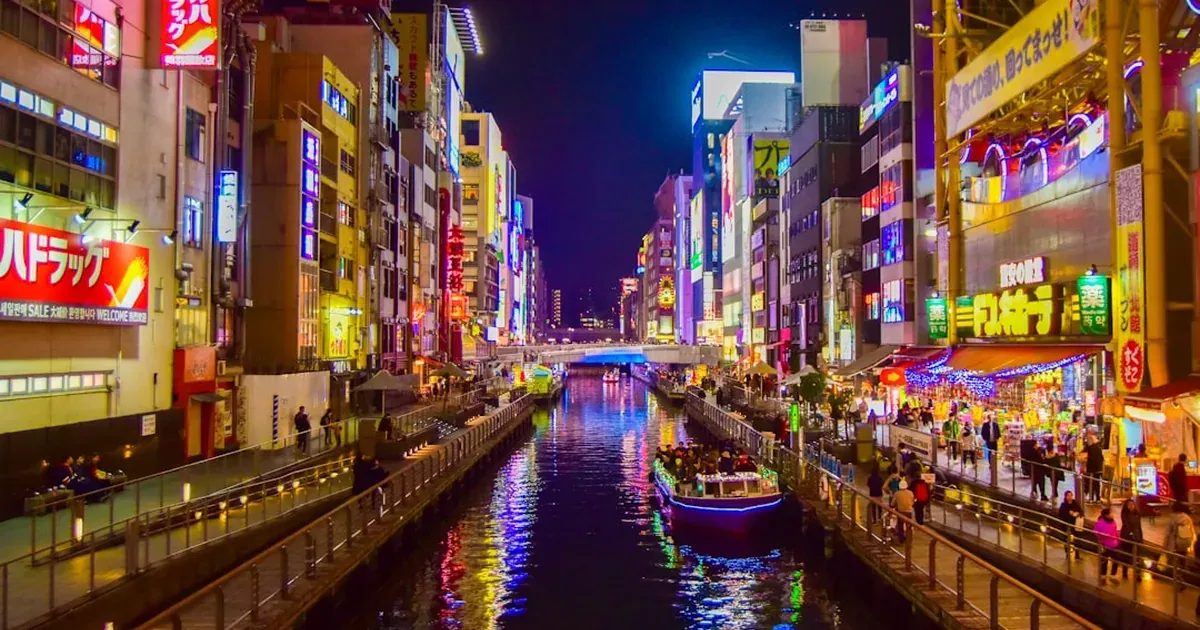
Osaka delivers exceptional travel value as Japan’s most affordable major city, with authentic cultural experiences at costs 15–30% below Tokyo equivalents. And the best part for budget travelers: most of Osaka’s finest experiences cost nothing at all.
Dotonbori canal at night — free. Osaka Castle Park — free. Sumiyoshi Taisha, one of Japan’s oldest shrines — free. The retro Shinsekai neighbourhood — free. Japan’s longest covered shopping arcade — free. A full Osaka day built around these experiences, with konbini meals and IC card transport, costs under ¥2,500. That’s the target this guide is built around.
This is the third article in BudgetYen’s free-things trilogy — the same budget-first approach applied to Tokyo and Kyoto now covering Japan’s most underrated major city. Osaka rewards the same strategy: arrive early, walk further than the crowds, eat at konbini or markets rather than tourist restaurants, and discover that the best parts of the city don’t have an entry fee.
The Osaka Budget Rule — Walk South, Eat Cheap, Stay Late
Three principles make a free Osaka day work:
Walk between Namba and Tennoji. The spine of central Osaka runs south from Namba through Shinsaibashi and Dotonbori to Shinsekai and Tennoji. It’s 3km on foot — a 40-minute walk covering the most interesting free streets in the city. Skip the subway for this stretch and you save ¥260 while seeing more.
Eat at markets and konbini, not tourist restaurants. Dotonbori’s restaurant strip charges tourist prices. The Kuromon Market, Tenjimbashi-suji arcade’s local eateries, and any 7-Eleven serve better value. Full konbini strategy: Japan Convenience Store Food Guide.
For which neighborhood to actually base in, see the Osaka neighborhoods guide — spoiler: Dotonbori is rarely the right answer.
Stay until dark. Osaka at night is the best version of Osaka. Dotonbori’s neon reflections, Shinsekai’s retro lanterns, Hozenji Yokocho’s stone temple alley — these are all free and dramatically better after sunset. Budget no extra money for the evening. Just show up.
The Best Free Things in Osaka — By Neighbourhood
Dotonbori and Namba — Start Here After Dark
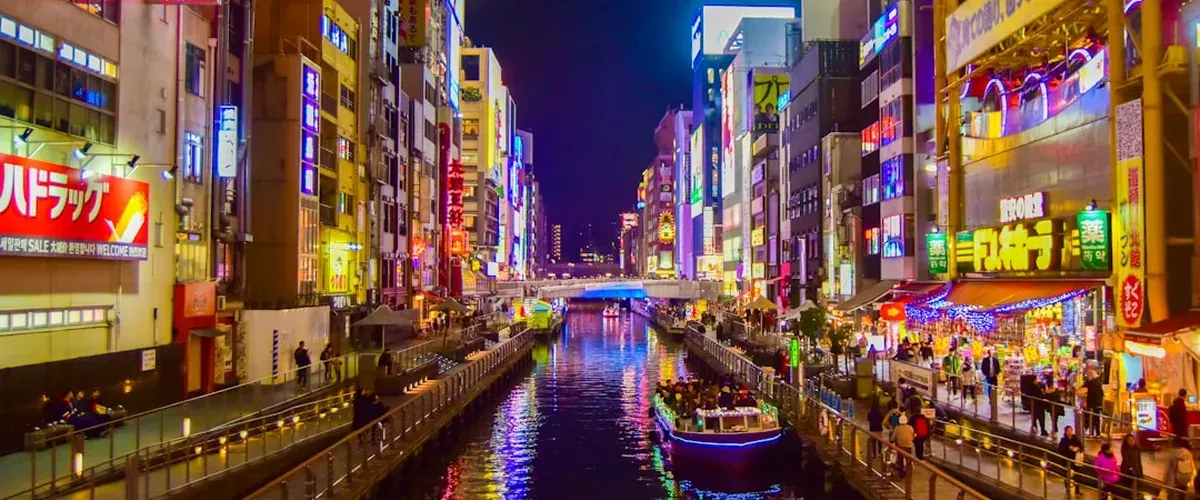
Dotonbori is Osaka’s most famous district and it costs nothing to walk through. The canal, the neon signs, the Glico Running Man billboard, the crowds — all free, all day and all night.
The Glico Man: The iconic illuminated billboard of a runner crossing a finish line, installed by confectionery company Glico in 1935. It has become the symbol of Osaka. Free to look at and photograph from the Ebisu-bashi bridge that spans the canal directly below it.
Dotonbori canal walk: The 500-metre canal-side path from Ebisu-bashi to Namba is Osaka at full intensity — giant food-themed signs (the crab with moving claws, the blowfish lantern, the octopus on every takoyaki shop), neon reflections on the water, and the compressed energy of thousands of people all heading somewhere. Free to walk any time, best after 7pm when the lights hit the water properly.
Hozenji Yokocho — free, unmissable:
Wander off the main path through narrow streets towards Hozenji Yokocho, an alleyway that still retains traditional charm and is much quieter than Dotonbori’s main drag. Pause at the lantern-lit Hozenji temple, for which this alley gets its name. The tiny Hozenji Fudoson temple is covered in moss from decades of water offerings — visitors pour water over the stone deity to make a wish. One of the most atmospheric free spots in Osaka and a three-minute walk from the neon chaos of Dotonbori.
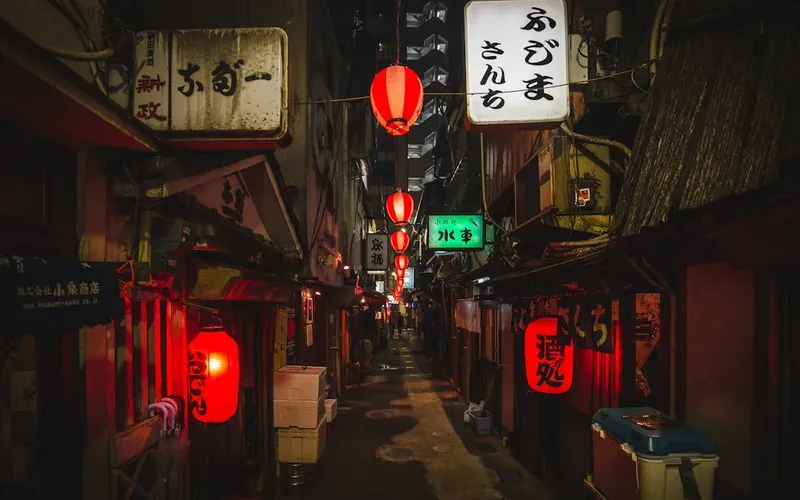
Amerika-mura (Ame-mura) — free: Amerika-mura is a hub for trends in Shinsaibashi. Triangle Park is located in the middle and often attracts those looking to relax and watch performances by aspiring comedians and musicians. Free to walk, excellent for street fashion observation, and the Triangle Park performances are a genuinely Osaka experience — stand-up comedy, buskers, and impromptu dance battles happen here on weekends.
Shinsaibashi-suji Shopping Arcade — free: A covered shopping arcade stretching from Dotonbori north towards Shinsaibashi Station. Free to walk, lined with both budget and luxury stores. The contrast between the 100-yen shops and the Hermès boutique is very Osaka. Good rain shelter, good people-watching.
Osaka Castle — The Free Version
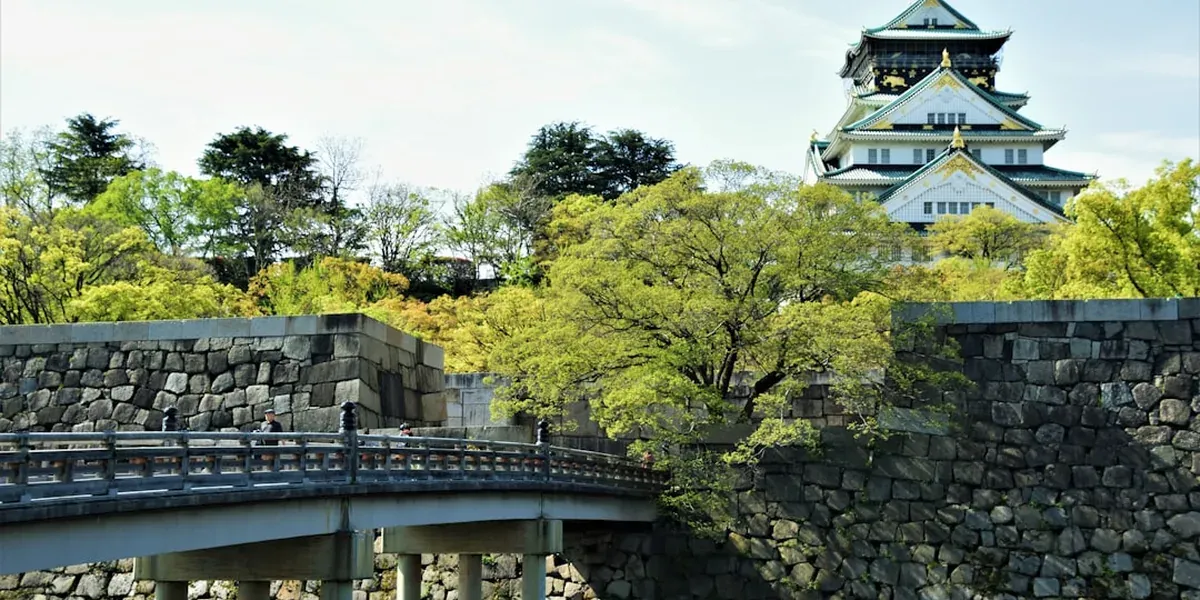
The imposing beauty of Osaka Castle dominates the serene Osaka Castle Park. Built around the imposing castle that has become a powerful symbol of Osaka, Osaka Castle Park is a calming space full of forests, fountains, lawns, and cherry trees.
The park is free. The castle exterior is free to look at and photograph. The castle interior museum charges ¥600 — skip it on a budget day and lose nothing essential. The stone walls, the moat, the gates, and the sweeping views of the castle tower from the park are all accessible without paying.
Best budget approach to Osaka Castle:
Enter the park from the south gate (Sakuramon Gate) — the most dramatic approach, walking through the massive stone fortifications. Circle the inner moat on foot (20 minutes), photograph the castle from the east lawn (the classic shot), and exit through the north garden area.
Allow 45–60 minutes for the free park experience. Double that if you pay ¥600 for the interior.
Nishinomaru Garden — ¥200: Inside the castle park grounds, a separate garden charges ¥200 entry. Nishinomaru Garden is one of Osaka’s most beloved cherry blossom viewing spots with the Osaka Castle Tower as a backdrop. Worth the ¥200 during cherry blossom season (late March–early April) or autumn foliage (November). Skip in other seasons when the castle park grounds provide the same atmosphere for free.
Shinsekai — Osaka’s Most Interesting Free Neighbourhood
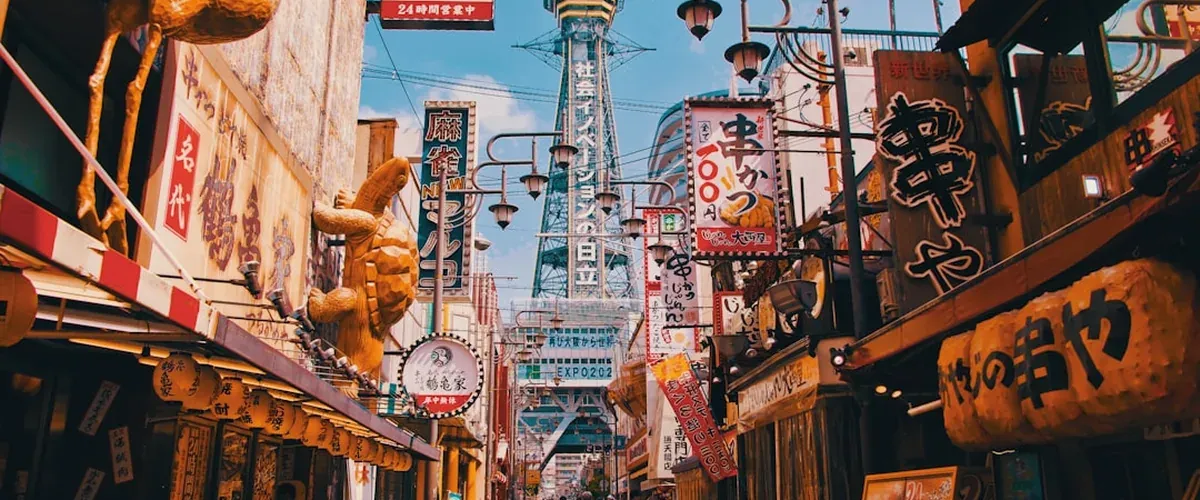
Shinsekai is a colorful Osaka neighbourhood worth exploring. Built in 1912 to evoke Paris in the north and New York’s Coney Island in the south, it fell into decline and then became beloved for its retro charm, extremely cheap kushikatsu, and an atmosphere that feels genuinely lived-in rather than performed for tourists.
Free in Shinsekai:
Walking every street costs nothing. The neighbourhood’s character comes from its unchanged post-war fabric — faded signage, pachinko parlours with their mechanical din, older residents sitting outside, and the constant smell of deep-frying kushikatsu. The Tsutenkaku Tower (¥800 to go up) is most interesting from the street below — the retro illuminated advertising on its flanks is the real Shinsekai image, not the view from the top.
Janjanyokocho — free: The covered alley running through the heart of Shinsekai, lined with kushikatsu restaurants, shogi (Japanese chess) clubs, and vintage bars that look like sets from a 1960s film. Free to walk and to watch games in progress through the windows. The entire alley is 200 metres long and takes ten minutes to walk slowly — take twenty.
Tsutenkaku Tower free viewing: Tsutenkaku Tower is an observation tower built in 1956 as a symbol of the Shinsekai district. There are stores and an observation deck. You can access Tsutenkaku Garden on the 3rd floor and the Light Observation Platform on the 4th floor. Skip the paid observatory entirely and view the tower from the street — the illuminated structure at night from Ebisuhigashi-dori is the definitive Shinsekai image and costs nothing.
What to eat in Shinsekai on a budget: Kushikatsu at any standing counter in Janjanyokocho — ¥100–200 per skewer. Order 6–8 and a beer for a full meal under ¥1,500. The golden rule: never double-dip in the shared sauce. It’s a neighbourhood law and they’re serious about it.
Sumiyoshi Taisha — Osaka’s Most Sacred Free Shrine
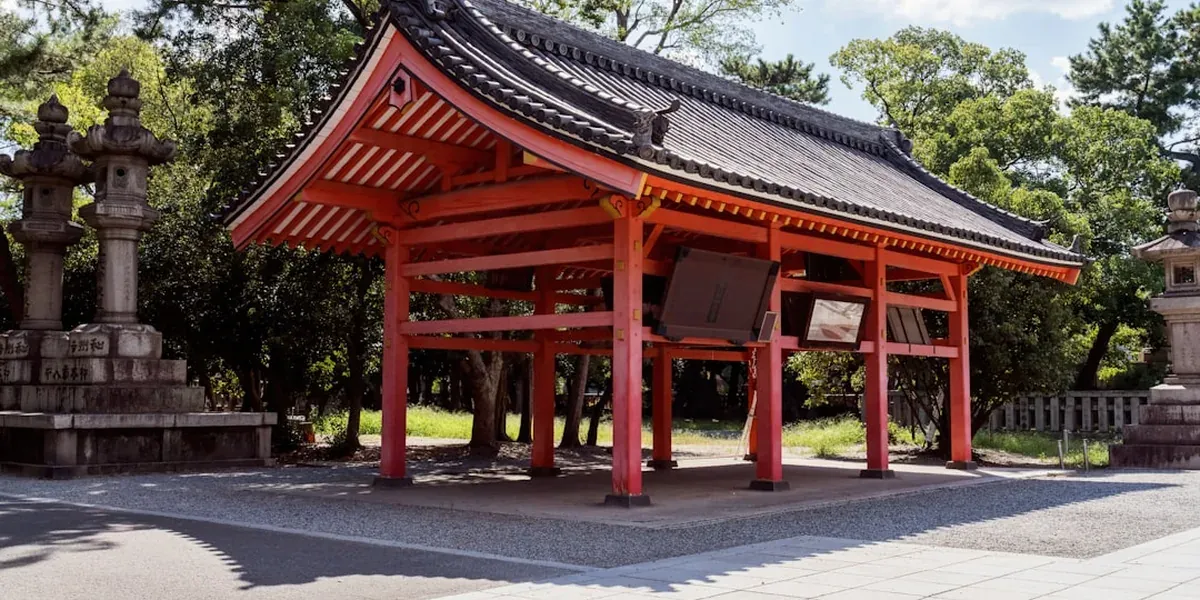
Nearly 2,000 years old, the sacred Sumiyoshi Taisha Shrine exudes a zen tranquility that is instantly calming. One of the holiest places in Osaka, the shrine is dedicated to three Shinto sea gods and a legendary empress. Cross over the gracefully arched Sorihashi bridge and make your way to the back of the shrine to see revered trees that are thousands of years old.
Sumiyoshi Taisha is completely free to enter and genuinely one of the most peaceful places in Osaka — the architecture is pre-Buddhist (the oldest shrine style in Japan, called Sumiyoshi-zukuri), the grounds are forested, and the crowds are entirely local. Unlike Osaka Castle or Dotonbori, this shrine sees very few international tourists.
Getting there: Sumiyoshi Taisha Station on the Nankai Main Line from Namba Station (¥180, 10 minutes, IC card). Exit the station and the shrine’s massive first torii gate is directly in front of you.
Budget timing: Sumiyoshi Taisha hosts festivals throughout the year — the biggest is Sumiyoshi Matsuri in late July (free to watch). The shrine is at its most atmospheric at dusk when the stone lanterns are lit.
Nakanoshima — Park, Rose Garden, and Free Architecture
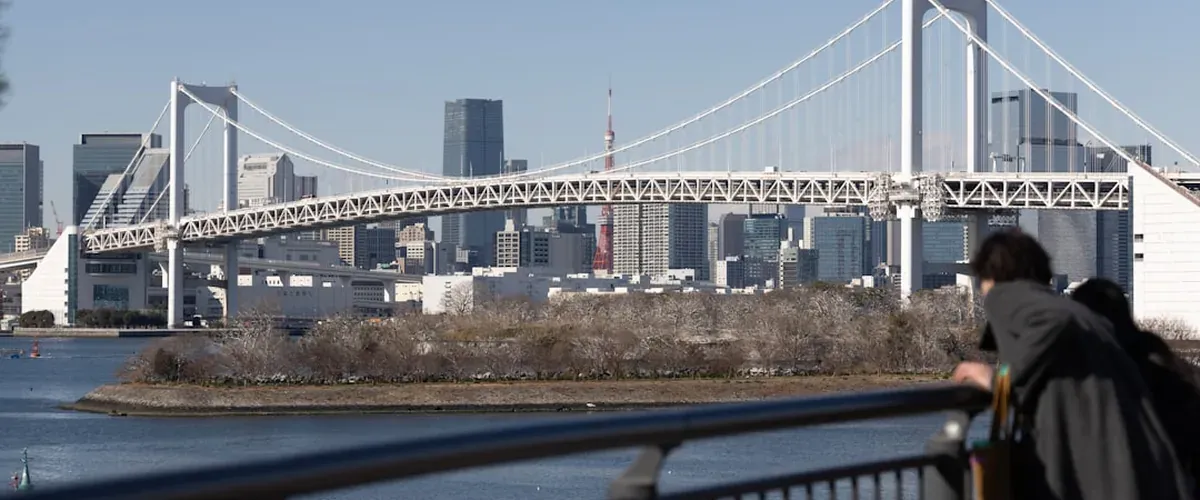
Nakanoshima is a narrow island between the Dojima and Tosabori rivers in central Osaka — home to the city hall, the Bank of Japan building, and several museums. The island park and rose garden are completely free.
Nakanoshima Rose Garden — free: Stroll through Nakanoshima Rose Garden for a free experience. Best in May when the roses peak, but the riverside walk and the historic European-style bank buildings and public hall are worth visiting year-round. The contrast between the classic stone buildings and the modern Osaka skyline visible across the river is unexpectedly beautiful.
Osaka Central Public Hall — free exterior: A 1918 Baroque revival building on the Nakanoshima island. The interior occasionally opens for events — check the Osaka City website. The exterior and the surrounding riverside promenade are free and one of the most architecturally interesting free walks in Osaka.
Nakanoshima Museum of Art — exterior and grounds free: A striking black cube of a building opened in 2022. The exterior is worth seeing for the architecture alone — entry to exhibitions varies (usually ¥1,500–2,000) but the surrounding plaza is free and has good views of the museum’s form against the river.
Tenjimbashi-suji — Japan’s Longest Free Shopping Arcade
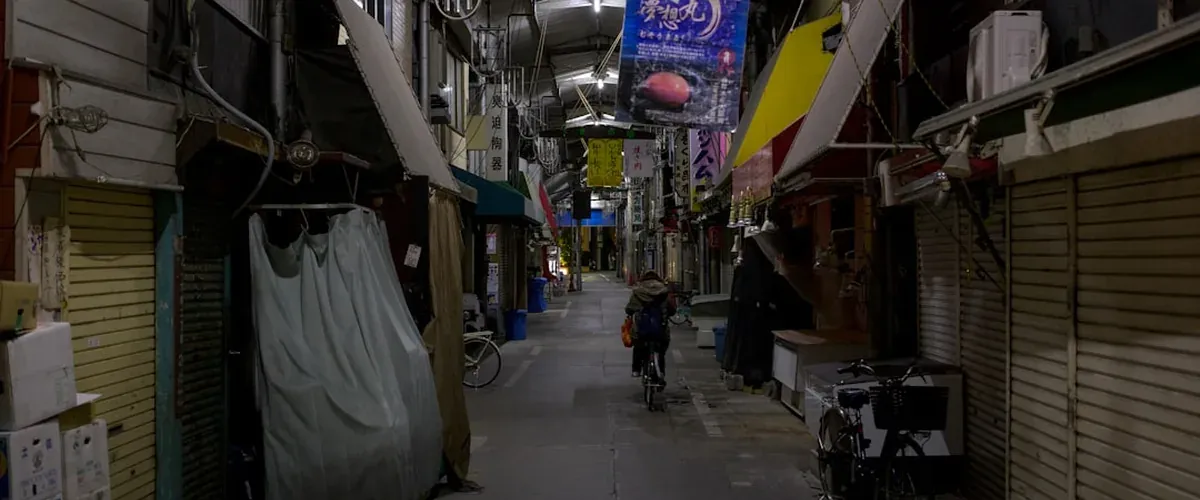
Tenjimbashi-suji in Kita is one of the best shotengai (covered shopping arcades) in Osaka. At 2.6km it is the longest covered shopping arcade in Japan — entirely free to walk, entirely local in character. Unlike the tourist-facing Shinsaibashi arcade, Tenjimbashi-suji serves Osaka residents: fish shops, tofu makers, hardware stores, old-fashioned sweets shops, and cheap teishoku lunch sets for ¥700–900.
Budget eating on Tenjimbashi-suji: The food options here are priced for locals. Standing ramen counters: ¥750. Kushikatsu shops with three-piece sets: ¥500. Fresh-made dango (rice dumplings): ¥150–200 for three pieces. Walk slowly and look into every shopfront.
Getting there: Tenjinbashisuji-Rokuchome Station on the Tanimachi Line (¥260 from Namba). Walk south from there through all 2.6km of the arcade towards Tenma Station — this is the best direction for discovering the quieter local end first.
The Free Views — Skip the Paid Observatories
Abeno Harukas 16th floor rooftop garden — free: The rooftop garden on the 16th floor of the Abeno Harukas skyscraper offers some of the best free views in Osaka. The towering Abeno Harukas skyscraper offers views from its 60th-floor observatory for a fee of ¥2,000, but there is a free way to get a great view of the city — head to the 16th floor and you’ll find a free rooftop garden with benches where you can soak up the view of the streets below.
This is the Osaka equivalent of the Tokyo Metropolitan Government Building free deck — a dramatically cheaper alternative to the paid observatory that still gives genuinely good city views. Take the elevator inside the Abeno Harukas building (attached to Tennoji Station) to the 16th floor. The rooftop garden is open and free.
Namba Parks rooftop garden — free: A rooftop terraced garden on the 9th floor of the Namba Parks shopping complex. Greenery and city views, free to access through the shopping mall. Best in the evening when the garden lights come on.
Osaka Station 3 Building observation areas — free: Osaka Station 3 Building is a 33-story skyscraper in Umeda. There are two observation decks within the skyscraper — take an elevator to the 32nd or 33rd floor to see different views of the city, as the observation decks face east and west respectively. The views to the west are especially good as you can see the sun setting between buildings at dusk. Free to access through the shopping complex — look for the Sky Garden area.
Free Osaka Day Itinerary
Option A — South Osaka Circuit (best first day)
7:30am   Osaka Castle Park — free (45 min)
          Konbini breakfast en route (¥400)
9:00am   Walk south to Dotonbori (25 min on foot)
9:30am   Hozenji Yokocho temple — free
10:00am  Shinsaibashi arcade browse — free
11:00am  Amerika-mura Triangle Park — free
12:00pm  Konbini lunch near Namba (¥550)
1:00pm   Walk south to Shinsekai (25 min on foot)
1:30pm   Shinsekai and Janjanyokocho — free
3:00pm   Tennoji area browse — free
3:30pm   Abeno Harukas 16F rooftop garden — free
5:00pm   Return to Namba by subway (¥260)
7:00pm   Dotonbori at night — free

Day transport: ~¥520
Day activities: ¥0
Day food: ¥950–1,200
Day total: ¥1,470–1,720
Option B — North Osaka and Shrine Day
8:00am   Subway to Sumiyoshi Taisha (¥180)
8:30am   Sumiyoshi Taisha shrine — free (45 min)
9:30am   Subway back to Namba (¥180)
10:00am  Walk north through Shinsaibashi
10:30am  Dotonbori morning (before crowds) — free
11:30am  Nakanoshima island park walk — free
          Konbini lunch on the riverside (¥550)
1:00pm   Tenjimbashi-suji full arcade walk — free
3:00pm   Osaka Station Sky Garden area — free
4:00pm   Sunset from Namba Parks rooftop — free
6:00pm   Dotonbori dinner (takoyaki + walk) — ¥800

Day transport: ~¥620
Day activities: ¥0
Day food: ¥1,350–1,600
Day total: ¥1,970–2,220
What’s Worth Paying For in Osaka
Not everything should be skipped. Three paid experiences in Osaka are genuinely worth the money:
Osaka Castle interior — ¥600: The museum inside is excellent — hologram historical displays, scale models of the original castle, Edo-period artefacts. Worth it once if history interests you. Skip it if you’ve already done the Hiroshima Peace Memorial Museum or plan to — you can only absorb so many museums.
GetYourGuide Osaka Food Tour: If it’s your first time in Osaka and you want a local to take you to the best yatai and street food spots in Dotonbori and Kuromon — the context makes everything taste better. Worth budgeting for one evening.
👉 Browse Osaka food tours on GetYourGuide
Kuromon Ichiba Market grazing — ¥800–1,200: Not technically paid entry (the market is free to enter) but budget ¥800–1,200 for fresh oysters, grilled scallops, and tamagoyaki from stalls. The best food experience in Osaka and genuinely competitive on price. Full Osaka food guide: Kyoto to Osaka Budget Street Food Guide.
Osaka in the Context of Your Japan Trip
Osaka sits at the centre of everything in this guide:
Arriving from Kyoto: ¥410 on the Hankyu Railway — the cheapest intercity train journey in Japan. Full Kyoto to Osaka guide.
Day tripping to Nara: ¥820 Kintetsu return, 39 minutes each way. Full Nara day trip guide.
Extending to Hiroshima: ¥10,000 Shinkansen, 1h 30min. Full Hiroshima guide.
Moving on to Fukuoka: ¥14,500 Shinkansen from Shin-Osaka, 2h 15min. Full Fukuoka guide.
Where to stay: Namba area hostels ¥2,300–3,200/night, the cheapest major-city accommodation in this guide. Japan Budget Accommodation Guide.
IC card: Your Suica or ICOCA works on all Osaka subway and bus routes. IC card guide.
Timing: January and February (excluding December 28–January 3) deliver lowest annual accommodation rates with 30–50% discounts versus peak spring and autumn seasons. Full seasonal guide: Cheapest Time to Visit Japan.
Frequently Asked Questions
What free things can you do in Osaka?
Osaka has extensive free attractions including Dotonbori canal walk, Osaka Castle Park grounds, Hozenji Yokocho temple alley, Amerika-mura, Shinsekai neighbourhood, Sumiyoshi Taisha Shrine, Nakanoshima Park and rose garden, Japan’s longest shopping arcade (Tenjimbashi-suji), and several free city views including the Abeno Harukas 16th floor rooftop garden and Namba Parks rooftop terrace. A full day using free attractions and konbini meals costs under ¥2,500.
Is there a free observation deck in Osaka?
Yes. The Abeno Harukas building (Japan’s second-tallest skyscraper, attached to Tennoji Station) has a free rooftop garden on the 16th floor with city views. The paid observatory is on the 60th floor for ¥2,000 — the free 16th floor garden gives good ground-level and mid-city views at no cost. Osaka Station’s Sky Garden on the 32nd–33rd floor of the Station 3 Building also offers free city views.
Is Osaka Castle free to visit?
The Osaka Castle Park surrounding the castle is completely free to enter and explore. The castle interior museum charges ¥600 for adults. The most photogenic views of the castle — from the east lawn and the stone bridge over the inner moat — are all accessible without paying entry.
Is Dotonbori free?
Yes. Walking through Dotonbori — including the canal walk, Ebisu-bashi bridge, and the famous Glico Running Man billboard area — is completely free at any time. Restaurants, bars, and shops along the strip charge normal prices. Street food stalls (takoyaki, crepes) start at ¥400–600.
What is Shinsekai in Osaka?
Shinsekai is a historic Osaka neighbourhood built in 1912 to evoke Paris in the north and Coney Island in the south. Known for its retro atmosphere, Tsutenkaku Tower, and cheap kushikatsu (breaded skewers), it fell into decline and is now beloved for its authentic working-class character. Free to walk, with kushikatsu meals available for ¥1,200–1,500 at standing counters in Janjanyokocho alley.
How much does a budget day in Osaka cost?
A full day in Osaka using free attractions and konbini meals costs ¥1,500–2,500 per person excluding accommodation. Transport (IC card) adds ¥400–700 depending on how many subway trips you take. Osaka is the cheapest major Japanese city — accommodation in hostel dorms adds ¥2,300–3,200 per person per night, 15–30% cheaper than Tokyo equivalents.
Prices correct as of May 2026. Exchange rate approximately ¥150 = $1 USD.