Fukuoka on a Budget: Japan's Cheapest Major City Guide (2026)
Budget guide to Fukuoka 2026 — Japan's most affordable major city. Hakata ramen from ¥700, yatai stalls, free shrines, and daily costs under ¥6,500.
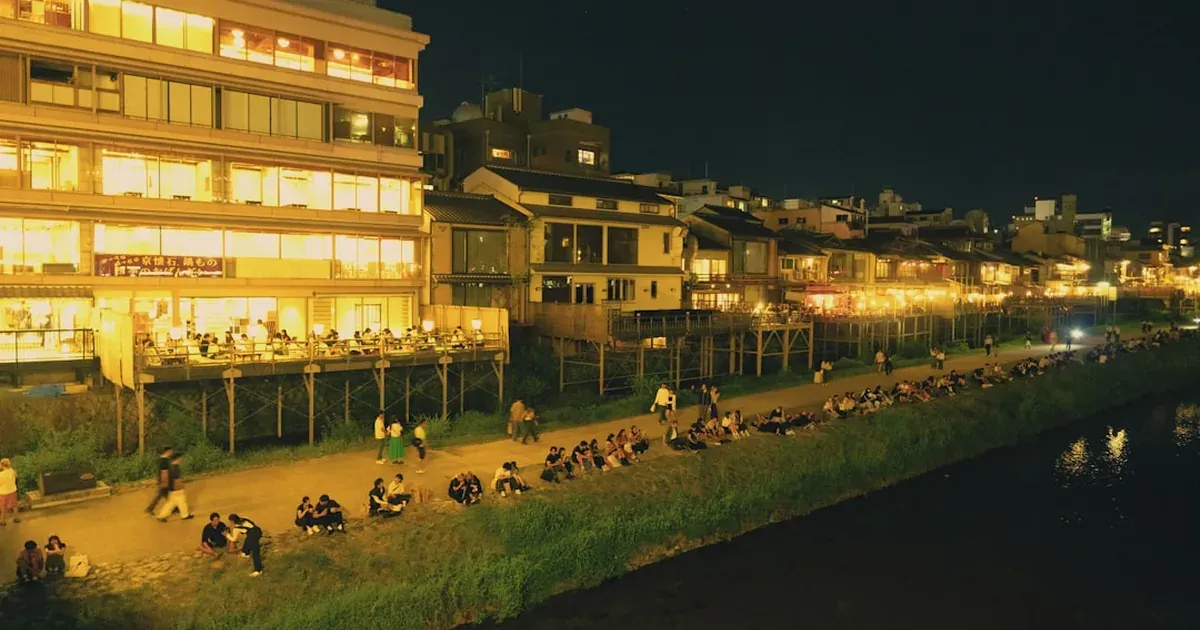
Most Japan itineraries stop at Osaka. That’s a mistake. Fukuoka — the largest city on Japan’s southern island of Kyushu — is 20–35% cheaper than Tokyo across the board, serves the best ramen in the country from street stalls that cost under ¥1,000 a bowl, and moves at a pace that makes every other Japanese city feel rushed by comparison.
Budget travelers can manage Fukuoka comfortably on ¥6,500 per day using hostels and konbini meals — the lowest realistic daily budget of any major city covered in this guide. Add one or two yatai meals and you’re still under ¥8,000. For context, the same standard costs ¥12,000–15,000 in Tokyo.
This guide covers everything a budget traveler needs: how to get here cheaply from Osaka, where to eat for under ¥1,000, what’s free, where to sleep, and why Fukuoka deserves at least two nights on every Japan trip.
Fukuoka at a Glance
- Cheapest daily budget: ¥6,500 (hostel + konbini)
- Comfortable daily budget: ¥9,000–11,000 (hostel + ramen + yatai)
- From Osaka by Shinkansen: ~2h 15min, ¥14,500 (or ¥10,000 on slower services)
- Airport to city centre: ¥260 by subway — 2 stops, 5 minutes
- Best time for budget: January, February, June (same logic as everywhere — see cheapest time to visit Japan)
- Days needed: 2–3 full days
Getting to Fukuoka from Osaka and Kyoto
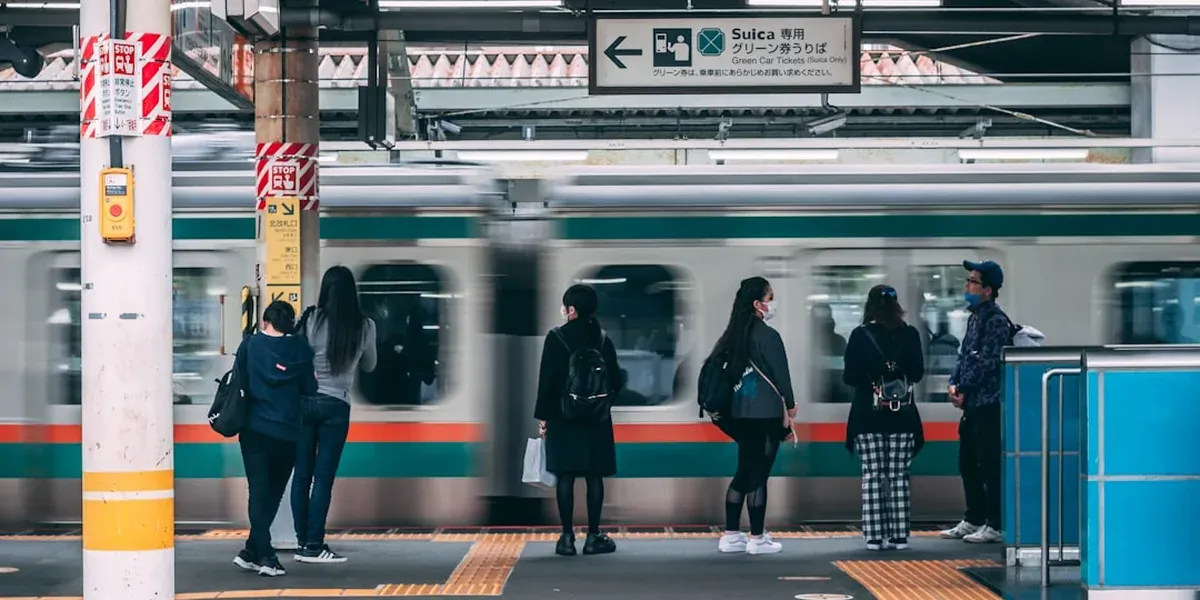
From Osaka — Shinkansen (most practical)
The Sanyo Shinkansen runs from Shin-Osaka Station to Hakata Station (Fukuoka’s main station) in about 2 hours 15 minutes on the Nozomi or Sakura services. Standard reserved seat fare: ¥14,500 one way.
Budget hack — the Hikari or Sakura instead of Nozomi: The Sakura service takes about 15 minutes longer than Nozomi and costs the same — but is covered by the JR Pass if you have one. If you don’t have a JR Pass, the fare is identical and the time difference negligible. Book on eki-net.com for a ¥200–400 online discount.
Is this worth it from Osaka? Yes, if you’re extending beyond the standard Tokyo–Kyoto–Osaka circuit. The Shinkansen to Fukuoka from Osaka costs ¥14,500 but the journey from Osaka takes roughly two hours and 15 minutes — and Hakata Station is the western terminus, so all bullet trains end their journey here. It’s a clean, direct connection with no changes.
From Kyoto — via Shin-Osaka
Take the Shinkansen from Kyoto Station to Shin-Osaka (¥1,430, 15 min), then the Sanyo Shinkansen to Hakata. Total: approximately ¥15,930 and 2h 40min. Book both legs separately or as a through ticket at any JR ticket office.
Budget alternative — overnight bus from Osaka to Fukuoka
Highway buses run nightly from Osaka to Fukuoka’s Hakata Bus Terminal for ¥4,500–8,000 depending on the operator and date. Journey time: approximately 9–10 hours overnight. The same logic that makes the overnight bus from Tokyo to Kyoto excellent applies here — you travel while you sleep and save a night’s accommodation. Book via Willer Express or Japan Bus Online.
From the airport into the city
The Fukuoka City Subway connects the airport directly to Hakata Station in two stops for ¥260 — one of the cheapest and fastest airport-to-city connections in Japan. Tap your IC card and you’re at Hakata Station in five minutes. No airport bus needed, no taxi required.
Where to Stay in Fukuoka on a Budget
Fukuoka’s accommodation is noticeably cheaper than Tokyo or Kyoto. Budget hostel dorms run ¥2,200–3,000/night — the lowest of any city in this guide. Capsule hotels start at ¥2,500.
Best areas for budget accommodation:
Hakata: Around the main station. Best transport connections, most capsule hotels and business hotels, easy access to everything. Recommended for first-time Fukuoka visitors.
Tenjin: Fukuoka’s shopping and nightlife hub, 10 minutes from Hakata by subway. More lively at night, good hostel options, slightly cheaper accommodation than Hakata.
Nakasu: The entertainment district on an island between two rivers — this is where the yatai stalls are. Hostels here are slightly more expensive but you’re within walking distance of the best evening food in Fukuoka.
Book on Booking.com — Fukuoka budget accommodation — filter by Hakata or Tenjin area and guest rating 8.0+.
Full accommodation type breakdown — capsule hotels vs hostels vs guesthouses — in our Japan Budget Accommodation Guide.
The Food — Why Fukuoka Is Worth the Trip Alone
Fukuoka is the food capital of Japan that nobody outside Japan talks about. Tokyo has sushi, Kyoto has kaiseki, Osaka has street food — but Fukuoka has Hakata ramen, mentaiko, motsunabe, and the yatai stall culture that makes eating here genuinely unlike anywhere else in the country.
Hakata Ramen — ¥700–1,000 a bowl
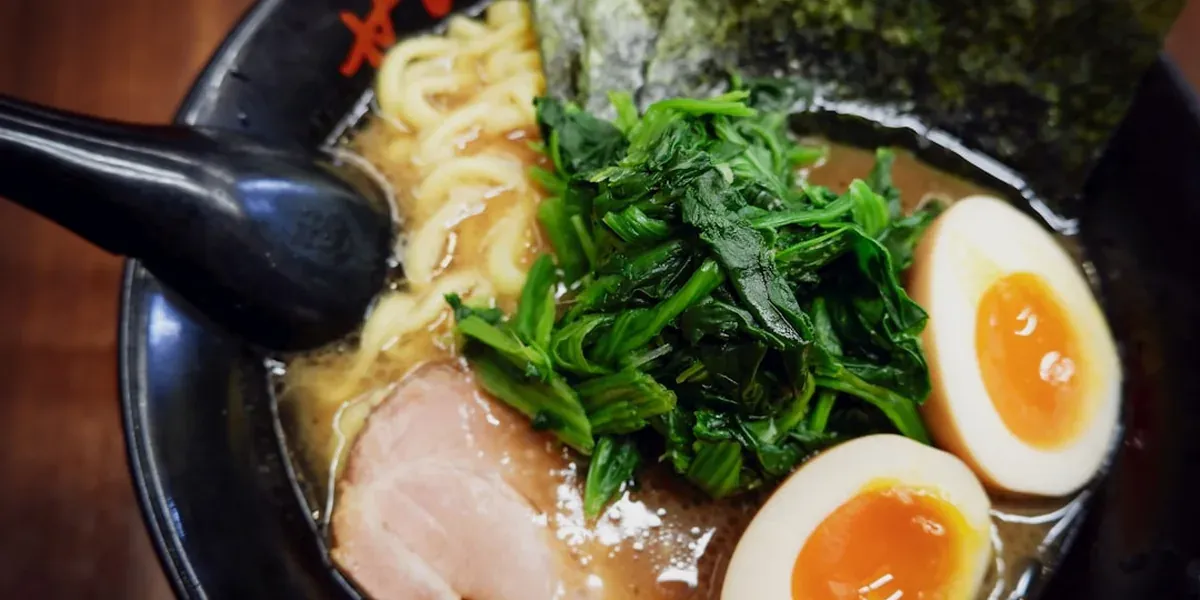
Hakata ramen is the signature dish, featuring a rich tonkotsu pork-bone broth with thin noodles. The broth is milky white, intensely rich, and completely different from Tokyo shoyu ramen or Sapporo miso ramen. Ichiran and Shin Shin branches stay open into the early hours and price standard bowls around ¥980 — strong value for the consistency.
Best budget ramen in Fukuoka:
Shin Shin (心心): The local favourite. Rich, clean tonkotsu broth, perfectly al dente thin noodles. ¥780–900 per bowl. Two locations in Tenjin. Queue is usually 15–30 minutes but moves fast.
Ichiran Hakata: The famous solo-booth chain where you eat alone facing a curtain and customise your broth strength and spice level via a paper order form. The original Ichiran is in Fukuoka. ¥980 for a standard bowl.
Yatai ramen stalls: Order ramen directly from the yatai stalls on the riverbank at night. ¥700–900. The experience of eating in an open wooden stall under paper lanterns by the river makes the bowl taste better than any restaurant.
Kaedama: A Fukuoka-specific ramen custom — when you finish your noodles, you can order kaedama (a second portion of noodles to drop into your remaining broth) for ¥100–150. Essential.
Yatai Stalls — Fukuoka’s Most Unique Food Experience
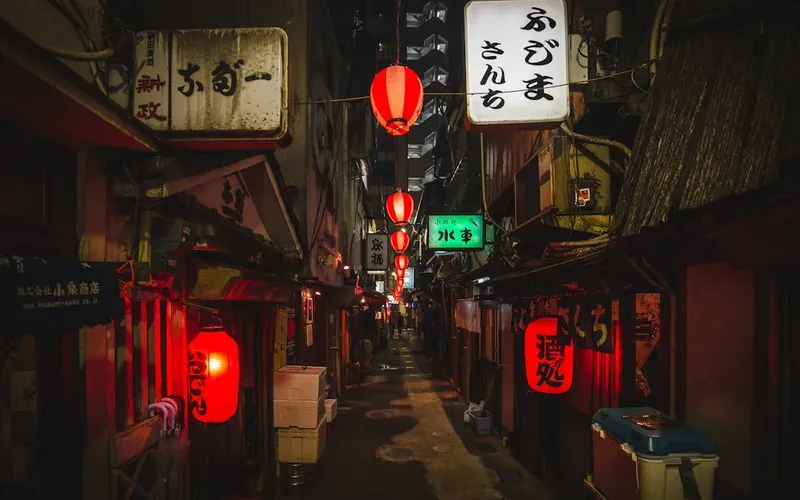
The yatai open-air food stalls along the Naka River and in Tenjin are a defining part of Fukuoka’s food culture and serve hakata ramen, yakitori, gyoza, and oden. There are around 100 licensed yatai operating in Fukuoka — a number that has declined from thousands in the post-war era, making them increasingly special.
What yatai actually are: Small wooden stalls seating 8–12 people at a counter, run by a single owner-operator who cooks everything in front of you. No menu in English is standard — point at what looks good or ask for おすすめ (osusume — the recommendation). Most stall owners speak basic tourist English for orders.
Where to find them:
- Nakasu: The main yatai strip, along the Naka River. Most atmospheric, slightly more tourist-oriented
- Tenjin: More local clientele, slightly cheaper
- Nagahama: The working-class yatai area near the fish market — cheapest prices, most authentic atmosphere, less English spoken
Budget guide to yatai: Budget roughly ¥3,000 per person for a full evening covering two drinks plus a late ramen bowl. Order one or two dishes at a time, drink slowly, and you have a full evening for under ¥3,500.
Yatai etiquette:
- Sit at the counter (no table seating)
- Order at least one drink per person — this is the unwritten rule
- Don’t stall-hop mid-drink — finish your drinks before moving on
- Cash only at almost all yatai — carry ¥3,000–5,000 for a full evening
Other Fukuoka Food Worth Your Budget
Mentaiko (明太子) — ¥200–400 per piece: Spiced pollock roe, Fukuoka’s other signature food. Eaten as a rice topping, in onigiri, or on toast. Every konbini in Fukuoka stocks mentaiko onigiri — ¥150 and one of the best konbini bites in Japan. Full konbini strategy: Japan Convenience Store Food Guide.
Motsunabe (もつ鍋) — ¥1,200–1,800 per person: Offal hot pot with cabbage, garlic, and chives in a soy or miso broth. A Fukuoka speciality that sounds unusual and tastes extraordinary. Cheap at lunch, slightly more at dinner. Look for small local restaurants in Nakasu or Tenjin side streets.
Gomakel — ¥600–800: A Fukuoka-style sesame dipping sauce used with fresh fish, particularly popular in the local izakaya. Order any fish dish at a mid-range izakaya and ask for gomakel sauce.
Lunch teishoku sets: Take advantage of lunch teishoku or set meals offered by many restaurants in the Hakata Station area — these sets often provide the same high-quality food as dinner but at a 40% discount. A ¥800–1,000 teishoku lunch at a restaurant that charges ¥1,500–2,000 at dinner is one of the best budget moves in Fukuoka.
Free Things to Do in Fukuoka
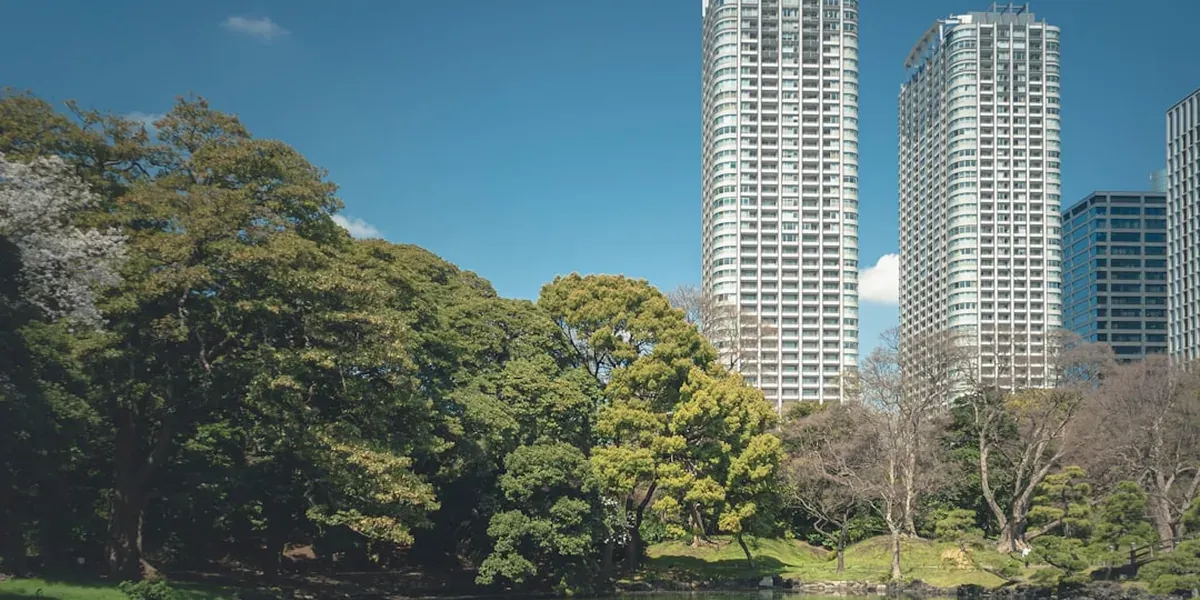
Fukuoka’s best sights are free — historic shrines, lush parks, and stunning city views without spending a single yen. Here’s the complete free itinerary:
Ohori Park — free, all day: A large park built around a central lake, 20 minutes by subway from Hakata (¥260, IC card). Walking the 2km loop around the lake takes 30 minutes. The park also contains free Japanese garden areas, café terraces for sitting without purchasing, and connects to Fukuoka Castle ruins. The cherry blossom viewing at Ohori Park in late March–early April is spectacular — free, and less crowded than Kyoto’s equivalent parks.
Fukuoka Castle Ruins — free: What remains of Fukuoka Castle sits on a hill within the park grounds. The walls and watch towers survive — free to walk and climb. Views over the city from the main tower base are the best free viewpoint in Fukuoka.
Kushida Shrine — free: One of the most important shrines in Fukuoka, home to the Hakata Gion Yamakasa festival floats displayed year-round in the grounds. Free to enter, central location in Hakata. The floats (kazariyama) are enormous — 10–15 metres tall — and displayed in a shed next to the main shrine building at no charge.
Robosquare — free: Located near the beach, Robosquare offers a free look at the latest Japanese robotics technology where visitors can interact with various robots and learn about their functions. Surprisingly engaging and genuinely free — a good hour if robotics interest you.
Momochi Seaside Park — free: A waterfront park on reclaimed land with beach access, a free observation area, and views of the bay. 30 minutes by bus from Tenjin. The area also contains the Fukuoka Tower — entry ¥800 — which you can skip and enjoy the free park around it.
Tenjin Underground Shopping City — free: The most cost-effective way to see the city is by walking — Fukuoka is remarkably flat and many major districts are only 15 to 20 minutes apart. The underground shopping arcade connecting Tenjin and Hakata is free to walk and stays open until 11pm. In summer heat or rain, this is a pleasant free option.
Getting Around Fukuoka
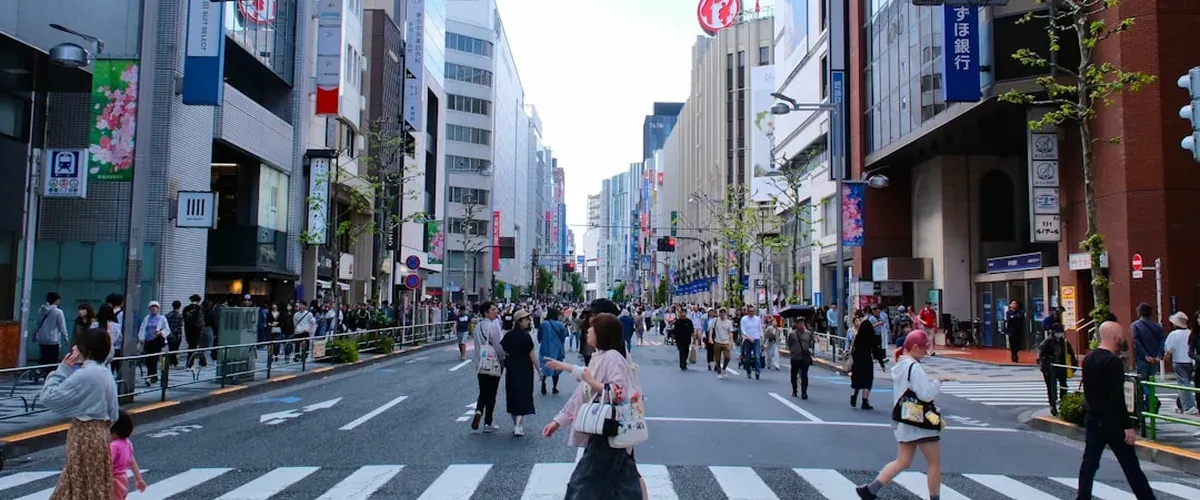
Fukuoka is an extremely walkable city. Hakata Station and Tenjin — the two main hubs — are 15 minutes apart on foot or 3 minutes by subway.
Subway day pass — ¥640: The Fukuoka City Subway offers a one-day pass for ¥640 that covers all three subway lines and provides easy access to the airport and major hubs. If you’re making more than three subway trips in a day it pays for itself. IC card single fares run ¥200–310 per journey.
IC card: Your Suica or ICOCA works on all Fukuoka subway lines and city buses. Tap in and out as normal — same system as Tokyo and Osaka.
Walking between Hakata and Tenjin: 15 minutes flat walk through covered shopping arcades. Faster than waiting for the subway on short trips and free. Fukuoka’s covered arcade network (Shinsaibashi-style but more extensive) connects most of the city centre underground or under cover.
Buses: Nishitetsu buses cover areas the subway doesn’t reach — Momochi beach, Dazaifu. ¥100–310 per ride with IC card.
The Budget Fukuoka Day Itinerary
Day 1 — Hakata, food, and yatai
8:00am   Konbini breakfast near Hakata Station — ¥400
          (mentaiko onigiri + canned coffee)
9:00am   Kushida Shrine — free, 45 minutes
10:00am  Hakata historic streetscape walk — free
11:30am  Lunch teishoku near Hakata Station — ¥800–1,000
1:00pm   Walk to Tenjin (15 min on foot)
1:30pm   Tenjin underground shopping arcade browse — free
3:00pm   Rest at hostel or explore Nakasu area
6:30pm   Yatai stalls open — Nakasu riverbank
7:00pm   Yatai dinner: ramen + 2 drinks — ¥2,500–3,000
9:00pm   Evening walk along Naka River — free
Day 1 spend: ¥5,200–6,000
Day 2 — Ohori Park, castle ruins, and ramen lunch
7:30am   Konbini breakfast — ¥400
8:30am   Subway to Ohori Koen Station — ¥260
9:00am   Ohori Park lake walk — free (30–45 min)
9:45am   Fukuoka Castle ruins — free
11:00am  Walk back towards Hakata (30 min)
12:00pm  Shin Shin ramen for lunch — ¥780–900
1:30pm   Nakasu daytime walk, Hakata Machiya Folk Museum (¥200)
3:00pm   Robosquare near beach (free) or Momochi Park
5:00pm   Return to Hakata, rest
7:00pm   Motsunabe dinner at local izakaya — ¥1,200–1,500
Day 2 spend: ¥4,000–5,000
Day Trip from Fukuoka — Dazaifu Tenmangu Shrine
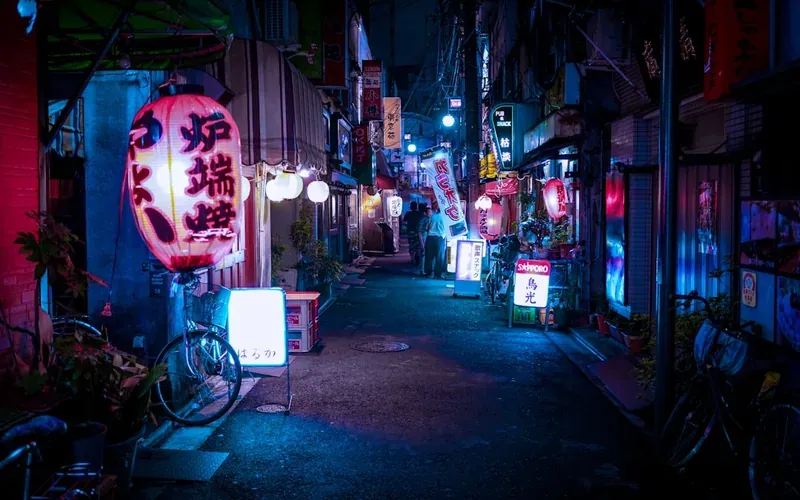
Dazaifu is a small town 25 minutes from Hakata Station by Nishitetsu train (¥420 return) — one of the most accessible and worthwhile day trips in the Fukuoka area.
Dazaifu Tenmangu Shrine: A famous shrine dedicated to the scholar-deity Tenjin, set in forested grounds with koi-filled ponds and a graceful arched bridge. Free to enter. The approach street (Sando) is lined with shops selling umegae mochi — a grilled rice cake filled with sweet red bean paste, ¥130–150 per piece and the best cheap snack in the Fukuoka area.
Kyushu National Museum: Adjacent to Dazaifu Tenmangu, Japan’s fourth national museum housing a permanent collection of Asian art and cultural artefacts. Entry ¥700 for the main exhibit. Free on certain dates — check the museum website.
Total Dazaifu day trip budget: ¥420 (train) + ¥700 (museum, optional) + ¥500 (food/snacks) = ¥1,620
The Complete Fukuoka Budget Breakdown
Per day (realistic budget traveler)
| Category | Budget option | Cost |
|---|---|---|
| Accommodation | Hostel dorm | ¥2,500–3,000 |
| Breakfast | Konbini mentaiko onigiri + coffee | ¥350–450 |
| Lunch | Teishoku set or ramen | ¥780–1,000 |
| Afternoon snack | Konbini or market | ¥150–300 |
| Dinner | Yatai ramen + 1 drink | ¥1,500–2,000 |
| Transport (IC card) | Subway + bus | ¥400–700 |
| Activities | Mostly free | ¥0–500 |
| Daily total | ¥5,680–7,950 |
Fukuoka vs Osaka vs Tokyo — the cost comparison
| City | Hostel dorm | Bowl of ramen | Daily budget (budget traveler) |
|---|---|---|---|
| Tokyo | ¥2,800–3,500 | ¥900–1,100 | ¥12,000–15,000 |
| Osaka | ¥2,500–3,200 | ¥700–900 | ¥10,000–12,000 |
| Kyoto | ¥3,000–4,000 | ¥800–1,000 | ¥11,000–14,000 |
| Fukuoka | ¥2,200–3,000 | ¥700–980 | ¥6,500–9,000 |
Fukuoka is not just slightly cheaper — it is in a different budget tier entirely. For budget-conscious travelers, basing in Fukuoka rather than Tokyo can stretch travel costs significantly.
How Fukuoka Fits Into Your Japan Trip
Fukuoka works best as a 2–3 night extension beyond the standard Tokyo–Kyoto–Osaka circuit. From Osaka, it’s 2h 15min on the Shinkansen — a manageable addition that adds genuine variety.
The extended BudgetYen Kansai + Kyushu route:
- Arrive Tokyo, 4–5 days covering free Tokyo sightseeing
- Overnight bus to Kyoto — saves a hotel night
- 2–3 days doing free Kyoto temples
- Hankyu to Osaka — ¥410
- Nara day trip from Osaka — ¥820 return
- Shinkansen to Fukuoka — 2h 15min
- 2–3 days in Fukuoka — cheapest major city on the route
- Fly home from Fukuoka Airport (budget airlines serve multiple international routes)
The Fukuoka flight advantage: Because Fukuoka is not as popular as other Japan destinations like Osaka and Tokyo, it is usually much easier to find promo fares on Fukuoka flights with less competition. Ending your trip in Fukuoka rather than Tokyo often means a cheaper homeward flight — particularly from Southeast Asia, Korea, and increasingly from Europe via budget carriers.
Frequently Asked Questions
Is Fukuoka cheap to visit?
Yes — Fukuoka is one of the cheapest major cities in Japan. Budget travelers can manage comfortably on ¥6,500–8,000 per day including hostel accommodation, konbini meals, and one or two yatai dinners. This is 35–45% cheaper than an equivalent Tokyo budget.
What is Hakata ramen?
Hakata ramen is a style of Japanese ramen originating in Fukuoka’s Hakata district, featuring a rich, milky white tonkotsu (pork bone) broth with thin, firm noodles. It’s the most famous regional ramen style in Japan. A standard bowl costs ¥700–980 at local shops and yatai stalls.
What are yatai in Fukuoka?
Yatai are small open-air food stalls unique to Fukuoka, seating 8–12 people at a counter around a small kitchen. They operate along the Naka River in Nakasu and in Tenjin, typically from around 6pm to midnight. Yatai serve ramen, yakitori, gyoza, oden, and drinks. Budget approximately ¥2,500–3,000 per person for a full yatai evening including food and drinks.
How do I get from Osaka to Fukuoka?
The fastest option is the Sanyo Shinkansen from Shin-Osaka to Hakata Station in approximately 2 hours 15 minutes for ¥14,500. The budget alternative is an overnight highway bus (9–10 hours) for ¥4,500–8,000, which saves both transport cost and a night’s accommodation.
How far is Fukuoka Airport from the city?
Fukuoka Airport is extraordinarily close to the city centre — just two subway stops from Hakata Station, costing ¥260 and taking five minutes. It’s the most convenient airport-to-city connection in Japan and one of the best in the world.
What is the best area to stay in Fukuoka on a budget?
Hakata is the best base for budget travelers — most hostel and capsule hotel options cluster here, transport connections are excellent, and you’re walking distance from Kushida Shrine and the yatai areas. Tenjin is a good alternative with slightly more nightlife atmosphere.
How many days should I spend in Fukuoka?
Two full days is the minimum to cover the key food experiences, free attractions, and a Dazaifu day trip. Three days allows for a more relaxed pace with time to explore neighbourhoods beyond the tourist centre. Fukuoka rewards slow travel — it’s a city for sitting at a yatai counter, not rushing between sights.
Prices correct as of May 2026. Exchange rate approximately ¥150 = $1 USD. All Booking.com links are affiliate links — BudgetYen earns a small commission at no extra cost to you.