Japan Travel Insurance 2026: Do Budget Travelers Actually Need It?
Japan travel insurance 2026 — SafetyWing from $22 for 2 weeks, what your credit card misses, and real Japan hospital costs for uninsured tourists.
The short answer: yes, you need it. And for budget travelers specifically, here is why the cost argument for skipping it collapses completely — SafetyWing covers a 2-week Japan trip for approximately $22. One GP visit in Japan without insurance costs $50–100. One emergency visit costs $3,000–6,000. The math is not close.
Japan is one of the safest countries on earth. It is also one where foreign tourists have zero healthcare safety net. Japan’s national health insurance system covers residents, not visitors. As a tourist, you pay 100% of every medical cost upfront, at the reception desk, before you leave — cash or credit card, no exceptions, no negotiating, no billing-you-later system.
This guide covers what travel insurance actually costs for a Japan trip, what your credit card probably doesn’t cover, which provider makes sense for budget travelers, and what to do if you need medical help in Japan.
What Japan Healthcare Actually Costs for Tourists
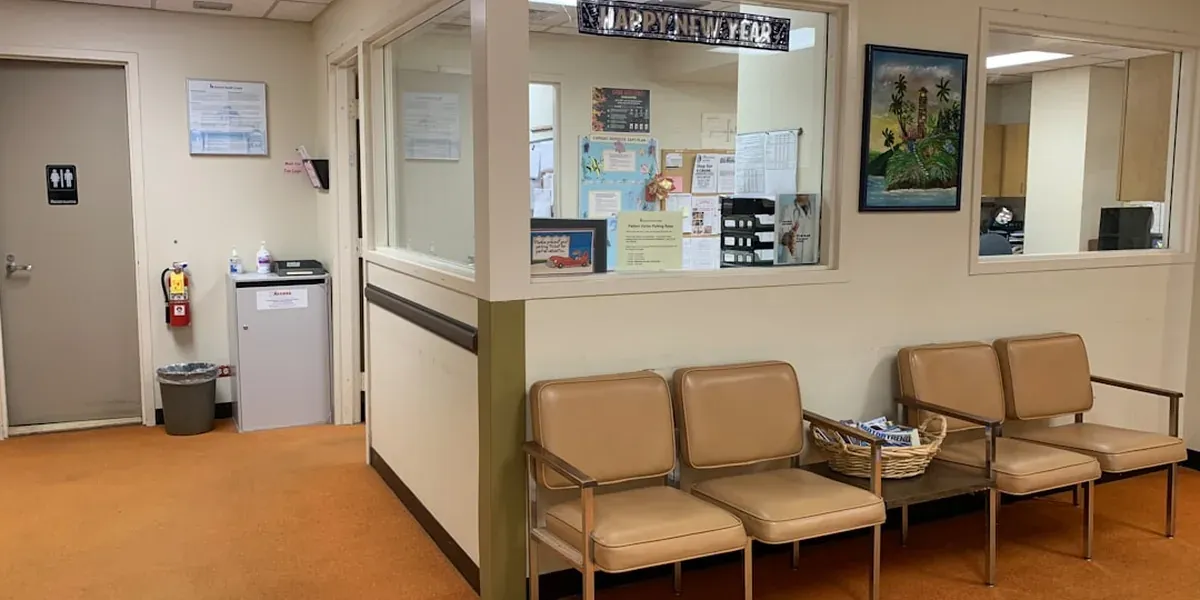
Japan’s healthcare is world-class — ranked among the best globally for outcomes and cleanliness. If you get sick or injured in Japan, you will receive excellent care. The issue is purely financial — without insurance, you pay every yen yourself.
Real Japan medical costs for tourists (uninsured):
| Situation | Cost without insurance |
|---|---|
| GP consultation (cold, minor illness) | $50–100 |
| Specialist consultation | $100–200 |
| Emergency room visit + basic treatment | $300–600 |
| Broken bone (simple fracture) | $1,500–3,000 |
| Emergency surgery (appendicitis) | $3,000–6,000 |
| Hospitalisation per night | $500–1,500 |
| Ski/hiking accident (mountain rescue + surgery) | $15,000–50,000+ |
| Medical evacuation back home | $30,000–100,000+ |
The hospital will not turn you away without insurance — Japan treats everyone who walks in. But they hand you the full bill when you leave and ask for payment before you exit. This is standard practice, not unusual or negotiable.
The Credit Card Myth — What Most Cards Don’t Cover
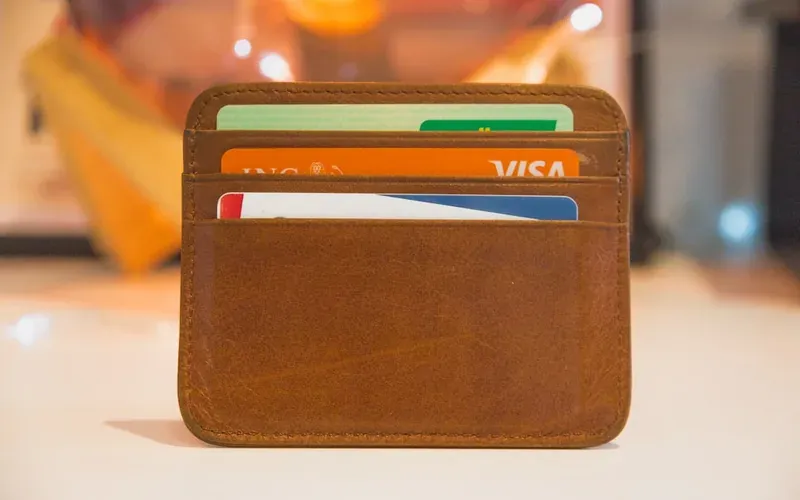
“My credit card has travel insurance” is the most common reason budget travelers skip dedicated coverage. Here is what that coverage usually actually means.
The three specific problems for Japan travel:
Problem 1 — Medical cap is too low. Most credit card travel insurance has medical coverage caps of $25,000–50,000. Medical repatriation (stretcher on a commercial flight or air ambulance) costs $30,000–100,000+. A serious accident could exhaust your entire credit card coverage before you leave Japan.
Problem 2 — Upfront payment required. Banks typically reimburse you months later after you advance the costs yourself. Japan’s hospitals bill immediately — if you are seriously injured, someone needs to pay at the desk. Credit card insurance reimburses you later. Dedicated travel insurance (Heymondo and some others) pays the hospital directly.
Problem 3 — Adventure activities excluded. Hiking to the summit of Mt. Fuji (3,776m), skiing in Hokkaido, cycling — most credit card policies explicitly exclude activities above a certain elevation. Most basic policies exclude mountain climbing above 2,000–3,000m. Mt. Fuji sits at 3,776m — well above the cutoff.
Check your actual card: Find the full policy PDF in your credit card portal — not the marketing summary. Look for: medical emergency limit, adventure sports exclusions, trip booking requirements, and maximum duration. Most travelers discover their coverage is significantly weaker than expected.
The Provider Comparison
| Provider | 2-week cost | Medical limit | Adventures | Best for |
|---|---|---|---|---|
| SafetyWing ★ | ~$22 | $250,000 | Basic hiking | Budget trips |
| World Nomads | $70–150 | $100,000 | 200+ activities | Adventure trips |
| Heymondo | $60–120 | $10M | Basic included | No upfront pay |
| Allianz | $80–200 | $500,000 | Limited | Families |
| Credit card | $0 | $25–50k (low) | Often excluded | Risky for Japan |
The Budget Recommendation: SafetyWing
SafetyWing Nomad Insurance wins for the majority of Japan-bound budget travelers in 2026. Its month-to-month subscription model, competitive pricing (~$45/4 weeks, so ~$22 for 2 weeks), and solid $250,000 medical coverage make it uniquely suited to budget itineraries.
Why SafetyWing specifically:
The price is the obvious win — $22 for 2 weeks is $1.57/day. That’s less than one onigiri from a 7-Eleven. You can buy it even after you’ve already left home, and you can cancel anytime. Forgot to buy insurance before your flight? SafetyWing can be purchased from Japan. Left your trip shorter than planned? Cancel and stop paying. No other major provider offers this flexibility.
The one SafetyWing limitation: SafetyWing has a $250 deductible — you pay the first $250 of any claim yourself. For a GP visit costing $80, you’d pay out of pocket. For a $4,000 emergency, you pay $250 and SafetyWing covers the rest. Budget $250 as your insurance deductible and consider it part of your Japan trip cost.
When to Choose World Nomads Instead
Choose World Nomads if any of these apply:
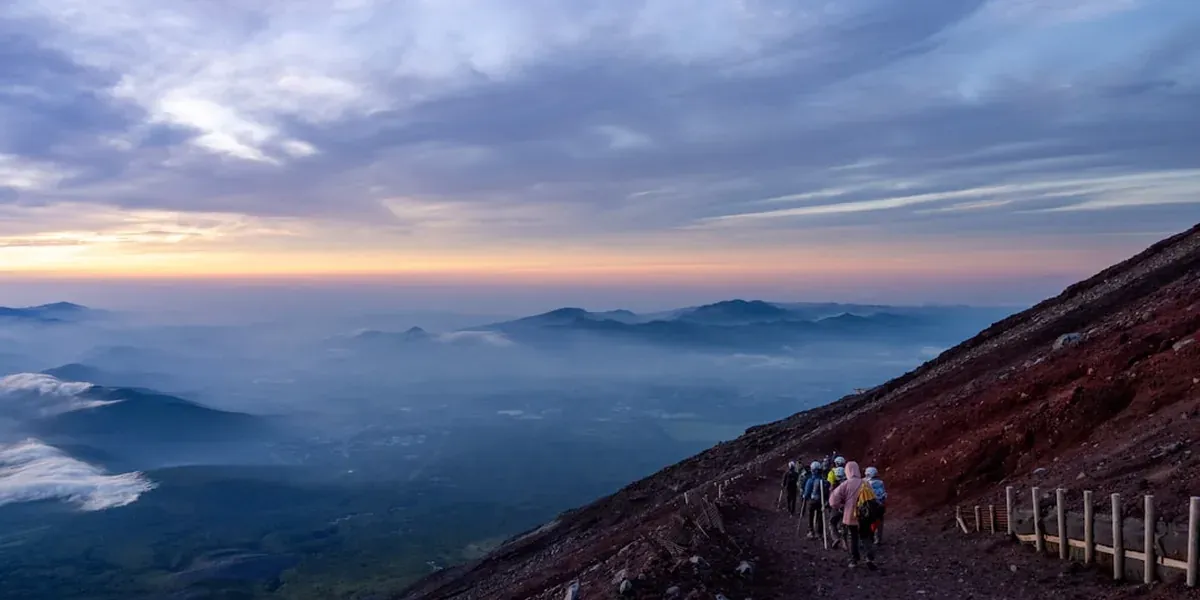
You’re climbing Mount Fuji. Most budget travel insurance excludes mountain climbing above 2,000–3,000m. Mt. Fuji sits at 3,776m — well above the cutoff. SafetyWing does not cover mountain rescue on Fuji. World Nomads explicitly covers it. If your itinerary includes the Fuji climb, World Nomads’ extra $50–80 cost is genuinely necessary.
You’re skiing in Hokkaido or Nagano. Niseko, Hakuba, and Nozawa Onsen are world-class ski destinations. A ski accident — mountain rescue plus surgery — can easily exceed $15,000. SafetyWing explicitly excludes skiing. World Nomads covers it.
You have significant prepaid bookings. Non-refundable deposits on ryokan, JR Pass in advance, or expensive tours — trip cancellation coverage protects those costs. SafetyWing does not include trip cancellation. World Nomads does, up to $5,000 per claim.
Japan-Specific Risks Most Guides Skip
Natural disasters — typhoons and earthquakes
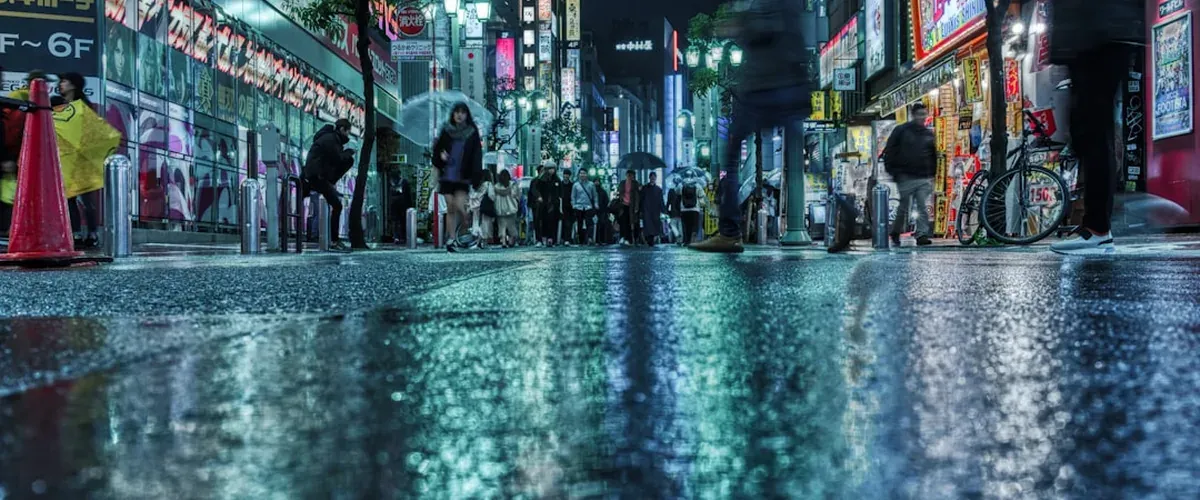
Japan has typhoons in summer and autumn and earthquakes year-round. Good travel insurance includes 24/7 assistance and early return if a natural disaster interrupts your trip or requires emergency evacuation.
A typhoon grounds all flights out of Osaka for two days — you need two extra hotel nights and rebooked transport. Travel delay coverage pays for this. SafetyWing includes travel delay. For the overnight bus from Tokyo to Kyoto — if the bus is cancelled by a typhoon and you miss your next booking, travel delay coverage applies.
Language barrier in emergencies
The language barrier can delay treatment in an emergency — Japan’s excellent hospital system operates primarily in Japanese. SafetyWing and World Nomads both offer 24/7 English-language emergency assistance lines. Save your insurer’s emergency number in your phone before you leave. Your eSIM gives you the data connection to reach it from anywhere in Japan.
How to Use Travel Insurance in Japan
Before you go
Print or screenshot your policy number, 24/7 emergency line, and the claims process. Store these separately from your phone in case of theft or phone damage. Your Japan packing list includes this in the documents section.
If you get sick or injured in Japan
Step 1: Call your insurer’s 24/7 emergency line for serious situations — they can authorise treatment and sometimes pay the hospital directly so you don’t pay upfront.
Step 2: Go to a hospital marked 総合病院 (sogo byoin — general hospital) or a clinic marked 内科 (naika — internal medicine). University hospitals in Tokyo and Osaka typically have international patient departments with English speakers.
Step 3: Show your insurance card and policy number at reception. Say 「保険があります」 (hoken ga arimasu — I have insurance). Request an English-language treatment summary and itemised receipt.
Step 4: Keep every receipt, prescription, and medical report. Claims require documentation. Photograph everything before handing any paper to the hospital.
Step 5: File the claim through your insurer’s app. SafetyWing claims are filed entirely on mobile — no paper forms required.
English-friendly clinics in major cities
Tokyo: Tokyo Medical and Surgical Clinic (central Tokyo), International Soseki Clinic (Shinjuku).
Osaka: Sumitomo Hospital (English staff, central Osaka), Osaka City General Hospital international department.
Kyoto: Japan Baptist Hospital (north Kyoto, English-speaking international department).
The Budget Insurance Decision Framework
Any adventure activities?
(Fuji climbing, skiing, scuba, mountain hiking)
├── YES → World Nomads Standard plan ($70–150)
│         Adventure sports covered
└── NO  → SafetyWing (~$22 for 2 weeks)
          Best value for sightseeing trips

Significant prepaid non-refundable bookings?
(JR Pass, ryokan deposits, expensive tours)
├── YES → World Nomads for trip cancellation
└── NO  → SafetyWing sufficient

Staying longer than 4 weeks?
├── YES → SafetyWing monthly subscription
│         Pay month-to-month, cancel when you leave
└── NO  → Standard 2-week plan

Forgot to buy before departure?
├── YES → SafetyWing (can buy AFTER leaving home)
└── NO  → Any provider above works
The One-Line Summary
Buy SafetyWing for ~$22 before your Japan trip. If you’re climbing Fuji or skiing, pay $70–150 for World Nomads instead. Either way, spend the $22 minimum. It is less than dinner at one mid-range restaurant and the downside of having it and not needing it is $22. The downside of not having it and needing it is potentially more than the entire rest of your Japan trip cost.
How Insurance Fits Into Your Full Japan Budget
Insurance is the last item most budget travelers add to planning — it should be the first non-negotiable. Here is how it connects to everything else:
Before you pack: Add your policy document to your Japan budget packing list alongside your passport copy and hotel bookings.
Before you book transport: If you have purchased a JR Pass, overnight bus tickets, or domestic flights in advance, confirm your insurer covers trip cancellation before finalising non-refundable bookings. Full transport options: Cheapest Ways from Tokyo to Kyoto.
For the full budget: Factor $22–30 for SafetyWing into your complete Japan trip cost — it sits below the daily food budget and well below any single accommodation night.
Connectivity for claims: Your Japan eSIM gives you data to reach your insurer’s emergency line, file claims through their app, and Google Translate any hospital paperwork. Buy both before you fly.
Seasonal consideration: Trip cancellation and delay coverage matters most during typhoon season (July–October) and earthquake-active months. If your trip falls in these windows — which are also some of the cheaper months to visit per the seasonal guide — confirm your policy covers natural disaster delays.
Frequently Asked Questions
Do I need travel insurance for Japan?
Japan does not legally require travel insurance for tourist entry. However, as a tourist you receive zero coverage from Japan’s national health insurance system and pay 100% of medical costs upfront. A GP visit costs $50–100, an emergency $3,000–6,000, and a serious accident or evacuation can exceed $50,000. SafetyWing covers all of this for approximately $22 for a 2-week trip. It is not required. You need it anyway.
What is the cheapest travel insurance for Japan?
SafetyWing Nomad Insurance at approximately $45 per 4-week period (~$22 for 2 weeks) is the cheapest credible travel insurance for Japan in 2026. It includes $250,000 medical coverage, travel delay, and 24/7 emergency assistance. The $250 deductible means minor clinic visits under $250 come out of pocket — any serious situation is covered. Buy at safetywing.com.
Does travel insurance cover Mount Fuji climbing?
Most standard travel insurance including SafetyWing does not cover mountain rescue or accidents at altitude above 2,000–3,000m. Mount Fuji is 3,776m — above the cutoff for most basic policies. If you plan to climb Fuji, purchase World Nomads which explicitly covers trekking and mountaineering activities.
Can I buy travel insurance after arriving in Japan?
Yes — SafetyWing is one of the few providers that allows purchase after departure. Buy immediately on arrival rather than after something happens — there is typically a short waiting period before coverage activates on a new policy.
Does credit card travel insurance cover Japan?
Partially, but usually not adequately. Most credit card travel insurance has medical caps of $25,000–50,000 (too low for serious situations or medical evacuation), requires trips to be booked on that card, excludes adventure activities, and reimburses you after the fact rather than paying the hospital directly. Check your specific card’s full policy document before relying on it as sole coverage for Japan.
What is the best travel insurance for budget Japan travelers?
SafetyWing at ~$22 for 2 weeks is the best value for sightseeing-focused trips covering Tokyo, Kyoto, Osaka, Nara, Hiroshima, and Fukuoka. For trips including Mount Fuji, skiing in Hokkaido, or significant non-refundable prepaid bookings, World Nomads at $70–150 provides the necessary additional coverage.
Prices verified May 2026. Insurance pricing varies by age, nationality, and trip details — get a personalised quote at safetywing.com or worldnomads.com for your specific trip.