Japan 10-Day Budget Itinerary 2026: Tokyo, Kyoto & Osaka Under $700
Complete 10-day Japan budget itinerary — Tokyo, Kyoto and Osaka for under $700 excluding flights. Day-by-day schedule with overnight bus, real costs and zero fluff.
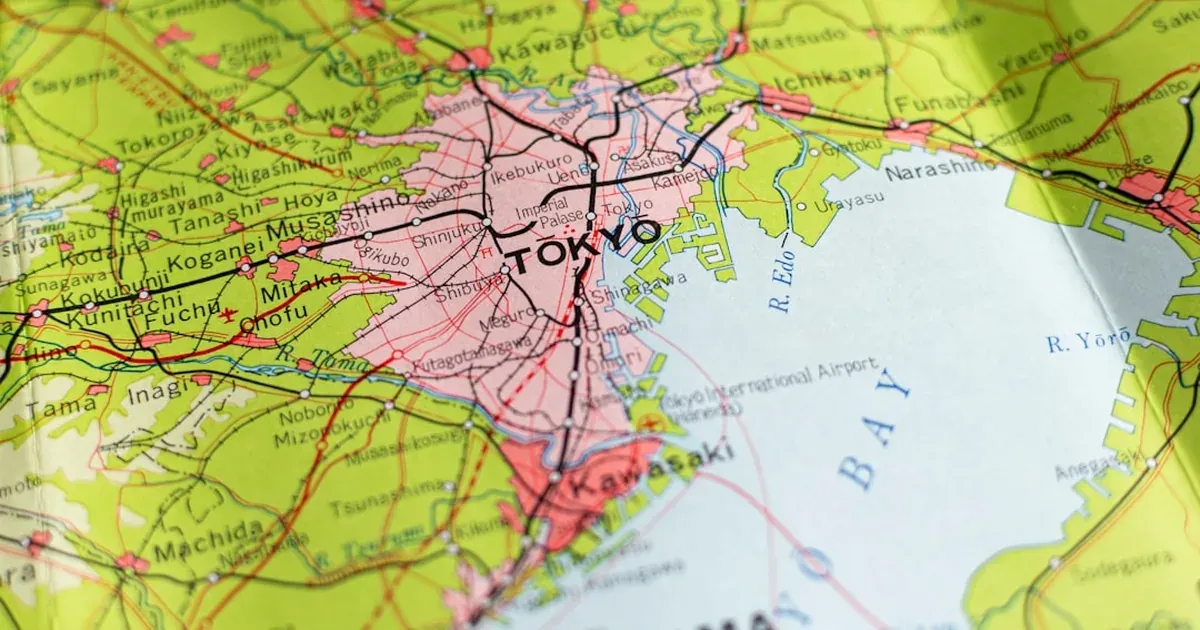
Ten days is enough to do Japan properly. Not rushed, not crammed — properly. Tokyo for three days, a day trip south, an overnight bus to Kyoto, two days of free temples, a day trip to Nara, Osaka for three days of street food and free neighbourhoods. Total cost excluding international flights: under $700 per person.
That number is significantly lower than every competing 10-day Japan itinerary guide because it uses three specific moves they don’t:
The overnight bus instead of Shinkansen. Tokyo to Kyoto costs ¥3,500 on the overnight bus versus ¥13,970 on the Hikari Shinkansen. The bus saves ¥10,470 and eliminates one hotel night simultaneously. That single decision cuts nearly $140 from your total budget.
No JR Pass. As the JR Pass 2026 honest review shows, the national JR Pass costs ¥50,000 for this itinerary while individual tickets total ¥28,510 — a ¥21,490 overpayment. This guide uses the Hankyu Railway (¥410 from Kyoto to Osaka) and IC card for all city transport.
Konbini for breakfast and lunch every day. The Japan convenience store food guide covers this in full — a complete konbini day costs ¥1,800–2,500 versus ¥4,000–6,000 eating out three meals a day. One restaurant dinner per day keeps the experience authentic without the cost.
The 10-Day Route at a Glance
Days 1–3    Tokyo
             (Asakusa · Shibuya · Meiji Shrine · Yanaka)
Day 4        Tokyo day trip → Kamakura or Hakone
             Evening: overnight bus to Kyoto
Days 5–6    Kyoto
             (Fushimi Inari · Arashiyama · Gion · Philosopher's Path)
Day 7        Nara day trip from Kyoto → evening move to Osaka
Days 8–10   Osaka
             (Dotonbori · Shinsekai · Osaka Castle · Kuromon)
No Shinkansen required. No JR Pass required. One overnight bus.
The 10-Day Budget Overview
| Category | 10-day total | Daily average |
|---|---|---|
| Accommodation (8 nights + 1 overnight bus) | ¥27,200 | ¥3,200/night |
| Transport (IC card + intercity) | ¥16,500 | ¥1,650 |
| Food (konbini + one dinner/day) | ¥28,000 | ¥2,800 |
| Activities (mostly free, 4 paid entries) | ¥3,500 | ¥350 |
| Buffer (SIM card, toiletries, misc) | ¥8,000 | ¥800 |
| Total | ¥83,200 (~$555) | ¥8,320 (~$55) |
Budget $700 per person to give yourself a real buffer — the figures above are realistic minimums. Extra covers airport transport, any eSIM purchase (see best Japan eSIM guide), travel insurance (~$22 for SafetyWing — full guide here), and the occasional meal upgrade.
Before You Arrive — The Pre-Trip Checklist
Set these up before you board your flight:
- eSIM activated — Airalo 10 GB Japan plan (~$17), installed and ready to switch on landing. Full setup guide
- Travel insurance purchased — SafetyWing (~$22 for 10 days). Full guide
- Mobile Suica set up (iPhone users) or Welcome Suica planned for airport purchase. IC card guide
- Accommodation booked — hostels and capsule hotels under ¥4,000/night fill 2–3 weeks ahead in Tokyo
- Overnight bus booked — ¥3,500 Willer Express or Japan Bus Online. Departs night of Day 4
- Offline Google Maps downloaded for Tokyo, Kyoto, Osaka, Nara
- What to pack — Japan budget packing list
Days 1–3: Tokyo
Where to stay in Tokyo
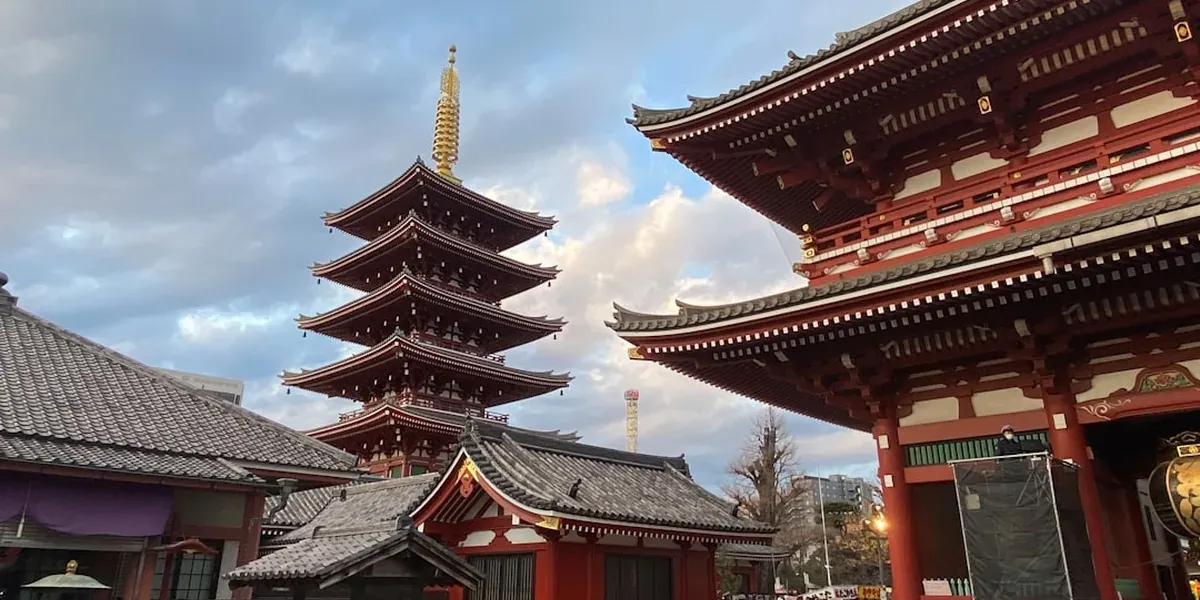
Asakusa — highest concentration of budget hostels and capsule hotels in Tokyo, walking distance to Senso-ji, easy subway access everywhere. Hostel dorms ¥2,700–3,500/night. Capsule hotels ¥3,000–4,500/night.
Book on Booking.com — Tokyo Asakusa budget accommodation. Filter guest rating 8.5+ and Asakusa area. Book at least 2 weeks ahead.
Full accommodation guide covering every type: Japan Budget Accommodation Guide.
Day 1 — Arrive, orient, recover
Land at Narita or Haneda. Activate your Japan eSIM immediately. Buy or activate your IC card — Welcome Suica at the airport, or tap your iPhone if Mobile Suica is set up.
Take the airport train to Asakusa (or your hostel area). Check in, drop bags.
Evening: Walk to the nearest 7-Eleven. This is your introduction to Japanese convenience stores — read the Japan Convenience Store Food Guide before you go. Budget ¥600–800 for dinner from konbini.
Day 1 spend: ¥3,000–3,800 (airport transport + IC card load + dinner)
Day 2 — Asakusa, Ueno, Shibuya
6am: Senso-ji Temple at dawn — free. The lantern gate against pale sky with no crowds is one of the best free experiences in Tokyo. Konbini breakfast on the way (¥400).
9am: Walk to Ueno (20 min). Ueno Park and Ameyoko Market — free. Street food snack ¥300–500.
Afternoon: Subway to Shibuya (¥230). Shibuya Crossing — free. Walk to Daikanyama and Nakameguro canal — free. Dinner: gyudon chain near Shibuya (¥500).
Day 2 spend: ¥2,200–3,000
Full free Tokyo guide: Free Things to Do in Tokyo.
Day 3 — Harajuku, Shinjuku, Yanaka
7am: Meiji Shrine forest walk — free. Konbini breakfast (¥400).
9am: Harajuku Takeshita Street — free. Walk to Shinjuku.
10am: Tokyo Metropolitan Government Building free observation deck — 45th floor, 202m, free. The best view in Tokyo at zero cost.
Afternoon: Subway to Nippori (¥200). Yanaka old town walk — free. Menchi-katsu snack from Mutsu-ya ¥200.
Evening: Omoide Yokocho (Memory Lane) near Shinjuku Station — yakitori skewers ¥300 each, beer ¥500. Budget ¥1,200–1,500 for a full standing dinner.
Day 3 spend: ¥2,800–3,600
Day 4 — Day Trip + Overnight Bus
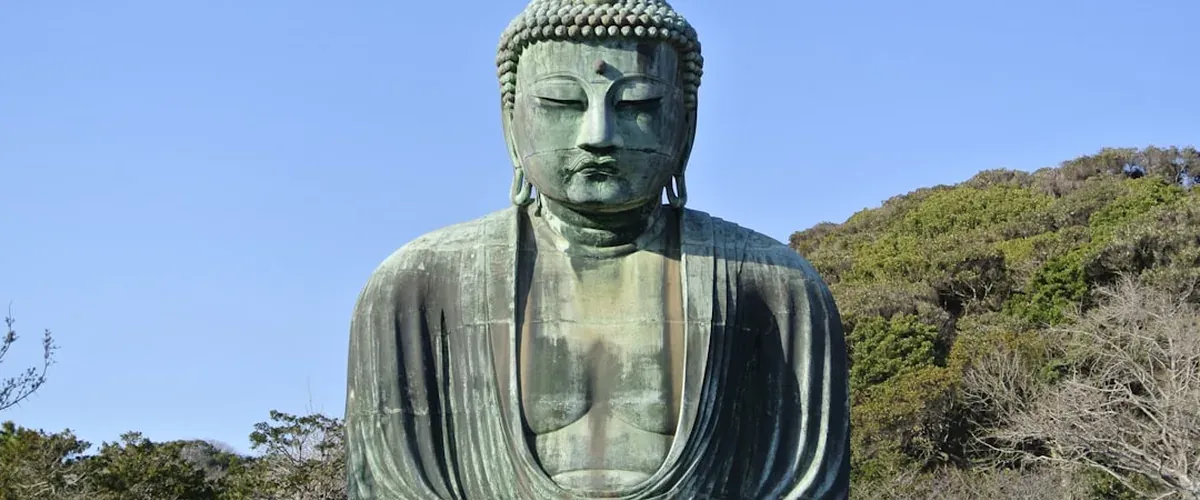
Day 4 is the most strategically important day of the itinerary — you do a day trip, then board the overnight bus to Kyoto in the evening. You wake up in Kyoto having traveled while you slept, having saved both transport cost and hotel night.
Choose your day trip:
Budget option — Kamakura (recommended): ¥1,880 return JR from Tokyo Station. Great Buddha ¥300, Hasedera ¥400, Komachi-dori and beach free. Total day cost ¥3,500–4,000. Full guide: Kamakura Day Trip Budget Guide.
Splurge option — Hakone: ¥5,000–6,500 with Hakone Free Pass. Volcanic valley ropeway, Lake Ashi, onsen. If you have budget flexibility and want the dramatic scenery, this is the one. Full guide: Hakone Day Trip Budget Guide.
Evening — the overnight bus:
Return to Tokyo by 8pm. Store your main bag at Tokyo Station coin locker if needed (¥500–700, paid with IC card). Stock up at the Shinjuku 7-Eleven: onigiri, snacks, a drink for the journey (¥800–1,000). Board the overnight bus from Shinjuku around 10–11pm.
Day 4 total spend: ¥7,000–9,000 (day trip + bus ticket ¥3,500–4,500)
Days 5–6: Kyoto
Arriving in Kyoto at 6am
The bus pulls in around 6–7am. This is the plan — go directly to Fushimi Inari before checking into your hostel.
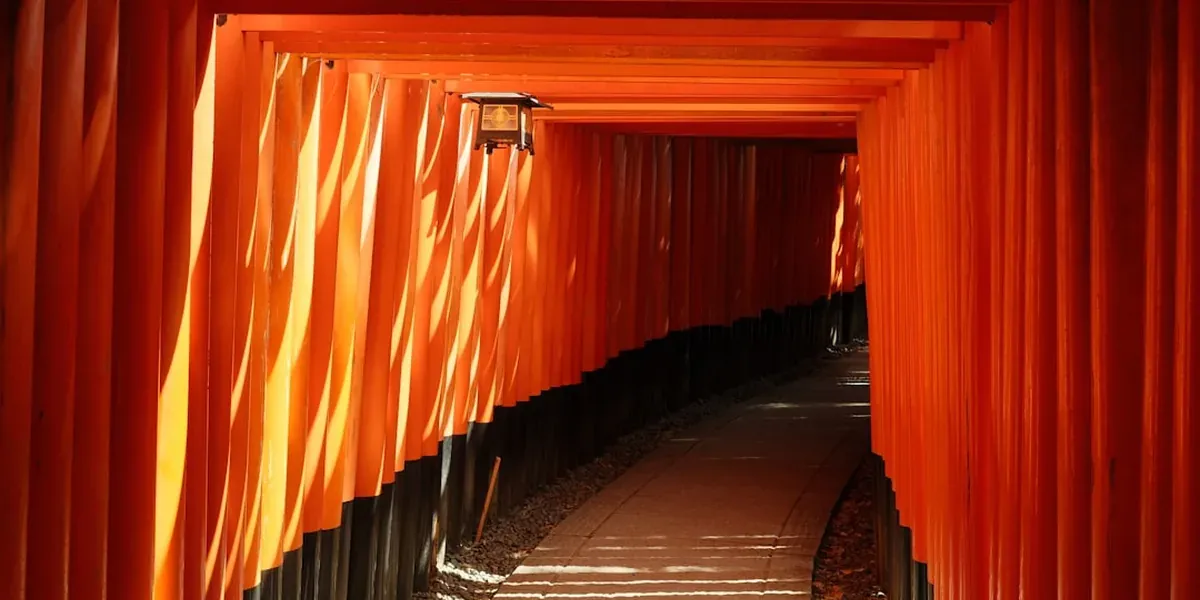
Take the JR Nara Line from Kyoto Station to Inari Station (¥150, 2 stops, 5 minutes). Walk to Fushimi Inari. You’ll arrive at 7am with sunrise light through the torii gates and almost nobody around. This is one of the best travel moments available to a budget traveler in Japan — and you got it because you took the overnight bus.
After 90 minutes at Fushimi Inari, return to Kyoto Station and check into your hostel. Most properties allow bag drop before standard check-in. Sleep for 2–3 hours if needed.
Where to stay in Kyoto
Fushimi/Kyoto Station area: 10–15% cheaper than central Kyoto. Hostel dorms ¥2,800–3,800/night. Note the Kyoto accommodation tax (¥200–500 per person per night extra) from 2026 — factor this into your Kyoto nights.
Full accommodation breakdown by city: Japan Budget Accommodation Guide.
Day 5 — Fushimi Inari + Gion + Nishiki Market
6–8am: Fushimi Inari at dawn (as above — free). 8am: Check into hostel, rest. 10am: Nishiki Market walk — free. Street food grazing ¥500–800. 12pm: Philosopher’s Path canal walk — free. 3pm: Gion district at dusk — free. Best time to see geiko walking to appointments. Evening: Ramen dinner near hostel ¥800–1,000.
Day 5 spend: ¥2,500–3,500
Day 6 — Arashiyama + Kyoto Temples
7am: Bus to Arashiyama (¥230). Bamboo grove at 7:30am before tour groups — free. Tenryu-ji outer garden walk — free.
Midday: Kinkaku-ji Golden Pavilion (¥500) — go at opening 9am, but on this Day 6 schedule you arrive midday. Still worth the ¥500 if first time.
Afternoon: Ryoan-ji Rock Garden (¥600). 15 minutes of genuine quiet.
Evening: Pontocho alley walk — free. Standing sushi counter dinner ¥1,200–1,500.
Day 6 spend: ¥3,500–4,500
Full free Kyoto guide: Free Things to Do in Kyoto.
Day 7 — Nara Day Trip → Move to Osaka
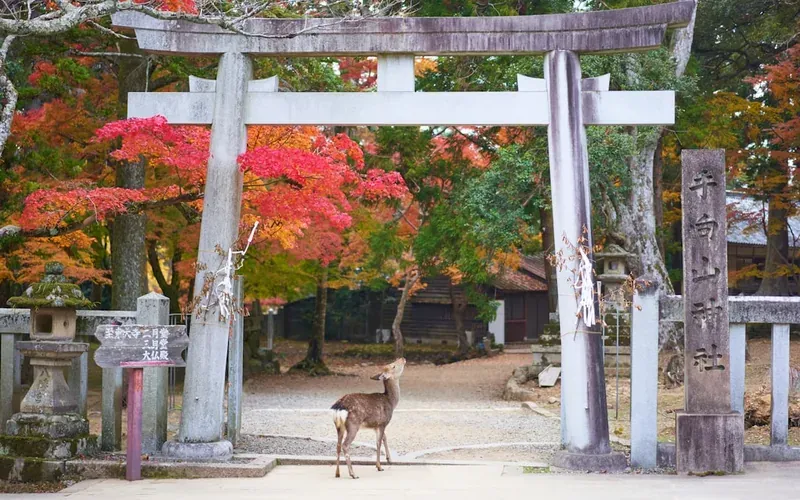
Nara from Kyoto: JR Nara Line from Kyoto Station, 46 minutes, ¥720 return.
Morning: Leave Kyoto by 8am. Arrive Nara 8:46am. Walk to Nara Deer Park — free. Great Buddha at Todai-ji ¥800. Yoshikien Garden free entry for foreign tourists (show passport). Kasuga Taisha lantern path — free.
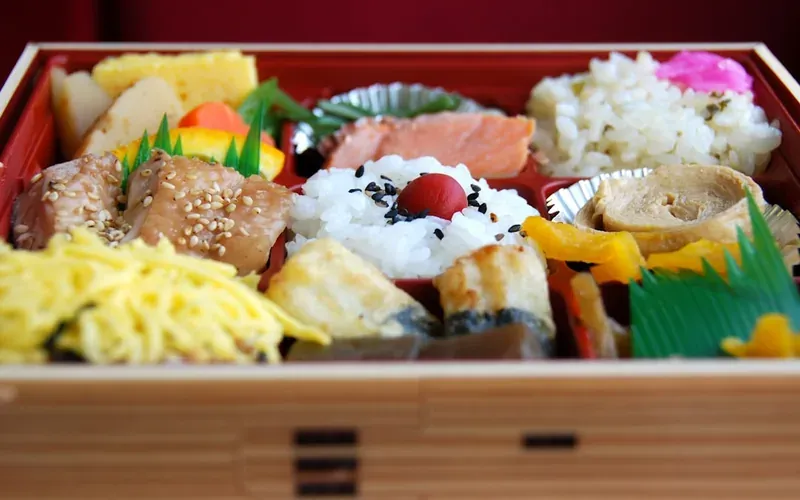
Lunch: Konbini bento on a park bench with deer nearby (¥500). One of the best budget lunch experiences in Japan.
Early afternoon: Return to Kyoto, collect bags from hostel, take Hankyu Railway from Kyoto-Kawaramachi to Osaka-Umeda (¥410, 43 minutes). Check into Osaka hostel by 5pm.
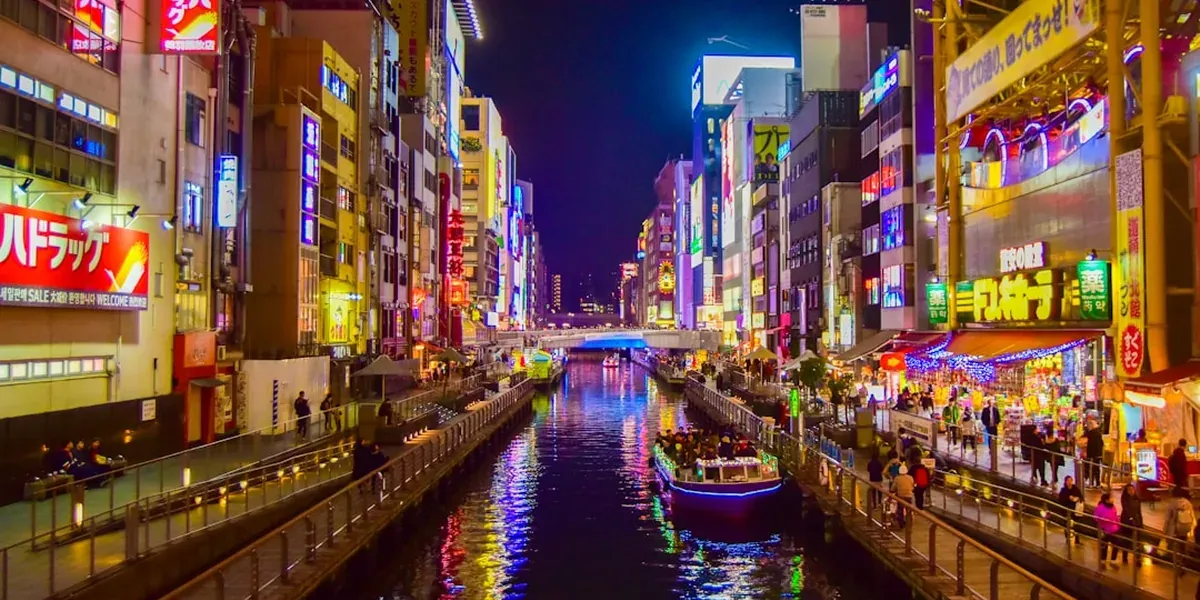
Evening: Walk Dotonbori at night — free. Takoyaki from a street stall ¥600. First night in Osaka done for minimal cost.
Day 7 spend: ¥3,800–4,800
Full Nara guide: Nara Day Trip Budget Guide.
Days 8–10: Osaka
Where to stay in Osaka
Namba area: walking distance to Dotonbori, Kuromon Market, Shinsaibashi. Hostel dorms ¥2,300–3,200/night — cheapest major-city accommodation in Japan.
Book on Booking.com — Osaka Namba budget hostels.
Day 8 — Osaka Castle + Shinsekai
Morning: Osaka Castle Park grounds — free. The castle exterior, stone walls and moat make a free 45-minute walk. Castle interior museum ¥600 if interested.
Afternoon: Walk south to Shinsekai. Janjanyokocho alley and Tsutenkaku Tower area — free. Kushikatsu lunch at a standing counter ¥1,200–1,500 for 8 skewers.
Evening: Namba Parks rooftop garden — free city views. Dotonbori walk at night — free.
Day 8 spend: ¥2,800–4,000
Full free Osaka guide: Free Things to Do in Osaka.
Day 9 — Kuromon Market + Tenjimbashi + Sumiyoshi Taisha
Morning: Kuromon Ichiba Market (free entry) — graze stalls for breakfast. Oysters ¥200–300 each, tamagoyaki ¥200. Budget ¥800–1,200 for a full market breakfast.
Midday: Walk north through Shinsaibashi and Amerika-mura — free. Tenjimbashi-suji covered arcade (Japan’s longest, 2.6km) — free.
Afternoon: Subway to Sumiyoshi Taisha shrine (¥180). Nearly 2,000-year-old shrine, completely free, graceful arched bridge — one of Osaka’s most underrated free experiences.
Evening: Yatai dinner in Dotonbori or Tenjin — ramen and one drink ¥1,500–2,000. Last proper night in Osaka.
Day 9 spend: ¥3,200–4,200
Day 10 — Final Morning + Departure
Use Day 10’s morning for anything missed — the Abeno Harukas 16th floor free rooftop view if you haven’t done a city panorama, Hozenji Yokocho temple alley (2 minutes from Dotonbori), a final konbini run for airport snacks and Japanese Kit Kat souvenirs.
For departure: Osaka has two main airports. Itami (domestic flights) is 30 minutes by bus from Osaka Station. Kansai International (international flights) is 55 minutes by Limited Express Haruka (¥3,190 from Tennoji Station) or 70 minutes by airport bus (¥1,500 from Namba).
Day 10 spend: ¥1,500–3,200 (depending on airport transport)
The Full Budget Breakdown
Accommodation (8 nights)
| City | Nights | Type | Cost/night | Total |
|---|---|---|---|---|
| Tokyo | 3 | Hostel dorm | ¥3,200 | ¥9,600 |
| Kyoto | 2 | Hostel dorm | ¥3,400 + ¥300 tax | ¥7,400 |
| Osaka | 3 | Hostel dorm | ¥2,800 | ¥8,400 |
| Overnight bus | 1 | Built into transport | ¥0 | ¥0 |
| Total | 9 nights | ¥25,400 |
Transport
| Journey | Method | Cost |
|---|---|---|
| Airport → Tokyo | Train/bus | ¥1,500 |
| Tokyo daily IC (3 days × ¥600) | IC card | ¥1,800 |
| Kamakura day trip | JR return | ¥1,880 |
| Tokyo → Kyoto | Overnight bus | ¥3,500 |
| Kyoto → Nara → Osaka | JR + Hankyu | ¥1,130 |
| Osaka daily IC (3 days × ¥500) | IC card | ¥1,500 |
| Osaka → airport | Bus/train | ¥1,500 |
| Total | ¥12,810 |
Food (10 days)
| Meal | Strategy | Daily cost | 10-day total |
|---|---|---|---|
| Breakfast | Konbini daily | ¥400 | ¥4,000 |
| Lunch | Konbini or market | ¥600 | ¥6,000 |
| Dinner | Restaurant (1 meal/day) | ¥1,000 | ¥10,000 |
| Snacks and drinks | Konbini + vending | ¥300 | ¥3,000 |
| Total | ¥2,300/day | ¥23,000 |
Activities
| Item | Cost |
|---|---|
| Nara — Todai-ji entry | ¥800 |
| Kyoto — Kinkaku-ji | ¥500 |
| Kyoto — Ryoan-ji | ¥600 |
| Kamakura — Great Buddha | ¥300 |
| Kamakura — Hasedera | ¥400 |
| Everything else | ¥0 (free) |
| Total | ¥2,600 |
Complete 10-day total
| Category | Total |
|---|---|
| Accommodation | ¥25,400 |
| Transport | ¥12,810 |
| Food | ¥23,000 |
| Activities | ¥2,600 |
| Buffer (eSIM, toiletries, misc) | ¥8,000 |
| Grand total | ¥71,810 (~$479 USD) |
Budget $600–700 per person for a real buffer and the occasional upgrade. The numbers above are the realistic minimum — the $700 ceiling gives you room for a splurge ramen dinner, a bamboo grove visit, or an onsen.
What This Itinerary Skips — And Why
JR Pass: Not needed. Individual transport costs ¥12,810 for the full 10 days — less than 26% of the national JR Pass price. Full calculation: JR Pass 2026 — Is It Worth It?.
Hiroshima and Fukuoka: Both excellent — but adding either requires a 16-day trip minimum to do them justice. They’re the natural extension for a second Japan visit. Hiroshima guide: Hiroshima Budget Guide. Fukuoka guide: Fukuoka Budget Guide.
Hakone overnight: A ryokan in Hakone with private onsen costs ¥20,000–40,000/night — beautiful but outside this budget. The Hakone day trip guide covers the same volcanic scenery for ¥5,500–8,000 as a day trip from Tokyo.
The BudgetYen Resource Map for This Itinerary
Every day of this itinerary is covered in depth by a dedicated guide:
Transport:
- Cheapest Ways from Tokyo to Kyoto — overnight bus details
- Kyoto to Osaka Budget Guide — Hankyu vs JR
- JR Pass 2026 Review — why we skip it
- Suica vs ICOCA vs PASMO — IC card setup
Activities:
- Free Things to Do in Tokyo
- Kamakura Day Trip Budget Guide
- Hakone Day Trip Budget Guide
- Free Things to Do in Kyoto
- Nara Day Trip Budget Guide
- Free Things to Do in Osaka
- Kyoto to Osaka Street Food Guide
Planning:
- Japan Budget Accommodation Guide
- Japan Convenience Store Food Guide
- Japan Budget Packing List
- Best eSIM for Japan 2026
- Japan Travel Insurance 2026
- Cheapest Time to Visit Japan
- Japan Trip Cost 2026
Frequently Asked Questions
Is 10 days enough to visit Japan?
Yes — 10 days is enough to experience Tokyo, Kyoto, and Osaka well without feeling rushed. This itinerary allocates 3 days to Tokyo, 2 to Kyoto, 3 to Osaka, 1 to a day trip, and 1 to Nara. You won’t see everything, but you will see the best of Japan’s three most important cities at a pace that feels comfortable rather than frantic.
How much does a 10-day Japan trip cost on a budget?
A realistic 10-day Japan budget trip costs ¥71,810–83,000 ($479–555 USD) excluding international flights, using hostel accommodation, convenience store meals with one restaurant dinner daily, IC card transport, the overnight bus from Tokyo to Kyoto, and mostly free attractions. Budget $600–700 per person to include a real financial buffer.
Do I need the JR Pass for a 10-day Japan trip?
No — for this itinerary using the overnight bus from Tokyo to Kyoto and the Hankyu Railway from Kyoto to Osaka, individual transport costs total approximately ¥12,810 ($85). The 7-day JR Pass costs ¥50,000 ($333). Individual tickets are dramatically cheaper. Full calculation: JR Pass 2026 — Is It Worth It?.
What is the cheapest way from Tokyo to Kyoto for a 10-day trip?
The overnight highway bus at ¥3,500–4,500 is the cheapest realistic option and also saves a hotel night. This is the transport choice that most dramatically reduces the 10-day Japan budget. Full comparison with all options: Cheapest Ways from Tokyo to Kyoto.
Should I do Kamakura or Hakone as a day trip from Tokyo?
For budget travelers, Kamakura is the clear choice at ¥3,500–4,500 total versus Hakone at ¥5,500–8,000. Kamakura’s Great Buddha (¥300), Hasedera Temple (¥400), and beach walk deliver a complete and memorable day for much less. Hakone offers more dramatic volcanic scenery and onsen — the better choice if budget is not a constraint or if you specifically want the Mount Fuji views and hot springs experience.
What is the best time for a 10-day Japan trip?
January and February give the lowest prices (25–40% cheaper accommodation than peak season) with minimal crowds. June offers low prices with hydrangeas in Kamakura and Kyoto. Avoid late March–early April (cherry blossom peak prices), late April–early May (Golden Week), and November in Kyoto (autumn foliage peak). Full seasonal guide: Cheapest Time to Visit Japan.
Prices correct as of May 2026. Exchange rate approximately ¥150 = $1 USD. All Booking.com links are affiliate links — BudgetYen earns a small commission at no extra cost to you.