Japan Cherry Blossom Season 2027 Budget Guide: When, Where & How to See Sakura Without the Crowds
A budget traveler's guide to Japan cherry blossom season 2027 — bloom forecast timing for Tokyo, Kyoto and Osaka, free viewing spots, day trips to Yoshino, accommodation booking strategy, and how to see sakura without paying peak prices.
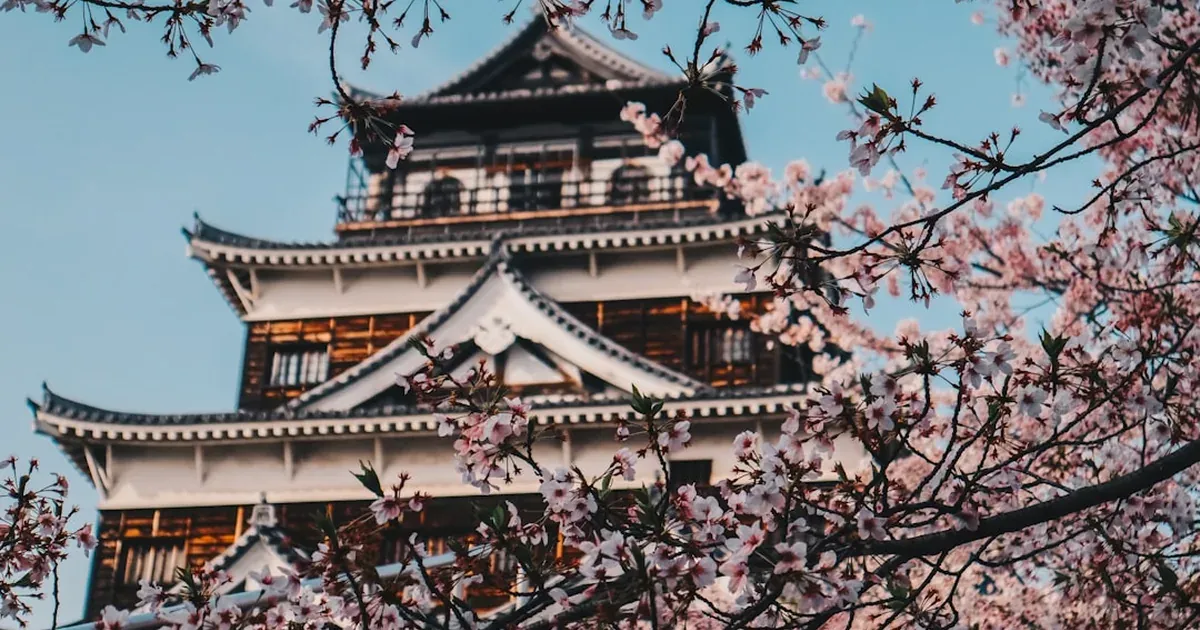
The short answer: sakura 2027 starts in Tokyo and Kyoto around March 28, peaks April 1–7, and runs through mid-April in northern Japan. Book accommodation 4–6 months ahead, expect to pay 30–50% more than off-season, and stick to free viewing spots — the best hanami is free, and the crowds and cost are the same for everyone.
Cherry blossom season is the single most popular time to visit Japan. About 80% of foreign visitors in spring travel during the roughly three-week bloom window, which is exactly why accommodation, flights, and even konbini lunches cost more. But the bloom itself is free, the best viewing spots are public parks, and the experience is the same for every traveler regardless of budget. This guide covers the 2027 forecast timing, free spots in Tokyo, Kyoto, and Osaka, day trips that beat the city crowds, the booking strategy that saves the most, and the small number of things that catch first-timers out.
The 2027 Sakura Forecast — When to Plan
The 2027 official forecast is released by JMC (Japan Meteorological Corporation) in January 2027. Until then, the historical averages below are the planning baseline. The “bloom date” (kaika) is the day the first flowers open, “full bloom” (mankai) is 5–7 days later, and petals typically last 7–10 days after that.
Historical sakura dates (1991–2020 average):
| City | Average bloom | Average peak | Notes |
|---|---|---|---|
| Fukuoka | March 22 | March 29 | Earliest in Honshu |
| Tokyo | March 24 | April 1 | Most-visited peak |
| Kyoto | March 26 | April 3 | Often matches Tokyo |
| Osaka | March 25 | April 2 | Same as Kyoto |
| Nagoya | March 22 | April 1 | Earliest in Honshu |
| Hiroshima | March 23 | April 1 | Southern Honshu |
| Kanazawa | April 1 | April 7 | Hokuriku region |
| Sendai | April 5 | April 10 | 1 week after Tokyo |
| Hakodate | April 25 | April 30 | Hokkaido border |
| Hirosaki (Aomori) | April 18 | April 23 | Northern Honshu |
| Sapporo | May 1 | May 6 | Latest in Japan |
The travel planning window: Aim to arrive 2–3 days before the expected peak and stay 5–7 days. The bloom moves north as spring progresses, so a multi-city trip Kyoto → Tokyo → northern Honshu can extend your window to 2–3 weeks of guaranteed bloom.
2027 forecast timing note: The JMC first forecast is released in mid-January 2027 and updated weekly until bloom. Subscribe at tenki.jp or watch the JMC updates in February and March 2027 for the most accurate timing.
For the cheapest time of year to visit Japan (which spring is not), see the cheapest time to visit Japan guide. The trade-off is clear: spring costs more, but it has the bloom.
Why Sakura Season Costs More — and How to Beat It
Sakura season is the single most expensive time to visit Japan after Golden Week (late April / early May) and New Year. Three things drive the premium:
1. Flights — Round-trip flights from the US or Europe to Tokyo peak in late March and early April. Expect 30–50% more than October or November for the same route. Book 4–6 months out — that’s October or November 2026 for April 2027 travel.
2. Accommodation — Tokyo, Kyoto, and Osaka hotel prices rise 30–80% over the off-season baseline. A capsule hotel that costs ¥3,500 in February hits ¥5,500–6,500 in early April. Hostels go from ¥3,000 to ¥4,500. Business hotels from ¥8,000 to ¥12,000.
3. Internal transport — The JR Pass and Tokyo to Kyoto shinkansen routes see small price bumps but no major changes. The bigger issue is accommodation in destination cities being sold out.
How to actually beat the premium:
- Book 4–6 months out. This is the single biggest lever. The same Tokyo capsule hotel at ¥3,800 in November 2026 is ¥6,500 in February 2027. Book in November for April 2027 travel.
- Stay outside the centre. A hostel in Ueno, Asakusa, or Kita-Senju is 30–50% cheaper than Shinjuku, Shibuya, or Ginza. Tokyo’s metro and IC card system makes staying 20–30 minutes from the centre easy.
- Use business hotels. APA, Toyoko Inn, Route Inn are ¥8,000–10,000 in February, ¥11,000–13,000 in April. They include a small breakfast, are always near a station, and don’t sell out as fast as hostels.
- Skip the JR Pass. With one Tokyo–Kyoto round trip and three day trips, the JR Pass calculation rarely favours the pass during sakura. Buy individual Shinkansen tickets instead.
- Travel on shoulder dates. The first 3–4 days of bloom (when the buds are still closed) and the last 2–3 days (when petals are falling) are 20–30% cheaper. The visual is similar — slightly fewer flowers, but the parks are still pink and the experience is still sakura.
Free Sakura Spots in Tokyo
Tokyo has hundreds of free cherry blossom spots. These are the ones the locals actually use, not the over-touristed headline ones.
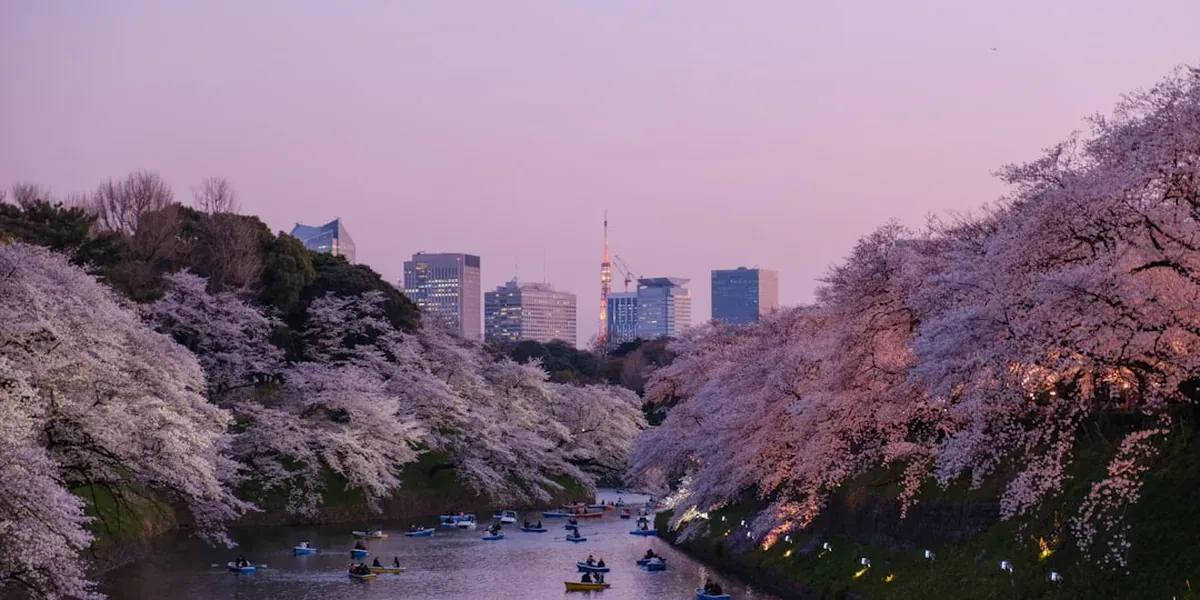
Chidorigafuchi (Imperial Palace moat) — free, but ¥800 for boat rental — The single most photographed sakura scene in Tokyo. A 700-metre moat lined with about 200 cherry trees. Free to walk the path along the moat; ¥800 for a 30-minute row boat on the water. Arrive before 8am on weekends to beat the queue. Closest station: Kudanshita (3 min walk).
Ueno Park — free — About 800 cherry trees. Very crowded during peak bloom, but the park is large enough to find space. The 1km central path is the most-visited. For a quieter experience, walk the lake on the south side. Closest station: Ueno (5 min walk).
Sumida River (between Asakusa and Tokyo Skytree) — free — A 1km riverside walk with cherry trees on both banks and Tokyo Skytree in the background. Less crowded than Ueno. Pair it with a free Tokyo day in Asakusa and a Senso-ji visit.
Shinjuku Gyoen — ¥500 entry — 1,500 cherry trees. One of the most famous Tokyo spots. The ¥500 entry is worth it for the variety — 70+ varieties, including late-blooming types that extend the season by 7–10 days. Closes Mondays.
Meguro River — free — A 4km riverside path lined with cherry trees. Local favourite. Less crowded than Chidorigafuchi. Closest station: Nakameguro (2 min walk). Best in the evening when paper lanterns light the trees.
Yoyogi Park — free — The Tokyo hanami party spot. Big open lawns where everyone spreads blankets and picnics. Crowded but festive. Closest station: Harajuku (1 min walk).
For a multi-day Tokyo itinerary with sakura, see the Tokyo budget guide and the 10-day Japan itinerary.
Free Sakura Spots in Kyoto
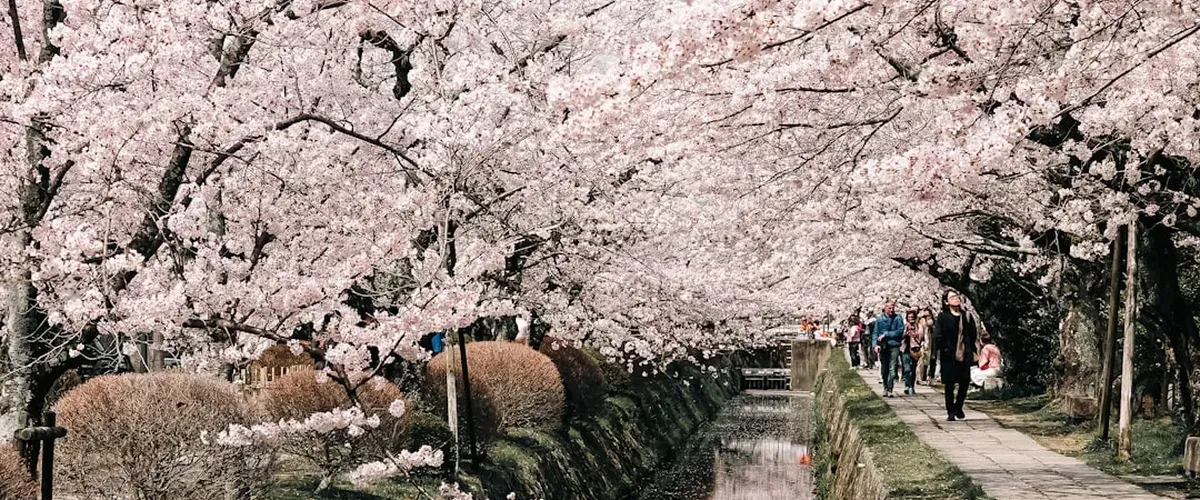
Kyoto’s sakura is different from Tokyo’s. There are fewer “park” cherry trees and more “temple garden” cherry trees, which means the best viewing is often paired with a paid temple entry. But the free spots in Kyoto are some of the best in Japan.
Philosopher’s Path (Tetsugaku-no-michi) — free — A 2km stone path along a canal lined with hundreds of cherry trees. Named after the philosopher Nishida Kitaro who used it for daily meditation. The most-photographed free Kyoto sakura scene. Closest station: Keage or Higashiyama.
Maruyama Park — free — A large public park next to Yasaka Shrine with a famous weeping cherry tree (shidarezakura) lit up at night. Crowded during peak bloom but worth it for the evening view. Closest station: Higashiyama or Gion-Shijo.
Keage Incline — free — A disused railway line covered in cherry trees, forming a tunnel of pink when in bloom. Less crowded than the Philosopher’s Path. Closest station: Keage (5 min walk).
Hirano Shrine — free — A small shrine in northern Kyoto with 50+ cherry tree varieties, including late-blooming types that extend the season. Less crowded than the headline spots. Closest station: Kitano-Hakubaicho (10 min bus).
Kamogawa River (between Sanjo and Shijo) — free — The central Kyoto river. Cherry trees line both banks in central Kyoto. Walk, sit, and watch locals picnic under the trees. Combine with the free Kyoto things to do walk.
Kyoto Botanical Garden — ¥500 entry — 4,000 trees, including 100+ cherry varieties. Worth the entry for the variety and the relative quiet compared to the headline spots.
For a sakura-specific Kyoto day, see the 10-day Japan budget itinerary for how to pair sakura viewing with the other Kyoto free things to do. The Kyoto to Osaka street food guide covers the food side of the hanami.
Free Sakura Spots in Osaka
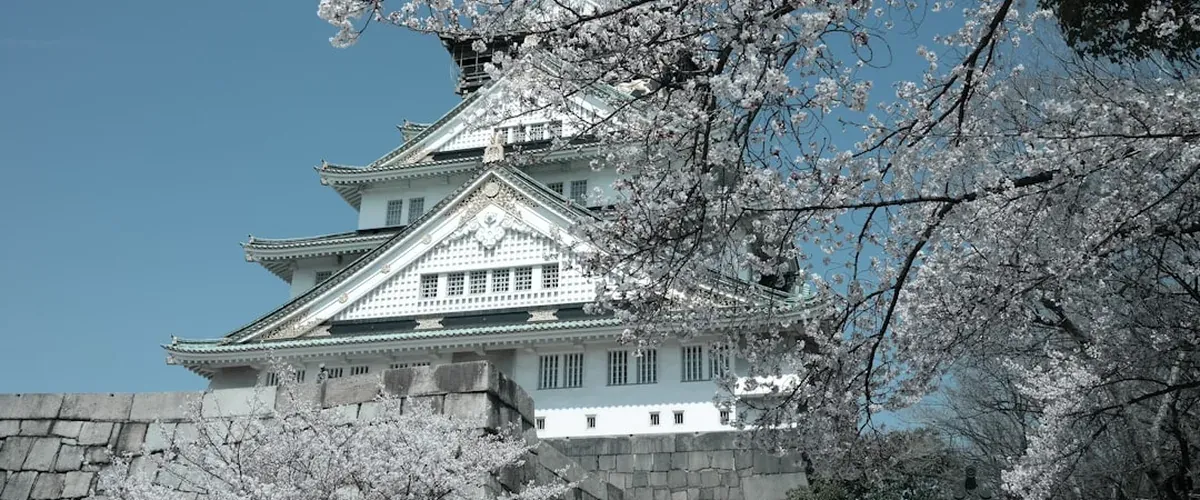
Osaka has fewer famous sakura spots than Tokyo or Kyoto, but the ones that exist are large and central.
Osaka Castle Park — free (¥600 for the castle interior) — A massive park around Osaka Castle with about 3,000 cherry trees. The east side (Nishinomaru Garden) has the densest concentration. The view of the castle through the cherry trees is the icon of Osaka sakura. Closest station: Tanimachi-Yonchome or Osakajokoen.
Kema-Sakuranomiya Park — free — A 4.2km riverside park along the Okawa River. About 4,800 cherry trees. Less crowded than Osaka Castle. Closest station: Sakuranomiya or Temmabayashi.
Osaka Mint Bureau — free, by reservation — A historic mint that opens once a year during cherry blossom season, with 100+ varieties of late-blooming cherry trees. The reservation requirement limits crowds. Book online in early April.
For a multi-day Osaka trip with sakura, see the free things to do in Osaka and the Osaka street food guide for the post-sakura eating.
Day Trips for Sakura — Where to Beat the City Crowds
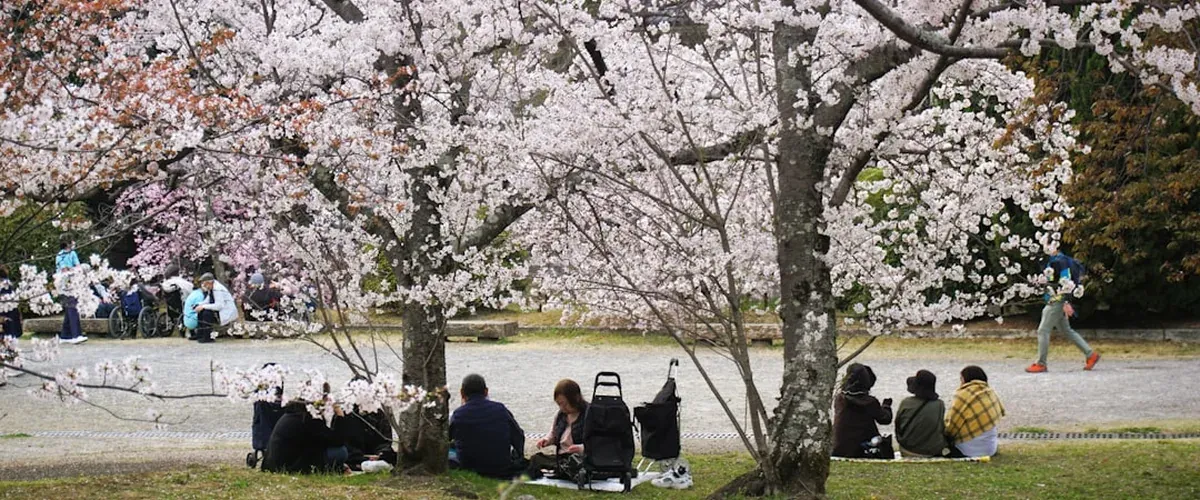
If you have flexibility on dates and the energy for a day trip, leaving the main cities is the single best way to see more sakura with fewer people. Each of these is a half-day or full-day trip from a major city.
Mount Yoshino (Nara) — the original sakura spot — Japan’s most famous cherry blossom mountain. About 30,000 cherry trees spread across four slopes (Shimo, Naka, Kami, and Oku). The peak moves up the mountain over a 3-week period. ¥2,000 return bus from Kyoto (1h45m), or JR Nara line + local bus from Kyoto or Osaka. Read more in the Nara day trip guide.
Kawaguchiko (Mount Fuji) — sakura + Fuji in one frame — The only place in Japan where you can photograph cherry blossoms and Mount Fuji in the same shot. A 2-hour bus from Shinjuku. The Fuji-Q area, the northern shore of Lake Kawaguchiko, and the Chureito Pagoda are the three main spots. Pairs with the Hakone day trip for a two-day Mount Fuji experience.
Hirosaki (Aomori) — northern Japan’s biggest bloom — About 2,500 cherry trees in Hirosaki Park, including a 100-year-old weeping cherry. The bloom here is late April to early May — two weeks after Tokyo. A long trip from Tokyo (3h30m Shinkansen) but the only place to see sakura in early May. Pairs with a Hiroshima budget guide extension.
Matsumoto (Nagano) — sakura with an original castle — Matsumoto Castle is one of Japan’s five original castles. The moat is lined with cherry trees. A 2h30m Shinkansen ride from Tokyo. The castle entry is ¥700 and the park is free. Combines with the Tokyo to Kyoto route for a stopover.
Tsurugaoka Hachimangu and Komachi-dori (Kamakura) — sakura seaside — The approach to Tsurugaoka Hachimangu shrine in Kamakura is lined with cherry trees, with the sea in the background. About 1h15m from Tokyo. See the Kamakura day trip guide for the full transport and budget.
For multi-day sakura routes, see the 2-week Japan budget itinerary, which can be modified to follow the bloom north.
Hanami Food and Etiquette
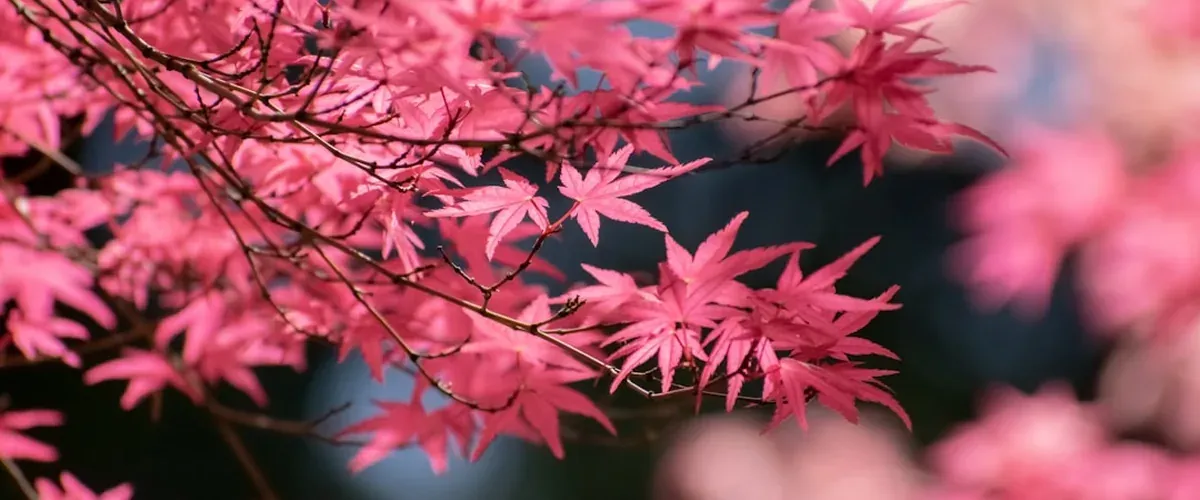
Hanami (花見, “flower viewing”) is the cultural practice of sitting under cherry blossoms and eating with friends, family, or coworkers. The food side is as important as the blossoms. Here’s what to bring and what to buy.
Konbini hanami essentials (¥1,500–2,500 per person):
- Onigiri (rice balls) — tuna mayo, salmon, ume
- Sando (sandwiches) — egg salad, katsu
- Karaage (fried chicken) — Lawson is the local favourite
- Beer and highball cans
- Sparkling sake or chu-hai
- A disposable picnic blanket (¥200 at Daiso or 100 yen shop)
Sakura seasonal foods to try:
- Sakura mochi (rice cake wrapped in salted cherry leaf) — ¥200–350
- Sakura dango (rice dumplings in pink) — ¥150–250
- Sakura latte / sakura frappe — konbini and Starbucks have limited spring versions
- Hanami bento (pre-made sakura-themed lunch box) — ¥600–1,200 at depachika (department store food floors)
- Sakura sake and cherry blossom beer — limited release March–April
Etiquette at hanami spots:
- Spread your blanket close to other groups — this is normal and the culture expects it
- Don’t pick branches or shake trees
- Take all rubbish with you — Japanese parks are spotless and this is part of the social contract
- Be considerate of neighbours’ space; keep the volume low in smaller parks
- Drinking is fine in most parks; check signs for any specific local restrictions
- Get there early on weekends — popular spots fill by 10am on Saturday and Sunday
For the full food side, see the Japan convenience store food guide for konbini hanami setup, and the Japan budget packing list for the blanket and small items.
Accommodation Booking Strategy
This is where sakura season actually loses people money. Get the booking wrong and you overpay 50% for a worse room. Get it right and the premium is manageable.
The 4-6 month rule: Book 4–6 months out for April travel. That’s October or November 2026 for April 2027. By February 2027, the budget options in central Tokyo, Kyoto, and Osaka sell out.
The 7-day stay rule: Stay at least 7 days in one city if you can. Most accommodation has a 7-day discount versus a 3–4 day rate. Capsule hotels and hostels are more flexible with short stays, business hotels less so.
The stay-outside-the-centre rule: Stay 2–3 stations outside the central areas for 30–50% savings. In Tokyo: Ueno, Asakusa, Kita-Senju, Nishi-Nippori, or Nakano. In Kyoto: around Kyoto Station (south side) instead of Higashiyama or Gion. In Osaka: around Tennoji or Shin-Imamiya instead of Namba or Umeda.
The book-direct rule: Hotels and hostels often offer 5–10% off the booking.com rate when you book direct. Email the property and ask. Particularly true for ryokan and smaller hostels.
The shoulder-date rule: The first 3–4 days of bloom and the last 2–3 days are cheaper. The peak — usually 4–5 days — is the most expensive. If your dates are flexible, target the shoulder.
Refundable booking rule: Book refundable rates when possible. Sakura forecasts are released in January and updated weekly. If your target city’s peak shifts by a week, having a refundable booking means you can re-time the trip.
See the Japan budget accommodation guide for capsule hotels, hostels, and business hotel options across all three cities.
What to Pack for Sakura Weather
Sakura season in Japan is early spring — temperatures range from 5–18°C (40–65°F) depending on city and day. It can be warm in the afternoon and cold in the morning, and rain is common in late March / early April.
Clothing:
- Layered top: t-shirt + light sweater or hoodie
- Light jacket or windbreaker — March and April mornings are still cool
- Comfortable walking shoes — the parks are large and you’ll walk 10–15km in a day
- Compact umbrella or rain jacket — late March rain showers are common
Camera and phone:
- Phone with a good camera is enough for most
- A mirrorless or DSLR is great but not required
- A small phone tripod for sakura selfies and night illumination shots
- Portable battery bank — long park days drain phones fast
Hanami gear:
- Picnic blanket (¥200 at Daiso if you don’t bring one)
- Hand warmers (kairo) — sold at any konbini, ¥150 for 10
- Wet wipes and small rubbish bag — every park is rubbish-free; you take everything with you
- A small bag for the konbini haul
For the full packing list including non-sakura items, see the Japan budget packing list. For eSIM and connectivity, see the best eSIM for Japan 2026 — you’ll want offline maps for the parks, which can be confusing.
Common Sakura Season Mistakes
These catch first-timers every year. Avoiding them saves the same money the guide keeps talking about.
Booking late. Accommodation in Tokyo, Kyoto, and Osaka in early April sells out by February for the budget options. Last-minute bookers pay 2–3x for worse rooms or end up in Osaka instead of Kyoto.
Only seeing Tokyo sakura. Tokyo is the most famous, but the peak moves north. Tokyo + Kyoto + northern Honshu (Hirosaki, Sendai) extends the bloom window from 1 week to 2–3 weeks.
Buying the JR Pass. The JR Pass is more expensive in 2026 and the JR Pass math rarely favours the pass for a 7-day sakura trip. Buy individual tickets or use a regional pass.
Skipping day trips. Mount Yoshino, Kawaguchiko, and Hirosaki are where the locals go for sakura. The Tokyo, Kyoto, and Osaka headline spots are crowded, but the day trips are quieter for the same bloom.
Underestimating the crowds. Peak bloom on a Saturday in Ueno Park or Maruyama Park is genuinely packed. Plan to arrive before 8am, eat your konbini breakfast, and enjoy the morning calm before the midday rush.
Overpaying for sakura food. The seasonal sakura sweets are good but not twice as good as the regular versions. Spend on the things that are uniquely sakura (mochi, bento) and skip the “sakura flavour” regular items that are just pink.
Picking up petals. It’s a small thing but a real cultural no-no. Petals fall naturally. Picking them off the ground or shaking the trees is considered disrespectful.
Frequently Asked Questions
When do cherry blossoms bloom in Japan in 2027?
The first forecast is released by JMC in mid-January 2027. Historical averages: Tokyo and Kyoto bloom around March 24–26, peak around April 1–3, with petals lasting 7–10 days. The bloom moves north: Osaka matches Kyoto, Nagoya blooms slightly earlier, Sendai is 1 week later, and Sapporo is in early May.
Is it expensive to visit Japan during cherry blossom season?
Yes — flights, accommodation, and to a lesser extent internal transport are 30–50% more expensive than off-season. A budget capsule hotel in Tokyo that costs ¥3,500 in February is ¥5,500–6,500 in early April. Book 4–6 months ahead and stay outside the central areas to manage the premium.
How do you avoid the crowds during sakura?
Visit the headline spots before 8am. Take day trips to Mount Yoshino, Kawaguchiko, or Hirosaki where crowds are lower. Visit on weekdays if possible. Skip the most famous parks (Ueno, Maruyama, Osaka Castle) and go to the lesser-known free spots (Philosopher’s Path, Chidorigafuchi, Sumida River, Meguro River).
Where can you see cherry blossoms for free in Japan?
The best free spots: Chidorigafuchi (Tokyo), Meguro River (Tokyo), Philosopher’s Path (Kyoto), Keage Incline (Kyoto), Osaka Castle Park (Osaka), Kema-Sakuranomiya Park (Osaka), Kamogawa River (Kyoto), and Hirano Shrine (Kyoto). Almost every public park in Japan has free cherry trees — the headline spots are just the most famous.
When should I book accommodation for cherry blossom season 2027?
4–6 months out. Book October or November 2026 for April 2027 travel. After January 2027, the budget options in central Tokyo, Kyoto, and Osaka sell out. Book refundable rates so you can adjust if the bloom forecast shifts.
What should I wear during cherry blossom season?
Layered clothing — temperatures range from 5–18°C (40–65°F) depending on city and time of day. A t-shirt + light sweater + jacket handles most days. Comfortable walking shoes for park days. A compact umbrella for late March rain. See the Japan budget packing list for the full list.
Can I bring food and alcohol to cherry blossom parks?
Yes, this is normal and expected. Buy a konbini spread (onigiri, karaage, beer, sake) and a disposable blanket, then picnic. Take all rubbish with you — Japanese parks are spotless and you must follow the rule. Most parks allow alcohol; some specific temples and shrines do not, so check the local rules.
Are the cherry blossoms lit up at night?
Yes — yozakura (night sakura) illumination is a major feature of the season. Major spots with illumination: Chidorigafuchi (Tokyo), Maruyama Park (Kyoto), Keage Incline (Kyoto), Osaka Castle. The illumination usually runs from sunset to 21:00 or 22:00 during peak bloom. Free at most spots.
Can I see cherry blossoms outside of spring in Japan?
Somewhat. The Yaezakura (double-flowered cherry) blooms 2–4 weeks later than regular sakura. Some spots in northern Honshu and Hokkaido have sakura in late April and early May. There is no “off-season” cherry blossom in Japan — the regular bloom is once a year, late March to early May depending on latitude.
Is the JR Pass worth it for a cherry blossom trip?
For a 7-day Tokyo + Kyoto + day trips trip, no — the JR Pass math rarely favours the pass in 2026. Buy individual tickets for the Tokyo–Kyoto Shinkansen and use the Suica or ICOCA IC card for in-city transport.
Putting It Together — A 7-Day Sakura Trip on a Budget
A realistic 7-day sakura trip in April 2027 costs ¥140,000–180,000 (~$930–1,200) per person excluding international flights, based on solo capsule hotel/hostel travel with konbini food and day trips.
Sample 7-day budget breakdown:
| Day | City | Plan | Daily cost |
|---|---|---|---|
| 1 | Tokyo | Arrive, IC card, free Shinjuku Gyoen evening | ¥6,000 |
| 2 | Tokyo | Chidorigafuchi morning, Ueno Park afternoon, Yoyogi evening | ¥8,000 |
| 3 | Day trip | Kawaguchiko (Mount Fuji sakura) | ¥9,500 |
| 4 | Tokyo → Kyoto | Shinkansen, evening Philosopher’s Path | ¥13,000 (incl. Shinkansen) |
| 5 | Kyoto | Maruyama, Keage Incline, Hirano Shrine | ¥7,500 |
| 6 | Day trip | Mount Yoshino (Nara) | ¥6,500 |
| 7 | Kyoto → Osaka | Train, Osaka Castle, depart | ¥9,000 |
| Total | ¥59,500 (~$400) for in-country |
Add ¥10,000–12,000/night for 7 nights of accommodation in budget capsule hotels and hostels, and the trip lands at ¥130,000–145,000 (~$870–970) in country. Add international flights at $600–1,000 round-trip and the trip is $1,500–2,000 all-in from the US or Europe.
For the broader trip planning including flights, insurance, and packing, see:
- 10-day Japan budget itinerary for a slightly longer version
- 2-week Japan budget itinerary for the full version
- Japan budget guide for the cost-of-trip overview
- Japan travel insurance 2026 for medical coverage
- Money in Japan 2026 for the cash and ATM setup
- Cheapest time to visit Japan for the off-season alternative
Sakura season costs more. But the bloom is the same for every traveler, the best viewing is free, and a little planning 4–6 months out keeps the premium manageable. The visual of petals falling on a temple, a river, or a morning park walk is the single most memorable Japan experience — worth the premium for almost every first-timer.
Information correct as of June 2026. The 2027 JMC sakura forecast is released in January 2027 and updated weekly. Accommodation prices, transport fees, and park access rules may change — verify current terms before booking.