Money in Japan 2026: Cash, ATMs, Cards and How Much to Bring
Honest Japan money guide for 2026 — 7-Eleven ATMs, how much cash to carry, Wise vs airport exchange, IC card payments, and the budget traveler's payment stack.
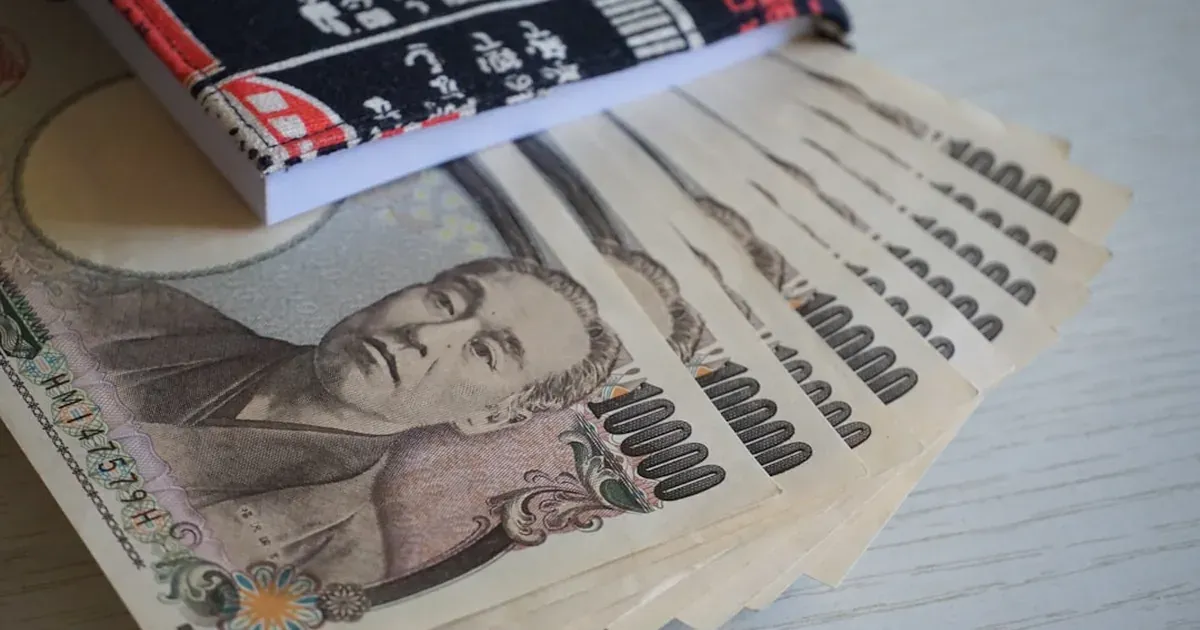
The short answer: bring a Visa or Mastercard, set up an IC card on arrival, and carry ¥15,000–20,000 cash at all times. That combination covers 99% of every payment situation in Japan in 2026.
Japan has changed significantly since the “cash only” reputation it had before 2020. Card acceptance has grown rapidly at chains, department stores, and urban restaurants. Apple Pay and Google Pay now work at every major konbini, most city restaurants, and all transport. But small izakaya, temple entry gates, local vending machines, coin lockers, rural ryokan, and the best cheap ramen shops still require physical yen. The zero-cash strategy fails the moment you leave the main tourist infrastructure.
This guide tells you exactly how much cash to bring, which ATMs to use, how to avoid paying 3–7% in exchange fees, and how the payment landscape works across every situation a budget Japan traveler encounters.
The 2026 Payment Reality — What’s Changed
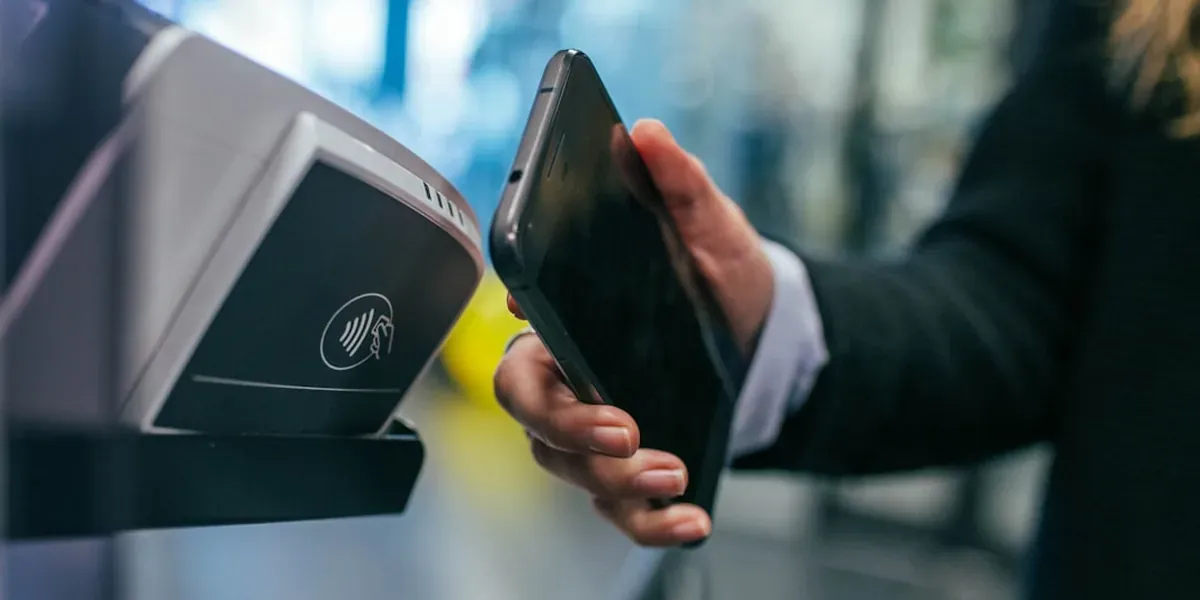
Japan in 2026 is a hybrid payment society. Tokyo convenience stores, chain restaurants, department stores, and most hotels accept Visa, Mastercard, and mobile wallets including Apple Pay and Google Pay. QR code payments have expanded rapidly and younger urban Japanese use them daily. But the zero-cash strategy fails the moment you leave that infrastructure.
Where cards and mobile wallets work in 2026:
- All major konbini chains (7-Eleven, FamilyMart, Lawson)
- Most chain restaurants and fast food
- Department stores and shopping malls
- Most hotel and hostel check-ins
- Online bookings (Shinkansen on eki-net, accommodation on Booking.com)
- Larger tourist-facing restaurants in Tokyo, Kyoto, Osaka
Where you still need cash in 2026:
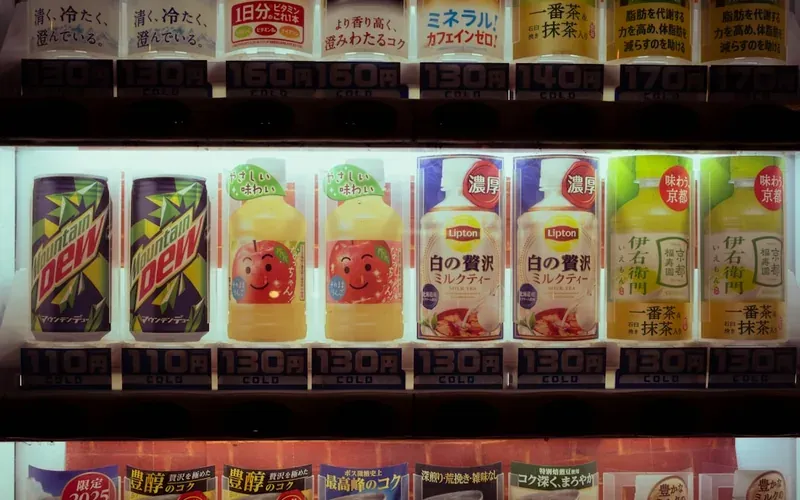
- Most vending machines (though newer ones accept IC card and some accept contactless)
- Coin lockers at train stations (IC card works for newer ones, old ones cash only)
- Small neighbourhood izakaya and ramen shops
- Local temple and shrine entry gates
- Rural buses and some local trains
- Traditional ryokan and guesthouses
- Small market stalls (Nishiki Market, Ameyoko, Kuromon Ichiba)
- Yatai food stalls in Fukuoka
Bring a Visa or Mastercard, add a Suica/ICOCA IC card on day one, and carry ¥15,000–20,000 cash. That combination covers 99% of normal trips.
The Budget Traveler’s Payment Stack
Think of your Japan payment setup as three layers — each covers different situations:
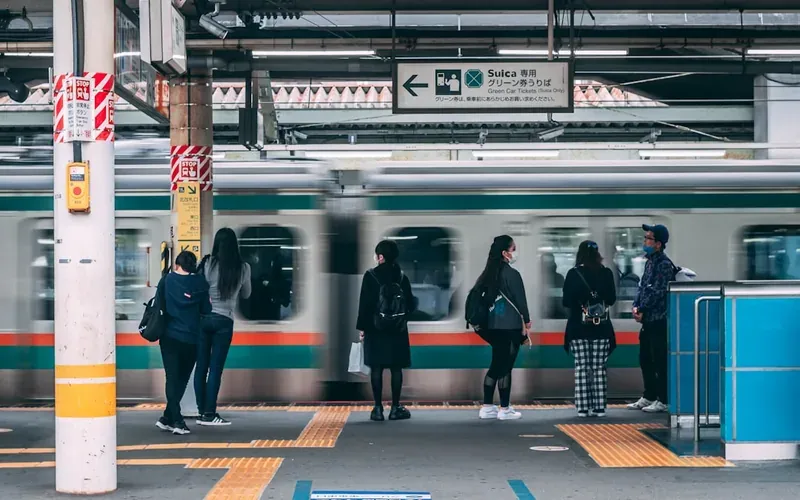
Layer 1 — Your IC card (Suica or ICOCA) Covers all transport (trains, buses, subways), konbini purchases, and vending machines that accept IC. Load ¥3,000–5,000 on arrival, top up at any station machine. This is your daily-use payment tool — faster and more convenient than cash or card for the dozens of small transactions you make every day. Full guide: Suica vs ICOCA vs PASMO.
Layer 2 — Credit or debit card (Visa or Mastercard) Use for accommodation bookings, larger restaurant meals, and anywhere with a card reader. Visa and Mastercard are accepted almost universally where cards work at all. Amex acceptance is lower — don’t rely on it as your primary card. American Express can sometimes hit acceptance limits, so carry a backup Visa or Mastercard.
Layer 3 — Cash (yen) Keep ¥15,000–20,000 in your wallet at all times. Use for cash-only situations: temple entries, small local restaurants, market stalls, vending machines, rural transport. Replenish at 7-Eleven ATMs.
ATMs in Japan — Which Ones Work for Foreign Cards
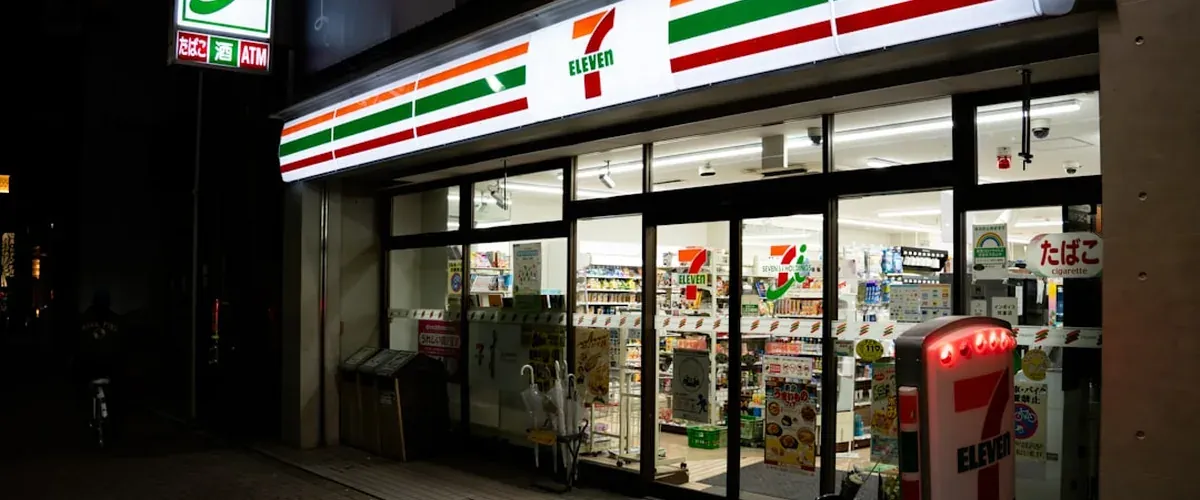
This is where most tourists get caught out. Most Japanese bank ATMs (Mizuho, SMBC, Resona) do not accept foreign cards. The red bank ATMs in bank branches look accessible but will often reject your foreign card with an unhelpful error message.
Use these ATMs:
7-Eleven (Seven Bank) ATMs — the best for tourists: 7-Eleven ATMs are the easiest — English interface, 24/7 at most locations, accept Visa, Mastercard, Maestro, Cirrus, and Plus networks. ¥220 withdrawal fee — the cheapest in Japan. There are over 20,000 Seven Bank ATMs across Japan, located inside every 7-Eleven. Available in 12 languages. This is your primary ATM throughout Japan.
Japan Post Bank ATMs — the best backup: Japan Post ATMs are located at more than 26,000 locations nationwide (denoted with the “JP” logo) — each post office will have at least one, while they can also be found at shopping malls and supermarkets. English services available. Hours vary by location — large city post offices have longer hours, rural ones close earlier.
E-net ATMs at FamilyMart — third option: FamilyMart’s E-net ATMs accept foreign cards and are available 24/7. Slightly higher fees than Seven Bank but a reliable option when 7-Eleven is unavailable.
Never use these: Mizuho, SMBC, MUFG, and other Japanese bank branch ATMs — they frequently reject foreign cards without explanation. The blue post box-looking ATMs near train stations are Japan Post, not bank ATMs — those work fine.
Minimising ATM fees
The Seven Bank fee of ¥220 per withdrawal is small but adds up. Withdraw enough cash in the nearest city before rural travel rather than making multiple small withdrawals throughout the day.
Strategy: Withdraw ¥30,000–50,000 at a time from 7-Eleven rather than ¥5,000–10,000 increments. At ¥220 per transaction, withdrawing ¥30,000 once costs ¥220. Withdrawing ¥10,000 three times costs ¥660 — triple the fee for the same total amount.
Keep ¥10,000–20,000 as a working float and top up when it drops below ¥5,000 rather than when you run out.
Wise and Revolut — The Smart Cards for Japan
Your home debit or credit card at a 7-Eleven ATM works — but charges you the exchange rate your bank sets, which is typically 2–4% worse than the mid-market rate. On a ¥150,000 ($1,000) Japan trip that’s $20–40 in hidden fees.
Wise Travel Card is the cleanest solution for Japan in 2026. Wise Travel Card review for Japan 2026: mid-market exchange rates, ¥25,000/month free ATM withdrawals (post-May 2026 update), Visa card fees.
How Wise works for Japan:
- Convert your home currency to yen at the mid-market rate (the real rate, not the tourist rate)
- Spend with the Wise Visa card at any card terminal
- Withdraw at any 7-Eleven ATM with no Wise fee for the first ¥25,000/month
- Load money from your home bank account at any time through the app
Revolut is a strong alternative — similar mid-market rates, instant notifications, and ATM fee-free withdrawals up to a monthly limit. Check current fee structures before departure as both Wise and Revolut update their fee models periodically.
The practical recommendation: Get a Wise card before you fly. Use it for all card purchases in Japan (you save 2–4% on every transaction versus a standard bank card). Use it for ATM withdrawals up to the monthly free limit. Keep your regular card as backup.
If you don’t have time to get a Wise card: use your lowest-fee home card for purchases, and use 7-Eleven ATMs for cash — the ¥220 fee is low enough that it’s the best option without a specialist travel card.
Airport Exchange — Why to Avoid It
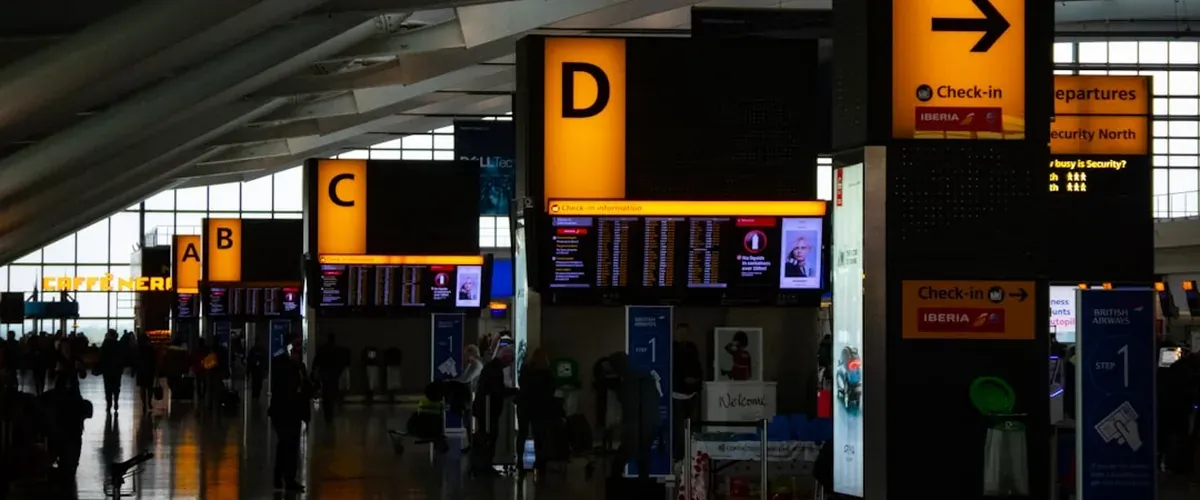
Airport currency exchange counters at Narita, Haneda, and Kansai International exist and are convenient. They also charge 3–7% above the real exchange rate — on ¥30,000 ($200) that’s $6–14 in fees. On ¥150,000 ($1,000) that’s $30–70.
The better option: Walk past the exchange booth and find the 7-Eleven ATM in the arrivals hall. Narita, Haneda, and Kansai Airport all have 7-Eleven stores with Seven Bank ATMs. Withdraw ¥20,000–30,000 at the ¥220 flat fee and you’re set for your first few days at a fraction of the exchange counter cost.
What to bring from home: Arrive with enough local currency for the taxi/bus to the city if you’re worried about ATM access — typically ¥2,000–4,000 depending on your airport transport. For most budget travelers using IC cards and public transport this is not necessary — the 7-Eleven ATM at the airport solves it on arrival.
How Much Cash to Bring and Carry
How much yen to take to Japan varies by travel style — backpackers need roughly ¥5,000–¥8,000 (~USD $33–$53) per day in cash, while mid-range travelers should budget ¥10,000–¥15,000 (~USD $67–$100) daily.
For BudgetYen travelers specifically, the daily cash requirement is lower because most food spending goes through IC card at konbini (card accepted) and most transport is IC card. Cash is needed primarily for temple entries, local restaurants, and vending machines.
Daily cash budget by activity:
| Activity | Cash needed |
|---|---|
| Temple/shrine entries | ¥300–800 per entry |
| Local izakaya or ramen dinner | ¥700–1,200 |
| Market stall food (Nishiki, Ameyoko) | ¥300–800 |
| Vending machines | ¥120–200 per use |
| Coin lockers | ¥300–700 |
| Cash-only buses (rural) | ¥200–600 |
| Daily cash total | ¥1,500–3,500 |
How much to carry: Keep ¥10,000–20,000 in your wallet at all times. The safe rule: always keep at least ¥10,000–¥20,000 on your person. You will use it, and the ATMs are good enough that topping up is easy.
How much to withdraw at once: ¥30,000–50,000 per ATM visit. This covers 3–7 days of cash expenses at budget traveler rates and minimises per-transaction fees.
Note on denominations: It’s always a good idea to have small denominations (¥10 and ¥100 coins, as well as ¥1,000 notes) handy, as many ticket and vending machines will not accept larger denominations (especially ¥5,000 and ¥10,000 bills). Break large notes at konbini when buying small items — this naturally builds a float of ¥1,000 notes and coins for machines.
Cash-Specific Situations on Your BudgetYen Itinerary
Here’s where cash matters across the specific BudgetYen Japan itinerary:
Tokyo days (Free Things to Do in Tokyo): Cash for: vending machines at temples, standing ramen counters (many are cash only), Omoide Yokocho yakitori stalls, Yanaka Market stalls. IC card covers all transport and konbini. Budget ¥2,000–3,000 cash per day.
Overnight bus to Kyoto (Cheapest Ways from Tokyo to Kyoto): The bus terminal Willer Express accepts card booking online but some ticket windows are cash only. Book online to avoid this. Have ¥500 cash for vending machines at the bus terminal.
Kyoto temples (Free Things to Do in Kyoto): Cash for: Kinkaku-ji ¥500, Ryoan-ji ¥600, most temple entries. Fushimi Inari is free. Budget ¥2,000–3,000 cash for a full Kyoto temple day.
Nara (Nara Day Trip Budget Guide): Cash for: Todai-ji ¥800, deer crackers ¥200. IC card covers the JR train. Budget ¥1,500 cash.
Osaka (Free Things to Do in Osaka): Cash for: Yatai stalls, Kuromon Market grazing, kushikatsu at Shinsekai standing counters. Budget ¥2,000–3,500 cash for full Osaka days. IC card covers all subway and bus transport. See the Osaka street food guide for which food options accept card.
Hiroshima (Hiroshima Budget Guide): Cash for: Peace Memorial Museum ¥200, Miyajima ferry ¥275, some Okonomimura stalls. Streetcar accepts IC card.
Fukuoka (Fukuoka Budget Guide): Cash is most important in Fukuoka — the yatai stalls are almost all cash-only. Budget ¥3,000–4,000 cash for a full Fukuoka yatai evening. Withdraw before the evening — yatai areas have no ATMs nearby.
The Tax-Free Shopping Change — November 2026
A significant change affecting travelers who plan to shop in Japan:
From November 1, 2026, Japan’s tax-free shopping system changes. Previously, tourists received an immediate 10% consumption tax discount at point of sale in qualifying stores. From November 1, you pay the full price including tax upfront, keep all receipts, and claim the 10% refund at a designated counter at your departure airport.
Practical implications for budget travelers:
- If shopping significantly (electronics, clothing), visit before November 1 to get the instant discount
- If traveling after November 1, budget for the full price and allow extra time at the departure airport (30–60 minutes at the refund desk)
- Ensure purchases qualify — minimum purchase amounts and single-transaction requirements apply
- Keep all receipts in a dedicated envelope — the airport refund process requires them intact
For most budget travelers doing this itinerary — konbini meals, transport, free temples — the tax-free change has minimal impact. It primarily affects travelers buying cameras, electronics, cosmetics, or fashion.
The Complete Japan Money Setup Guide
Before you fly:
- Apply for a Wise card (takes 1–2 weeks to arrive by post) — wise.com
- Check your existing credit card’s foreign transaction fee (1–3% is typical — Wise eliminates this)
- Set up Mobile Suica on iPhone if you have an iPhone 8 or later — full IC card guide
- Download the 7-Eleven bank app (Seven Bank) for ATM QR code withdrawals (optional but useful)
On arrival at the airport:
- Find the 7-Eleven in the arrivals hall
- Withdraw ¥20,000–30,000 from the Seven Bank ATM (¥220 fee)
- If no 7-Eleven: Japan Post ATM is the backup (look for JP logo)
- Buy Welcome Suica or activate Mobile Suica (IC card)
- Load ¥3,000–5,000 on your IC card
During the trip:
- Use IC card for all transport and konbini
- Use Wise card for hotel, larger restaurants, and anywhere with a card reader
- Keep ¥10,000–20,000 cash in wallet at all times
- Withdraw ¥30,000–50,000 at 7-Eleven when cash drops below ¥5,000
- Break large notes at konbini to maintain a float of ¥1,000 notes and coins
Before departure:
- Spend remaining IC card balance at airport konbini (Welcome Suica cannot be refunded)
- Spend or save remaining yen — coins cannot be exchanged outside Japan, notes can
- Keep any remaining yen for a future Japan trip if planning to return
Frequently Asked Questions
Should I bring cash or use cards in Japan?
Both. Use a Visa or Mastercard for department stores, chain restaurants, and online bookings. Use your IC card (Suica or ICOCA) for all transport and konbini purchases. Keep ¥15,000–20,000 in cash for temple entries, vending machines, local izakaya, and market stalls. This three-layer payment approach covers every situation in Japan.
Which ATMs accept foreign cards in Japan?
7-Eleven (Seven Bank) ATMs are the best for foreign cards — available 24/7, English interface, ¥220 withdrawal fee, accept Visa, Mastercard, Amex, and most international networks. Japan Post ATMs are a reliable backup. Avoid Mizuho, SMBC, MUFG and other Japanese bank ATMs — they frequently reject foreign cards.
How much cash should I bring to Japan?
Keep ¥15,000–20,000 ($100–133) in cash at all times. For a 10-day budget trip, plan to withdraw ¥100,000–150,000 total in cash from ATMs. Withdraw ¥30,000–50,000 at a time to minimise the ¥220 per-transaction ATM fee. Budget travelers need roughly ¥3,000–5,000 in cash per day for cash-only situations.
Is Wise card worth it for Japan?
Yes — Wise saves 2–4% on currency exchange compared to standard bank cards, gives you the mid-market rate, and includes ¥25,000/month in free ATM withdrawals. On a $1,000 Japan trip that saves $20–40 in fees. Apply 1–2 weeks before departure at wise.com to ensure the card arrives in time.
Can I use Apple Pay in Japan?
Yes. Apple Pay with a foreign Visa or Mastercard works at all major Japanese chains, konbini, department stores, and most urban restaurants in 2026. It does not give you Mobile Suica access (which requires a separate Japanese account setup) but works for standard card purchases. Add your Visa/Mastercard to Apple Wallet before departure.
Is Japan cash-only in 2026?
No longer — Japan has become significantly more cashless since 2020. Most urban businesses, chains, and tourist-facing venues now accept cards and mobile wallets. However, small local restaurants, vending machines, temple entries, rural transport, and market stalls remain largely cash-only. Always keep ¥10,000–20,000 in cash available.
What happens to leftover yen when I leave Japan?
Yen banknotes can be exchanged back to your home currency at most international airports or large banks at home. Coins cannot be exchanged outside Japan — spend them at airport vending machines or konbini before departing. IC card balances on regular Suica or ICOCA can be refunded at JR stations minus a ¥220 handling fee. Welcome Suica balances cannot be refunded — spend them at the airport.
Information correct as of May 2026. Exchange rate approximately ¥150 = $1 USD. ATM fees and card acceptance rates may change — verify current terms with your bank and card provider before travelling.