Japan Vegan Budget Guide 2026: Cheap Plant-Based Food in Tokyo, Kyoto & Beyond
A practical 2026 guide to eating vegan in Japan on a budget — shojin ryori, vegan ramen, konbini picks, Tokyo/Kyoto/Osaka restaurants under ¥1,500, ordering vocabulary, and dashi pitfalls to avoid.
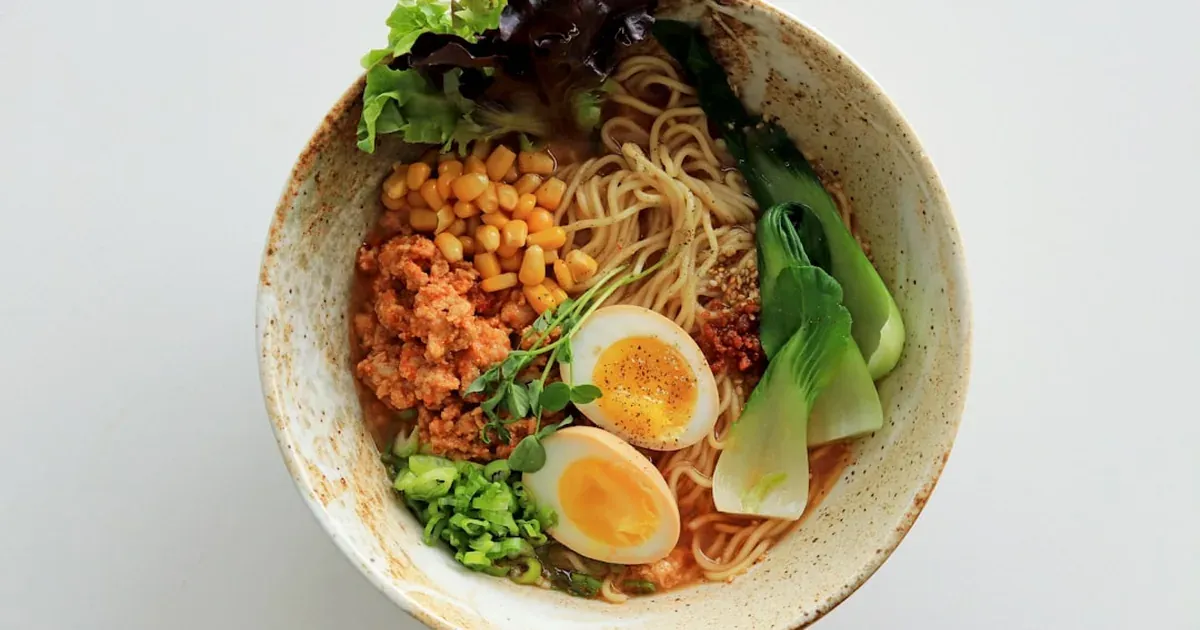
The short answer: vegan food in Japan is much easier in 2026 than it was even two years ago. Tokyo, Kyoto, and Osaka all have dedicated vegan restaurants starting at ¥900, every convenience store has plant-based options under ¥500, and Kyoto’s traditional shojin ryori is fully vegan by Buddhist temple rule. Plan on ¥1,500–2,500 per day for vegan food outside restaurants, or ¥2,500–4,000 if you eat out twice.
Japan has a reputation for being hard for vegans. That reputation is now mostly outdated. Tokyo has over 200 dedicated vegan restaurants. Kyoto is the historic heart of Buddhist temple cuisine, which is vegan by definition. Osaka’s street food culture has caught up with vegan okonomiyaki, takoyaki, and kushikatsu. And every 7-Eleven, FamilyMart, and Lawson has at least 5–10 reliably vegan items on the shelf. The biggest remaining challenge isn’t finding food — it’s avoiding hidden animal products in dashi, sauce, and “vegetable” dishes.
This guide covers how to eat vegan in Japan on a budget, with specific restaurant recommendations in Tokyo/Kyoto/Osaka under ¥1,500, the 15+ konbini items that are vegan, the Japanese vocabulary to avoid the dashi trap, and a daily cost breakdown.
The 4 Things You Must Know Before Eating Vegan in Japan
Four facts will save you 90% of the trouble:
- Dashi is everywhere. Dashi is the fish-based stock (bonito + kelp) used as the base of miso soup, udon, soba, chawanmushi, and most “savory” dishes. If a dish is “vegetable” but tastes umami, it almost always has dashi. Always ask.
- “Vegetable” on a menu does not mean vegan. Many “yasai” (vegetable) dishes use dashi, bonito, or egg. The Japanese word for vegan is “ビーガン” (bīgan, from English). The word for vegetarian is “ベジタリアン” (bejitarian). Most staff will recognize these loanwords.
- Tofu is your friend — but not always safe. Plain tofu (豆腐) is vegan. Egg tofu (卵豆腐) is not. Fried tofu dishes (揚げ出し豆腐) often use dashi. Yuba (湯葉, tofu skin) is usually vegan. Agedashi tofu is not vegan in most restaurants.
- Kyoto is your best city. Kyoto’s Buddhist temple cuisine (shojin ryori) is vegan by 1,200 years of religious rule. You can eat at temple restaurants with confidence there. Tokyo and Osaka have more variety but require more vigilance.
Vegan by City: Where to Eat on a Budget
Tokyo Vegan Spots
Tokyo has the largest concentration of dedicated vegan restaurants in Japan. The clusters are Shibuya (most options, most expensive), Shimokitazawa (cheaper, more casual), Asakusa (tourist-friendly), and Kichijōji (local favorite).
Under ¥1,500 — cheap vegan in Tokyo:
| Restaurant | Area | Cuisine | Price | Why it’s good |
|---|---|---|---|---|
| Ain Soph. Journey | Shinjuku | Vegan Japanese set | ¥1,400 | Most reliable “first vegan meal” pick — near station, English menu, set lunch |
| Mr. Farmer | Multiple | Vegan salad bowl | ¥1,200 | Salad-heavy, several Tokyo branches, walk-in friendly |
| T’s Tantan | Tokyo Station (Keio Mall) | Vegan ramen | ¥1,100 | Inside the station, no entry ticket needed, open early |
| 8ablish | Shibuya | Vegan sushi | ¥1,500 | The only authentic vegan sushi spot in central Tokyo |
| Nagi Shokudō | Shimokitazawa | Vegan set meal | ¥1,000 | Local favorite, weekday lunch only, cash only |
| Sora | Asakusa | Vegan temple-style | ¥1,300 | Slightly touristy but the food is genuinely good and it’s next to Sensō-ji |
Slightly more (¥1,800–2,500) but worth it:
- Ain Soph. Ripple (Shibuya) — multi-course vegan kaiseki. The splurge pick.
- Izakaya Masaka (Shibuya) — vegan izakaya, only place to get plant-based yakitori and karaage.
- Brown Rice by Green’s Cafe (several branches) — fermented vegan food, near Omotesandō.
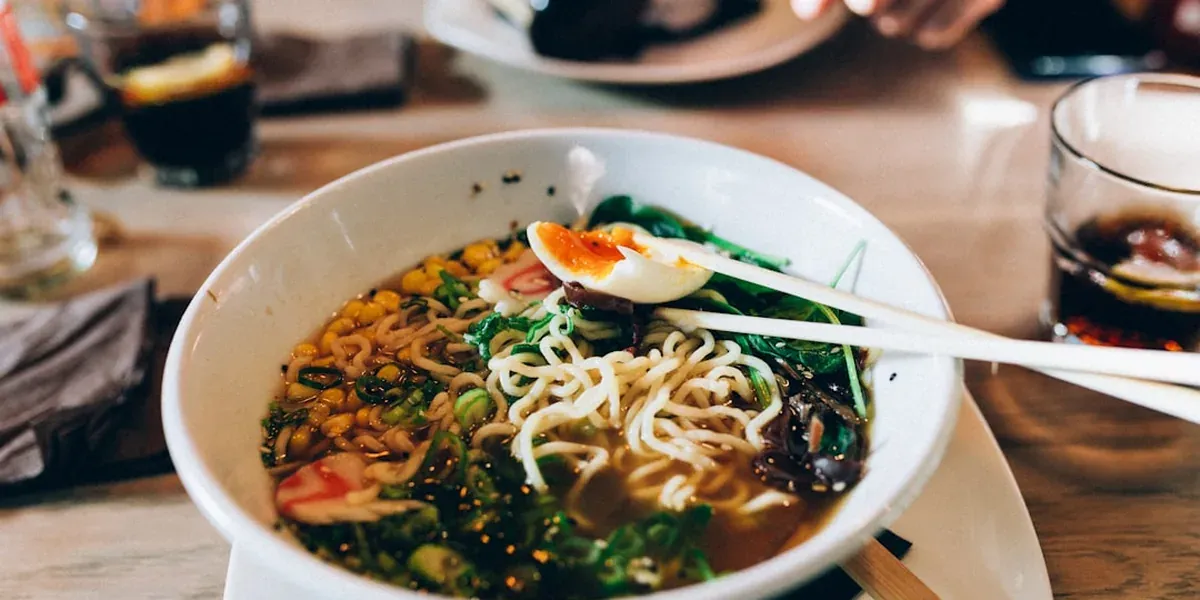
Best vegan ramen in Tokyo (separate list, because it deserves it):
- T’s Tantan (¥1,100) — Tokyo Station, fast
- Afuri Ebisu — has a separate vegan menu with yuzu shio ramen
- Kyushu Jangara Ramen — Ramen Museum in Shin-Yokohama; one vegan option but it’s excellent
Kyoto Vegan Spots (Shojin Ryori Capital)
Kyoto is where you should spend the most time as a vegan traveler. The city has more vegan restaurants than any other in Japan, and the entire category of shojin ryori (精進料理, Buddhist temple cuisine) is vegan by definition.
Shojin ryori — the cultural experience:
Shojin ryori is a multi-course meal that has been vegan for ~1,200 years. It is served at Buddhist temples, ryokan, and dedicated restaurants. The defining rules: no meat, no fish, no dairy, no eggs, no alliums (no garlic, onion, leek, or scallion in traditional preparations). Everything is built on kelp dashi (kombu dashi), sesame, miso, and seasonal vegetables.
Shojin ryori on a budget:
| Restaurant | Type | Price (lunch) | Notes |
|---|---|---|---|
| Shigetsu (Tenyruji Temple) | Temple shukubo | ¥4,500 | The only temple in Kyoto that does shojin lunch without a stay — book ahead |
| Shojin Ryori Sagano | Restaurant | ¥2,800 | In Arashiyama, weekday lunch, English menu |
| Mumokuteki Cafe & Foods | Cafe | ¥1,500 | Casual, near Kyoto Station, vegan bento |
| Matsu no Hana | Restaurant | ¥3,200 | Near Nanzen-ji, multi-course set |
| AIN SOPH. Kyoto | Restaurant | ¥1,800 | Western-style vegan with Kyoto ingredients |
| Choji-in Temple Shukubo | Temple stay | ¥5,500+ | The full shukubo experience, dinner included |
Strategy: If you only do one shojin ryori meal in Kyoto, do it at Shigetsu inside Tenryū-ji. The setting (a Zen temple garden) is the entire point. Book at least 2 weeks ahead online.
Casual vegan in Kyoto (under ¥1,200):
- Wabi-Sabi Cafe (Higashiyama) — vegan curry and bowls
- Gourmet & Cafe Library — vegan set near Kyoto University
- Vegan & Gluten Free Cafe Moan — Arashiyama, vegan pancakes
- Issen Yoshoku Taishūken — wait, this isn’t vegan. Skip. (Most “yoshoku” is butter-heavy.)
Osaka Vegan Spots
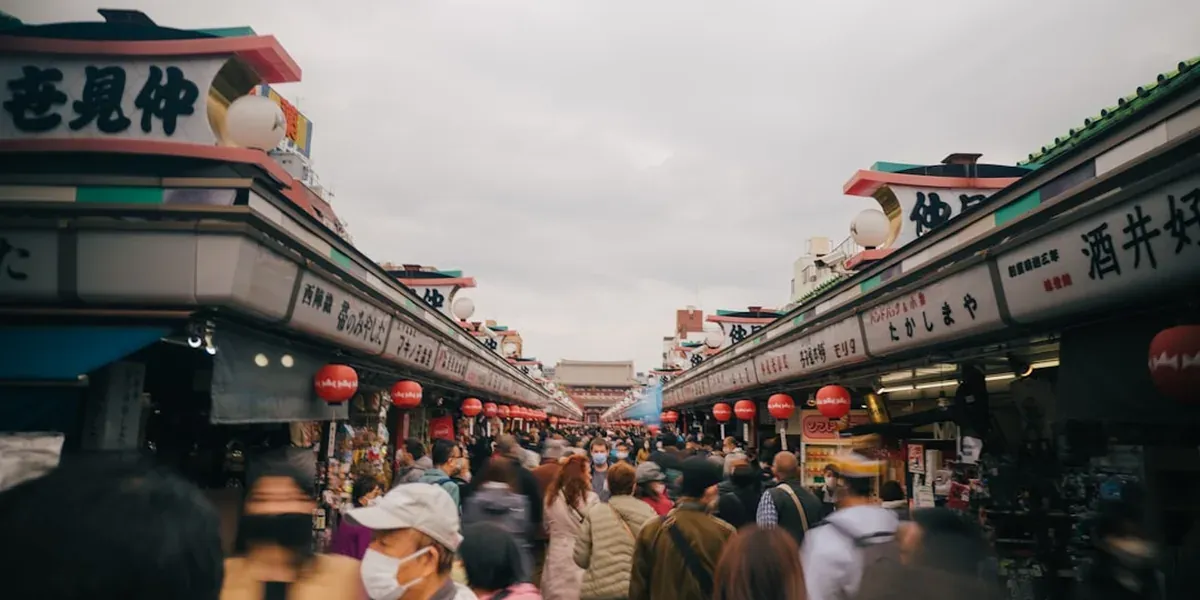
Osaka is “Japan’s kitchen” — street food central. Vegan used to be hard here, but it’s catching up fast. The cluster is Americamura (American Village) and Namba.
Under ¥1,500 in Osaka:
| Restaurant | Area | Cuisine | Price | Why |
|---|---|---|---|---|
| Mugen | Namba | Vegan ramen | ¥1,200 | The only dedicated vegan ramen shop in central Osaka |
| Pecora | Americamura | Vegan Italian | ¥1,300 | Vegan lasagna, pizza, tiramisu |
| Cafe de Mon | Shinsaibashi | Vegan set | ¥1,100 | Lunch plates near the shopping street |
| Saishoku Kenbi | Umeda | Macrobiotic | ¥1,400 | Multi-grain bowls, weekday lunch sets |
| Green Earth | Namba | Vegan buffet | ¥1,500 | The all-you-can-eat option, 90 minutes |
Vegan-friendly street food in Osaka:
Most Osaka street food is not vegan (takoyaki, kushikatsu, okonomiyaki all have egg/dashi/pork). However:
- Gyoza at Ohsho (most branches) — has a vegetable gyoza, but the dipping sauce is sometimes fish-based. Ask.
- Kitsune udon (fox udon) — vegetarian but the dashi is bonito. Skip for strict vegan.
- Imoni (taro stew) — only available in autumn, often has meat.
- Yuba (tofu skin) at Nishiki Market — several stalls sell it fresh and it’s always vegan.
For more cheap eats in Osaka, see the Osaka street food guide.
Other Cities Worth Mentioning
Yokohama — has a Chinatown with several vegan Chinese restaurants (¥800–1,200). Kamakura is worth a day trip for Izakaya Akatsuki (vegan Japanese, ¥1,500) and Vegetus (vegan bento near the station, ¥1,000). Nara has Vegan Café Sai (¥1,100) inside the park. Fukuoka has the highest vegan concentration outside Tokyo — see the Fukuoka budget guide.
For day trips to any of these from Tokyo, see the Tokyo day trips hub.
Convenience Store Vegan: 15+ Items Under ¥500
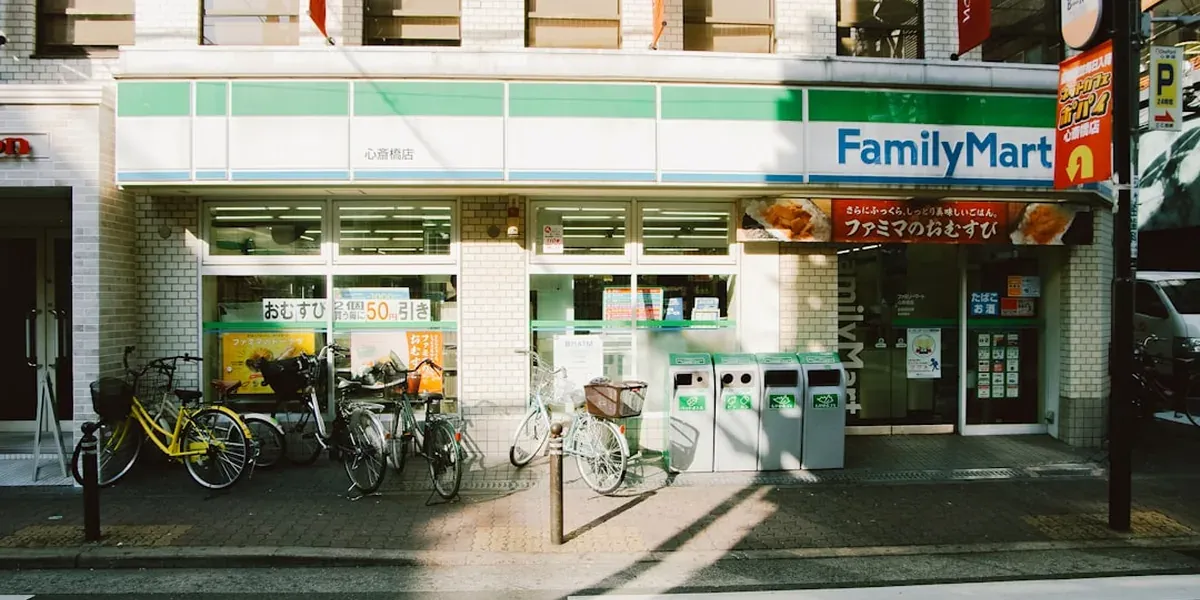
Convenience stores (konbini) are the single best budget vegan strategy in Japan. With 7-Eleven, FamilyMart, and Lawson on every corner, and most open 24/7, this is what you eat at 10pm, on a train, or when you arrive jet-lagged at midnight.
Always-Vegan Convenience Store Items
Onigiri (rice balls) — most are vegan, but check the label:
- Plain “kome” rice ball — vegan ✅
- “Ume” (pickled plum) — vegan ✅
- “Okaka” (kelp) — vegan ✅ (despite the name, okaka is kelp, not bonito)
- “Shake” (salmon), “Tuna mayo”, “Mentai” — NOT vegan ❌
Sandwiches and bread:
- “Anpan” (red bean bun) — vegan ✅
- “Melon pan” — usually vegan ✅ (check for butter)
- Plain kashi pan — vegan ✅
- 7-Eleven’s “Vegetable sandwich” — usually has mayo, often has egg. Read carefully.
Hot food case (the warm shelf at the front):
- Imomaki (sweet potato) — usually vegan ✅
- Yaki-imo (roasted sweet potato) in winter — always vegan ✅
- Curry pan (curry bread) — depends on filling; vegetarian but often contains meat
- Korokke (potato croquette) — most are vegan, but some contain meat
- Agepan (fried bread) — most are vegan ✅
Noodles (cup ramen):
- Most cup ramen has animal-derived dashi. Exceptions:
- Nissin Cup Noodle “Vegetable” — still has meat extract. Skip.
- Nissin “Soba Cup” (dry soba) — often vegan, but check the small print
- “Vegetable” branded items from Myojo or Maruchan — usually have dashi
- The reliable move: carry your own instant miso or vegan ramen from home for emergencies.
Snacks:
- Calbee Jagariko (potato sticks) — most flavors are vegan ✅
- Calbee Pizza Potato — vegan ✅ (a Japan classic)
- Kameda rice crackers — most plain flavors are vegan ✅
- Mochi (rice cakes) — plain mochi is vegan ✅
- Pocky (chocolate biscuit sticks) — most are vegan, but the milk and almond crush have dairy
- Hi-Chew — most fruit flavors are vegan; some contain gelatin
- Sakura mochi (in season) — usually vegan ✅
- Matcha chocolate — most are vegan, but check the small print
Drinks:
- All canned coffee (black, sugar-free, regular) — vegan ✅
- Itoen green tea, mugicha (barley tea), oolong tea — vegan ✅
- Suntory “Iyemon” green tea bottle — vegan ✅
- Coca-Cola, ginger ale, ramune, Calpis — check; Calpis has dairy
- Soy milk latte at konbini coffee machines — usually vegan ✅
Fresh items in the refrigerated case:
- Tofu cups (small pre-packaged silken tofu) — vegan ✅, eat with soy sauce packet
- Vegan sandwiches (Lawson’s “Green Burger” series) — usually vegan ✅
- Salad bowls — most are vegan but check the dressing (often contains egg or bonito)
- Fruit — apples, bananas, mandarins, grapes — all vegan ✅
For more on konbini food in general (not vegan-specific), see the convenience store food guide.
The Vegan Vocabulary Card (Print This)
Save this to your phone. Showing it to a server is faster than explaining in English.
The 5 essential phrases:
| Japanese | Romaji | English | Pronunciation |
|---|---|---|---|
| 私はビーガンです | watashi wa bīgan desu | I’m vegan | wah-tah-shi wa bee-gahn des |
| 肉は食べません | niku wa tabemasen | I don’t eat meat | nee-koo wa tah-beh-mah-sen |
| 魚は食べません | sakana wa tabemasen | I don’t eat fish | sah-kah-nah wa tah-beh-mah-sen |
| 卵と牛乳は食べられません | tamago to gyūnyū wa taberaremasen | I can’t eat egg or milk | tah-mah-go to gyoo-nyoo |
| 出しを使ってない料理はありますか | dashi wo tsukattenai ryōri wa arimasu ka | Is there a dish without dashi? | dah-shi wo tsoo-kaht-teh-nah-ee |
Bonus phrases:
- 乳製品は使わないでください (nyūseihin wa tsukawanai de kudasai) — please don’t use dairy
- 鰹節や煮干しが入ってないですか (katsuobushi ya niboshi ga haittemasen ka) — does it have bonito or anchovy?
- ビーガンメニューはありますか (bīgan menyū wa arimasu ka) — do you have a vegan menu?
- 昆布の出しは大丈夫 (kombu no dashi wa daijōbu) — kombu dashi is OK (for those who allow seaweed)
Words to look for on menus:
- ビーガン (bīgan) = vegan ✅
- ベジタリアン (bejitarian) = vegetarian (may include egg/dairy)
- ヴィーガン (vīgan) = vegan (alternate spelling)
- 菜食 (saishoku) = plant-based, sometimes used for Buddhist
- 精進料理 (shōjin ryōri) = Buddhist temple cuisine (always vegan) ✅
- マクロビオティック (makurobiotikku) = macrobiotic (usually vegan) ✅
- ハラル (hararu) = halal (usually vegan, sometimes fish)
Words to AVOID:
- 野菜 (yasai) = vegetable (often has dashi, bonito, or egg in the dish)
- 和風 (wafū) = Japanese-style (often uses dashi)
- 出汁 (dashi) = bonito/anchovy stock (NOT vegan)
- 鶏 (tori) = chicken (NOT vegan)
- 豚 (buta) = pork (NOT vegan)
- 牛 (gyū) = beef (NOT vegan)
- 魚 (sakana) = fish (NOT vegan)
- 卵 (tamago) = egg (NOT vegan)
- 乳 (nyū) = dairy (NOT vegan)

The pro tip: Google Lens is your best friend. Take a photo of any menu, point it at the dish, and translate. Saves a lot of awkward pointing.
For more Japanese phrases that budget travelers need, see the Tokyo budget guide and travel apps guide.
Sample 3-Day Vegan Tokyo Itinerary (Under ¥9,000)
Day 1: Asakusa + Ueno (cheap eats, traditional)
- Breakfast (konbini, ¥500): Anpan + soy latte
- Lunch (¥1,200): Sora in Asakusa — vegan temple-style set
- Afternoon snack (¥600): Onigiri + green tea at FamilyMart
- Dinner (¥1,500): T’s Tantan in Tokyo Station (Keio Mall) — vegan ramen
- Total: ¥3,800
Day 2: Shimokitazawa + Shibuya (younger, more variety)
- Breakfast (konbini, ¥400): Yaki-imo + green tea
- Lunch (¥1,000): Nagi Shokudō in Shimokita — vegan set
- Afternoon snack (¥800): Brown Rice in Omotesandō — vegan latte + raw cake
- Dinner (¥1,800): 8ablish in Shibuya — vegan sushi set
- Total: ¥4,000
Day 3: Shinjuku + Harajuku (mix of casual and curated)
- Breakfast (konbini, ¥500): Pocky + melon pan + green tea
- Lunch (¥1,400): Ain Soph. Journey in Shinjuku — vegan Japanese set
- Afternoon snack (¥500): Soy milk latte at konbini
- Dinner (¥1,500): Izakaya Masaka in Shibuya — vegan izakaya (pre-drink + small plates)
- Total: ¥3,900
3-day total: ¥11,700 = average ¥3,900/day. This is mid-range for Tokyo; you can drop to ¥2,500/day with 2 konbini meals.
For more itineraries, see the 10-day Japan budget itinerary and 2-week Japan budget itinerary.
The 6 Mistakes Vegan Travelers Make in Japan
1. Assuming “vegetable” means vegan. Most “yasai” (vegetable) dishes use dashi or bonito. Always ask.
2. Skipping Kyoto. Kyoto’s shojin ryori is the cultural highlight of eating plant-based in Japan. If you only have time for one vegan meal in Japan, do it in Kyoto.
3. Forgetting hidden egg. Tamago (egg) is in many “savory” dishes — chawanmushi (egg custard), tamago kake gohan (egg on rice), and most mayo-based salads. Always ask for “tamago nashi.”
4. Not carrying snacks. Japan is a long-walking country. Konbini stops are fine, but if you’re in Kamakura or on a Mt Takao trail, you need vegan snacks in your bag. Calbee Jagariko, Pocky, and onigiri all travel well.
5. Over-relying on HappyCow. HappyCow is essential but not exhaustive. Some of the best vegan spots in Japan are unlisted, especially in suburban areas. Ask locals and search Instagram for #ビーガン + the city name.
6. Not booking shojin ryori in advance. The temple-based shojin ryori restaurants (Shigetsu, Shōjin Ryōri Sagano) book out 1–2 weeks ahead in cherry blossom and autumn leaf seasons. Reserve online before you go.
Vegan Japan Daily Budget Breakdown
| Category | Konbini-heavy | Mid-range | Restaurant-heavy |
|---|---|---|---|
| Breakfast | ¥400 | ¥800 | ¥1,200 |
| Lunch | ¥600 | ¥1,200 | ¥1,500 |
| Afternoon snack | ¥300 | ¥500 | ¥700 |
| Dinner | ¥900 | ¥1,500 | ¥2,500 |
| Drinks | ¥200 | ¥300 | ¥400 |
| Daily total | ¥2,400 | ¥4,300 | ¥6,300 |
| 7-day total | ¥16,800 | ¥30,100 | ¥44,100 |
How this compares to a non-vegan trip: A typical non-vegan traveler in Tokyo spends ¥3,500–5,000/day on food. The vegan version is roughly the same — sometimes a little cheaper, sometimes a little more, depending on whether you eat at shojin ryori restaurants (more) or konbini (less).
For the full Japan trip cost, see the Japan trip cost 2026 and Japan budget guide.
FAQ
Is Japan vegan-friendly in 2026?
Yes, especially in Tokyo, Kyoto, and Osaka. Tokyo has 200+ dedicated vegan restaurants. Kyoto’s shojin ryori is fully vegan by Buddhist rule. Osaka has at least 30 dedicated vegan spots, and every major city now has at least 5–10. The remaining challenge is hidden animal products (dashi, bonito, egg) in non-vegan-labeled dishes, which is solvable with the vocabulary in this guide.
What’s the cheapest vegan meal I can get in Japan?
Konbini onigiri (ume, okaka, or plain) + green tea = ¥250–400. This is the cheapest hot meal-equivalent you can get anywhere in Japan.
Is shojin ryori really vegan?
Yes, by Buddhist temple rule for the last 1,200 years. No meat, no fish, no egg, no dairy, no alliums (garlic, onion, leek, scallion). It is the most reliable vegan meal in Japan, especially at temples and dedicated restaurants in Kyoto.
Do I need to speak Japanese to eat vegan in Japan?
No, but it helps. Most dedicated vegan restaurants have English menus and some English-speaking staff. For non-vegan restaurants, the vocabulary card in this guide covers the essentials. Google Lens translation of paper menus works well too.
What about vegan-friendly apps?
HappyCow is the #1 vegan restaurant finder globally and works well in Japan. Google Maps lets you search “vegan restaurant near me” with surprising accuracy. Tabelog (Japan’s Yelp) has a “vegetarian menu” filter. See the travel apps guide for the full list.
Can I eat vegan at a Japanese izakaya?
Hard but possible. Most izakaya dishes use dashi, bonito, or mayo. A few spots — Izakaya Masaka in Shibuya is the most famous — are fully vegan. Otherwise, stick to: edamame, hiyayakko (cold tofu — confirm no bonito on top), yaki-onigiri (grilled rice ball), and vegetable tempura (the dipping sauce is usually dashi, ask for salt instead).
What about dietary restrictions beyond vegan?
Gluten-free: harder than vegan. Soy sauce is everywhere. Halal: growing, especially in Tokyo. Nut allergies: easy, just not common in Japanese cooking. Pescatarian: same challenges as vegan (dashi is fish-based, so even pescatarians should ask).
Should I bring vegan snacks from home?
Yes, if you have specific brands you can’t live without. Once in Japan, you can resupply at konbini. Protein bars, vegan jerky, and any specialty supplements (B12, omega-3) are worth bringing from home. Vegan options at Japanese drugstores are limited.
How do I find vegan restaurants in smaller cities?
HappyCow has coverage in most cities with 50,000+ people. Google Maps “vegan restaurant” search. Instagram hashtags like #ビーガン + city name (in Japanese characters) often surface spots HappyCow misses. Ask your accommodation — most hostels and hotels know the local vegan scene.
Can I do a multi-day temple stay as a vegan?
Yes — it’s the most vegan-friendly accommodation option in Japan. Most shukubo (temple lodgings) serve shojin ryori for dinner and breakfast. See the Kyoto section above for temple stay options.
Plan Your Vegan Japan Trip
Eating vegan in Japan on a budget is doable — easier than it was 5 years ago, easier than most other Asian countries, and now within reach of the average backpacker budget. The keys:
- Use the konbini for breakfast and one snack a day (¥400–600)
- Eat at dedicated vegan restaurants for one meal a day (¥1,000–1,500)
- Save one meal for shojin ryori in Kyoto (¥2,800–5,500)
- Carry the vocabulary card in your phone
- Book temple restaurants 1–2 weeks ahead for spring and autumn
For the rest of the trip — where to sleep, how to get around, and how to keep the daily total under ¥10,000 — see the Japan trip cost 2026 guide, the Tokyo budget guide, and the 10-day Japan budget itinerary.