Japan Day Trips from Tokyo Budget Guide 2026: 10 Best Destinations Under ¥5,000
The 10 best day trips from Tokyo on a budget in 2026 — Kamakura, Hakone, Nara, Nikko, Kawaguchiko, Yokohama, Kawagoe, Mt Takao, Choshi, and Okutama. Real transport costs, time, what to skip, and a ranking by price and value.
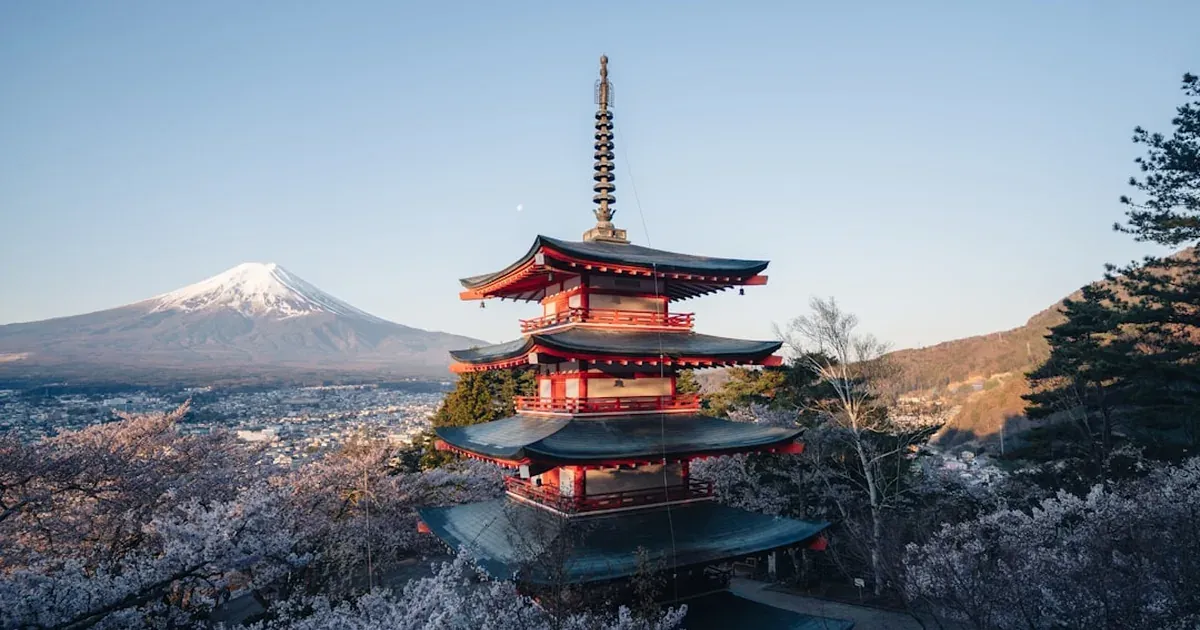
The short answer: the 10 best Tokyo day trips ranked by value are Kamakura, Kawagoe, Yokohama, Hakone, Nara, Nikko, Mt Takao, Kawaguchiko, Okutama, and Choshi. All are reachable in 1–2 hours by train or bus, and most cost ¥3,000–5,000 in transport + entry + food.
Tokyo is the most common entry point for Japan trips, and most travelers stay 4–7 days. That gives 2–4 free days for day trips. The question isn’t whether to take one — it’s which one. The 10 destinations below cover mountains, oceans, traditional towns, modern cities, UNESCO temples, and rural Japan. Each has a different cost, time commitment, and appeal. The list is ordered by what most budget travelers will enjoy first, with a price and value ranking at the end.
This guide covers the 10 day trips, when each one is worth the time, the cheapest transport option, what to skip, and how to pick 2–3 that pair well into a multi-day Tokyo experience.
The Tokyo Day Trip Decision Framework
Before listing the 10, the framework for picking:
Distance / cost trade-off:
- Under 1 hour, ¥1,500–3,000 — Kamakura, Kawagoe, Yokohama, Mt Takao
- 1–1.5 hours, ¥3,000–5,000 — Hakone, Nara, Nikko, Choshi
- 1.5–2.5 hours, ¥4,500–7,000 — Kawaguchiko, Okutama
Theme trade-off:
- Temples and traditional Japan: Kamakura, Nikko, Nara
- Mountains and nature: Hakone, Kawaguchiko, Mt Takao, Okutama
- Modern Japan contrast: Yokohama
- Old-town atmosphere: Kawagoe, Choshi
- Mt Fuji views: Hakone, Kawaguchiko (covered in detail in the Mt Fuji day trip guide)
The 80/20 rule: Most first-time visitors should do Kamakura + Hakone + one mountain trip. That covers the historical, the scenic, and the natural Japan in 3 day trips.
1. Kamakura — ¥3,000–4,000 (1 hour)
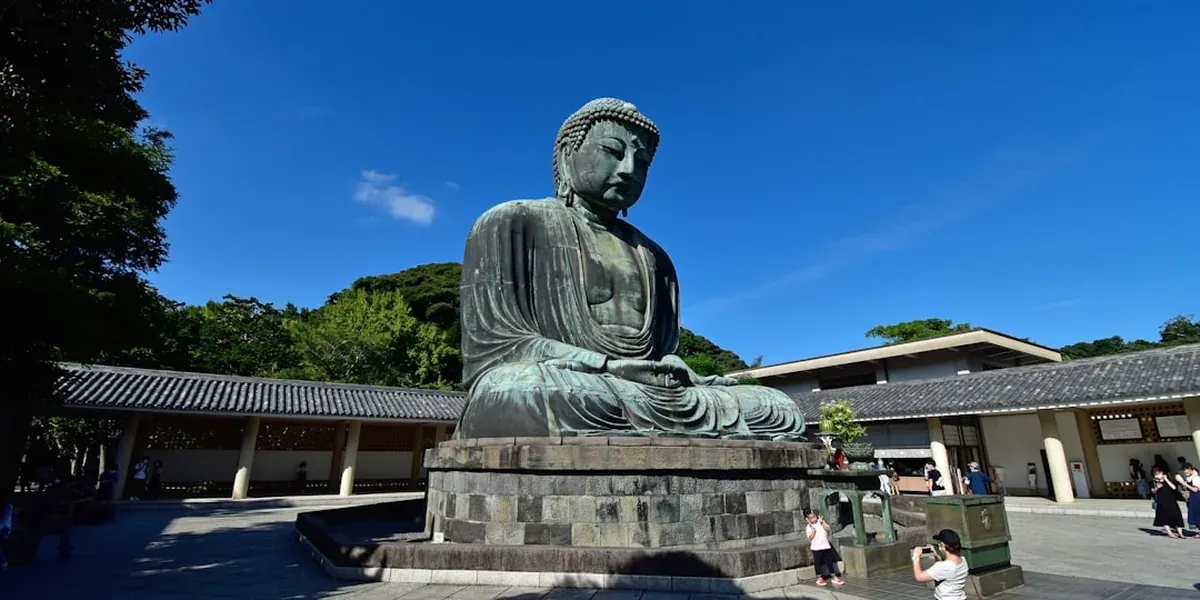
Kamakura is the most popular Tokyo day trip for a reason: it has the most cultural and natural variety in the smallest area. The Great Buddha, multiple temples, a bamboo grove, a beach, and a traditional shopping street are all within walking distance of each other.
Why it’s #1: The combination of historical depth (12th century capital of Japan), accessibility (1 hour from Tokyo), and cost (¥3,000 for the full day) is hard to beat. The Great Buddha of Kamakura is the second most photographed Buddha in Japan after Nara’s Todai-ji.
Highlights:
- Great Buddha (Daibutsu) — ¥300 entry, walk inside for ¥50 extra
- Hase-dera Temple — ¥400 entry, ocean views
- Tsurugaoka Hachimangu Shrine — free, the main shrine
- Komachi-dori shopping street — free, the main pedestrian street
- Bamboo Grove (Hokokuji) — ¥500 entry, smaller and quieter than Arashiyama
- Yuigahama Beach — free, 10 minutes from the main street
Cheapest transport: JR Yokosuka Line from Tokyo Station to Kamakura Station, ¥940 each way. IC card.
Cost breakdown: Transport ¥1,880 + Daibutsu ¥300 + Hase-dera ¥400 + lunch ¥1,200 + coffee ¥400 = ¥4,180.
Time needed: 6–8 hours including travel.
Full guide: Kamakura day trip budget guide — the detailed transport, cost, and route breakdown.
2. Kawagoe — ¥2,500–3,500 (1 hour)
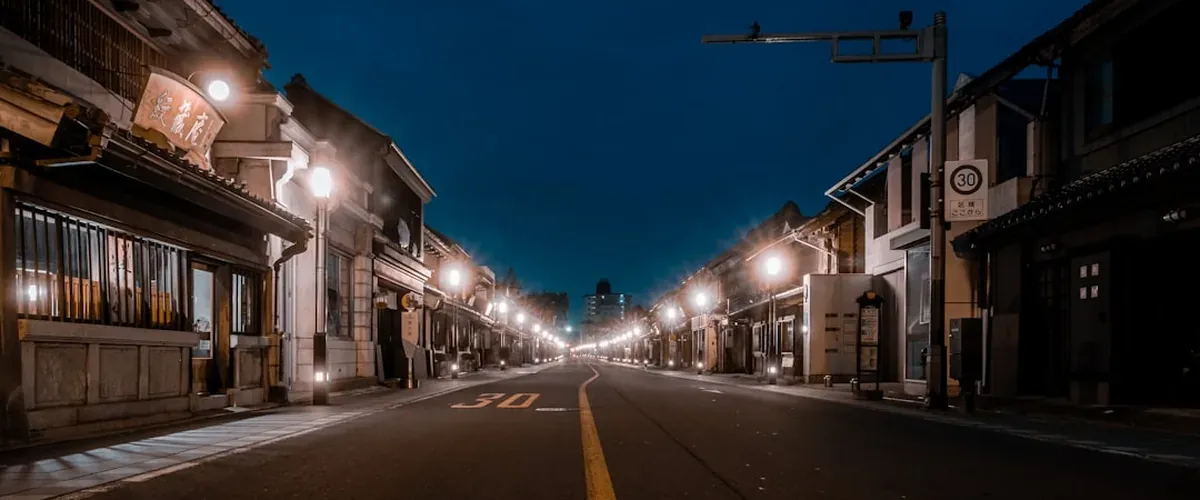
Kawagoe is the most underrated day trip from Tokyo. The “Little Edo” town has preserved Edo-period buildings, warehouses, and a bell tower that transports you to 17th-century Japan. It’s also the cheapest day trip on this list.
Why it’s #2: Most travelers skip Kawagoe because it doesn’t appear in the top-10 lists. But for budget travelers who want a traditional-Japan day trip without the time and cost of Kyoto, Kawagoe is the answer.
Highlights:
- Toki-no-Kane bell tower — the symbol of Kawagoe
- Kurazukuri (warehouse) street — traditional Edo buildings
- Kita-in Temple — free, 17th-century Zen temple
- Kashiya Yokocho (Penny Candy Alley) — snacks and old shops
- Kawagoe Castle ruins — small park, free
Cheapest transport: Tobu Tojo Line from Ikebukuro to Kawagoe-shi Station, ¥470 each way. IC card.
Cost breakdown: Transport ¥940 + lunch ¥1,000 + snacks ¥500 + coffee ¥300 = ¥2,740.
Time needed: 4–6 hours including travel.
3. Yokohama — ¥2,000–3,000 (30 minutes)
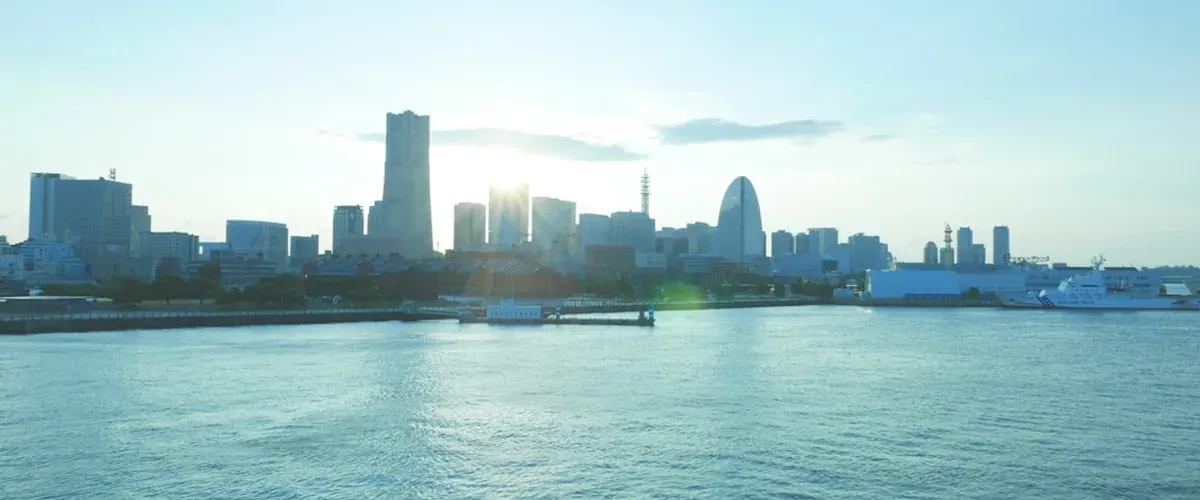
Yokohama is Japan’s second-largest city, 30 minutes from Tokyo. The waterfront Minato Mirai area, the historic Yamashita-cho, and the Chinatown are the three highlights. For travelers who want a “different city” day without leaving the Tokyo region, Yokohama is the answer.
Why it’s #3: The cheapest day trip, the shortest travel time, and a strong contrast to Tokyo. The Minato Mirai skyline is the most photogenic waterfront in Japan.
Highlights:
- Cup Noodles Museum — ¥500, the history of instant ramen
- Yamashita-cho waterfront — free, walking area
- Yokohama Chinatown — free entry, pay for food
- Sankeien Garden — ¥700, traditional Japanese garden
- Minato Mirai skyline at night — free
Cheapest transport: JR Tokaido Line from Tokyo Station to Yokohama Station, ¥480 each way. IC card.
Cost breakdown: Transport ¥960 + Cup Noodles Museum ¥500 + lunch in Chinatown ¥1,200 + coffee ¥400 = ¥3,060.
Time needed: 5–7 hours including travel.
4. Hakone — ¥5,500–8,000 (90 minutes)
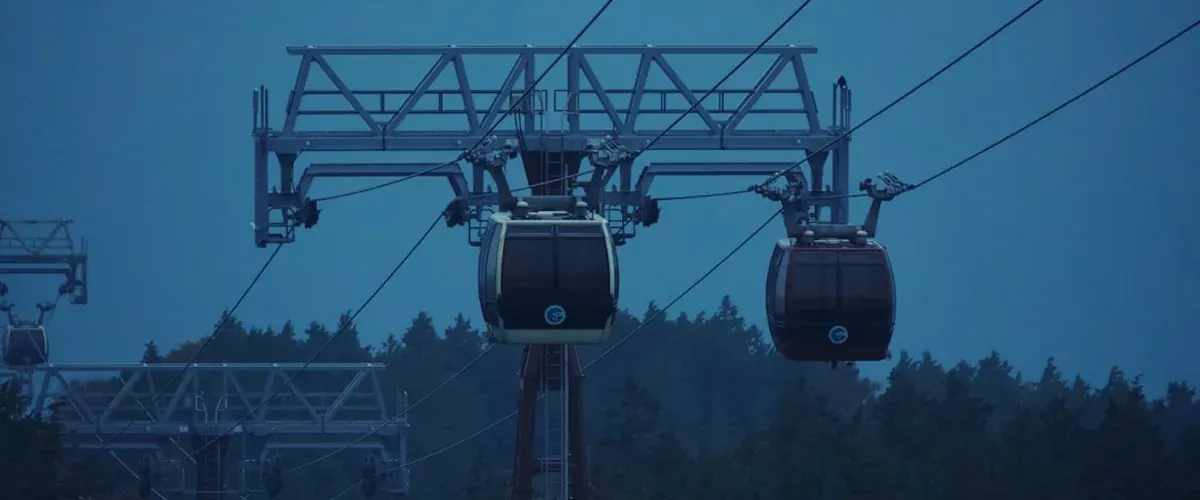
Hakone is the most popular mountain day trip from Tokyo. The combination of Mt Fuji views, a volcanic valley, a lake cruise, and an onsen makes it the most varied day trip on the list. It’s also the most expensive of the standard day trips.
Why it’s #4: Hakone is more expensive than the cheap day trips but offers the most variety. If you only have one day trip slot and want the most diverse experience, Hakone wins.
Highlights:
- Owakudani volcanic valley — black eggs and Mt Fuji views
- Hakone ropeway — the cable car over the volcanic area
- Lake Ashi pirate ship cruise — lake cruise with Fuji views
- Hakone Shrine torii gate — the famous water torii
- Hakone Yuryo onsen — day-use onsen, ¥1,500
Cheapest transport: Odakyu Line Romance Car from Shinjuku, ¥2,490 one-way. Or highway bus from Shinjuku, ¥2,200. The Hakone Free Pass (¥6,100) includes round-trip Romance Car + all in-Hakone transport, good value if doing multiple activities.
Cost breakdown: Transport + Free Pass ¥6,100 + onsen ¥1,500 + lunch ¥1,200 = ¥8,800. Without the onsen, ¥7,300. With bus instead of Romance Car, ¥7,900.
Time needed: 9–11 hours including travel.
Full guide: Hakone day trip budget guide — the full transport, cost, and route breakdown. See also the Japan onsen budget guide for the onsen options.
5. Nara — ¥4,500–6,000 (75 minutes)
Nara is the original capital of Japan (710–784) and the home of the friendly deer park, the Great Buddha of Todai-ji, and the Kasuga Shrine. The day trip is longer than Kamakura but includes the most impressive single temple in the Kansai region.
Why it’s #5: Worth the longer train ride for the Great Buddha and the deer. Skipped by some travelers because of the time, but the experience is unique.
Highlights:
- Todai-ji Temple — ¥600, the Great Buddha
- Nara Park — free, hundreds of friendly deer
- Kasuga Grand Shrine — ¥500, 3,000 lanterns
- Horyu-ji Temple — ¥1,500, the world’s oldest wooden buildings
- Isuien Garden — ¥1,200, traditional garden
Cheapest transport: JR Nara Line from Tokyo Station (via Shin-Osaka) to Nara, taking the Shinkansen is the fastest but expensive. Budget option: highway bus from Shinjuku, ¥5,200 each way. Or local trains via Osaka, ¥3,000 round trip.
Cost breakdown: Round trip transport ¥3,000 (local) or ¥10,000 (Shinkansen) + Todai-ji ¥600 + Kasuga ¥500 + deer crackers ¥200 + lunch ¥1,200 = ¥5,500 (local) or ¥12,500 (Shinkansen).
Time needed: 10–12 hours including travel. Best done as an overnight in Kyoto or Osaka.
Full guide: Nara day trip budget guide — the full transport, cost, and route breakdown.
6. Nikko — ¥4,500–6,500 (2 hours)
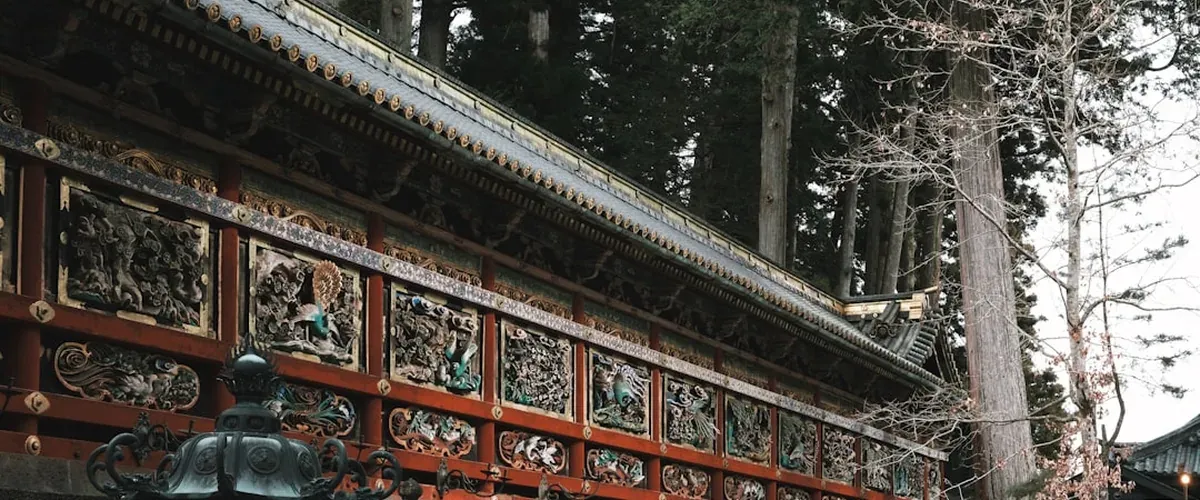
Nikko is the most ornate shrine complex in Japan. The Toshogu Shrine is a UNESCO World Heritage site, the resting place of Tokugawa Ieyasu (the founder of the Edo shogunate). The shrine is famous for the “see no evil, speak no evil, hear no evil” monkeys and the Sleeping Cat carving.
Why it’s #6: Slightly farther than Hakone, similar cost, but the cultural density is unique. For travelers who love ornate woodwork and Buddhist architecture, Nikko is a must.
Highlights:
- Toshogu Shrine — ¥1,300, the main complex
- Futarasan Shrine — ¥200, an older, simpler shrine
- Rinnoji Temple — ¥400, with the famous Three Buddhas
- Kegon Falls — ¥570 bus + ¥300 viewing platform, 100m waterfall
- Lake Chuzenji — boat cruise and views
Cheapest transport: Tobu Nikko Line from Asakusa to Tobu-Nikko Station, ¥1,400 each way. IC card.
Cost breakdown: Transport ¥2,800 + Toshogu ¥1,300 + Futarasan ¥200 + Kegon Falls bus ¥570 + viewing ¥300 + lunch ¥1,200 = ¥6,370.
Time needed: 10–12 hours including travel.
For the full Nikko breakdown — including the cheaper ¥2,800 Tobu round-trip ticket, the All-Area Pass math, Ryuzu Falls, autumn foliage timing, and the complete shrine-by-shrine itinerary — see the dedicated Nikko day trip budget guide.
7. Mt Takao — ¥2,500–3,500 (1 hour)
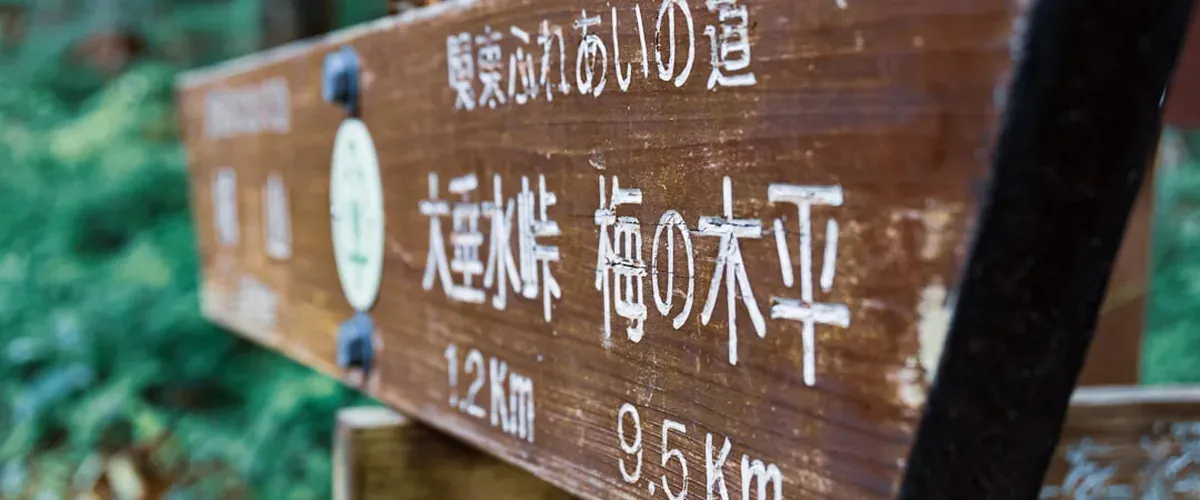
Mt Takao is the most accessible mountain hike from Tokyo. The 599m peak is 1 hour from Shinjuku by train, has 8 marked trails ranging from gentle to challenging, and a cable car for those who don’t want to hike. The temple at the top, Yakuo-in, is over 1,000 years old.
Why it’s #7: The only day trip on this list that’s a real hike. The other day trips are towns, cities, or shrines. Mt Takao is a forest.
Highlights:
- Trail 1 (paved, easy) — cable car option
- Trail 4 (nature, moderate) — quieter, river and forest
- Trail 6 (challenging) — rocky scramble to the summit
- Yakuo-in Temple — free entry, at the summit
- Monkey Park — ¥100, wild Japanese macaques
Cheapest transport: Keio Line from Shinjuku to Takaosanguchi Station, ¥450 each way. IC card.
Cost breakdown: Transport ¥900 + cable car ¥940 (optional) + lunch ¥1,000 = ¥2,840 (hiking) or ¥1,900 (cable car both ways).
Time needed: 4–6 hours including travel.
8. Kawaguchiko — ¥4,500–7,000 (2 hours)
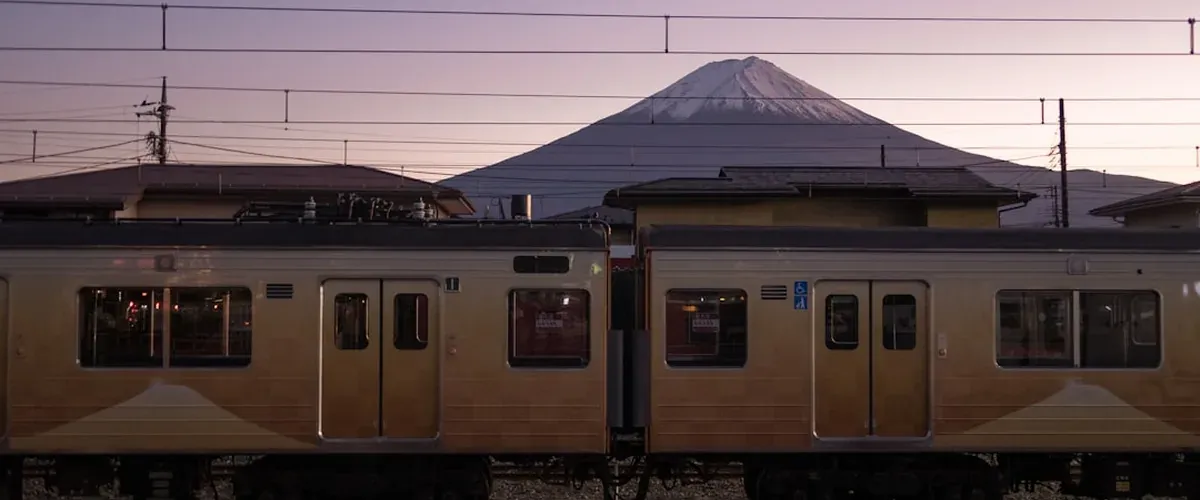
Kawaguchiko is the single best Mt Fuji viewing area in Japan. The Fuji Five Lakes are at 900m elevation, the air is clearer than Tokyo, and the mountain is closer. The 2-hour bus from Shinjuku makes it a real day trip option.
Why it’s #8: Best Fuji views in Japan. Slightly farther than the cheap day trips but the visual payoff is unmatched. Pair with the Mt Fuji day trip guide.
Highlights:
- Chureito Pagoda — ¥200 voluntary climb, the world’s most photographed Fuji spot
- Lake Kawaguchiko north shore — free
- Mt. Fuji Panoramic Ropeway — ¥900
- Fuji-Q Highland — ¥5,700 (only for coaster fans)
Cheapest transport: Highway bus from Shinjuku to Kawaguchiko Station, ¥2,200 one-way.
Cost breakdown: Transport ¥4,400 + Chureito climb ¥200 + ropeway ¥900 + lunch ¥1,200 = ¥6,700.
Time needed: 10–12 hours including travel.
Full guide: Mt Fuji day trip budget guide — the full Mt Fuji day trip details.
9. Okutama — ¥3,500–5,000 (2 hours)
Okutama is the most “real Japan” day trip on the list. The town is in the mountains west of Tokyo, on the upper Tama River. It’s the only day trip where you’ll see rural Japanese life, mountain hiking, and clear rivers without crowds.
Why it’s #9: The only day trip that’s truly off the tourist trail. Skipped by most visitors because it’s “just a town,” but the hiking, river, and quiet make it unique.
Highlights:
- Hatonosu Valley — free, river gorge with hiking
- Mitake Mountain — cable car ¥1,090, mountain summit with views
- Okutama Lake — free, reservoir and walking area
- Moegi-no-Yu onsen — ¥1,000, day-use onsen
Cheapest transport: JR Chuo Line + Ome Line to Okutama Station, ¥1,510 round trip.
Cost breakdown: Transport ¥1,510 + Mitake cable car ¥1,090 + lunch ¥1,200 + onsen ¥1,000 = ¥4,800.
Time needed: 8–10 hours including travel.
10. Choshi — ¥3,500–4,500 (2 hours)
Choshi is the most remote day trip on the list — a port town on the easternmost tip of the Kanto plain, in Chiba prefecture. The Inubo Lighthouse, the Choshi Electric Railway, and the fish market are the three highlights. The contrast to Tokyo is striking.
Why it’s #10: Skipped by 99% of visitors, but if you want a “small-town Japan” day trip, this is it. The Choshi Electric Railway is the cheapest scenic train ride in the Kanto region.
Highlights:
- Inubo Lighthouse — ¥300, the easternmost lighthouse in the Kanto region
- Choshi Electric Railway — ¥800 return, scenic 2-station ride
- Choshi Fish Market — fresh seafood, ¥1,000–2,000 for a meal
- Byobugaura cliffs — free, coastal walking area
Cheapest transport: JR Sobu Line + local train from Tokyo to Choshi, ¥2,400 round trip.
Cost breakdown: Transport ¥2,400 + Choshi Electric Railway ¥800 + lighthouse ¥300 + seafood lunch ¥1,500 = ¥5,000.
Time needed: 10–12 hours including travel.
The Tokyo Day Trip Comparison Table
| Day trip | Cost | Time | Best for | Transport |
|---|---|---|---|---|
| Kamakura | ¥3,000–4,000 | 1h | First-timers, temples, beach | JR Yokosuka Line |
| Kawagoe | ¥2,500–3,500 | 1h | Budget travelers, old town | Tobu Tojo Line |
| Yokohama | ¥2,000–3,000 | 30m | City contrast, food | JR Tokaido Line |
| Hakone | ¥5,500–8,000 | 1.5h | Onsen, Mt Fuji, variety | Odakyu Romance Car |
| Nara | ¥4,500–12,500 | 1.25h | Deer, Great Buddha, temples | JR Nara Line / Shinkansen |
| Nikko | ¥4,500–6,500 | 2h | Ornate shrines, waterfalls | Tobu Nikko Line |
| Mt Takao | ¥1,900–3,500 | 1h | Hiking, nature | Keio Line |
| Kawaguchiko | ¥4,500–7,000 | 2h | Mt Fuji views, lake | Highway bus |
| Okutama | ¥3,500–5,000 | 2h | Off-trail hiking, river | JR Chuo + Ome Line |
| Choshi | ¥3,500–4,500 | 2h | Remote coastal Japan, seafood | JR Sobu Line |
How to Pick 2–3 Day Trips
For a 4–7 day Tokyo itinerary, 2–3 day trips fit naturally. The combination depends on your travel style.
The “best of Tokyo” combo (3 day trips, 5–6 days in Tokyo):
- Day 1: Arrival, Tokyo basics, free Tokyo day
- Day 2: Tokyo budget day
- Day 3: Kamakura day trip
- Day 4: Hakone day trip (or Kawaguchiko)
- Day 5: Kawagoe or Yokohama (short day trip)
- Day 6: Departure
The “Mt Fuji” combo (2 day trips, 5 days in Tokyo):
- Day 1: Arrival, Tokyo basics
- Day 2: Free Tokyo day
- Day 3: Kawaguchiko day trip
- Day 4: Hakone day trip (with overnight onsen)
- Day 5: Departure
The “temples and history” combo (2 day trips, 6 days in Tokyo):
- Day 1: Arrival, Tokyo basics
- Day 2: Free Tokyo day
- Day 3: Kamakura day trip
- Day 4: Nikko day trip
- Day 5: Nara day trip (longer travel, pair with Tokyo-Kyoto route)
- Day 6: Departure
The “nature and hiking” combo (2 day trips, 5 days in Tokyo):
- Day 1: Arrival, Tokyo basics
- Day 2: Free Tokyo day
- Day 3: Mt Takao day trip
- Day 4: Okutama day trip
- Day 5: Hakone day trip (with onsen)
- Day 6: Departure
For a full Tokyo budget, see the Tokyo budget guide. For the free Tokyo days that bookend the day trips, see the free things to do in Tokyo.
Common Day Trip Mistakes
Mistake 1: Doing 2 long day trips on consecutive days. Nara + Nikko on back-to-back days is exhausting. Pair a long day trip (2+ hours each way) with a Tokyo day, not with another long day trip.
Mistake 2: Booking the wrong transport class. The JR Pass rarely covers day trips from Tokyo. The Shinkansen to Nara, for example, costs ¥8,000+ each way and is not covered by the standard JR Pass (the Tokyo-Kyoto Shinkansen is the JR Pass sweet spot, not Tokyo-Nara).
Mistake 3: Not checking the last train back. The last train from Hakone, Kamakura, and Kawaguchiko is around 22:00–23:00. Missing it means a ¥3,000–5,000 taxi back to Tokyo. Use NAVITIME to check the last train before going.
Mistake 4: Underestimating walking. Kamakura, Nikko, and Okutama require significant walking. Wear proper shoes (not sandals), bring water, and allow at least 4–6 hours of moving time per day.
Mistake 5: Going to a day trip on the wrong day. Many temples and shrines have specific closure days. Always check the website before going. Mt Takao is busier on weekends and crowded on Japanese public holidays. Kawagoe is most atmospheric on weekends when the Kurazukuri street is fully open.
Mistake 6: Bringing too much luggage. Most day trips don’t have coin lockers at every station. Use the luggage forwarding service to send big bags to your next hotel and travel light for the day.
Frequently Asked Questions
What is the best day trip from Tokyo?
For most budget travelers, Kamakura is the best day trip — it has the most variety (temples, beach, shopping, history) for the least cost (¥3,000–4,000) and shortest travel (1 hour). For Mt Fuji views, Kawaguchiko is the best. For an onsen day, Hakone. The “best” depends on your travel style.
What is the cheapest day trip from Tokyo?
Yokohama at ¥2,000–3,000 (30 minutes by train), followed by Mt Takao at ¥1,900–3,500 (1 hour). Both are quick, cheap, and have plenty to see for a half-day. The transport cost is the only significant expense — most activities at the destinations are free.
Can you do Mt Fuji as a day trip from Tokyo?
Yes. The highway bus from Shinjuku to Kawaguchiko is 2 hours, ¥2,200 one-way. The Chureito Pagoda, the panoramic ropeway, and the Lake Kawaguchiko north shore are the three main spots. A full Fuji day costs ¥4,500–7,000. See the Mt Fuji day trip guide for the full breakdown.
Can you do Nara as a day trip from Tokyo?
Yes, but it’s a long day. The Shinkansen from Tokyo to Nara is 1h45m, ¥8,000+ each way (not covered by the JR Pass for this route). Local trains are cheaper (3h+ each way). Most travelers pair Nara with a Kyoto or Osaka overnight. See the Nara day trip guide for the full breakdown.
Do I need the JR Pass for Tokyo day trips?
No. None of the 10 day trips on this list are covered effectively by the JR Pass. The Tokyo-Yokohama, Tokyo-Kamakura, Tokyo-Nikko, and Tokyo-Mt Takao routes are local trains covered by IC cards. The JR Pass calculation rarely favours the pass for Tokyo-only itineraries. See the JR Pass 2026 worth it guide for the full math.
What is the most beautiful day trip from Tokyo?
Kawaguchiko is the most beautiful day trip for nature and Mt Fuji views. Kamakura is the most beautiful for the combination of temples, ocean, and traditional streets. Nikko is the most beautiful for ornate shrine architecture. The “most beautiful” depends on whether you prefer nature, history, or architecture.
How many day trips can I do from Tokyo in 5 days?
Three is comfortable — 2 days in Tokyo, 3 day trips. Four is possible — 1 day in Tokyo, 4 day trips. Five is exhausting and not recommended. The pattern that works best: 1 Tokyo day → 1 day trip → 1 Tokyo day → 1 day trip → 1 Tokyo day.
Can you do Hakone and Kamakura in one day?
No. Both are full-day trips (8–10 hours each) and they’re in opposite directions from Tokyo (Hakone is west, Kamakura is south). Pick one. The combination that pairs well: Kamakura + Nara (different cities, both historical, both temples). Or Hakone + Kawaguchiko (both mountain, both Mt Fuji views).
What is the best day trip from Tokyo in winter?
Yokohama and Kamakura are the most reliable in winter. Mt Takao is cold but the views are sharper. Hakone and Kawaguchiko have the best Fuji views in winter (60–80% visibility vs 30–50% in summer). Nikko’s Kegon Falls may freeze, which is a unique sight.
What is the best day trip from Tokyo in cherry blossom season?
Kamakura (Great Buddha with cherry blossoms, less crowded than Tokyo), Kawagoe (smaller crowds, atmospheric), and Hakone (Mt Fuji + sakura combination) are the top three. See the cherry blossom season guide for the broader timing.
What is the best day trip from Tokyo in autumn?
Nikko is the most spectacular for autumn colours (the Iroha-zaka slope has the best viewing). Mt Takao is a close second. Hakone and Okutama also have strong autumn colours. The cheapest way to see autumn leaves in Japan is a day trip from Tokyo — Kyoto is more famous but more expensive.
What is the best day trip from Tokyo with kids?
Yokohama (Cup Noodles Museum, Chinatown, harbour), Kamakura (Great Buddha, beach, monkeys at some temples), and Hakone (pirate ship, ropeway, onsen) are the most kid-friendly. The transport is short, the food options are familiar, and the activities are active.
Putting It Together
A 5-day Tokyo itinerary with 2 day trips costs ¥120,000–160,000 (~$800–1,070) per person excluding international flights, based on solo budget hotel/hostel travel with konbini food and free activities in Tokyo.
Sample 5-day budget breakdown (Kamakura + Hakone day trips):
| Day | Activity | Daily cost |
|---|---|---|
| 1 | Arrival, free Tokyo day | ¥6,000 |
| 2 | Tokyo basics, Tokyo budget guide | ¥7,500 |
| 3 | Kamakura day trip | ¥4,200 |
| 4 | Hakone day trip (with onsen) | ¥8,800 |
| 5 | Kawagoe morning, departure | ¥3,000 |
| Total in-country | ¥29,500 (~$197) |
Add ¥10,000–12,000/night for 4 nights of accommodation in budget capsule hotels or hostels, and the trip lands at ¥69,500–77,500 (~$465–520) in country. Add international flights at $600–1,000 round-trip and the trip is $1,065–1,520 all-in from the US or Europe.
For the broader trip planning including the 10-day Japan budget itinerary, the 2-week Japan budget itinerary, the Japan travel apps for the day trips, and the cheapest time to visit Japan for budget timing, the cluster has every other piece covered. For longer-haul domestic add-ons beyond Tokyo, see the Sapporo & Hokkaido guide, the Okinawa budget guide, and the Kanazawa budget guide — each pairs with a Tokyo trip as a 3–5 day extension.
The 10 day trips above are the only Tokyo day trips worth your time. Each has a different appeal, and most budget travelers will do 2–3 of them. The combination of one historical (Kamakura, Nikko, Nara), one mountain (Hakone, Kawaguchiko, Mt Takao), and one urban (Yokohama, Kawagoe) covers every major theme of Japan in three days. The 80/20 rule: Kamakura, Hakone, and Kawagoe is the best combo for first-timers.
Information correct as of June 2026. Transport fares, entry fees, and last-train times may change — verify current terms before traveling. The Suica/ICOCA setup and the JR Pass calculation should be checked before booking any day trip.