Japan Hotel Booking Guide 2026: Best Sites, Cheapest Times & How to Avoid Surprises
A practical 2026 guide to booking hotels in Japan on a budget — best platforms (Booking.com, Agoda, Rakuten, Jalan, direct), when to book, how far ahead, business hotels vs capsule vs ryokan, hidden fees, and the 7 mistakes to avoid.

The short answer: the best Japan hotel booking strategy in 2026 is to use Booking.com for most business hotels and hostels (best free cancellation policy), Agoda for budget hotels in Tokyo and Osaka (often 10–20% cheaper), and Rakuten Travel or Jalan for ryokan (largest selection of traditional inns). Book 2–3 months ahead for cherry blossom and autumn leaf seasons, 3–4 weeks ahead for off-peak. Expect to pay ¥4,000–8,000/night for a clean business hotel, ¥2,500–4,000/night for a capsule hotel, and ¥8,000–15,000/night for a budget ryokan with dinner included.
Hotel booking in Japan is more complicated than in most countries. There are 5+ major platforms, a separate “Japanese-only” platform tier (Rakuten, Jalan, Yahoo Travel), and a strong norm of “direct booking discounts” that aren’t always honored on international sites. Get this wrong and you can overpay by 30% or book a room that doesn’t exist. Get it right and you’ll save ¥10,000–30,000 per trip.
This guide covers the 5 best booking platforms, when to book for each season, the 4 main hotel types (business, capsule, ryokan, hostel), how to read Japanese listings, hidden fees to watch for, and the 7 most common booking mistakes.
The 5 Best Hotel Booking Platforms in Japan
Five platforms cover 95% of bookings. Each has a different strength.
1. Booking.com — Best Overall (International)
Best for: Business hotels, hostels, mid-range hotels, anywhere you need free cancellation.
Pros:
- Largest international inventory in Japan (40,000+ properties)
- Free cancellation on most rooms up to 24–48 hours before
- Genius loyalty discount (10–15% off after 2–5 stays, automatic)
- Multilingual, reliable, easy-to-use app
- Shows total price including taxes and fees (rare in the industry)
- 24/7 customer support in English
Cons:
- Sometimes ¥500–1,500 more expensive than Agoda for the same property
- Limited ryokan selection
- Some Japanese-only properties don’t appear
Pro tip: Check “Genius” pricing — it’s automatic, you don’t need to do anything, and it’s often 10–15% off. The discount stacks on top of free cancellation.
When to use: First stop for any business hotel, hostel, or mid-range hotel. Especially good when you don’t know the city yet.
2. Agoda — Cheapest for Asia (International)
Best for: Budget hotels in Tokyo, Osaka, Fukuoka, and other big cities.
Pros:
- Often 10–20% cheaper than Booking.com for the same property in Japan
- “AgodaCash” returns 3–8% of booking value as account credit
- Strong “Secret Deals” pricing
- Priceline Group company (large inventory)
Cons:
- Cancellation policies are stricter (often non-refundable or 7-day advance)
- Price shown is in some cases USD/EUR, watch for the conversion
- Customer service is slower than Booking.com
- AgodaCash expires after 1–2 years
Pro tip: Always check both Agoda and Booking.com for the same property before booking. The price difference is often ¥500–1,500/night, which adds up over a week.
When to use: Once you know the exact hotel you want, in big cities, when the cancellation policy is fine.
3. Rakuten Travel — Best for Ryokan & Japanese-Only Properties
Best for: Traditional ryokan, onsen ryokan, hotels that don’t list on international sites.
Pros:
- Largest ryokan inventory in Japan (20,000+ properties, many exclusive)
- “Rakuten Points” — earn 1–5% back as Rakuten points (redeemable for more hotels)
- Japanese-language site has lower prices than English version (sometimes)
- “Super Sale” monthly discounts of 10–30% off
- Phone support in English (1-800 number)
- Many properties have “Rakuten exclusive” rates
Cons:
- English site has fewer properties than Japanese site (but it covers the major ones)
- Cancellation policies are stricter than Booking.com
- Customer service is by email/chat, slower than Booking.com
- Refund process for cancellations can take 2–3 weeks
Pro tip: If you speak any Japanese, use the Japanese site via Google Translate — you’ll see more properties and lower prices. Otherwise, the English site covers 80% of the popular ryokan.
When to use: Any ryokan, onsen ryokan, or in rural areas (Hakone, Kamikochi, Kumano, etc.).
4. Jalan — Best for Local Japanese Hotels
Best for: Smaller ryokan, business hotels, regional Japanese hotels.
Pros:
- Largest Japanese-domestic booking site (different inventory from Rakuten)
- “Jalan Reward Points” program
- “Jalan Pack” deals bundle hotel + meal voucher
- Often cheaper than Rakuten for the same ryokan in rural areas
- Has “onsen ryokan” filters and reviews
Cons:
- Japanese-only site (no English version, but Google Translate works)
- No international customer support
- Cash-only or card-only policies vary by property
- Some properties require Japanese phone number for booking
Pro tip: Use the Japanese site via Chrome auto-translate. The “温泉” (onsen) and “旅館” (ryokan) filters are the easiest way to find traditional stays.
When to use: When Rakuten doesn’t have what you want, in rural areas, or if you want second opinions on ryokan pricing.
5. Direct (Hotel Website / Email / Phone) — Best for Negotiating
Best for: Negotiating direct discounts, special requests, repeat stays, “member rates.”
Pros:
- Many Japanese hotels offer “direct booking discount” of 5–10% off platform prices
- Better communication for special requests (dietary, allergies, late check-in)
- Some ryokan (especially smaller family-run ones) don’t list on any platform
- The “official rate” is often the floor price — anything lower is a loss leader
Cons:
- No platform-side cancellation protection (depends on the hotel’s policy)
- No platform-side customer support if something goes wrong
- May need to email or call (often no online booking)
- Often only in Japanese
Pro tip: After finding a hotel on Booking.com or Agoda, find the hotel’s official website (often via Google Maps listing). Email or call them. Many will match or beat the platform price.
When to use: Always worth a 5-minute check, especially for ryokan. For small family-run ryokan, this is often the only way to book.

When to Book: The Timing Strategy
Japan hotel pricing is highly seasonal. The same room can be ¥4,000 in February and ¥15,000 in cherry blossom week.
The Japan Hotel Season Calendar
| Season | Months | Pricing | Availability | Book Ahead |
|---|---|---|---|---|
| Winter low | Jan–Feb (excl. New Year) | Lowest | Wide open | 2–4 weeks |
| Cherry blossom peak | Late Mar – mid Apr | Highest (3–5x normal) | Sells out 3–6 months | 4–6 months |
| Golden Week | Late Apr – early May | Very high (2–3x normal) | Sells out 2–4 months | 3–4 months |
| Summer low | Mid Jun – mid Jul | Low | Wide open | 2–4 weeks |
| Obon holiday | Mid Aug | High (1.5–2x) | Sells out 1–2 months | 2–3 months |
| Autumn leaves | Mid Oct – early Dec | High (2–3x normal) | Sells out 2–4 months | 3–4 months |
| New Year | Late Dec – early Jan | High (1.5–2x) | Sells out 1–2 months | 2–3 months |
The Specific Booking Window
- 3–6 months ahead for cherry blossom, Golden Week, and autumn leaves in popular cities (Kyoto, Tokyo, Hakone)
- 2–3 months ahead for ryokan anywhere in Japan (limited inventory)
- 3–4 weeks ahead for off-peak business hotels in Tokyo, Osaka, Fukuoka
- 1–2 weeks ahead for last-minute Tokyo hotels (lots of inventory, prices drop)
- Same-day for capsule hotels in major cities (rarely sell out)
For a deeper look at the cheapest time to visit Japan overall, see the cheapest time to visit Japan guide.
The 4 Main Hotel Types in Japan (and How to Book Each)
Japan has 4 distinct hotel categories. Each has a different booking platform, price range, and quirk.
1. Business Hotels — The Default Budget Pick
What they are: Compact rooms (10–15 m²), double bed, private bathroom, desk, free Wi-Fi, often a coin laundry. Brands include APA Hotel, Toyoko Inn, Route Inn, Dormy Inn, Sotetsu Fresa, Mitsui Garden, Tōyoko Inn.
Price range: ¥4,000–8,000/night for a single, ¥6,000–10,000/night for a double.
Where they cluster: Every train station, every business district, every suburban hub. In Tokyo: Shinjuku, Shibuya, Tokyo Station, Ikebukuro, Ueno. In Osaka: Umeda, Namba, Shin-Osaka. In Kyoto: Kyoto Station, Karasuma, Sanjo.
How to book:
- Booking.com — best cancellation policy, widest inventory
- Agoda — usually 10–20% cheaper, less flexible cancellation
- Direct (each chain has its own website) — often 5–10% member discount
- Walk-in — possible at most business hotels, but you lose the online discount
Best chains for budget travelers:
- Toyoko Inn — cheapest of the major chains, free breakfast (simple), usually ¥5,000–6,500/night
- APA Hotel — slightly more expensive, often centrally located
- Dormy Inn — slightly more expensive, but has an onsen (free) and a free late-night ramen service
- Route Inn — suburban Japan, good for car travelers
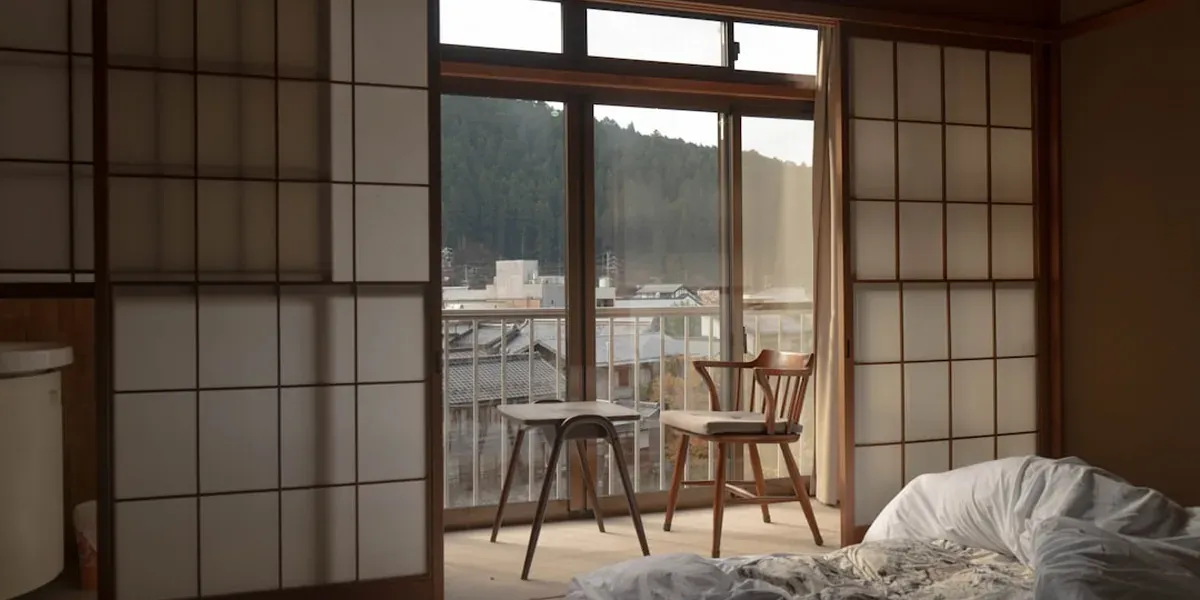
2. Capsule Hotels — The Cheapest “Private” Option
What they are: Bed-sized capsules stacked 2 high, shared bathrooms, shared lounge, often a sauna/onsen. Brands include First Cabin, Nine Hours, The Millennials, Book Tea Bed, Citan Hostel.
Price range: ¥2,500–4,500/night for the basic capsule, ¥3,500–6,000/night for the “first class” cabin with privacy.
Where they cluster: Tokyo (Shinjuku, Shibuya, Akihabara, Ueno, Ikebukuro), Osaka (Namba, Umeda), Nagoya, Fukuoka, Sapporo. Less common in Kyoto.
How to book:
- Booking.com and Agoda both work for the major chains
- Direct (each chain has its own website) — usually the same price
- Walk-in — most capsule hotels have 24/7 reception
Who it’s for: Solo travelers, anyone who doesn’t mind shared bathrooms, anyone who wants a “Japan experience” without the ryokan price tag. Most capsules are male-only or female-only, with a small “mixed” section. Always confirm.
Best capsule hotels for budget travelers:
- Nine Hours — the original “designer” capsule, several Tokyo branches
- First Cabin — slightly more upscale, “first class” cabins
- Book Tea Bed — capsule + book + tea, near Asakusa
- Citan Hostel — capsule + coworking, near Tokyo Station

For more on capsule hotels and hostels, see the accommodation guide.
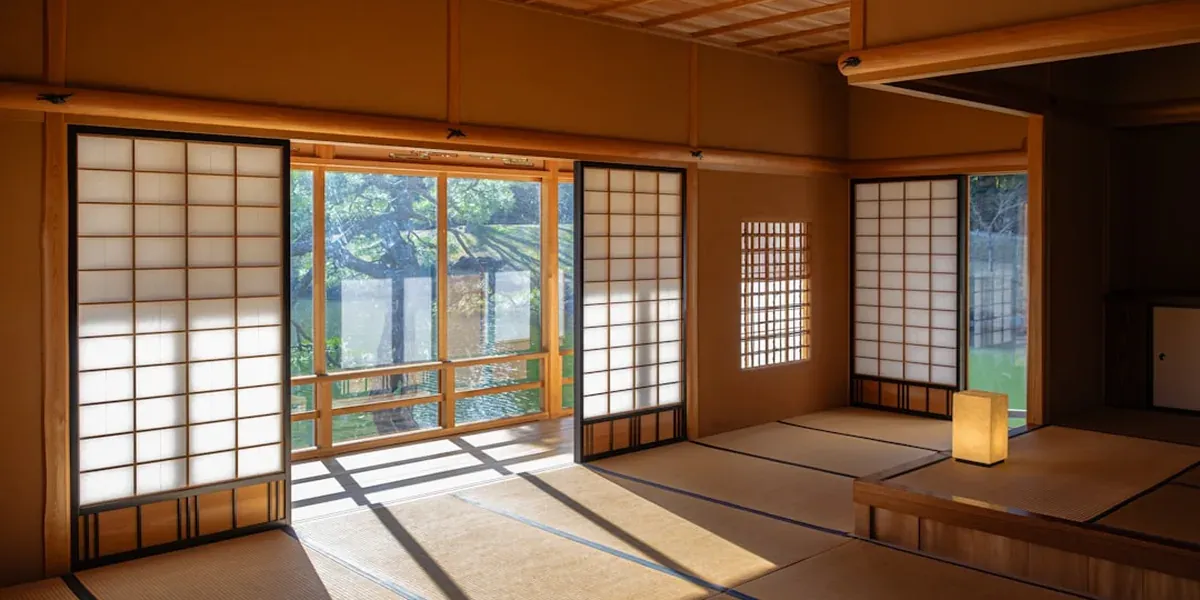
3. Ryokan — The Cultural Experience
What they are: Traditional Japanese inns with tatami rooms, futon bedding, communal dinner and breakfast (kaiseki or shojin), often a private or communal onsen. Brands include Hoshinoya, Hoshino Resorts, traditional family-run ryokan.
Price range: ¥8,000–15,000/night for a budget ryokan with 2 meals, ¥15,000–30,000/night for a mid-range ryokan, ¥50,000+ for luxury.
Where they cluster: Onsen towns (Hakone, Kusatsu, Gero, Beppu, Noboribetsu), Kyoto (Higashiyama, Arashiyama), Kanazawa, Takayama, rural Japan.
How to book:
- Rakuten Travel — best selection of ryokan, biggest inventory
- Jalan — second-best, often cheaper for rural ryokan
- Booking.com — limited but growing, best for English-only travelers
- Agoda — limited selection
- Direct (email or phone) — sometimes the only way for the smallest family-run ryokan
Key details to confirm before booking:
- Meals included or not? — “1泊2食” (1 night, 2 meals) is the standard. Some ryokan offer “1泊朝食” (1 night, breakfast only) for ¥2,000–3,000 less.
- Private onsen or communal? — “貸切温泉” (kashikiri onsen) is the private option, usually ¥3,000–5,000 extra or only available to first booking
- Check-in time — usually 15:00–16:00, but some traditional ryokan ask you to arrive before 18:00 for dinner
- Cancellation policy — strict, often 50% charge within 7 days, 100% within 3 days
- Tattoo policy — many traditional ryokan refuse tattoos, especially at onsen
Best ryokan for budget travelers:
- Hakone — many ryokan in the ¥10,000–15,000 range with onsen, see the Hakone budget guide
- Kyoto — Higashiyama has the most ryokan, see the free things to do in Kyoto for area context
- Kusatsu — one of Japan’s top 3 onsen towns, ¥8,000–12,000 ryokan with dinner
- Takayama — rural Hida region, ¥9,000–13,000 ryokan with Hida beef dinner
4. Hostels & Guesthouses — The Cheapest Social Option
What they are: Dorm beds (4–10 per room) and a few private rooms, shared kitchen, common area, often a bar. Brands include Khaosan, Sakura, Imano, Piece, K’s House, Len.
Price range: ¥2,500–4,500/night for a dorm bed, ¥6,000–9,000/night for a private room.
Where they cluster: Tokyo (Asakusa, Ueno, Shinjuku, Akihabara), Kyoto (Gion, Kawaramachi, Kyoto Station), Osaka (Namba, Shinsekai), Fukuoka, Hiroshima.
How to book:
- Booking.com — largest hostel inventory
- Hostelworld — more “hostel-specific” reviews and filters
- Agoda — sometimes cheaper, especially for Asian chains
- Direct (smaller hostels, especially in Kyoto) — sometimes ¥500–1,000 cheaper
Best hostel chains:
- Khaosan — Tokyo and Kyoto, the original “backpacker” hostel
- Imano — Tokyo, Kyoto, Osaka — modern design
- Piece — Kyoto, design-focused, near Kyoto Station
- Citan Hostel — Tokyo, near Nihonbashi, capsule-style dorms
How to Read Japanese Hotel Listings (5 Key Patterns)
International platforms usually translate, but the Japanese ones (Rakuten, Jalan) often leave Japanese descriptions intact. Five things to know:
- “禁煙” (kin’en) = non-smoking room. “喫煙” (kitsuen) = smoking room. The default in modern hotels is non-smoking, but confirm.
- “朝食付き” (chōshoku tsuki) = breakfast included. “夕朝食付き” (yūchōshoku tsuki) = dinner and breakfast included. “素泊まり” (sudomari) = no meals.
- “温泉” or “大浴場” (onsen / daiyokujō) = communal bath/hot spring. “露天風呂” (rotenburo) = outdoor bath. “貸切” (kashikiri) = private.
- “駅徒歩X分” (eki toho X fun) = X minutes walk from the station. “駅徒歩3分” = 3 minutes.
- “シングル” (shinguru) = single bed. “ダブル” (daburu) = double bed. “ツイン” (tsu’in) = two single beds. “和室” (washitsu) = Japanese-style tatami room.

The 7 Booking Mistakes That Cost Most
1. Booking on the wrong platform. Always check 3 sites (Booking.com, Agoda, hotel’s own site). The price difference is real and consistent.
2. Forgetting to check “total price” vs “per night.” Some platforms show “per night” without including the 10% consumption tax and ¥200–500/person bathing tax. The real price is often 12–15% higher than the headline.
3. Not reading the cancellation policy. Japan cancellation policies are strict. Most “non-refundable” rooms are exactly that — no refund, no changes. The ¥1,000 savings on a non-refundable rate is not worth losing ¥10,000+ if your plans change.
4. Booking a ryokan during Golden Week or autumn leaves without checking the cancellation policy. Refunds are 0% within 7 days of check-in. If your flight gets cancelled, you’re out ¥30,000+ per room.
5. Ignoring “child policy.” Japan hotels often have strict child age cutoffs. “Children under 12 stay free” or “no children under 6” are both common. Confirm before booking with family.
6. Skipping the breakfast option. Adding breakfast is often ¥800–1,500 per person, much cheaper than eating out. But for backpackers on a tight budget, the konbini breakfast is ¥300–500. Don’t pay for hotel breakfast you won’t use. See the convenience store food guide.
7. Forgetting the “1 night” minimum on weekends. Many Japanese hotels (especially business hotels) require 2-night minimum on Friday/Saturday. Some require 3-night minimum on holiday weekends. Always check.
Japan Hotel Pricing in 2026 — What to Expect
Average per-night prices for a budget-conscious traveler (¥):
| Type | Tokyo | Kyoto | Osaka | Hakone (ryokan) |
|---|---|---|---|---|
| Hostel dorm | 3,000–4,000 | 3,000–4,500 | 2,800–3,500 | N/A |
| Capsule hotel | 3,000–4,500 | 3,500–5,000 | 3,000–4,000 | N/A |
| Business hotel (single) | 5,000–8,000 | 5,000–7,500 | 4,500–7,000 | N/A |
| Business hotel (double) | 7,000–10,000 | 7,000–10,000 | 6,500–9,000 | N/A |
| Budget ryokan (with meals) | N/A | 8,000–13,000 | N/A | 10,000–15,000 |
| Mid-range ryokan (with meals) | N/A | 13,000–20,000 | N/A | 15,000–25,000 |
Currency reference: ¥150 = US$1 (approx. mid-2026 rate).
For comparison with non-Japan cities: Tokyo business hotels are roughly the same price as Paris, Berlin, and Madrid business hotels — and 30–50% cheaper than New York or London.
For full trip cost breakdown, see the Japan trip cost 2026 and the Japan budget guide.
FAQ
What is the best Japan hotel booking site overall?
Booking.com for the widest inventory, free cancellation, and English support. Agoda for the cheapest prices (often 10–20% less). Rakuten Travel for ryokan. Most experienced travelers check at least 2 platforms before booking.
How far in advance should I book a hotel in Japan?
2–3 months ahead for cherry blossom, Golden Week, and autumn leaves. 3–4 weeks ahead for off-peak. 1–2 weeks for last-minute Tokyo. The smaller the town, the further ahead you need to book.
Is Booking.com safe in Japan?
Yes. Booking.com is the largest international booking platform in Japan. The free cancellation policy is genuinely free (within the cancellation window). The 24/7 English support is reliable. The Genius loyalty discount is automatic.
Why is Agoda cheaper than Booking.com in Asia?
Agoda is owned by Booking Holdings but operates as a separate platform with different pricing. In Asia, Agoda negotiates deeper discounts with hotels in exchange for higher commission rates. The result is often ¥500–1,500/night lower. The trade-off is stricter cancellation.
Can I book a ryokan in English?
Yes, for the major chains and popular ryokan. Rakuten Travel English site covers most. Booking.com covers a smaller selection. Jalan is Japanese-only. For the smallest family-run ryokan, you may need to email in Japanese or use a translation tool. Hotels.com is another option for some ryokan.
Do I need to book Tokyo hotels in advance?
For most of the year, no — Tokyo has so much inventory that 1–2 weeks ahead is usually fine. The exceptions: cherry blossom week, Golden Week, Tokyo Marathon weekend, and Comiket (Comic Market, twice a year). For these, book 2–3 months ahead.
Is it cheaper to book direct with the hotel?
Often yes, especially for ryokan. Many Japanese hotels offer “direct booking discount” of 5–10%. Always check the hotel’s own website after finding it on a platform. Some hotels will also match or beat the platform price if you email them directly.
Do Japan hotels accept foreign credit cards?
Almost all do. The exception: some smaller ryokan in rural areas are cash-only. Confirm “カード払いOK” (card payment OK) before booking. The 7-Eleven and most post office ATMs also work for international cards.
What’s the cheapest day to check in?
Tuesday and Wednesday are usually cheapest. Friday and Saturday are usually most expensive. Sunday is mixed. These differences are small (5–15%) for business hotels and large (20–40%) for ryokan.
Can I get a refund if I cancel?
Only if the booking has a “free cancellation” policy. Always check the cancellation window. Most Japanese business hotels allow free cancellation up to 24–48 hours before check-in. Most ryokan require 7+ days notice.
Should I book before or after arriving in Japan?
Book at least the first 2–3 nights before arrival. This guarantees you have somewhere to stay and avoids jet-lagged decision-making. After that, you can decide based on the trip — but be aware that last-minute ryokan in popular towns (Hakone, Kyoto, Takayama) may be sold out.
Are there loyalty programs worth joining?
Booking.com Genius — automatic, free, 10–15% off after 2–5 stays. AgodaCash — 3–8% back, expires in 1–2 years. Rakuten Points — 1–5% back, redeemable for hotels and shopping. Toyoko Inn Club — free, member-only rates, free welcome drink. Hoshino Resorts — separate loyalty program, worth it if you stay 3+ times.
What if the hotel doesn’t exist or is overbooked?
Rare but happens. The 5 platforms (Booking, Agoda, Rakuten, Jalan, Direct) all have customer support that will help rebook you at no extra cost. Always screenshot the confirmation and the platform’s customer service contact. If something goes wrong on a smaller platform (Hostelworld, Trip.com), the response is slower.
Is there a Japanese hotel booking app?
Yes — Rakuten Travel has a full app with the same inventory as the website. Jalan is mobile-optimized. Booking.com and Agoda both have strong apps. For last-minute deals, the Hotels.com app is fine but not Japan-specific.
Can I find last-minute deals in Japan?
Yes, in Tokyo, Osaka, Fukuoka, Nagoya, Sapporo. The inventory is so high that hotels drop prices 1–3 days before check-in. The apps “HotelTonight” (international) and “Rakuten Travel Last Minute” (Japanese-only) both work. The catch: this only works in cities, not in onsen towns or rural Japan.
Book Smart, Save Real Money
Hotel booking in Japan is the single biggest budget lever after transport. With the right platform mix, the right booking window, and the right hotel type, you can save 20–40% on accommodation without sacrificing comfort.
The 3-step recap:
- Use Booking.com + Agoda for business hotels, hostels, and capsule hotels
- Use Rakuten Travel + Jalan for ryokan and onsen stays
- Always check the hotel’s own website after finding it on a platform — direct booking discounts are real
For the rest of the trip — getting there, getting around, and what to do once you’ve checked in — see:
- Japan trip cost 2026 — full daily cost breakdown
- JR Pass 2026 worth it — transport decision
- Tokyo budget guide — what to do in Tokyo
- Hakone day trip budget guide — best ryokan near Tokyo
- Japan budget accommodation guide — types of accommodation deep-dive
- Japan travel apps 2026 — booking apps and beyond
- Cheapest time to visit Japan — when to book
- Japan budget packing list — what to bring
- Japan budget mistakes — common pitfalls