Japan Hiking Budget Guide 2026: Tokyo Day Hikes, Mt Fuji, Kumano Kodo & Kamikochi
A practical 2026 hiking guide to Japan on a budget — Tokyo day hikes (Mt Takao, Mitake, Okutama), Mt Fuji climb cost, Kamikochi in the Japanese Alps, Kumano Kodo pilgrimage, free trails, gear list, and season timing.
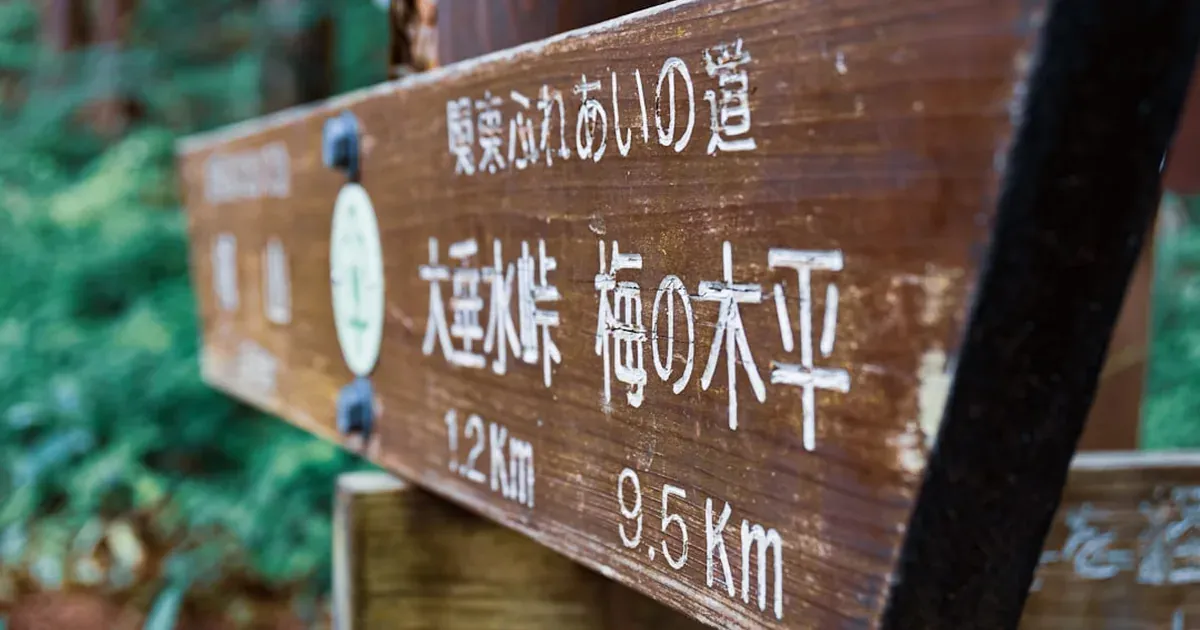
The short answer: Japan has hiking for every budget and skill level. Tokyo has 4 day hikes within 90 minutes by train (Mt Takao, Mt Mitake, Mt Kumotori, Okutama — all under ¥1,500 in transport), Mt Fuji costs ¥1,200–2,000 to climb (the ¥1,000 trail fee plus gear and transport), Kamikochi in the Japanese Alps is free to enter and ¥8,000–12,000 for 1 night, and the Kumano Kodo pilgrimage routes start at ¥6,000 for 2 days. Best season: late September to early November for autumn, late June to early July for alpine, February–March for low-elevation.
Japan is one of the most underrated hiking destinations on earth. It has mountains shaped like Mt Fuji, pilgrimage trails older than the Camino de Santiago, alpine valleys that match the Rockies, volcanic ridges, coastal cliffs, and over 100 “Hyakumeizan” (100 Famous Mountains). The hiking infrastructure is world-class: trail signs in English, mountain huts every 2–4 hours on major peaks, onsen at most trailheads, and trains that drop you at trailhead stations.
The cost barrier is the reason most travelers never go hiking in Japan. They assume it’s expensive (it can be) or inaccessible (it isn’t). This guide covers the cheapest way to do the 4 most popular Japan hiking categories — Tokyo day hikes, Mt Fuji climb, Kamikochi, and Kumano Kodo — plus gear, season timing, and a daily cost breakdown.
The 4 Categories of Japan Hiking (and What Each Costs)
Japan hiking breaks into 4 categories. Pick the one that matches your time, fitness, and budget.
| Category | Time needed | Cost (per person) | Fitness level | Best for |
|---|---|---|---|---|
| Tokyo day hikes | 1 day, no overnight | ¥1,200–3,000 | Beginner to intermediate | Travelers based in Tokyo with 1 free day |
| Mt Fuji climb | 1–2 days, 1 night at hut | ¥8,000–15,000 | Intermediate to advanced | Climbers, summit-sunrise chasers |
| Kamikochi (Japanese Alps) | 1–3 days, 1–2 nights | ¥8,000–25,000 | Beginner to intermediate | Alpine scenery without technical climbing |
| Kumano Kodo (pilgrimage) | 2–5 days, 1–4 nights | ¥10,000–40,000 | Beginner to intermediate | Slow travelers, cultural hikers |
For each category, this guide covers the cheapest option, the “splurge” option, and the most popular trail.
Tokyo Day Hikes: 4 Trails Under ¥3,000
Tokyo is one of the best cities in the world for cheap day hikes. Four mountains are reachable in 60–90 minutes by train, all have well-marked trails, and all cost ¥1,200–3,000 for the full day (transport + food + trail fees).
For more Tokyo day trip options (hiking and non-hiking), see the Tokyo day trips hub.
1. Mt Takao (高尾山) — Tokyo’s Easiest
Distance from Tokyo: 50 minutes by train from Shinjuku (¥1,400 round-trip on the Keio Line) Trail time: 2–4 hours round-trip Cost: ¥0–1,000 (¥0 if you take Trail 1; ¥1,000 cable car round-trip) Elevation: 599m Difficulty: Beginner (paved trail option)
Why it’s worth it: Mt Takao is the most-climbed mountain in the world (2.6 million visitors per year). It has 6 trail options, ranging from a paved “stroller-friendly” route to a moderately challenging summit trail. Cable car and chairlift options for those who don’t want to walk up. The summit has a temple, multiple restaurants, and a clear-day view of Mt Fuji.
The 3 trail options:
- Trail 1 (paved, ¥0) — 100 minutes up, the easy option
- Trail 3 (¥0) — 80 minutes, more scenic, slightly steeper
- Trail 4 (¥0) — 90 minutes, follows a stream
- Trail 6 (¥0) — 90 minutes, the “Inari” trail with fox statues
- Cable car (¥1,000 round-trip) — 6 minutes up, skip the first steep section
- Chairlift (¥600 round-trip) — 12 minutes up, similar to cable car
Best time: Weekday mornings (especially Tuesday/Wednesday). Weekends are brutally crowded. Cherry blossom season (early April) and autumn leaves (mid-November) are most beautiful but most crowded.
Food at the top: Soba, udon, and the famous “Takaosan” tofu — all ¥600–1,200. Don’t expect a budget meal at the summit.
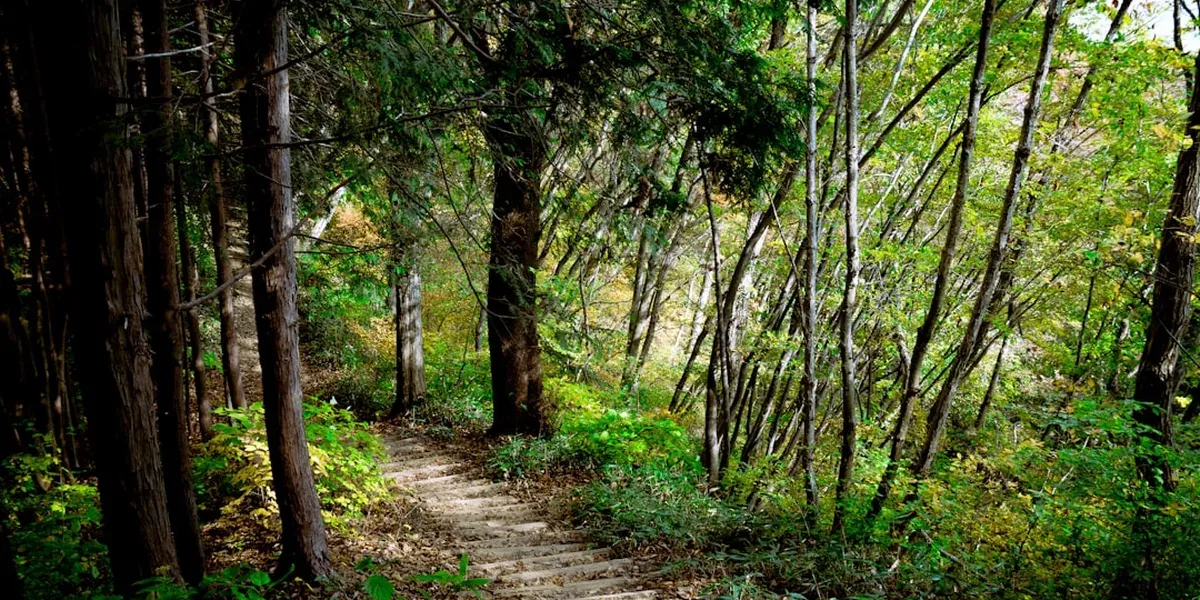
2. Mt Mitake (御岳山) — Tokyo’s Prettiest
Distance from Tokyo: 90 minutes by train from Shinjuku (¥1,500 round-trip) Trail time: 2–4 hours round-trip Cost: Cable car ¥1,100 round-trip (skip the first 30 minutes) Elevation: 929m Difficulty: Beginner to intermediate
Why it’s worth it: Mt Mitake is in the Chichibu-Tama-Kogane National Park, 30 minutes further than Mt Takao, and 90% less crowded. The trail passes ancient cedar trees, a moss-covered shrine complex, and a clear-day view of Mt Fuji. The summit area has a hot spring (¥800) and traditional inns.
The trail: Take the cable car up (saves 30 min and the steepest section), then walk 25 minutes to the Musashi-Mitake Shrine. From there, multiple loop trails ranging from 30 min to 3 hours. The “Rock Garden” loop (1.5 hours) is the most scenic.
Bonus: The cable car station has a “Soba Museum” (free entry) and a foot bath (¥300).
3. Mt Kumotori (雲取山) — Tokyo’s Hardest
Distance from Tokyo: 2.5 hours by train + bus from Shinjuku (¥2,500 round-trip) Trail time: 6–9 hours round-trip Cost: ¥0 Elevation: 2,017m (the highest in Tokyo) Difficulty: Intermediate to advanced
Why it’s worth it: Mt Kumotori is the only 2,000m+ peak in Tokyo and the only one with a real mountain-hut network. The trail is well-marked but steep, with one section requiring some rock scrambling. The summit has a 360° view and (rarely) snow into May.
The trail: Start from Okutama Station, walk to trailhead (1.5 hours), climb to summit (4 hours), return (3.5 hours). The descent is the worst part — steep and rocky. Plan for sunrise (start at 3am) or an overnight at one of the huts.
Mountain hut: The Sanjō Goya Mountain Hut (¥5,000–7,000 with dinner) at the summit area. Book ahead.
4. Okutama (奥多摩) — Tokyo’s Wildest
Distance from Tokyo: 2 hours by train from Shinjuku (¥1,400 round-trip) Trail time: 3–6 hours round-trip (multiple options) Cost: ¥0 Elevation: 500–1,200m Difficulty: Beginner to intermediate
Why it’s worth it: Okutama is the “real” mountain area of Tokyo, the largest by area. The town sits inside a river gorge with dozens of trail options, from easy riverside walks to multi-day ridge walks. Hitarashi Falls is the most popular 30-min destination. The ridge walk to Mt Mitou (1,528m) is the best 1-day ridge in Tokyo.
The trail options:
- Hitarashi Falls (30 min) — easy, family-friendly
- Mt Mitou round-trip (5–6 hours) — the best ridge walk near Tokyo
- Okutama lake loop (2 hours) — flat, scenic
- Multi-day ridge to Mt Kumotori — for the very fit, 2 days
Bonus: Okutama has a free onsen (Moegi-no-Yu, ¥600) right next to the station. The post-hike soak is half the experience.
For more hiking near Tokyo, see the Tokyo day trips hub.
Mt Fuji Climb: The Complete Budget Breakdown
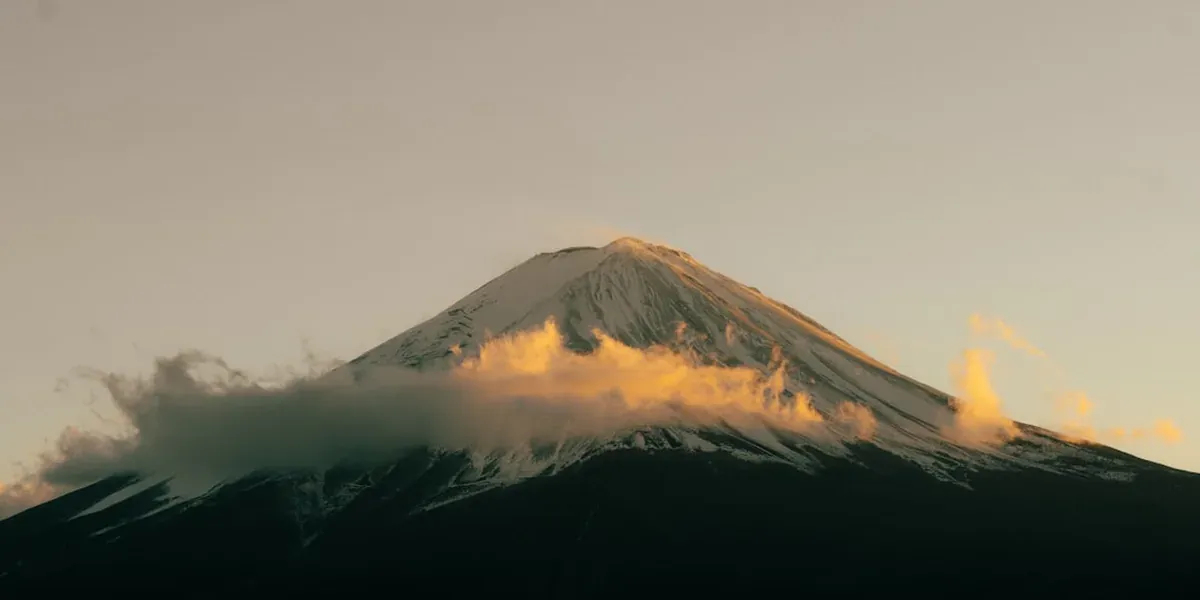
Mt Fuji is the most climbed mountain in the world. The official season is early July to mid-September. Outside this window, the trails are closed, the mountain huts are shut, and the summit is covered in snow and ice.
For more budget Mt Fuji options (climbing AND non-climbing), see the Mt Fuji day trip budget guide.
The 4 Mt Fuji Trails (and Which to Pick)
| Trail | Starting station | Time to summit | Difficulty | Vibe |
|---|---|---|---|---|
| Yoshida (Subaru Line) | Fuji Subaru Line 5th Station | 5–7 hours up | Beginner to intermediate | Most popular, most crowded, has mountain huts |
| Subashiri | Subashiri 5th Station | 5–7 hours up | Intermediate | Less crowded, more scenic, joins Yoshida at 8th station |
| Gotemba | Gotemba 5th Station | 7–9 hours up | Intermediate to advanced | Least crowded, longest, very steep |
| Fujinomiya | Fujinomiya 5th Station | 4–6 hours up | Intermediate | Fastest, second-most popular, has huts |
The budget pick: Yoshida Trail. It’s the easiest, the most hut-supported, and the most “Mt Fuji” experience (you’ll see hundreds of climbers on the way up). Most first-time Fuji climbers pick this.
The experienced pick: Subashiri Trail. Less crowded, more forested, the sunrise from the 8th-station joins is the most famous in Japan.
Mt Fuji Cost Breakdown (2026)
| Item | Budget (hut) | Mid-range (hut) | Premium (hut) | Notes |
|---|---|---|---|---|
| Trail donation | ¥1,000 | ¥1,000 | ¥1,000 | Mandatory, paid at 5th station |
| Bus to 5th station (round-trip) | ¥2,300 | ¥2,300 | ¥2,300 | From Kawaguchiko Station |
| Mountain hut (1 night) | ¥6,000 | ¥8,500 | ¥12,000 | With dinner and breakfast, no private rooms |
| Gear rental | ¥1,500 | ¥3,000 | ¥5,000 | Headlamp, rain jacket, gloves, warm layers |
| Food and water on trail | ¥1,500 | ¥2,000 | ¥3,000 | Onigiri from 7-Eleven before you start |
| Transport from Tokyo | ¥4,500 | ¥4,500 | ¥4,500 | JR + Fujikyu Railway |
| Total | ¥16,800 | ¥21,300 | ¥27,800 | Per person, double-occupancy hut |
The “free” option: Climbers who don’t sleep in a hut and start from the 5th station at 11pm can do Mt Fuji in a single 8–10 hour push. This is the budget move, but it has a real risk — no time to acclimatize, dangerous weather exposure, exhaustion. Most guides discourage this for first-timers.
Mt Fuji Tips
- Book the hut 2–3 months ahead. Fuji huts sell out for sunset and sunrise dates, especially in August.
- Start the climb between 11pm and 1am. This lets you summit by sunrise (the famous “ご来光” — goraikō, the arrival of light).
- Bring layers. The summit is 5–10°C in summer, often 0°C at sunrise.
- Don’t climb outside the season. The trails are officially closed and the huts are shut. Climbing is dangerous and not supported.
- Stay hydrated. The altitude (3,776m) causes altitude sickness for some climbers.
For more Mt Fuji budget strategies, see the Mt Fuji day trip budget guide.
Kamikochi (上高地) — Japanese Alps on a Budget
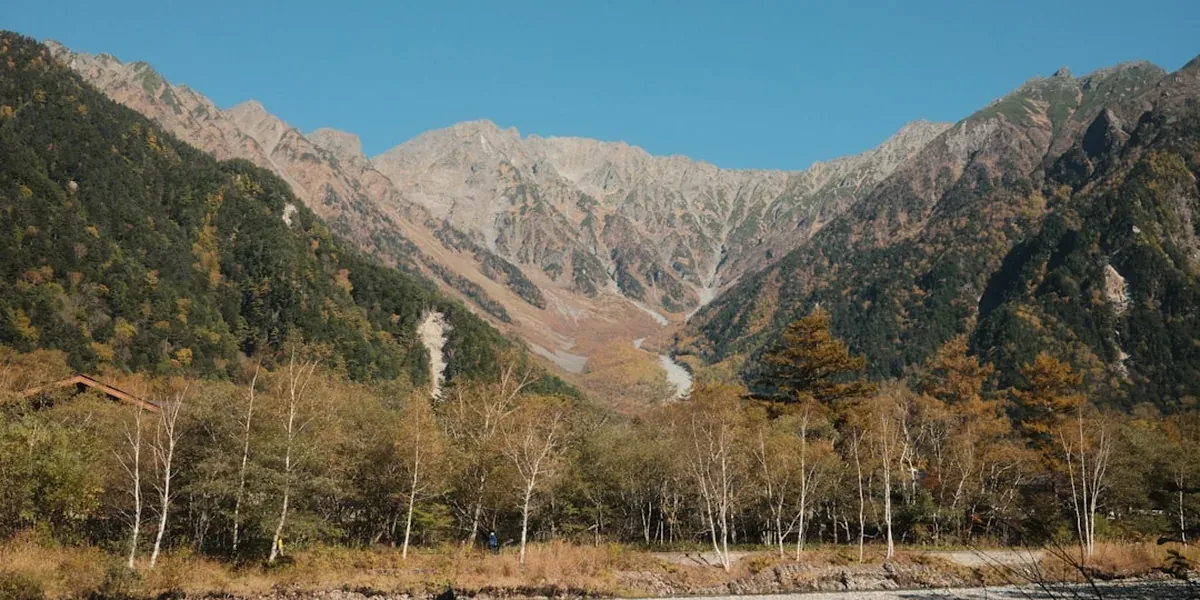
Kamikochi is a 1,500m alpine valley in the Japanese Alps, often called “the Yosemite of Japan.” It’s accessible only by bus or taxi (no cars allowed), and the entire valley is a protected national park. The best time is mid-April to mid-November (closed in winter).
Kamikochi Cost Breakdown
| Item | Cost | Notes |
|---|---|---|
| Bus from Matsumoto (round-trip) | ¥4,400 | 1.5 hours, runs May–November |
| Bus from Takayama (round-trip) | ¥4,800 | 2.5 hours, runs April–November |
| Park entry | ¥0 | Free |
| Trail maps | ¥300 | From the visitor center |
| Lunch in Kamikochi | ¥1,500 | Multiple restaurants, similar pricing |
| 1 night at mountain hut | ¥9,000–12,000 | With dinner and breakfast |
| 1 night at hotel | ¥15,000–25,000 | The Kamikochi Imperial Hotel is the splurge pick |
| 2-day total (budget) | ¥17,000–22,000 | Per person, hut, bus from Matsumoto |
The 3 Best Kamikochi Trails
1. Tashiro Pond to Kappa Bridge (1 hour, easy) — The classic intro walk. Flat, scenic, the iconic “Kamikochi view” with Hotaka Range in the background. Suitable for anyone.
2. Myojin Pond Loop (2 hours, easy) — A longer version of the above, going further into the valley. The pond reflects the Hotaka Range on calm mornings.
3. Karasawa Col to Mount Hotaka (8–10 hours, advanced) — The big climb. This is the only way to summit the 3,190m Mt Hotaka, the 3rd highest in Japan. Hut stay required.
Best for budget travelers: The Tashiro Pond + Myojin Pond walk as a 1-day trip from Matsumoto (¥5,900 round-trip, no overnight). This is the most popular Kamikochi day-trip option.
For transport from Tokyo to Kamikochi, see the Tokyo to Kyoto budget guide (uses the same Shinkansen + local train pattern).
Kumano Kodo (熊野古道) — The 1,000-Year-Old Pilgrimage
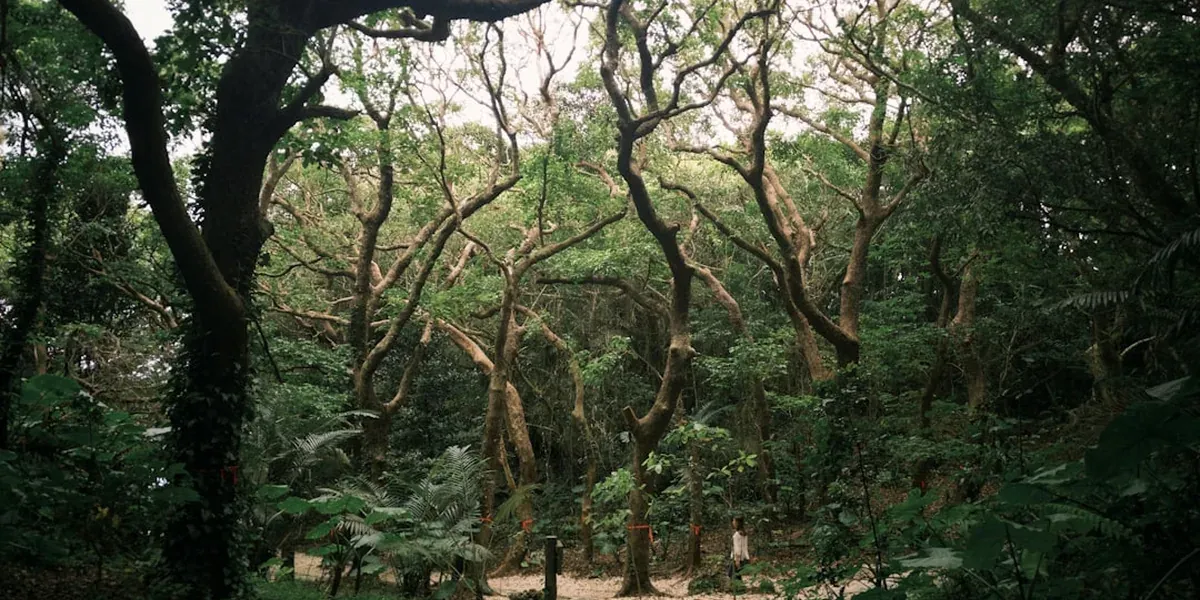
The Kumano Kodo is a network of pilgrimage trails in the Kii Peninsula (south of Osaka/Nara), used for over 1,000 years. It’s a UNESCO World Heritage Site and one of only two pilgrimage routes in the world registered as such (the other is the Camino de Santiago).
The 3 Main Kumano Kodo Routes
| Route | Length | Days | Difficulty | Vibe |
|---|---|---|---|---|
| Nakahechi (Imperial Route) | 30 km | 2–3 | Intermediate | The most popular, most hut-supported |
| Kohechi (Mountain Route) | 70 km | 3–4 | Advanced | The full ridge crossing, very few huts |
| Ohechi (Coastal Route) | 75 km | 3–4 | Intermediate | Coastal, ocean views, easier terrain |
The budget pick: Nakahechi 2-day option. Takijiri-oji to Chikatsuyu-oji (Day 1, 10 km, 5 hours) and Chikatsuyu-oji to Hosshinmon-oji (Day 2, 7 km, 4 hours). Total 17 km over 2 days, doable for most hikers.
Kumano Kodo Cost Breakdown (2-Day Nakahechi)
| Item | Cost | Notes |
|---|---|---|
| Bus from Kii-Tanabe to Takijiri (round-trip) | ¥2,400 | 30 min, the trailhead |
| Train from Osaka to Kii-Tanabe (round-trip) | ¥6,800 | JR Kuroshio, 2.5 hours one way |
| 1 night at minshuku (family guesthouse) | ¥5,500–7,000 | With dinner and breakfast |
| Lunch and snacks | ¥1,500 | Konbini onigiri before you start |
| 2-day total (budget) | ¥16,200–17,700 | Per person, minshuku |
The “pilgrim certificate” (durochein): Get your pilgrim passport stamped at 2 oji (shrine stops) along the trail. After completing a section, you can apply for the official certificate at the Kumano Hongu Taisha shrine office. Free.
Best time: Spring (April) and autumn (October–November) for the weather and the foliage. Summer is hot and humid. Winter is closed on some sections.
The Onsen-After-Hike Routine
The Japanese onsen (hot spring) tradition is built around hikers. Most trailheads in Japan have a public onsen within 30 minutes — bath culture, hiking culture, and the recovery soak are inseparable. The 1,000-year-old connection between mountains, hot springs, and Buddhism is the reason onsen towns exist at the base of every major peak.
The onsen budget for hikers:
- Trailhead onsen (¥500–800) — most common, no-frills, after-hike soak
- Rotemburo (outdoor bath, ¥800–1,500) — premium, often at a ryokan
- Day-trip onsen (¥1,200–2,500) — full facility, includes rest areas, often a meal option
Tattoo policy: Many onsen still refuse tattoos. The full list of tattoo-friendly spots in Tokyo, Kyoto, Hakone, and Osaka is in the onsen budget guide.
The 1-night ryokan + onsen + 2 meals package: This is the classic post-hike reset. ¥10,000–15,000 per person at most onsen towns (Hakone, Kusatsu, Gero, Beppu). Book through Rakuten Travel — see the hotel booking guide.
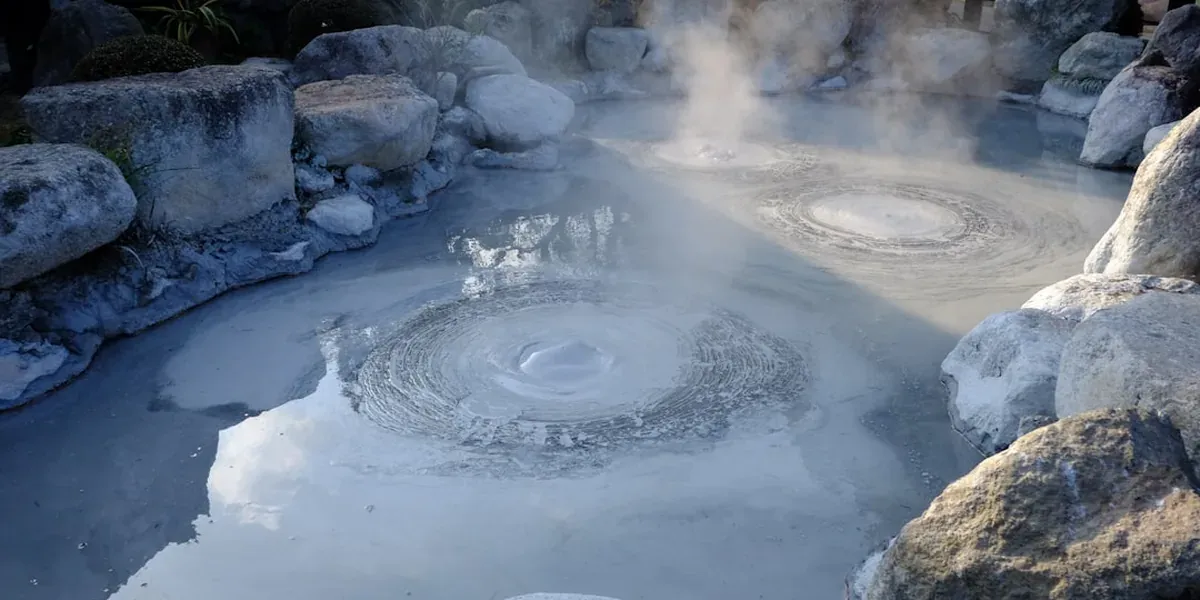
For the full onsen guide — etiquette, tattoo policy, the best 25+ onsen under ¥2,000 — see the onsen budget guide.
Hiking Gear: What to Bring, What to Skip
Most “Japan hiking” lists assume you have full technical gear. The reality: most of the popular hikes are doable with everyday outdoor clothes and a few cheap upgrades.
The Must-Have Gear
| Item | Budget option | Mid-range | Premium | Where to buy |
|---|---|---|---|---|
| Hiking shoes | Decathlon Quechua MH500 (¥5,000) | Salomon X Ultra (¥12,000) | Merrell Moab (¥15,000) | Decathlon, ABC-Mart, sports shops |
| Rain jacket | Decathlon Quechua MH900 (¥3,000) | Montbell Versalite (¥12,000) | Arc’teryx Beta SL (¥30,000) | Decathlon, Montbell, outdoor shops |
| Day pack (20–30L) | Decathlon Forclaz MT100 (¥2,500) | Osprey Daylite (¥8,000) | Osprey Stratos (¥15,000) | Decathlon, outdoor shops |
| Headlamp | Black Diamond Spot (¥5,000) | Petzl Actik (¥7,000) | Black Diamond Storm (¥12,000) | Outdoor shops, Amazon Japan |
| Water bottle (1L) | Any (¥500) | Nalgene (¥1,500) | Hydroflask (¥3,000) | Konbini, outdoor shops |
| Sunscreen | Nivea Sun (¥500) | Shiseido Anessa (¥2,000) | — | Konbini, drugstores |
| First aid kit | Travel kit (¥800) | Comprehensive (¥2,000) | — | Drugstores |
Total budget gear set: ¥17,300 Total mid-range gear set: ¥42,500 Total premium gear set: ¥105,500
The Skip List
- Trekking poles — Optional for most day hikes. Rent at Mt Fuji 5th station for ¥600.
- Bear bell — Bears are not a serious concern on Tokyo day hikes. The “bear warnings” are more common than actual bears.
- Hiking GPS — Offline Google Maps is enough. See the travel apps guide.
- Water filter — All trailheads have potable water or vending machines.
What to Buy in Japan
- Konbini food for the trail: Onigiri, energy bars, Pocari Sweat, water bottles. ¥300–600 per day. See the konbini food guide.
- Emergency rain gear: Most convenience stores and Tokyu Hands sell cheap umbrellas (¥300–500) and rain ponchos (¥500–800).
- Trail snacks: Calbee Jagariko (potato sticks), peanut mochi, omanju (sweet buns) — all under ¥200.
Hiking by Season: When to Go
| Season | Months | Best for | Crowds |
|---|---|---|---|
| Winter | Dec–Feb | Mt Takao, low-elevation Tokyo hikes, snow hiking in Nagano | Low |
| Spring | Mar–May | Cherry blossom + hiking, Kumano Kodo, Kamikochi (April) | Medium |
| Summer | Jun–Aug | Mt Fuji season (July–Sep), alpine Kamikochi, Kumano Kodo (early June) | High |
| Autumn | Sep–Nov | The best hiking season — fall foliage, cooler weather, all routes open | High |
The sweet spot: Late September to early November. The summer humidity drops, the trails are still open, the alpine leaves are turning, and the food at mountain huts is best (mushroom season, new rice).
For the cheapest time of year overall, see the cheapest time to visit Japan guide.
The 6 Most Common Hiking Mistakes in Japan
1. Trying Mt Fuji off-season. The official season is early July to mid-September. Outside this, the trails are dangerous, the huts are closed, and the weather at 3,776m is genuinely risky.
2. Underestimating humidity. Even at low elevation, summer humidity in Japan is 70–90%. Pace yourself, drink water, and plan shorter days.
3. Not checking weather. Japan weather changes fast in the mountains. Check tenki.jp (Japanese weather site) and the trail-specific forecast the morning of. The 1,000m+ mountains can drop 10°C below the city.
4. Skipping the onsen after. It’s the entire point. See the onsen budget guide.
5. Renting a car when the train is fine. Most of the popular hikes are on train lines. The bus is usually enough. Rental cars cost ¥6,000–10,000/day + tolls + parking.
6. Bringing too much gear. The mistake most first-timers make. For a day hike, you need: water, snacks, rain jacket, sunscreen, headlamp (if Mt Fuji), camera. That’s it.
For more Japan travel mistakes, see the budget mistakes guide.
Daily Cost Breakdown — Japan Hiking
| Category | Day hike | Mt Fuji (2 days) | Kamikochi (2 days) | Kumano Kodo (2 days) |
|---|---|---|---|---|
| Transport (round-trip from Tokyo) | ¥1,500–2,500 | ¥4,500 | ¥5,900 | ¥6,800 |
| Trail fees / entry | ¥0–1,000 | ¥1,000 | ¥0 | ¥0 |
| Accommodation (1 night) | — | ¥6,000–8,500 | ¥9,000–12,000 | ¥5,500–7,000 |
| Food (2 days) | ¥1,200 | ¥3,000 | ¥4,000 | ¥3,500 |
| Gear / rental | ¥0 | ¥1,500 | ¥0 | ¥0 |
| Other (souvenirs, etc.) | ¥500 | ¥1,000 | ¥1,500 | ¥1,000 |
| 2-day total | ¥3,200–5,200 | ¥17,000–19,500 | ¥20,400–23,400 | ¥16,800–18,300 |
For comparison with non-hiking Japan: A typical non-hiking Tokyo day costs ¥8,000–12,000 (hotel + food + transport + activities). A hiking day in Tokyo is ¥3,200–5,200. A 2-day Mt Fuji climb is ¥17,000–19,500. Hiking is genuinely cheaper than the city.
For the full Japan trip cost, see the Japan trip cost 2026 and the Japan budget guide.
FAQ
Is hiking in Japan safe?
Yes, for the standard trails. The trails are well-marked, the signposting is in English, and the trailheads are accessible by train or bus. The exceptions: Mt Fuji in off-season, alpine ridges in winter, and unmarked “wild” trails. For first-timers, stick to the popular routes (Mt Takao, Kamikochi, Kumano Kodo) during the recommended season.
Do I need a guide?
No, for the standard routes. The trails are well-marked. The exceptions: if you don’t speak Japanese and want to do the Kumano Kodo with full cultural context, or if you’re climbing Mt Fuji in poor weather, a guide helps. Most Tokyo day hikes can be done self-guided.
What’s the cheapest multi-day hike in Japan?
The Nakahechi route of the Kumano Kodo (2 days, ¥16,800–18,300 total). Minshuku family guesthouses are the cheapest accommodation option. See the section above.
Can I hike Mt Fuji in one day?
Yes, but most climbers don’t. The standard “sunrise from the summit” plan is: 11pm start → 5am summit → 7am descent. This is doable but exhausting. Most climbers prefer the 2-day plan with a hut stay (¥6,000–8,500 extra) for the acclimatization.
Is Mt Fuji worth it for non-climbers?
Yes — there are non-climbing Mt Fuji options. The 5th station is at 2,300m and reachable by bus. You can visit the 5th station, walk around, and look at Fuji from Kawaguchiko or Hakone without climbing. See the Mt Fuji day trip budget guide for 5 non-climbing options.
What about hiking with kids?
The Tokyo day hikes (Mt Takao, Mt Mitake, Okutama) are all family-friendly. Mt Takao has stroller-accessible trails. The Okutama Hitarashi Falls walk is suitable for 4+ year olds. Mt Fuji and Kumano Kodo are for older kids (10+) and fit adults.
Can I camp in Japan?
Yes, with restrictions. Wild camping is technically allowed on most public land but discouraged. Designated campgrounds are ¥500–1,500 per person per night. Mt Fuji has 8 designated campgrounds on the Yoshida trail (¥1,000). The Kumano Kodo has 5–6 free campgrounds.
Is English spoken on the trails?
Minimal. The signs are bilingual (Japanese + English). The trail maps usually have English versions. Hut staff in popular areas often speak some English. For remote trails (Kumano Kodo, some alpine), a translation app is essential. See the travel apps guide for translation apps.
Do I need travel insurance for hiking in Japan?
Strongly recommended. Most standard travel insurance covers hiking. Mt Fuji and alpine routes in Japan are not technical climbs, so basic coverage is usually enough. See the Japan travel insurance 2026 guide for the full breakdown.
How do I get to Kamikochi from Tokyo?
JR Azusa from Shinjuku to Matsumoto (2.5 hours, ¥6,000), then Alpico Bus to Kamikochi (1.5 hours, ¥2,200 one way). Total ~3.5 hours, ¥10,200 round-trip. Most travelers stay 1 night at a Kamikochi hut.
Is hiking in Japan expensive?
No, less than most destinations. The trail fees are free or under ¥1,000. The mountain huts are ¥6,000–12,000 with meals. The gear is available at Decathlon (¥17,000 for a full set). For comparison, the same hikes in Switzerland or New Zealand cost 2–3x.
When is the cheapest season for hiking in Japan?
Late June (just before Mt Fuji season) and late November (just after autumn leaves) are the cheapest. The trails are open but the crowds are gone. Avoid Golden Week (late April–early May) and Obon (mid-August) — these are the most expensive weeks.
Can I hike in winter in Japan?
Yes, with proper gear. The standard trails (Mt Takao, Mt Mitake, Okutama) are accessible but cold (0–10°C in Tokyo, much colder in the mountains). Snow hiking in the Japanese Alps (Hakuba, Nozawa Onsen) is a separate category — the ski season is December–March. For the full winter travel guide, see the cheapest time to visit Japan guide.
Plan Your Japan Hiking Trip
Hiking in Japan on a budget is doable — easier than in most countries, cheaper than the alternatives, and a real way to escape the city crowds. The 4 categories above cover every fitness level, time budget, and price point.
The 4-step recap:
- Start with a Tokyo day hike (Mt Takao, Mt Mitake, Okutama) — under ¥3,000, 1 day, no overnight
- Add Mt Fuji for the iconic climb (2 days, ¥17,000–19,500)
- Spend 2 days in Kamikochi for the alpine scenery (¥20,400–23,400)
- Do the Kumano Kodo for the cultural experience (2 days, ¥16,800–18,300)
For the rest of the trip — where to stay, what to eat, and how to keep the total under ¥10,000/day — see the Tokyo day trips hub, the onsen budget guide, the hotel booking guide, the Japan travel apps 2026 guide, and the Japan budget guide.