Japan Solo Travel Budget Guide 2026: Hostels, Capsule Hotels, Day Trips & Safety
A practical 2026 solo travel guide to Japan on a budget — hostels and capsule hotels under ¥4,000, solo-friendly day trips, ryokan etiquette, eating alone, safety, apps, and a 7-day solo itinerary under ¥70,000.
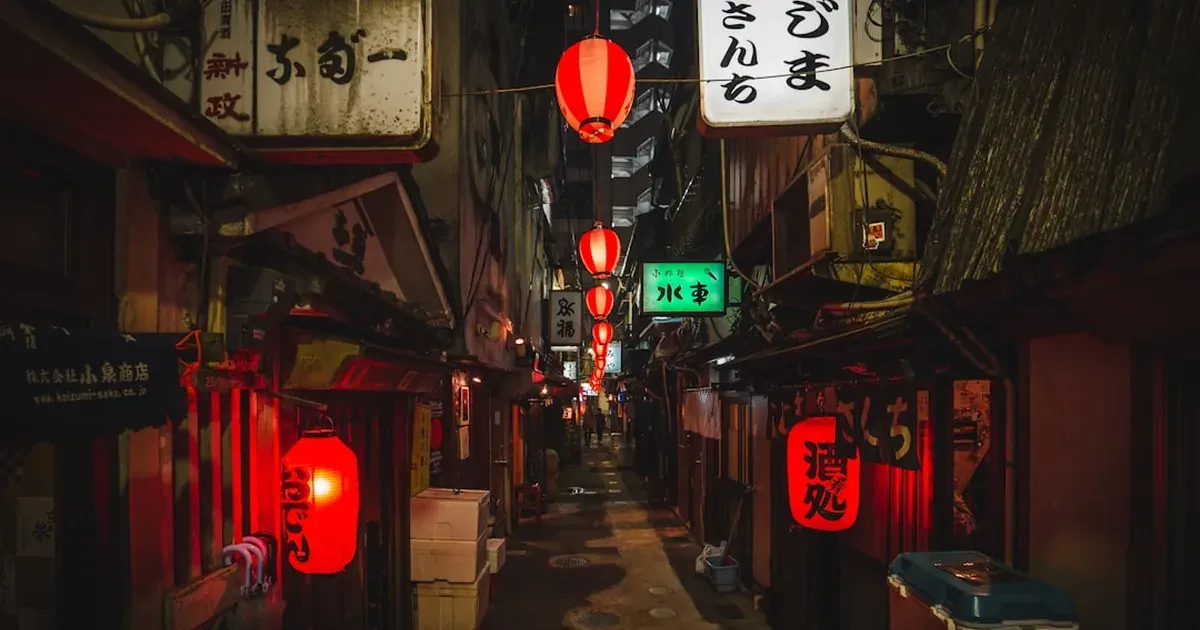
The short answer: solo travel in Japan is one of the safest and most affordable in the world. Hostels in Tokyo/Osaka/Fukuoka start at ¥2,500/night, capsule hotels at ¥3,000/night, the rail system is designed for single travelers, eating alone is culturally normal, and most day trip destinations are solo-friendly. Plan on ¥8,000–12,000/day total, or ¥60,000–85,000 for a 7-day trip. The biggest cost is accommodation, where single supplements can hit — but Japan is one of the few Asian countries where a solo traveler can avoid the “single supplement” surcharge entirely.
Japan is the #1 solo travel destination in Asia. The reasons: it’s extremely safe, the transport system is designed for individuals, eating alone is socially acceptable (and even expected at certain restaurants), and the hostels are some of the best in the world. The downsides: the language barrier is real (English is limited outside Tokyo/Shinjuku/Asakusa), ryokan often add a “single supplement” or refuse solo guests, and some onsen have tattoo policies that affect travelers from tattooed cultures.
This guide covers where to stay solo (hostels, capsule, solo-friendly ryokan), the 10 best solo day trips, solo eating culture and etiquette, safety (which is mostly a non-issue), the apps you need, and a 7-day solo itinerary under ¥70,000.
The 4 Things Solo Travelers Get Wrong About Japan
1. “Japan is expensive for solo travelers.” No, it’s one of the cheapest. The “single supplement” common in Europe and Australia doesn’t exist in most Japan hostels and capsule hotels. A solo traveler in Tokyo spends about the same as a couple sharing a budget hotel.
2. “Japan is hard if I don’t speak Japanese.” Mostly false. The transport system is in English. Most menus have photos. Google Translate works. The cultural expectation is to attempt the language, not to speak it perfectly. See the travel apps guide for the translation tools that make this trivial.
3. “Eating alone is weird.” It’s not. It’s culturally normal. The “counter” seating at ramen shops, sushi bars, and izakaya is designed for solo diners. The “hitori” (single person) category is real and accepted.
4. “Japan is dangerous at night.” It’s one of the safest countries in the world. The violent crime rate is among the lowest of any developed country. The actual risk is petty (lost wallet, missed last train), not violent.
Where to Stay: Hostels, Capsule, Solo Ryokan
Hostels — The Default Solo Pick
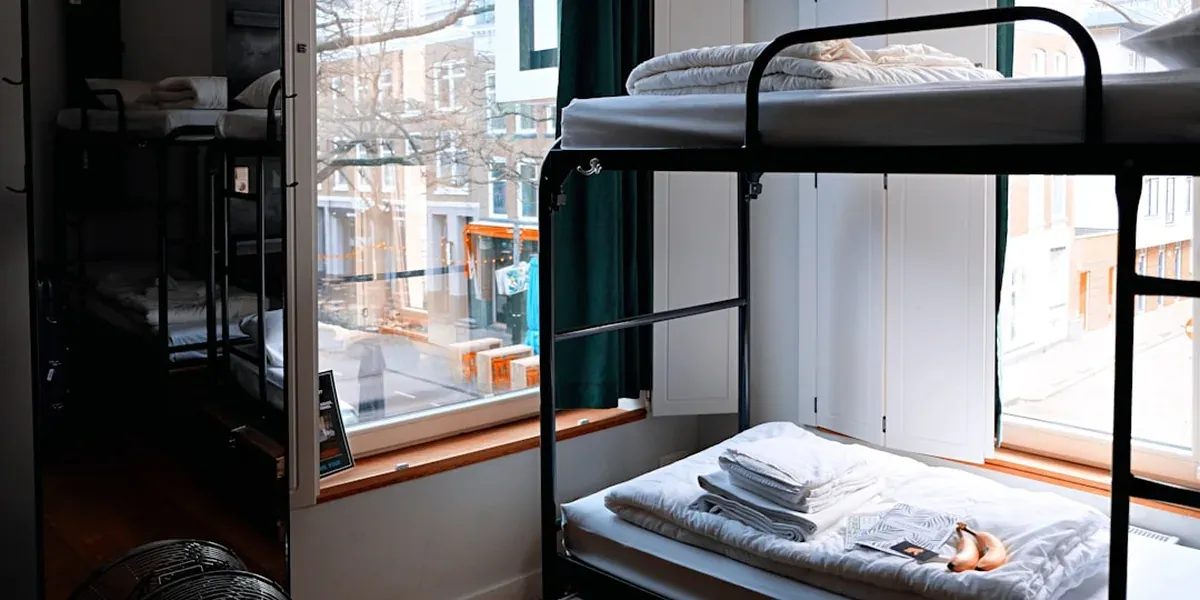
Hostels are the cheapest, easiest, and most social option for solo travelers. The Japanese hostel scene has matured significantly in the last 10 years. Most are clean, modern, design-focused, and have strong common areas.
The best hostel chains for solo travelers:
| Hostel | City | Dorm price | Vibe |
|---|---|---|---|
| Khaosan Tokyo Origami | Asakusa, Tokyo | ¥3,000–4,500 | Social, walking tours, the original “backpacker” hostel |
| Imano Tokyo Hostel | Shinjuku, Tokyo | ¥3,500–5,000 | Modern design, capsule-style dorms, near nightlife |
| Piece Hostel Sanjo | Kyoto | ¥3,200–4,500 | Design-focused, near Sanjo Station, social kitchen |
| The Stay Kyoto | Kyoto Station | ¥2,800–4,200 | Modern, near Kyoto Station, strong common area |
| Citan Hostel | Nihonbashi, Tokyo | ¥3,500–5,500 | Capsule + hostel hybrid, near Tokyo Station, work-friendly |
| Khaosan World Asakusa | Asakusa, Tokyo | ¥2,800–4,000 | Cheap, social, walking distance to Senso-ji |
| Hostel Mundo | Nagasaki | ¥2,500–3,800 | Small, well-located, good for solo city exploration |
| Imano Osaka Hostel | Shinsaibashi, Osaka | ¥3,000–4,500 | Modern, central, rooftop bar |
The booking strategy: Use Booking.com for the first stop (best cancellation, widest inventory), then book direct for repeat stays (5–10% member discounts). See the hotel booking guide for the full platform comparison.
Solo dorm etiquette in Japan:
- Don’t unpack widely — keep your bag on the shelf, not the floor
- Lights out by 10–11pm is the norm
- Quiet talking in the dorm room — go to the common area
- No shoes in the room (most have a shoe shelf at the door)
- Lockers for valuables — bring your own padlock or buy one at a 100-yen shop
Capsule Hotels — The Solo Travel Classic
Capsule hotels are a uniquely Japanese solo-travel accommodation. The pods are small (1.2m × 2m, mattress + light + power outlet), the bathrooms are shared, the lounge is often on a different floor, and the cost is ¥2,500–4,500/night.
The best capsule hotels for solo travelers:
| Capsule hotel | City | Price | Vibe |
|---|---|---|---|
| Nine Hours Shinjuku | Tokyo | ¥3,500–4,500 | The “designer” capsule, 24/7 entry, near Kabukicho |
| First Cabin Akihabara | Tokyo | ¥3,800–5,500 | ”First class” cabins (slightly more private), near Akihabara |
| Book Tea Bed | Asakusa, Tokyo | ¥3,500–5,000 | Capsule + book + tea, near Senso-ji |
| Capsule Hotel Anshin Oyado Premier | Shinjuku, Tokyo | ¥3,800–5,000 | Spa + capsule, free massage chairs, 24/7 sauna |
| The Millennials Fukuoka | Fukuoka | ¥3,500–5,000 | Modern capsule-hotel, near Canal City |
| Capsule Plus Yokohama | Yokohama | ¥3,200–4,500 | ”Capsule plus” with iPad check-in, near Sakuragicho |
Capsule hotel etiquette:
- Most are male-only or female-only. Mixed sections exist but are rare.
- Bring your own toiletries. Most provide towels, shampoo, body wash, and a yukata (robe).
- Tattoos may be refused at traditional capsule hotels. Tattoo-friendly options in the onsen budget guide.
- No talking in the capsule area. Quiet zones are strict.
For more capsule hotel details, see the hotel booking guide and the Tokyo budget guide.
Solo Ryokan — Yes, It’s Possible
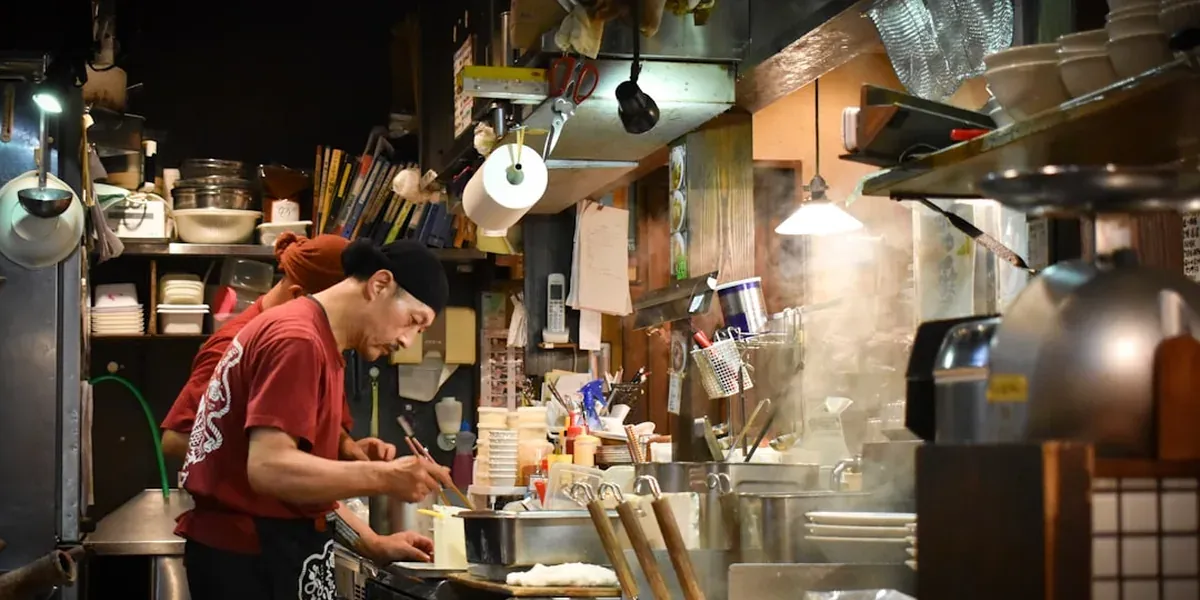
Most ryokan do charge a “single supplement” (¥2,000–5,000/night) for solo guests, but it’s usually less than the supplement in Europe. A few ryokan actively welcome solo travelers, and some have “solo rates” with shared dining.
Solo-friendly ryokan:
| Ryokan | Region | Solo supplement | Why it’s good |
|---|---|---|---|
| Tawaraya Ryokan | Kyoto | ¥3,000/night | The most famous ryokan, allows solo guests in off-season |
| Hoshinoya Karuizawa | Karuizawa | None for solo (1 room) | Mountain ryokan, dining tables for solo guests |
| Yama no Chaya | Hakone | ¥1,000/night | Onsen ryokan in Hakone, solo welcome |
| Nakanobo Zuien | Kobe (Arima Onsen) | ¥1,500/night | 700-year-old ryokan, accepts solo |
| Kawayu温泉 | Wakayama (Kumano) | None for solo | Hot spring by the river, often has solo hikers |
Solo ryokan etiquette:
- Most ryokan serve meals in a private dining room. Solo travelers usually eat alone.
- The onsen is mixed-gender at some, single-gender at others. Confirm at booking.
- Tattoos may be refused. Check the onsen budget guide for the tattoo policy.
- Most ryokan require check-in before 18:00 for the dinner service. Confirm at booking.
For more on ryokan booking, see the hotel booking guide.
Apartment Rentals — The Cheapest Long-Stay Option
For stays of 5+ nights, apartment rentals (Airbnb, monthly apartments) are often cheaper than hostels. The downsides: the Airbnb tax (10% in 2026, charged to guest) makes short stays expensive, and many listings have a 2-night minimum.
Solo apartment pricing (per night):
- Tokyo — ¥5,000–8,000 for a private studio
- Kyoto — ¥4,500–7,500 for a private studio
- Osaka — ¥4,000–6,500 for a private studio
For stays under 3 nights: Stick with hostels and capsule hotels.
For the full accommodation comparison, see the hotel booking guide.
Eating Solo in Japan: The Cultural Cheat Sheet
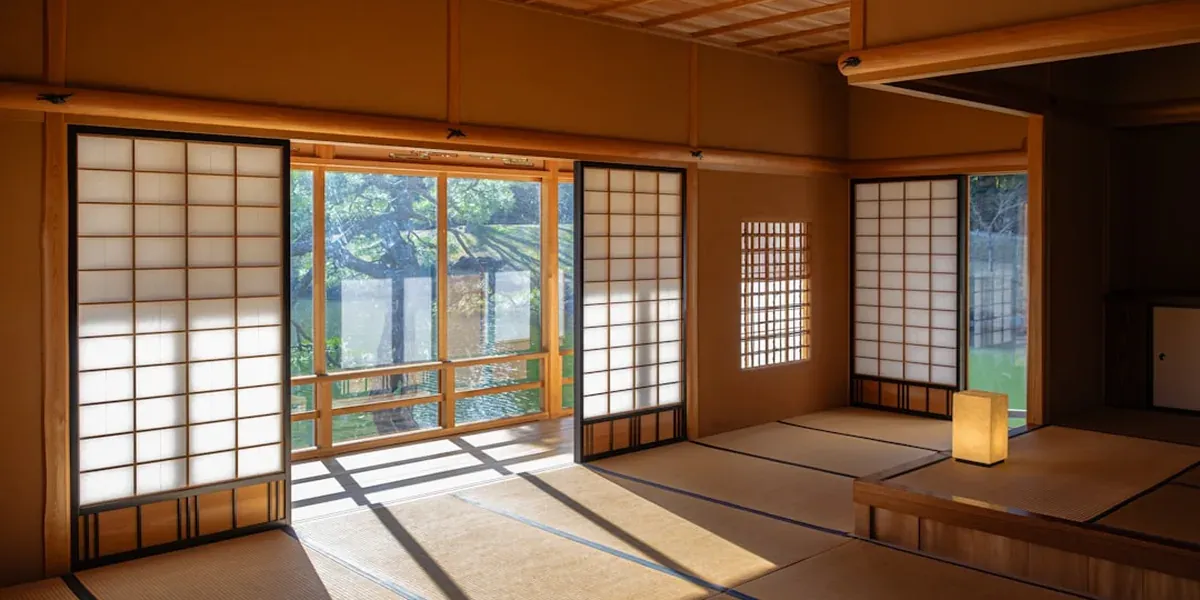
Eating alone in Japan is not just accepted — it’s normal. The “counter” (kauntā) at most restaurants is designed for solo diners, and many restaurants have signs explicitly stating “お一人様歓迎” (hitori-sama welcome, single customers welcome).
Where Solo Eating Is Easiest
Ramen shops — Almost all have counter seating. The “shichi-funkatsu” (7-minute rule) means most solo diners eat quickly and leave. The etiquette: order at the vending machine, sit at the counter, eat quickly, pay at the counter. ¥800–1,500/meal.
Sushi bars (kaiten-zushi) — Conveyor belt sushi is solo-friendly by design. Sit at the counter, take what you want, pay by plate count. ¥1,500–3,000/meal.
Yakitori shops — Counter-style, eat one skewer at a time, drink beer. ¥1,500–3,000/meal.
Udon/soba shops — Counter seating, fast, cheap. ¥500–1,200/meal.
Sushi counters (high-end) — The “sushiya” tradition is solo-diner-friendly. The “omakase” (chef’s choice) menu is designed for one. ¥3,000–10,000/meal.
Coffee shops — Most are solo-friendly, with single-person tables. ¥400–700 for coffee + light snack.
Family restaurants (famiresu) — Denny’s, Gusto, Saizeriya. Counter and booth seating. ¥800–1,500/meal. The 24-hour option is great for jet-lagged solo travelers.
Kombini (convenience stores) — The ultimate solo meal. Take it back to your hostel or eat at the in-store seating. ¥300–600/meal. See the konbini food guide.
Vending machine restaurants — Mostly ramen and udon. Order at the machine, sit at the counter, eat. ¥500–1,200/meal.
Where Solo Eating Is Harder (and What to Do)
Kaiseki ryokan — Multi-course traditional dinner, usually shared table. Solo travelers usually eat in a private room.
Yakiniku — Korean BBQ, traditionally a group activity. Solo at a counter is possible but the experience is different.
Omakase sushi (high-end) — Most are solo-friendly, but some are 2-person minimum. Confirm at booking.
The Solo Vegan Problem
If you’re a solo vegan, see the vegan budget guide. The summary: most vegan restaurants in Tokyo and Kyoto have counter seating, and the “okonomiyaki” and “takoyaki” vegetarian versions are solo-friendly at the counter.
For the full food strategy, see the konbini food guide and the Kyoto-Osaka street food guide.
The 10 Best Solo Day Trips from Tokyo
Solo day trips are the best use of a “free day” in Tokyo. The transport is designed for individuals, the destinations are solo-friendly, and the cost is low.
For more detail on each, see the Tokyo day trips hub.
| # | Day trip | Train time | Cost | Why it’s great for solo |
|---|---|---|---|---|
| 1 | Kamakura | 56 min | ¥1,800 | Beach + temples, lots of solo travelers, easy walking |
| 2 | Yokohama | 30 min | ¥800 | Modern, walkable, Chinatown, port views |
| 3 | Kawagoe | 30 min | ¥900 | ”Little Edo” — old town, easy to navigate, good food |
| 4 | Mt Takao | 50 min | ¥1,800 | Beginner hike, lots of solo hikers, onsen at the bottom |
| 5 | Nikko | 2 hours | ¥2,800 | UNESCO temples, scenic, easy walk |
| 6 | Hakone | 85 min | ¥3,200 | Onsen + Mt Fuji views + open-air museum, solo onsen-friendly |
| 7 | Nara | 80 min (Shinkansen) | ¥2,800 | Deer park + temples, easy walk, lots of solo travelers |
| 8 | Mt Fuji (5th station) | 2.5 hours | ¥4,500 | The “almost summit” view, no climbing required |
| 9 | Okutama | 2 hours | ¥1,800 | Real mountain hiking, free onsen, off-the-beaten-path |
| 10 | Kawaguchiko | 2.5 hours | ¥3,200 | Mt Fuji views, lake, cheap hostels if you stay overnight |
For more on Mt Fuji, see the Mt Fuji day trip budget guide.
For hiking day trips, see the Japan hiking budget guide.
Solo Safety: What to Actually Worry About
Japan has one of the lowest violent crime rates in the developed world. The actual safety concerns for solo travelers are mostly minor:
The “be worried about” list:
-
Petty theft in tourist areas. Roppongi, Kabukicho, and Akihabara have the highest rate of bar overcharges and pickpocketing. Keep your wallet in your front pocket, don’t follow touts, and be skeptical of “free” entry offers.
-
Missing the last train. Most Tokyo trains stop at 12:30am. Missing the last train is a real problem — taxis are expensive (¥3,000–8,000 to central Tokyo from the suburbs), and the all-night buses are slow. The fix: set a phone alarm for 11pm.
-
Drunk salarymen at night. Not a safety issue, but a “what just happened” issue. The salaryman passed out on the sidewalk is a meme, not a danger. Just walk around them.
-
Earthquakes. Japan has frequent small earthquakes (3.0–5.0 magnitude, several per year). The major earthquakes are rare (every 20–50 years). The actual risk: a few items falling off shelves. The major buildings are designed to survive 7+ magnitude. The phone emergency alert (Buzz) is real and works.
-
Typhoons. Late August to early October. The risk is transport cancellations and storm surge on the coast. Most hostels and hotels have typhoon protocols. The fix: check the Japan Meteorological Corporation website (jma.go.jp) and your hotel’s weather updates.
-
Lost passport. The 24/7 emergency line for the embassy in Tokyo: 03-3224-5000 (US), 03-5211-1100 (UK), 03-5562-5050 (Canada), 03-5232-5900 (Australia). Always carry a photocopy.
The “don’t worry about” list:
- Violent crime — extremely rare
- Hate crime — extremely rare
- Terrorism — extremely rare
- Scams in tourist areas — most tourist areas are safe
- Begging — culturally rare, almost nonexistent
Solo female safety: Japan is one of the safest countries in the world for solo female travel. The biggest risk is unwanted attention in nightlife districts (Roppongi, Kabukicho). The fix: stay in well-lit areas, take a taxi after midnight, and trust your gut. The “Ginza Line” (women-only car) is a separate concern — it’s for rush hour, not a safety concern.
For the full safety breakdown, see the Japan travel insurance 2026 guide.
The 7 Apps Every Solo Traveler Needs
For the full app list, see the travel apps guide. The 7 most useful for solo travelers:
- Google Maps — Transit, walking, driving. Works offline if you download Japan in advance.
- Google Translate — Image translation of menus. The killer feature for solo travelers.
- NAVITIME — Japan-specific transit, more accurate than Google for buses and rural trains.
- Suica/IC card (digital version on iPhone) — See the IC card guide.
- HappyCow — Vegan/vegetarian restaurants (if you have dietary restrictions).
- Uber — Useful as a backup when trains stop (typhoons, last train missed).
- Pocketalk / VoiceTra — Voice translation, useful for medical/pharmacy situations.
For eSIM, see the best eSIM Japan 2026 guide.
For money and ATM access, see the money in Japan 2026 guide.
Daily Solo Cost Breakdown (Tokyo, 2026)
| Category | Budget | Mid-range | Premium |
|---|---|---|---|
| Hostel dorm | ¥3,200 | — | — |
| Capsule hotel | — | ¥4,500 | — |
| Private room (business hotel) | — | — | ¥8,000 |
| Breakfast (konbini) | ¥400 | ¥800 | — |
| Breakfast (hotel/café) | — | — | ¥1,500 |
| Lunch (ramen/kombini) | ¥800 | ¥1,500 | ¥2,500 |
| Dinner (izakaya/restaurant) | ¥1,500 | ¥3,000 | ¥5,500 |
| Transport (subway + day trip) | ¥1,500 | ¥2,500 | ¥3,500 |
| Activities (museums, temples) | ¥500 | ¥1,500 | ¥3,000 |
| Drinks (1 beer, occasional) | ¥500 | ¥1,000 | ¥1,500 |
| Daily total | ¥8,400 | ¥14,800 | ¥25,500 |
| 7-day total | ¥58,800 | ¥103,600 | ¥178,500 |
The ultra-budget solo trip: 7 days, ¥58,800 = ~$400 USD. Hostels + konbini + 1 day trip + free activities.
The mid-range solo trip: 7 days, ¥103,600 = ~$700 USD. Capsule hotels + restaurants + 2 day trips + paid activities.
The premium solo trip: 7 days, ¥178,500 = ~$1,200 USD. Business hotels + restaurants + 3 day trips + ryokan 1 night.
For the full Japan trip cost, see the Japan trip cost 2026.
7-Day Solo Tokyo + Kyoto Itinerary (Under ¥70,000)
This is a classic 7-day solo route, designed for one, with no awkward single-supplements and minimal awkward group activities.
Day 1: Tokyo arrival + Asakusa (¥8,500)
- Morning: Arrival, Suica card, hostel check-in
- Afternoon: Asakusa + Senso-ji temple (free)
- Evening: Solo ramen dinner in Asakusa (¥900)
- Stay: Khaosan Tokyo Origami, dorm bed (¥3,800)
Day 2: Tokyo free walking + Shibuya (¥9,200)
- Morning: Meiji Shrine (free) + Yoyogi Park (free)
- Afternoon: Harajuku + Shibuya crossing + Hachiko
- Evening: Solo izakaya in Shibuya (¥1,800)
- Stay: Khaosan Tokyo Origami (¥3,800)
Day 3: Day trip to Kamakura (¥9,500)
- Full day: Kamakura Buddha + Hase-dera + beach
- Lunch: Shirasu (whitebait) rice bowl (¥1,200)
- Evening: Return to Tokyo, solo sushi in Shimbashi (¥1,800)
- Stay: Khaosan Tokyo Origami (¥3,800)
Day 4: Tokyo to Kyoto via Shinkansen (¥15,500)
- Morning: Tokyo → Kyoto (Shinkansen, ¥8,500)
- Afternoon: Kyoto Station + Higashiyama walk
- Evening: Solo shojin ryori (vegan-friendly) in Kyoto (¥2,800)
- Stay: Piece Hostel Sanjo, dorm (¥3,500)
Day 5: Kyoto temples (¥8,200)
- Morning: Fushimi Inari (free, the 1,000 torii gates)
- Afternoon: Kiyomizu-dera + Higashiyama walk
- Evening: Solo ramen near Kyoto Station (¥1,000)
- Stay: Piece Hostel Sanjo (¥3,500)
Day 6: Day trip to Nara (¥9,800)
- Full day: Nara Park deer + Todai-ji temple
- Lunch: Persimmon leaf sushi (¥1,500)
- Evening: Return to Kyoto, Pontocho alley walk
- Stay: Piece Hostel Sanjo (¥3,500)
Day 7: Kyoto to Tokyo + departure (¥7,500)
- Morning: Kyoto → Tokyo (Shinkansen, ¥8,500 — but if you have a JR Pass, free)
- Afternoon: Last-minute shopping in Shinjuku
- Evening: Departure
- Stay: None (departure day)
7-day total: ~¥68,200
This is “comfortable budget” — hostel dorms, konbini breakfasts, 1 nicer dinner per day, 2 day trips, and minimal paid activities. To bring it under ¥60,000, swap 2 more dinners for konbini food. To bring it over ¥100,000, add 1 ryokan night and 2 nicer dinners.
For more itineraries, see the 10-day Japan budget itinerary and the 2-week Japan budget itinerary.
Solo Etiquette: The 6 Cultural Rules
-
Don’t take photos of people without permission. Especially in kimono areas (Asakusa, Gion) and at small restaurants. The “Gion no photo” rule in Kyoto is enforced.
-
Be quiet on public transport. Japan trains are silent. No phone calls, no loud talking, no music without headphones. The “Manner Mode” setting on most phones.
-
Queue at the platform markings. Trains have specific queue positions. Stand in line, wait for people to exit, then board.
-
Shoes off indoors. At temples, ryokan, traditional restaurants, and most homes. The “shoe shelf” at the door is the marker.
-
Don’t tip. Tipping is not a Japanese custom. The 10–15% service charge (sometimes added to the bill) goes to the house. Trying to tip can confuse staff.
-
Be punctual. Trains run on time. Tours start on time. Restaurant reservations are exact. The “5 minutes early” rule applies.
For the full etiquette list, see the Japan budget mistakes guide and the Tokyo budget guide.
FAQ
Is Japan good for solo travel?
Yes, one of the best in the world. It’s extremely safe, the transport is solo-friendly, eating alone is culturally normal, and there’s a large solo-traveler community. Most budget travelers who go solo in Japan rate it 9/10 or higher for solo experience.
How much does a solo trip to Japan cost?
7 days, budget: ¥58,800 ($400 USD)
7 days, mid-range: ¥103,600 ($700 USD)
7 days, premium: ¥178,500 ($1,200 USD)
14 days, budget: ¥117,600 ($800 USD)
14 days, mid-range: ¥207,200 ($1,400 USD)
14 days, premium: ¥357,000 ($2,400 USD)
For the full breakdown, see the Japan trip cost 2026.
Is Japan safe for solo female travelers?
Yes, one of the safest in the world. The actual risk: unwanted attention in nightlife districts (Roppongi, Kabukicho), and the rare bar-scam. The fix: stay in well-lit areas, take a taxi after midnight, don’t follow touts. For more, see the safety section above.
Do I need a Japan Rail Pass for solo travel?
Sometimes. The 7-day JR Pass is ¥50,000. The break-even is 2 long-distance Shinkansen trips (Tokyo-Kyoto + Kyoto-Osaka = ~¥28,000). For a 7-day solo trip with 2 long-distance trips, the JR Pass pays off. See the JR Pass 2026 worth it guide for the full math.
What are the best cities for solo travel in Japan?
- Tokyo — Largest, most diverse, most English, most hostels, most solo travelers
- Kyoto — Most cultural, most walkable, best for solo temple visits
- Osaka — Most social, best food, best nightlife
- Fukuoka — Underrated, very solo-friendly, walkable, ¥3,000 hostels
- Hiroshima — Most meaningful day trip, easy from Osaka
- Nagasaki — Most under-touristed, beautiful, few solo travelers
For city budget breakdowns, see the Tokyo budget guide and the Fukuoka budget guide.
Can I do Mt Fuji as a solo traveler?
Yes. The Fuji huts welcome solo climbers. The Yoshida trail is the most popular. See the Mt Fuji day trip budget guide for the non-climbing options, and the Japan hiking budget guide for the climbing option.
Can I do a ryokan solo?
Yes, with some planning. Most ryokan accept solo travelers with a small single supplement (¥1,500–3,000/night). A few actively welcome solo (listed above). The cultural experience is the same — private tatami room, communal onsen, multi-course kaiseki dinner.
For more, see the hotel booking guide.
Is it weird to eat alone in Japan?
No, it’s culturally normal. The “counter” seating at most restaurants is designed for solo diners. Many restaurants explicitly welcome solo travelers with the “お一人様歓迎” sign.
For the full solo eating breakdown, see the eating section above.
How do I meet other travelers as a solo traveler?
- Hostel common areas — the most common meeting point
- Walking tours — free walking tours in Tokyo, Kyoto, Osaka
- Cooking classes — most cities have tourist cooking classes
- Pub crawls — Tokyo and Osaka have several
- Language exchange meetups — every city has these
- Day trips — popular ones like Kamakura, Mt Fuji, Nara attract solo travelers
For more, see the travel apps guide.
Should I book group tours as a solo traveler?
Depends on your style. Group tours in Japan are well-organized, often solo-friendly, and a good way to meet people. The downside: they’re expensive (¥8,000–15,000/day) and you give up flexibility. For day trips, group tours are usually worth it. For multi-day trips, hostels + day trips are usually cheaper.
Is Japan expensive compared to other Asian countries?
More expensive than Southeast Asia (Thailand, Vietnam, Indonesia), about the same as South Korea, less expensive than Singapore and Hong Kong. The main cost difference: accommodation. Japan hostels are ¥2,500–4,000/night; Thailand hostels are ¥600–1,500/night. Food and transport are similar.
Do I need Japanese to travel solo in Japan?
No, but it helps. Most hostels, hotels, and tourist restaurants have English. The transport system is in English. Google Translate handles the menu problem. The only place it matters: rural Japan (Kumano Kodo, Kamikochi, small towns). For those, a translation app is essential.
What if I get sick as a solo traveler in Japan?
Pharmacies (ドラッグストア) are everywhere, most staff speak some English, and the over-the-counter medication is comprehensive. For more serious issues: most hotels can call a doctor, the major cities have English-speaking clinics, and the Japan National Tourism Organization has a 24/7 hotline (050-3816-2787).
For travel insurance, see the Japan travel insurance 2026 guide.
Can I travel solo in Japan on a working holiday visa?
Yes. The Japan Working Holiday visa is available for many countries (US, UK, Canada, Australia, NZ, Ireland, Germany, France, Korea, Hong Kong, Taiwan, etc.) and allows 1 year of stay. The catch: it’s mostly for English teaching or hospitality work, and the pay is modest. For a budget travel-only trip, the regular tourist visa is enough.
Is Japan solo travel safe for LGBTQ+ travelers?
Yes, mostly. Japan is generally tolerant of LGBTQ+ travelers. Tokyo has a large Shinjuku Ni-chome gay district. Same-sex marriage is not legally recognized nationally, but some wards (Shibuya, Setagaya) issue partnership certificates. The actual safety: high. The cultural visibility: lower than Western countries, but no hostility.
For more, see the Japan budget guide and the Japan travel apps 2026 guide.
Plan Your Solo Japan Trip
Solo travel in Japan is one of the most rewarding ways to see the country. The combination of safety, transport, food culture, and budget makes it a strong first solo trip for first-timers and a reliable repeat destination for experienced travelers.
The 4-step recap:
- Stay in hostels and capsule hotels — under ¥4,000/night, social, designed for solo
- Take day trips from Tokyo — Kamakura, Mt Takao, Hakone, Mt Fuji, Nara (all under ¥4,000)
- Eat alone confidently — counter seating, ramen shops, sushi bars are all designed for solo diners
- Use the apps — Google Maps, Google Translate, NAVITIME, Suica — they’re why solo travel in Japan works
For the rest of the trip — where to stay, how to get around, what to eat, and how to keep the daily total under ¥10,000 — see the hotel booking guide, the Tokyo day trips hub, the Mt Fuji day trip budget guide, the vegan budget guide, the onsen budget guide, the Japan travel apps 2026 guide, the 10-day Japan budget itinerary, and the Japan budget guide.