Nikko Day Trip From Tokyo on a Budget 2026: Toshogu, Kegon Falls & the Cheapest Route
Nikko day trip from Tokyo on a budget — Tobu train from Asakusa for ¥2,800 round-trip, Toshogu shrine ¥1,300, Kegon Falls and Lake Chuzenji, plus an honest all-area pass breakdown. Full day under ¥5,500.
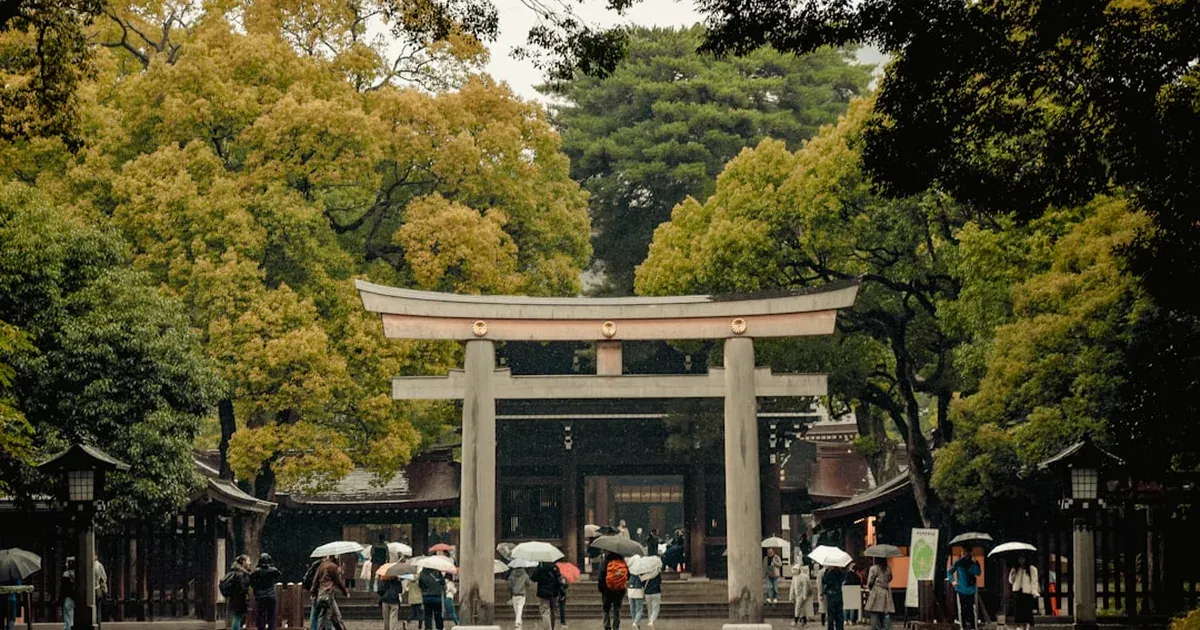
The short answer: Nikko is the most rewarding nature-and-temple day trip from Tokyo that most travelers skip. The cheapest route is the Tobu Railway from Asakusa (¥2,800 round-trip, 2 hours each way). Toshogu Shrine costs ¥1,300 and is UNESCO-listed. Adding Lake Chuzenji and Kegon Falls is doable in one day if you leave Tokyo by 7:30am. Full day budget, including transport, shrine entries, lunch, and the bus up to the lake: ¥4,800–6,500.
Nikko at a Glance
- From Tokyo (Asakusa) by Tobu Railway: 2 hours each way, ¥2,800 round-trip
- From Tokyo (Shinjuku) by JR + Tobu: 2 hours 15 minutes, ¥5,160 round-trip (covered by JR Pass)
- Toshogu Shrine (UNESCO): ¥1,300 combined ticket
- Kegon Falls: Free viewing from platform (¥1,000 to descend to the bottom)
- Lake Chuzenji: Free
- Full day budget (no pass): ¥4,800–6,500 including return transport, all entries, lunch, and bus up to the lake
- Full day budget with the All-Area Pass: ¥6,080 (¥4,280 pass + ¥1,300 Toshogu + ¥500 misc)
- Days needed: 1 full day (8–10 hours)
Nikko is the third classic Tokyo day trip after Kamakura and Hakone — and arguably the most underrated. Kamakura delivers temples and a beach. Hakone delivers mountains and onsen. Nikko delivers both: a UNESCO shrine complex carved with mythological figures AND a volcanic lake at the top of a winding mountain road. The combination is what most travelers go to Kyoto for, but without the Kyoto crowds.
This is the natural companion to the Tokyo day trips hub and fits at the end of a 5-day Tokyo itinerary when you’re ready to escape the urban density.
Getting to Nikko From Tokyo — Three Honest Options
The biggest decision is Tobu Railway vs. JR. Both work, but the math is very different.
Option 1 — Tobu Railway from Asakusa (the budget choice)
The Tobu Nikko Line runs from Asakusa Station in central Tokyo directly to Tobu-Nikko Station in 2 hours via the limited express. The Tobu Nikko all-area round-trip ticket costs ¥2,800 and is sold at the Tobu tourist desk on the B1F of Asakusa Station.
The 2,800 ticket also covers:
- Round-trip Tobu limited express Asakusa ↔ Tobu-Nikko
- Unlimited rides on Tobu buses between Nikko stations and the Lake Chuzenji / Kegon Falls area
It’s the cheapest legitimate way to reach Nikko. No JR Pass required. No reservation scramble. Trains run hourly.
The catch: The 2-hour ride is on the Tobu limited express — comfortable but reserved seats cost extra (¥500–900 each way). The non-reserved car works fine if you board at Asakusa before 8am.
Option 2 — JR + Tobu with the All-Area Pass
The Nikko All-Area Pass costs ¥4,280 and covers:
- JR trains anywhere in the Kanto region (Tokyo ↔ Utsunomiya)
- Tobu trains anywhere in Nikko
- Tobu buses to Lake Chuzenji, Kegon Falls, and Ryuzu Falls
- Discounts at 30+ partner attractions
The math: The Pass saves money only if you take Tobu buses 3+ times AND add JR travel (for example, if you’re staying in Shinjuku and want one ride from there). Most travelers staying in Asakusa/Ueno/Tokyo Station area get the same result from the basic ¥2,800 Tobu round-trip ticket. For more on JR Pass logic, see the JR Pass 2026 worth it guide.
BudgetYen recommendation: Asakusa-based travelers → Tobu round-trip ticket (¥2,800). Shinjuku-based travelers with a JR Pass → JR to Utsunomiya then Tobu (¥0 incremental transport). Everyone else → compare the ¥4,280 All-Area Pass to your planned Tobu bus rides before buying.
Option 3 — Highway bus (rare, slow, scenic)
Willer Express and JR Bus run direct buses from Shinjuku/Bus Terminal Shinjuku (Busta) to Tobu-Nikko for ¥3,500–4,200 each way depending on time. It’s a 2.5–3 hour ride through the mountains and a peaceful option, but at ¥7,000+ round-trip it costs more than the Tobu train. Skip unless you specifically want to avoid trains.
For transit setup in Tokyo, see the IC card comparison guide for what to tap on the buses (regular Tobu buses accept IC cards; the all-area round-trip ticket is paper-based).
The Two Halves of Nikko — Choosing What to See
Nikko is two destinations bundled into one town. Most travelers confuse them and end up only seeing the easier half.
Lower Nikko (the shrine complex): Toshogu, Futarasan Shrine, Rinnoji Temple, the Shinkyo Sacred Bridge. All walkable from Tobu-Nikko or JR Nikko stations. 3–5 hours easily. This is what “Nikko” means to most visitors.
Upper Nikko (the mountain area): Lake Chuzenji, Kegon Falls, Ryuzu Falls, Mt. Nantai views, the Akechidaira observation deck. Reachable only by Tobu bus up a winding 8-km mountain road (¥1,150 one-way from Tobu-Nikko Station to Chuzenji). Allow 3–4 hours plus bus travel.
The classic combo day: Lower Nikko in the morning (Toshogu before tour groups), bus up to Lake Chuzenji after lunch, Kegon Falls, return bus, train back to Tokyo. It works in one day — but only if you start by 7:30am.
If you only have half a day: Do Lower Nikko only. The shrine complex is the UNESCO site; the mountain is the bonus.
For more on how Nikko combines with other Tokyo days, see the 2-week Japan budget itinerary (Days 5–6 cover Tokyo day trips) and the Tokyo budget guide for what to skip in Nikko if rushed.
Toshogu Shrine — The UNESCO-Listed Masterpiece (¥1,300)
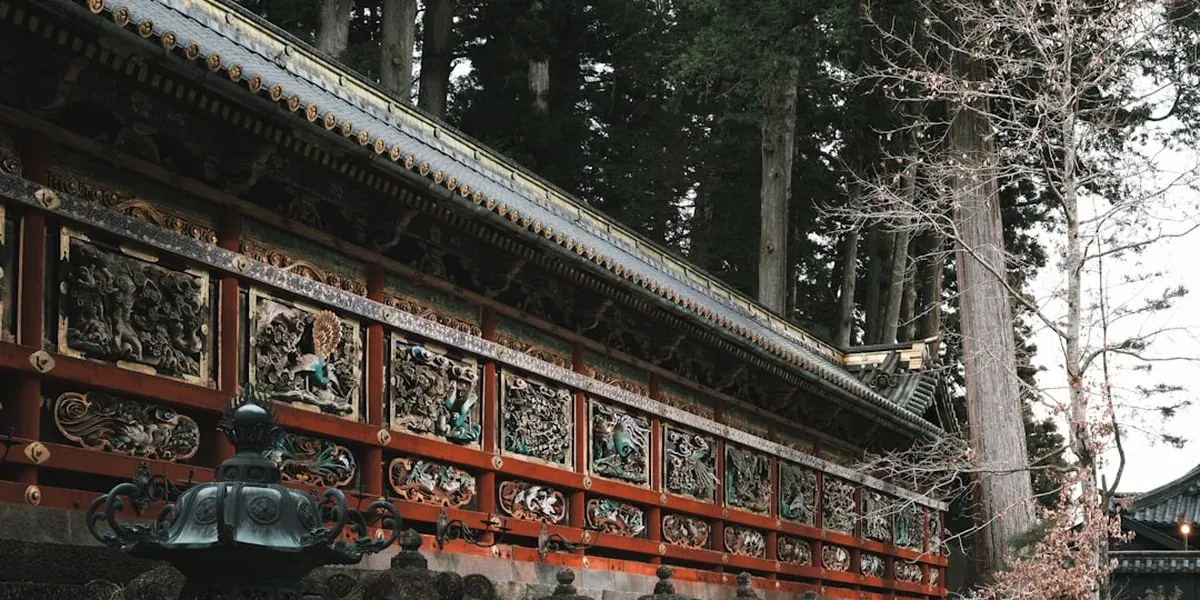
Toshogu is the most lavishly decorated shrine in Japan. It was built in the 1600s as the mausoleum of Tokugawa Ieyasu (the founder of the Tokugawa Shogunate), and 15,000 artisans carved the woodwork, painted the lacquer, and laid the gold leaf over 18 years.
The ¥1,300 combined ticket covers:
- Toshogu main shrine with the famous Yomeimon Gate (the most ornate gate in Japan — 512 carvings, 24 named figures including the “see no evil / hear no evil / speak no evil” monkeys)
- The tomb of Tokugawa Ieyasu (a climb up stone steps through a forest — peaceful, often empty)
- The Honji period art museum (small but worth 10 minutes)
What’s NOT covered: The treasury house (¥500) and the Rinnoji Temple separate ticket (¥1,000, but most visitors skip it).
Timing: Opens at 8:00am. The first hour has the best light on the Yomeimon Gate (east-facing). By 11am, every staircase is a one-way queue. Plan to be at the gate by 9:30am.
The honest detail: Toshogu’s famous “sleeping cat” carving (Nemuri-neko) is a 5-minute detour from the main gate. 80% of visitors miss it because the sign is small. Look for the wooden staircase on the left as you exit the inner gate; the carving is up a hill past two torii.
What it costs inside: The shrine grounds and main gate are paid. The approach path from the stone-pillared entrance bridge is free and gives you the UNESCO-style architecture without the ticket — but the carved figures on the gate are the reason to come, so the ¥1,300 is worth it.
For more on shrine etiquette, see the Japan budget packing list — comfortable walking shoes are essential on the uneven stone approaches. For context on how Toshogu compares to Kyoto’s shrines, see the Kyoto free things guide.
The Shinkyo Sacred Bridge — What You’re Looking At From the Free Side
Before entering the shrine grounds, you’ll cross (or photograph) the Shinkyo Bridge — the iconic red-lacquered wooden bridge that spans the Daiya River. It’s been the entrance to the Toshogu complex since 1636.
The Shinkyo Sacred Bridge — What You’re Looking At From the Free Side
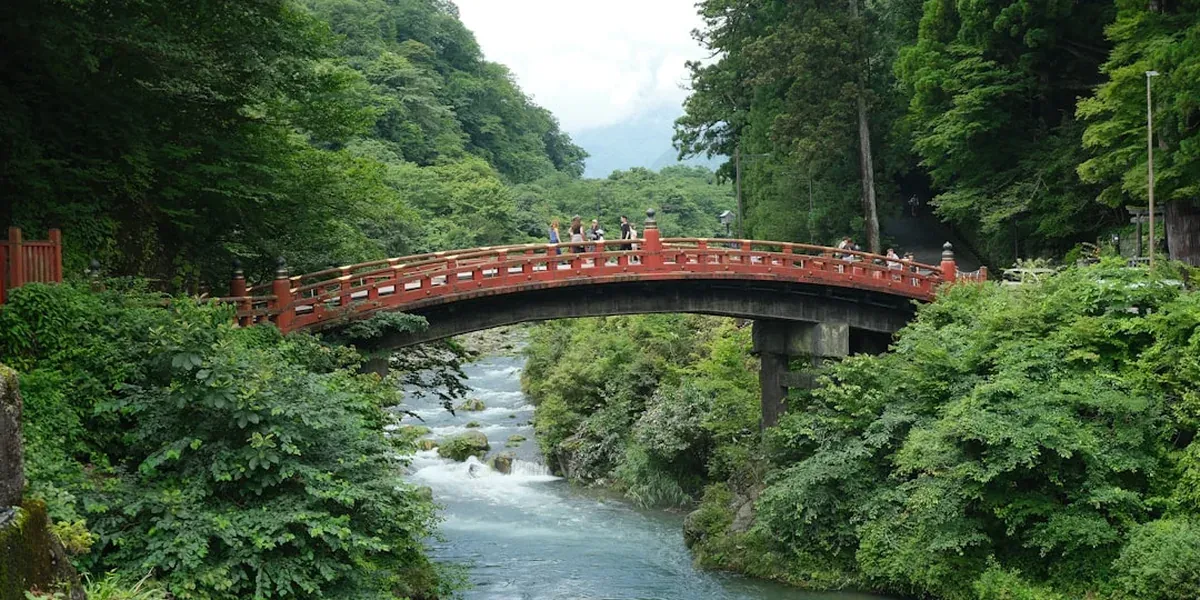
The bridge costs ¥500 to walk across. The free view from the side road at the bus stop is the same composition most postcards use. For budget travelers, the ¥500 is one of the easier skips — unless crossing the bridge is on your Japan bucket list.
If you do skip the crossing, at least walk to the side road 30 meters east of the bridge approach — it gives you a clear photo angle with the bridge, the river, and the mountain forest behind. Same composition, no entry fee.
The Lake Chuzenji + Kegon Falls Half Day
This is where Nikko surprises people. Most arrive expecting “just shrines” and find a volcanic mountain lake at the end of a winding cliff road.
The bus up — Tobu bus to Chuzenji
The Tobu bus from Tobu-Nikko Station to Chuzenji (Lake Chuzenji Onsen bus stop) costs ¥1,150 one-way and takes 50 minutes. Buses run every 30 minutes. The bus is covered by both the ¥2,800 Tobu round-trip ticket and the ¥4,280 All-Area Pass.
If you’re on the ¥1,150-per-ride math, round-trip is ¥2,300 just for the bus. Once you include the train (¥2,800) and Toshogu (¥1,300), the day is approaching ¥7,000 before lunch. The All-Area Pass becomes the cheaper choice once you add any mountain bus ride.
Lake Chuzenji — free
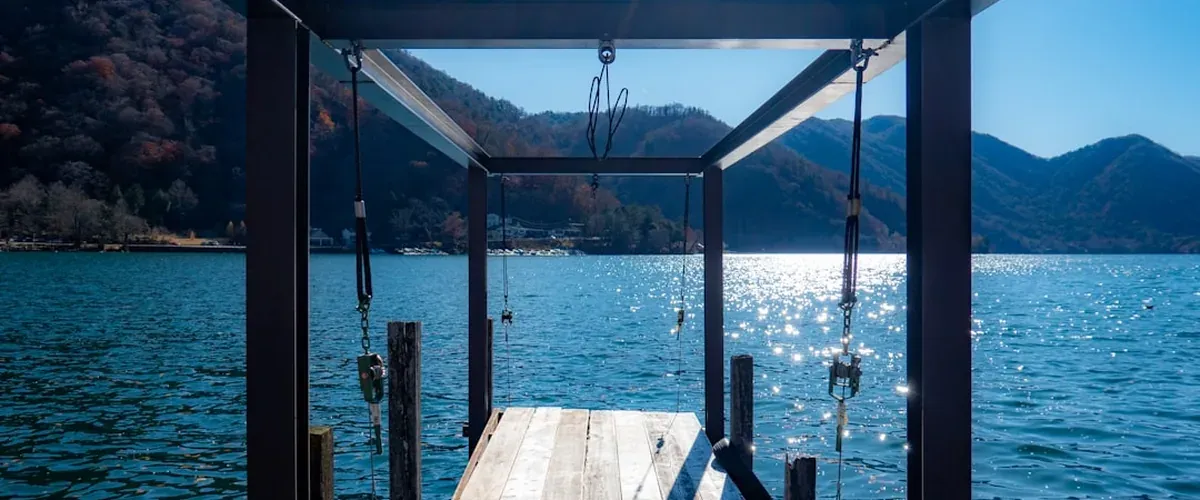
The lake is roughly 25km around. Most visitors walk the 10-minute stretch from the Chuzenji bus stop to the Kegon Falls viewing platform. The lake surface is at 1,269 meters elevation — about 10°C cooler than Tokyo in summer, which is part of why it’s a popular summer escape.
In autumn (late October to mid-November) the lakeside maple and beech trees light up in red and gold. The view from the Akechidaira observation deck (10 minutes by car from the lake) is one of the most photographed autumn foliage shots in Japan. For timing, see the autumn foliage budget guide.
Kegon Falls — free from the platform (¥1,000 to descend)
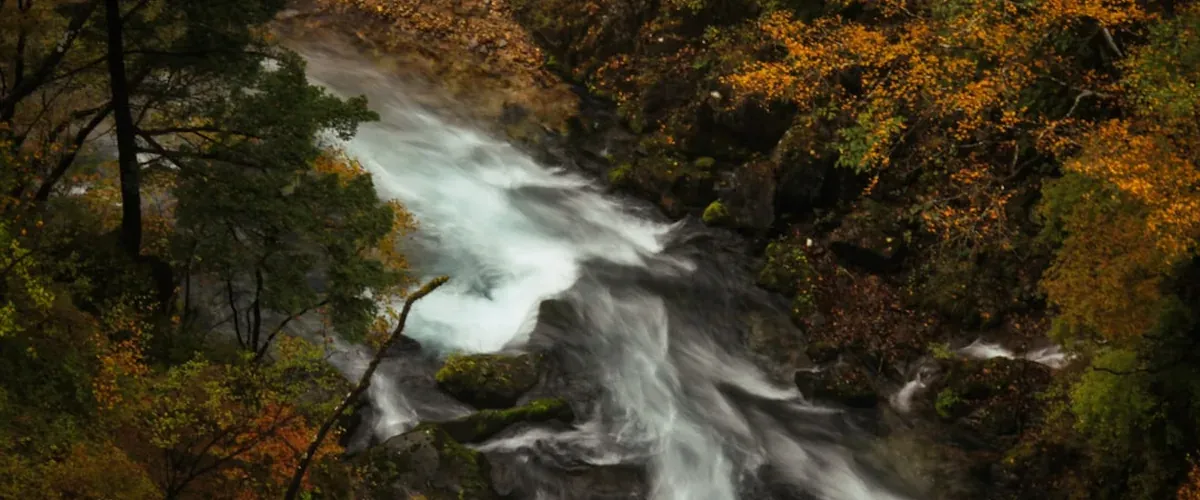
Kegon Falls is a 97-meter waterfall that drops into the Daiya River gorge below. The top viewing platform is free and a 10-minute walk from the Chuzenji bus stop. From the platform you can see the falls dropping into the gorge and the autumn colors below — depending on season.
The Kegon Falls elevator (¥1,000 round-trip) descends to the bottom of the falls. The view from the bottom is impressive but the platform is small and crowded in peak season. Skip it in autumn — the colors are better from the top platform, and the elevator queue can be 30+ minutes on weekends.
Ryuzu Falls — the quieter alternative
If Kegon Falls is too crowded (or you’re coming in non-foliage season when the top platform view is less dramatic), Ryuzu Falls is 10 minutes further up the mountain road by bus. It’s the “dragon’s head” waterfall — wider, shorter, and almost always empty. Free to view, with a 5-minute nature walk around the basin.
Where to Eat in Nikko on a Budget
The Nikko shrine area has the usual Japanese tourist trap density: yuba (tofu skin) restaurants with ¥2,500+ set lunches aimed at tour groups. You don’t need them.
What to actually eat:
-
Yuba (tofu skin) sushi — ¥300–500 per piece at souvenir stalls near the Shinkyo Bridge. The local specialty. If you only try one Nikko food, try this. Vendors set up daily on the approach to the bridge.
-
Konbini lunch — ¥400–700. Both 7-Eleven and Lawson have branches within 5 minutes walk of Tobu-Nikko Station. The classic budget strategy — same as everywhere else in Japan. See the convenience store food guide for the best picks.
-
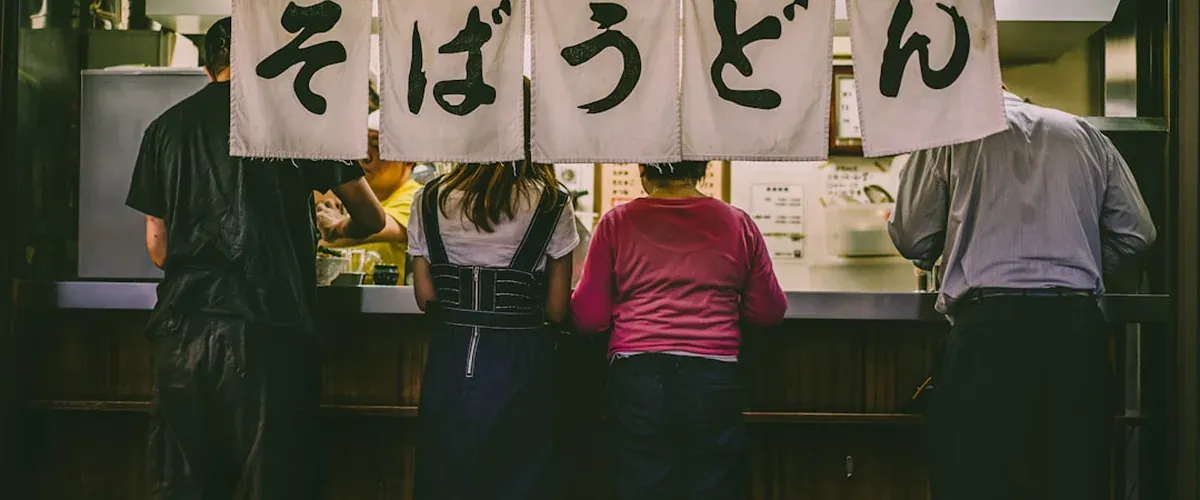
Standing soba at the station — ¥500–900. Tobu-Nikko Station has a small noodle counter in the tourist area. ¥600 gets you hot soba after the shrine climb.
-
Yuba manju — ¥250. Sweet buns stuffed with tofu-skin paste. Sold at every souvenir stall in lower Nikko. Cheap and traditional.
For full Japan eating strategy including how Nikko fits into a Tokyo food budget, see the trip cost 2026 guide.
The Nikko Day Budget Breakdown
A budget Nikko day including transport, shrine entries, the bus to the lake, lunch, and souvenirs: ¥4,800–6,500 per person. The high end includes the All-Area Pass.
Budget version (Asakusa base, ¥2,800 Tobu ticket)
7:30am   Tobu limited express from Asakusa (¥2,800 round-trip ticket)
9:32am   Arrive Tobu-Nikko Station
9:45am   Konbini breakfast — eaten on station bench (¥400)
10:00am  Walk + bus to Toshogu Shrine (¥200)
10:15am  Toshogu main shrine + Yomeimon Gate (¥1,300)
12:00pm  Lunch yuba sushi + manju (¥700)
12:45pm  Tobu bus to Lake Chuzenji (¥1,150, included in ticket)
1:35pm   Arrive Chuzenji — walk to Kegon Falls platform (free)
2:30pm   Ryuzu Falls by bus (¥200, included in ticket)
3:15pm   Tobu bus back to Tobu-Nikko Station (included in ticket)
3:30pm   Option: Shinkyo Bridge viewpoint + souvenir (¥300)
4:00pm   Tobu limited express back to Tokyo (ticket)
6:00pm   Arrive Asakusa
Total: ¥4,850. Realistically ¥5,000–5,500 with a couple of ¥300–500 extras.
All-Area Pass version (¥4,280 pass)
Same schedule, but the ¥4,280 pass replaces the ¥2,800 train ticket
Plus unlimited Tobu bus rides (rather than only round-trip)
Plus future re-use (pass is valid 4 days, can be used for another day trip)
The All-Area Pass costs ¥1,480 more than the basic ticket, but it gives unlimited buses and 4 days of validity. It’s the better choice if you’re combining Nikko with another Tobu-area trip (Kinugawa Onsen, Kawagoe, or a return visit).
| Cost item | Budget version | All-Area Pass version |
|---|---|---|
| Round-trip transport | ¥2,800 (Tobu ticket) | ¥4,280 (All-Area Pass) |
| Toshogu entry | ¥1,300 | ¥1,300 |
| Tobu buses (round trip) | ¥0 (covered by ticket) | ¥0 (covered by pass) |
| Lunch + snack | ¥1,100 | ¥1,100 |
| Day total | ¥5,200 | ¥6,680 |
For the All-Area Pass to break even: take a second day trip, or use the included buses for a Yumoto Onsen detour. Otherwise the basic ¥2,800 Tobu ticket wins. For onsen day trip comparison, see the onsen budget guide.
Nikko in Autumn — When to Go and How to Plan
Mid-October to mid-November is Nikko’s peak season. The mountain foliage colors (koyo) start at the lake around October 15 and work down to the shrine complex by November 5. The combination of UNESCO shrine architecture against red maple trees is one of the most photographed autumn scenes in Japan.
Pros: Spectacular colors. Cool hiking weather. Free access to mountain views.
Cons: Crowds double. Tobu buses to the lake have 30–45 minute queues on weekends. Hotels in Nikko town sell out 1–2 months ahead.
Budget strategy for autumn: Visit on a weekday if your schedule allows. October weekday mornings are 50% less crowded than November weekend mornings at Irohazaka Road (the winding mountain road).
For complete foliage timing across Japan, see the autumn foliage budget guide. For transport optimization, see the travel apps guide — Google Maps shows live bus times for Tobu buses.
How Nikko Fits Into Your Tokyo Trip
Nikko is a 10–11 hour day from Tokyo. The most common placement is Day 5 of a 5-day Tokyo itinerary — when you’ve covered central Tokyo and want one substantial escape before heading to Kyoto.
What to do on Day 4 (the day before): Stay in Tokyo — see the free things to do in Tokyo guide for ideas worth combining with the Nikko trip plan. The Tokyo neighborhoods guide recommends Asakusa as the best base specifically because Tobu Nikko trains depart from Asakusa Station.
What to do on Day 6 (the day after): The Tokyo to Kyoto budget guide covers the cheapest transitions to Kyoto. Most travelers use the night after Nikko to repack and move on.
Three-day Tokyo variant for Nikko lovers: Stay 3 nights in Asakusa (Tobu train base). Day 1: Asakusa + Senso-ji (free). Day 2: Nikko full day. Day 3: Shibuya + Shinjuku departure. Detailed planning: the 10-day Japan budget itinerary uses exactly this structure.
Where to Stay If You Want an Overnight
Most Tokyo-based visitors do Nikko as a day trip from Tokyo. But two reasons to stay overnight:
1. You’re doing both Nikko AND Kinugawa Onsen. Kinugawa Onsen is 30 minutes further from Tobu-Nikko Station and has ¥3,000–5,000 ryokan with evening kaiseki dinner and a private onsen. It’s a legitimate “two nights in Nikko” trip with a full day in each. See the onsen budget guide for ryokan booking strategy.
2. You’re chasing autumn foliage with a sunrise plan. Sunrise from the Akechidaira observation deck is one of the most extraordinary autumn experiences in Japan. It requires either an early bus (first bus 5:30am) or staying overnight near Lake Chuzenji. The cheapest option is a ryokan at Chuzenji Onsen (¥6,000–10,000 with dinner).
For hotel booking strategies at any price point, see the hotel booking guide. For solo travelers specifically, the solo travel guide rates Nikko as one of the safest and most solo-friendly day trips from Tokyo.
What to Skip in Nikko
Three things look reasonable but waste time or money:
1. The Rinnoji Temple separate ticket (¥1,000). The temple building itself is unremarkable compared to Toshogu. Skip unless you’re a temple-specific researcher.
2. The Nikko Edo Wonderland theme park. Not Nikko’s cultural tradition — a separate, expensive experience aimed at families. Skip unless you’re specifically traveling with kids who love Edo period theme parks (in which case see the Japan family budget guide).
3. Kegon Falls elevator (¥1,000 round-trip). The view from the bottom is the same falls, smaller angle. The free top platform has the dramatic wide composition. Skip in autumn (the platform is the entire reason to come).
Frequently Asked Questions
How much does a Nikko day trip from Tokyo cost?
A budget Nikko day trip costs ¥4,800–6,500 per person including round-trip Tobu train (¥2,800), Toshogu entry (¥1,300), bus to Lake Chuzenji (included), and konbini or soba lunch. With the All-Area Pass (¥4,280) it costs ¥5,800–7,200. Both versions include Kegon Falls viewing.
How do I get from Tokyo to Nikko?
The cheapest route is the Tobu Railway limited express from Asakusa Station — 2 hours, ¥2,800 round-trip with the all-area Tobu ticket sold at Asakusa. JR Pass holders can take the JR Shinkansen to Utsunomiya (covered) then Tobu to Nikko (¥780 each way). Highway buses run ¥3,500–4,200 each way but take 2.5–3 hours.
Is Nikko worth visiting in autumn?
Yes — Nikko’s mid-October to mid-November foliage is one of Japan’s top three koyo destinations. The combination of UNESCO shrine architecture against red maples and the mountain lake views from Akechidaira are worth the weekend crowds. Visit on a weekday to avoid the peak weekend queues.
Can you do Toshogu and Lake Chuzenji in one day?
Yes — that’s the classic Nikko itinerary. Leave Tokyo by 7:30am, arrive Tobu-Nikko by 9:32am. Toshogu from 10am–noon. Bus up to Chuzenji (50 minutes, ¥1,150). Walk to Kegon Falls (10 minutes). Bus back to Tobu-Nikko (50 minutes). Train back to Tokyo by 6pm. Total: 10–11 hours.
Is the Nikko All-Area Pass worth it?
For most visitors staying in Asakusa who only do Nikko in a day — no. The basic ¥2,800 Tobu round-trip ticket covers everything except the JR ride to Utsunomiya. The ¥4,280 All-Area Pass only pays off if you’re (a) coming from Shinjuku via JR, (b) planning an overnight in Kinugawa Onsen, (c) using the Tobu buses 3+ times in different directions, or (d) returning within 4 days for a second Tobu trip.
What’s the best season to visit Nikko?
Mid-October to mid-November for autumn foliage. Late March to mid-April for cherry blossoms (later than Tokyo by 2 weeks). Summer (July–August) for escaping Tokyo heat. Winter (December–February) for empty shrines and the chance of snow on the lake. Avoid Golden Week (April 29–May 5) — Nikko is one of the most crowded destinations in Japan that week.
Can I see Mount Fuji from Nikko?
Occasionally. On clear autumn or winter mornings, you can see Mt. Fuji from the Akechidaira observation deck — but only on roughly 20–30 days per year when atmospheric conditions cooperate. Don’t plan your Nikko day around this. For reliable Fuji views, see the Mt Fuji day trip budget guide.
How does Nikko compare to Kamakura or Hakone?
| Nikko | Kamakura | Hakone | |
|---|---|---|---|
| Total budget cost | ¥4,800–6,500 | ¥3,000–5,000 | ¥5,500–8,000 |
| Main draw | UNESCO shrine + lake | Temples + beach | Volcano + onsen + Fuji views |
| Best season | Autumn, cherry blossom | June (hydrangeas), autumn | Winter (Fuji), autumn |
| Walking required | Moderate | Significant (10,000+ steps) | Minimal |
| Crowded | Heavy on autumn weekends | Moderate | Heavy on weekends |
| For first-timers | Essential — unique in Japan | Essential — most iconic temples | Essential — most dramatic scenery |
All three are worth doing on a 7+ day Tokyo stay. Pick two if you only have 2 day trips. Full comparison: Tokyo day trips hub.
Is there luggage storage at Tobu-Nikko Station?
Yes — coin lockers (¥300–500) at Tobu-Nikko and JR Nikko stations. Bring a small day pack with only the essentials — wallet, IC card, water, poncho. See the Japan budget packing list for the day trip gear shortlist.
Prices correct as of August 2026. Exchange rate approximately ¥150 = $1 USD.