Sapporo & Hokkaido Budget Guide 2026: Skiing, Snow Festival, Lavender & the Cheapest Way to Do Japan's North
A 2026 budget guide to Sapporo and Hokkaido — flights from Tokyo for ¥6,000–10,000, Sapporo Snow Festival (free), Niseko and Furano skiing on ¥8,000/day, lavender fields in Furano, and the cheapest way to do Japan's north island.
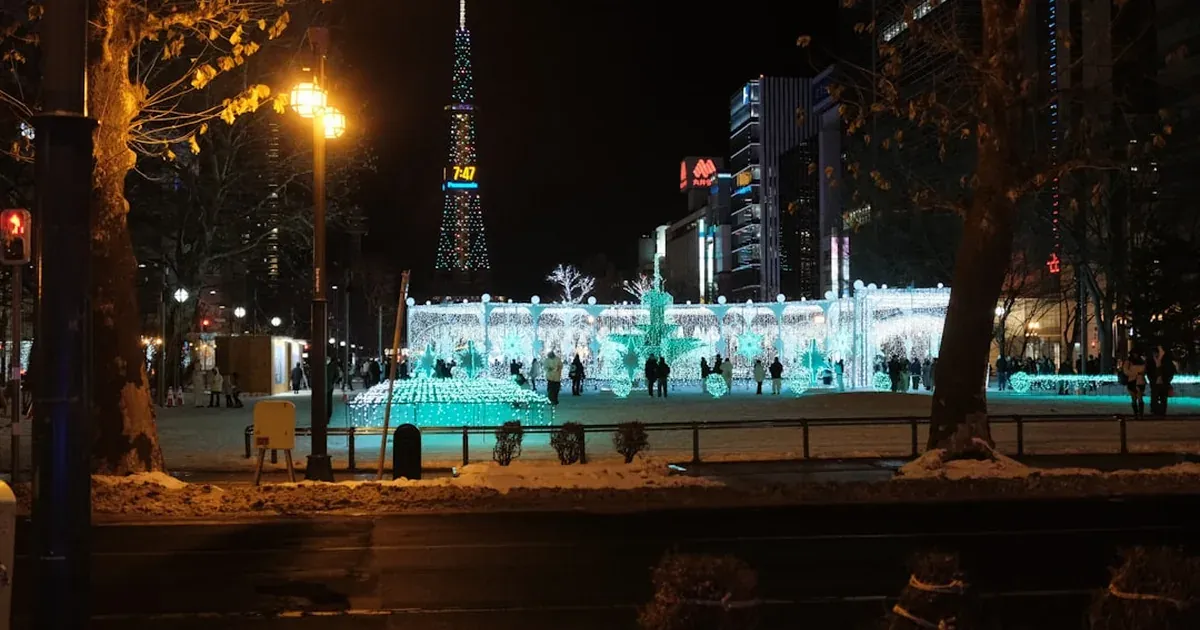
The short answer: Sapporo and Hokkaido are the most underrated major destination in Japan — and the cheapest way to escape Tokyo/Kyoto crowds. Flights from Tokyo to Sapporo are ¥6,000–10,000 (1h 30min, often cheaper than the Shinkansen+hotel route to anywhere). The Sapporo Snow Festival (early February) is free and one of Japan’s top three winter events. Niseko powder skiing is ¥8,000–12,000/day (vs. ¥15,000–25,000 in Hakuba or Nozawa Onsen). Furano lavender fields are free in July. A 5-day Hokkaido trip (Sapporo + Otaru + day trips) costs ¥85,000–110,000 per person including flights, accommodation, food, and one ski day — 20–30% cheaper than an equivalent Tokyo+Kyoto+Osaka trip.
Hokkaido is Japan’s northernmost main island, larger than Ireland, with 5.2 million people (vs. Tokyo’s 14 million). It’s the only region of Japan with sub-arctic winters, alpine skiing, lavender farms, active volcanoes, and a distinct food culture (miso ramen, soup curry, fresh seafood, dairy). Most first-time visitors to Japan skip it — which is exactly why it’s worth visiting.
This guide covers how to get there cheaply, where to base, what to do in each season, and the cheapest routes for Sapporo, Otaru, Niseko, Furano, and Asahikawa.
Hokkaido at a Glance
- Flight Tokyo → Sapporo (New Chitose): ¥6,000–10,000 one-way, 1h 30min (Jetstar, Peach, Spring Japan)
- Flight Osaka → Sapporo: ¥7,000–12,000 one-way, 2h 10min
- Shinkansen Tokyo → Hokkaido: ¥23,000 one-way, 6 hours (Hokkaido Shinkansen via Seikan Tunnel)
- Sapporo Snow Festival (early February): Free entry to Odori, Susukino, and Tsudome venues
- Niseko ski lift ticket: ¥8,000–12,000/day (vs. ¥15,000–25,000 at Hakuba/Nozawa Onsen)
- Furano lavender fields (mid-July): Free viewing at Farm Tomita
- Sapporo hostel/night: ¥3,500–5,500 (cheaper than Tokyo/Kyoto equivalents in winter)
- Sapporo miso ramen: ¥800–1,200 (the regional specialty)
- 5-day Hokkaido trip budget: ¥85,000–110,000 per person (flights + hotels + food + 1 ski day)
Hokkaido is the only region of Japan where you can ski in May, see lavender in July, eat the freshest seafood in the country, and visit the country’s only major snow festival — all without the mainland crowds. Most budget travelers make it a 4–5 day add-on after Tokyo, or a standalone 7-day trip.
Getting to Hokkaido — Three Honest Options
The biggest decision is flight vs. Shinkansen. The flight is dramatically cheaper and faster for most travelers.
Option 1: Domestic Flight to New Chitose Airport (CTS) — the budget choice
New Chitose Airport (Sapporo’s only major airport) is 45 minutes from central Sapporo by JR rapid train (¥1,150). Budget carriers dominate the Tokyo–Sapporo route:
- Jetstar, Peach, Spring Japan: ¥6,000–10,000 one-way if booked 3+ weeks ahead
- JAL, ANA: ¥14,000–22,000 one-way (last-minute, peak dates)
- Skymark: ¥8,000–14,000 (mid-tier, often has sales)
Best booking strategy: Use Skyscanner or Google Flights with flexible dates. Tuesday and Wednesday flights are ¥1,000–3,000 cheaper than Friday/Sunday. Avoid booking during Golden Week (April 29–May 5), Obon (mid-August), and New Year — prices triple.
The catch: Budget carriers charge for checked luggage (¥1,500–3,000 per bag, ¥3,000–5,000 for skis/snowboards). Factor this in for ski trips. For more flight strategy, see the travel apps guide.
Option 2: Hokkaido Shinkansen — for JR Pass holders
The Hokkaido Shinkansen runs from Tokyo Station to Shin-Hakodate-Hokuto in 4 hours 30 minutes, then connects to Sapporo (another 2 hours). Total Tokyo → Sapporo time: 6 hours 30 minutes via Hayabusa + Hakuto.
Cost: ¥23,000 one-way. Only worth it if you have a JR Pass — without one, the flight is 60% cheaper and 4 hours faster. The Shinkansen is also covered by the JR Pass for the full route.
Best for: Travelers with a JR Pass who want the scenic route through Tohoku (especially autumn foliage in October). Skip if you’re paying out of pocket.
Option 3: Highway Bus from Tokyo — the cheapest, slowest option
Overnight buses run from Tokyo to Sapporo for ¥8,000–14,000 one-way, departing around 7pm and arriving around 11am the next day. The journey is 12+ hours.
Best for: Solo backpackers on the tightest budgets with flexible time. Most travelers take the flight.
For the full Tokyo → Sapporo flight breakdown and booking timing, see the travel apps guide.
Sapporo — Where to Base
Sapporo is the capital of Hokkaido and the obvious base for any Hokkaido trip. The city has 1.97 million people, a subway system that covers most tourist needs, and three main neighborhoods that matter for visitors.
Susukino — The Nightlife & Food Base
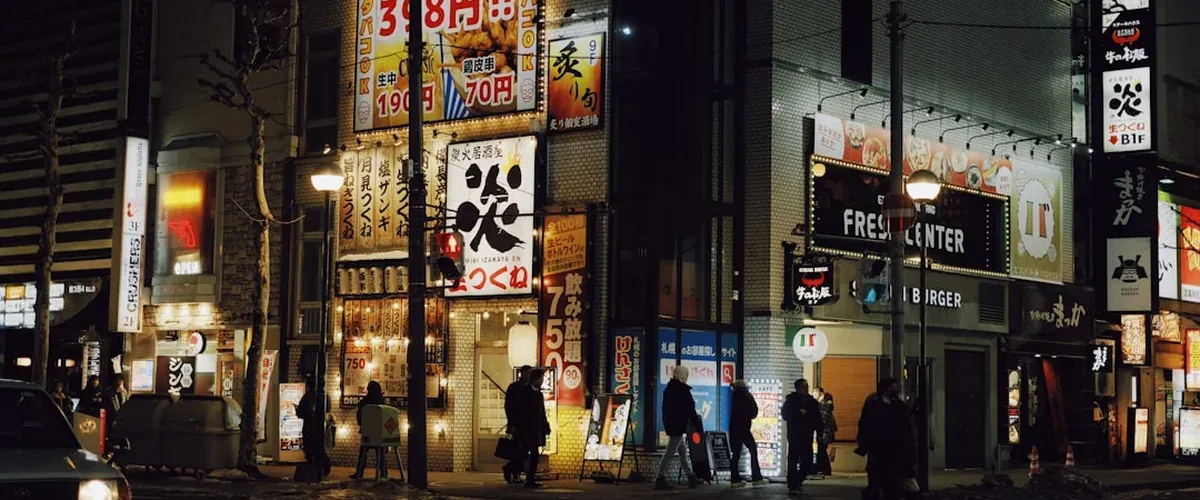
Susukino is Sapporo’s answer to Shinjuku Kabukicho — the largest entertainment district north of Tokyo, packed with izakaya, ramen shops, karaoke, and the famous Ganso Sapporo Ramen Yokocho (the narrow alley with 17+ ramen shops under one roof).
Where to stay:
- Hostels: Grids Sapporo — ¥3,500–5,000. Sapporo Guest House — ¥3,200–4,500.
- Capsule hotels: Capsule Hotel Sapporo — ¥3,800–5,500.
- Mid-range: Hotel Monterey Sapporo — ¥8,500–13,000.
Where to eat (under ¥1,500):
- Ganso Sapporo Ramen Yokocho — ¥800–1,200 for miso ramen at any of 17 shops
- Susukino izakaya alley — ¥1,500–2,500 nomihoudai (all-you-can-drink) for 90 minutes
- Soup Curry Garaku — ¥1,100 for the Sapporo soup curry classic (must-eat local dish)
- Daruma Main Shop — ¥700 for a single jingisukan (Genghis Khan lamb) skewer
- Konbini onigiri and bento — ¥150–500 (FamilyMart, 7-Eleven, Lawson everywhere)
Odori / Chuo — The Central Base
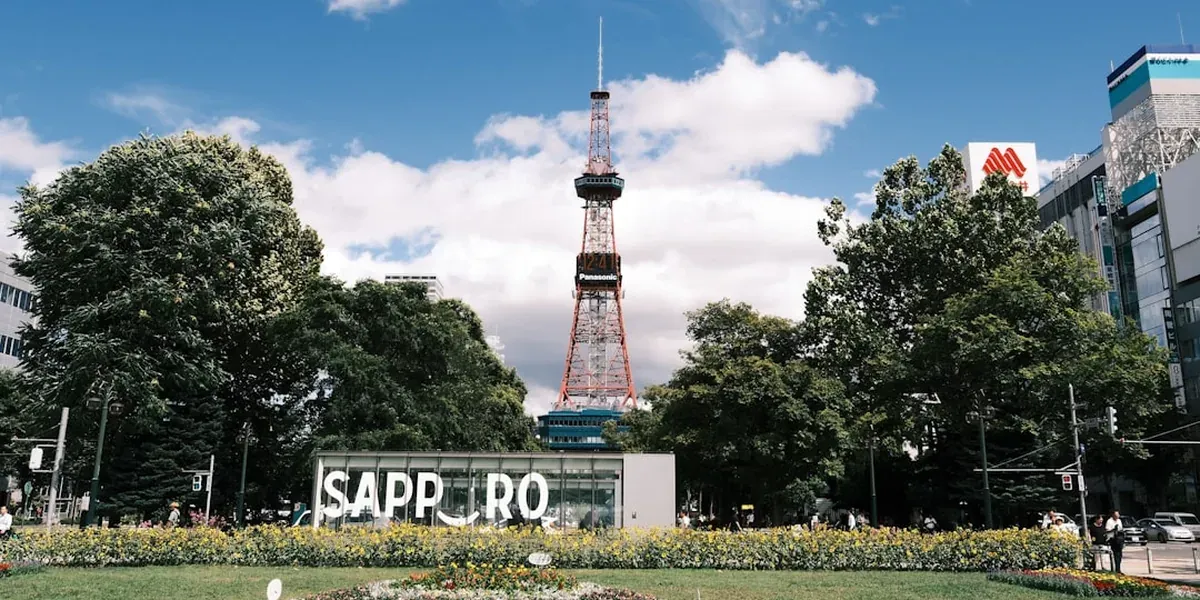
Odori Park runs through the heart of Sapporo for 1.5km, with the TV tower at the eastern end. Most major hotels cluster around Odori or Sapporo Station.
Where to stay:
- Hostels: The Stay Sapporo — ¥3,800–5,500.
- Mid-range: Hotel Resol Trinity Sapporo — ¥7,500–11,000.
- Splurge: JR Tower Hotel Nikko Sapporo — ¥15,000–22,000 (directly attached to Sapporo Station).
Where to eat (under ¥1,500):
- Nijo Market — ¥500–1,500 for the freshest seafood breakfast in Hokkaido (king crab, scallops, uni, salmon roe)
- Sapporo Station地下 (basement) depachika — ¥600–1,500 for bento sets
- Ramen Republic (10F of Sapporo Station) — ¥850–1,200 for regional ramen from across Hokkaido
Sapporo Station Area — The Transit Base
For day trips to Otaru, Niseko, Furano, and Asahikawa, stay near Sapporo Station. The JR rapid train hub.
Where to stay:
- Hostels: Hotel & Hostel Sosei — ¥3,200–4,500.
- Business hotels: Toyoko Inn Sapporo-eki Kita-guchi — ¥4,500–6,500.
- Capsule hotels: Cabs Sapporo — ¥3,500–4,800.
For booking strategy and platform comparison, see the hotel booking guide.
Sapporo Snow Festival (Early February) — The Main Event
The Sapporo Snow Festival (雪まつり) is held annually in early February (typically February 4–11) across three venues, all free to enter:
- Odori venue: 1.5km of snow sculptures down the central park. Massive international team-built sculptures (5–15 meters tall). Illuminated at night.
- Susukino venue: Smaller ice sculptures in the entertainment district. Easier to walk through, more locals.
- Tsudome venue: Family-oriented with slides, snow rafts, and play areas. ¥500 entry for the family zone.
When to go: Early February is peak season. Book accommodation 3+ months ahead — Sapporo’s hotel capacity is limited and the festival fills it completely. Prices triple.
What to do for free:
- Walk the entire Odori venue at night (free, the lighting is the main attraction)
- Susukino ice sculpture walk (free, 5 minutes from Odori)
- View the giant snow sculptures from the TV Tower observation deck (¥1,000)
What to budget for:
- Hot drinks and warming food: ¥500–1,000 at the festival food stalls
- One night in Sapporo: ¥6,500–12,000 (vs. ¥3,500–5,500 in January)
- Ski day at Sapporo Teine (45 minutes from Sapporo): ¥6,500 day lift ticket
The honest downsides: Temperatures drop to -10°C to -15°C at night. Dress in serious layers — see the packing list for what to bring. Crowds are massive; arrive before 9am or after 9pm for a less crowded experience.
Best for: Winter travelers, anyone who wants to see the world’s largest snow festival, photographers. Skip if you hate crowds and cold (visit Sapporo in June or September instead).
For full winter packing strategy, see the budget packing list.
Niseko — Powder Skiing on a Budget
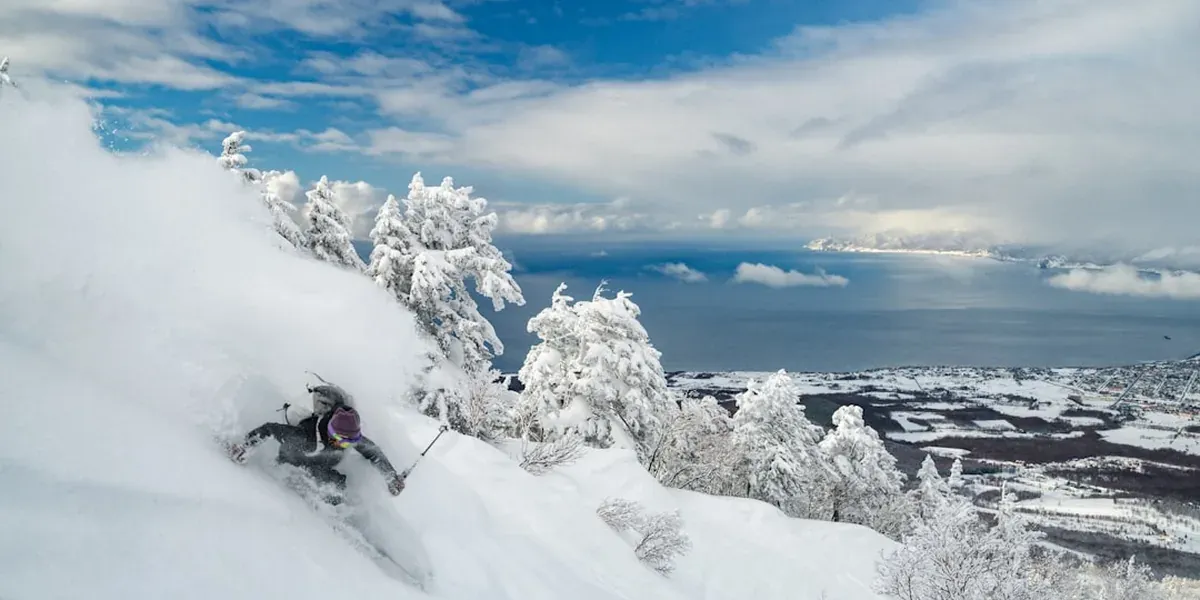
Niseko is the most famous ski resort in Japan — known globally for the lightest, driest powder snow on earth (“Japow”). It’s 2 hours from Sapporo by train + bus, or 3 hours by direct bus.
Why Niseko is cheaper than you think:
The myth is that Niseko is only for wealthy Australians. The reality is more nuanced:
- Day lift ticket: ¥8,000–12,000 at Niseko Hirafu (vs. ¥15,000–25,000 at Hakuba or Nozawa Onsen). Buy at the window or online.
- Half-day ticket (after 12pm): ¥5,000–7,000 (saves 30–40%)
- Multi-day pass: ¥32,000 for 4 days (vs. ¥48,000+ at Hakuba)
- Equipment rental: ¥4,000–6,000/day for skis, boots, poles (cheaper than bringing from home)
- Ski school (group, 2 hours): ¥6,000–9,000
Total ski day budget: ¥12,000–18,000 including transport from Sapporo.
Getting to Niseko from Sapporo:
- JR + bus: JR train to Otaru (¥1,950), then bus to Hirafu (¥1,500, 1 hour 30min). Total: ¥3,450, 2h 30min.
- Direct bus: Sapporo → Niseko via Donan Bus (¥2,500, 3 hours one-way). Cheapest and simplest.
- Car rental: ¥6,000–10,000/day plus tolls and gas. Best for groups of 3+.
Where to stay:
- Hostels: Niseko Weiss Hotel — ¥4,500–6,500/night (includes breakfast, ski shuttle).
- Pension / guesthouse: Pension Grandma’s — ¥5,500–8,000/night with breakfast and dinner.
- Splurge: The Green Leaf Niseko Village — ¥18,000–28,000/night (ski-in/ski-out).
Where to eat (under ¥1,500):
- Niseko Ramen — ¥900 for miso or shio ramen
- Onsen egg sandwiches — ¥500 at the local bakery
- Genghis Khan lamb (jingisukan) — ¥1,200 dinner set at any local spot
The honest downsides: Niseko is essentially an Australian/foreign bubble — English is widely spoken, menus are translated, and the local Hokkaido culture is harder to find than in central Sapporo. The village is small and quiet at night.
Best for: Skiers and snowboarders prioritizing powder quality, anyone who wants a “ski vacation” feel rather than a “Japan exploration” trip. Skip if you don’t ski (the onsen are great but the village is built around skiing).
For more ski area comparisons, see the hiking budget guide — though Hokkaido is mostly skiing, not hiking.
Furano — Lavender, Cheese, and Wine (Summer)
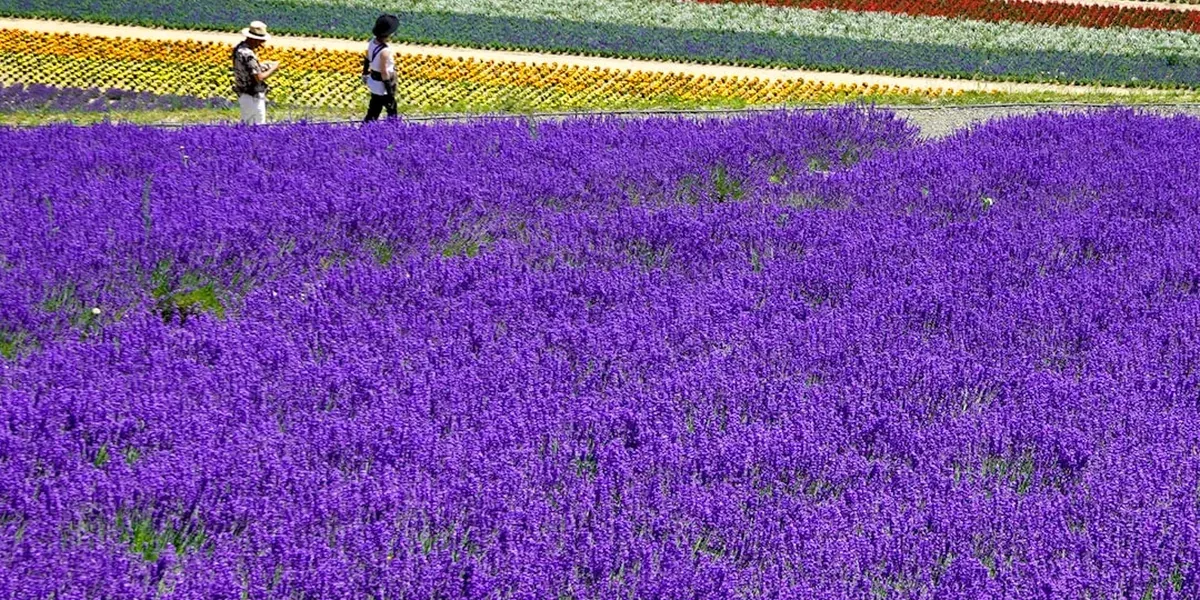
Furano is the summer counterpart to Niseko — a small city in central Hokkaido famous for lavender fields (peak: mid-July), cheese, wine, and rolling farmland. It’s 2h 30min from Sapporo by JR Limited Express (¥3,290).
Why visit Furano in summer:
- Farm Tomita — the most photographed lavender field in Japan, free entry. Peak bloom: early to mid-July.
- Shikisai-no-Oka — panoramic flower field with tulips, lavender, sunflowers. ¥500 entry.
- Cheese and ice cream factories — Furano cheese factory, Furano milk factory. Free factory tours.
- Wine tasting — Furano Wine House offers ¥300 tastings of 5 Hokkaido wines.
Getting to Furano from Sapporo:
- JR Limited Express (Furano Lavender Express): 2h 30min, ¥3,290 one-way. Runs only in summer (mid-June to mid-August). Reservation required.
- JR local + transfer: ~3h 30min, ¥2,400 one-way.
- Car rental: ~2h 30min drive, ¥6,000–10,000/day. Best for flexibility.
Where to stay:
- Pensions: Pension Lavender — ¥6,500–9,000/night with breakfast.
- Hotels: Furano Natulux Hotel — ¥9,500–14,000/night.
- Splurge: New Furano Prince Hotel — ¥14,000–22,000/night.
Where to eat (under ¥1,500):
- Furano cheese factory buffet — ¥1,500 for unlimited cheese, bread, soup
- Ramen at Yamabiko — ¥800 for soy-based ramen with local vegetables
- Farm Tomita soft serve — ¥400 for lavender-flavored soft serve
The honest downsides: Furano is small and quiet — don’t expect nightlife. Public transport between Furano attractions is limited without a car. Lavender season is 2–3 weeks only (early to mid-July).
Best for: Couples, photographers, slow travelers, anyone who wants to escape Tokyo/Kyoto for summer. Skip for the lavender if visiting outside mid-July.
For the broader flower season across Japan, see the autumn foliage budget guide and the hiking budget guide.
Otaru — The Day Trip from Sapporo
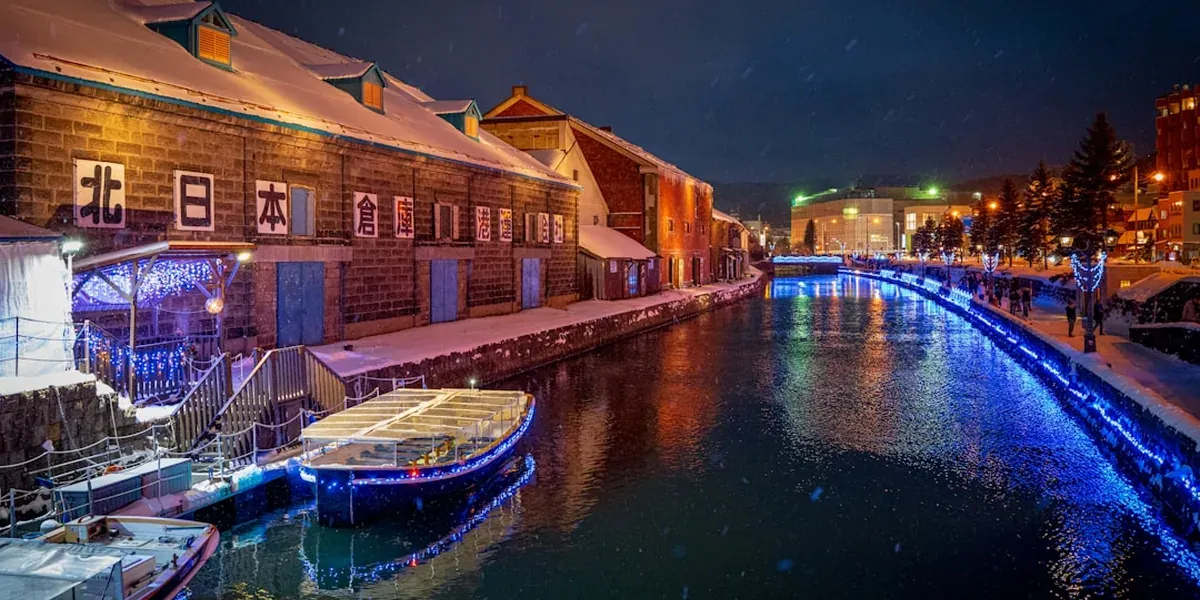
Otaru is a small port city 30 minutes from Sapporo by JR rapid train (¥640). It’s the most popular day trip from Sapporo, with a preserved canal area, glass workshops, music box museums, and the freshest sushi in Hokkaido.
What to do for free:
- Walk the full Otaru Canal (free, especially atmospheric with the snow lamps in winter)
- Sakaimachi Street glass shops (free, the preserved merchant street is a museum without walls)
- Otaru Museum (free, the small museum at the canal end)
What to budget for:
- Otaru sushi alley (Sushiya-dori): ¥1,500–3,000 for fresh sushi sets (¥1 per gram of seafood is the local pricing)
- Glass blowing workshop: ¥1,500–3,000 for a 30-minute experience
- Music box museum: ¥500–1,500 entry
Otaru Snow Light Path Festival (early February):
If you’re in Hokkaido during the Sapporo Snow Festival, Otaru holds its own festival the same week — thousands of snow lamps line the canal. Free to view, much less crowded than Sapporo’s main event.
The honest downsides: Otaru is a half-day trip at most. Don’t plan more than 5–6 hours. The canal area is best in the morning (before day-trippers arrive) or evening (when the lamps light up).
Best for: Day trip from Sapporo, sushi lovers, anyone visiting during the Snow Festival. Skip if you’ve already been to a Japanese port city.
Asahiyama Zoo and Asahikawa — The Northern Day Trip
Asahikawa is Hokkaido’s second-largest city, 1h 30min from Sapporo by JR Limited Express (¥5,140 one-way). It’s home to Asahiyama Zoo, Japan’s northernmost major zoo and one of the country’s best for seeing winter animals.
Asahiyama Zoo:
- Entry: ¥1,000 adults, free for children under 6
- Best months: December to March (when the penguin walk happens — daily at 11am, free to watch)
- Getting there: Bus from Asahikawa Station (¥40, 40 minutes)
The penguin walk is the signature experience — penguins waddle through the snow in a 30-minute parade. Free to watch with zoo entry. Runs December through March.
Asahikawa Ramen:
Asahikawa is home to Japan’s second-most-famous ramen style (after Sapporo) — shoyu-based (soy sauce) ramen. The Asahikawa Ramen Village has 8 shops under one roof with ramen from ¥800.
The honest downsides: Asahikawa is a full-day trip (4+ hours each way on local trains). Only worth it if you’re specifically interested in the zoo or want to see Asahikawa’s local ramen scene.
Best for: Winter travelers who want the penguin walk, families with kids, ramen enthusiasts. Skip if your Hokkaido trip is 3 days or less.
What to Eat in Hokkaido — The 5 Can’t-Miss Foods
Hokkaido has the most distinctive regional food culture in Japan. Five dishes are worth planning around:
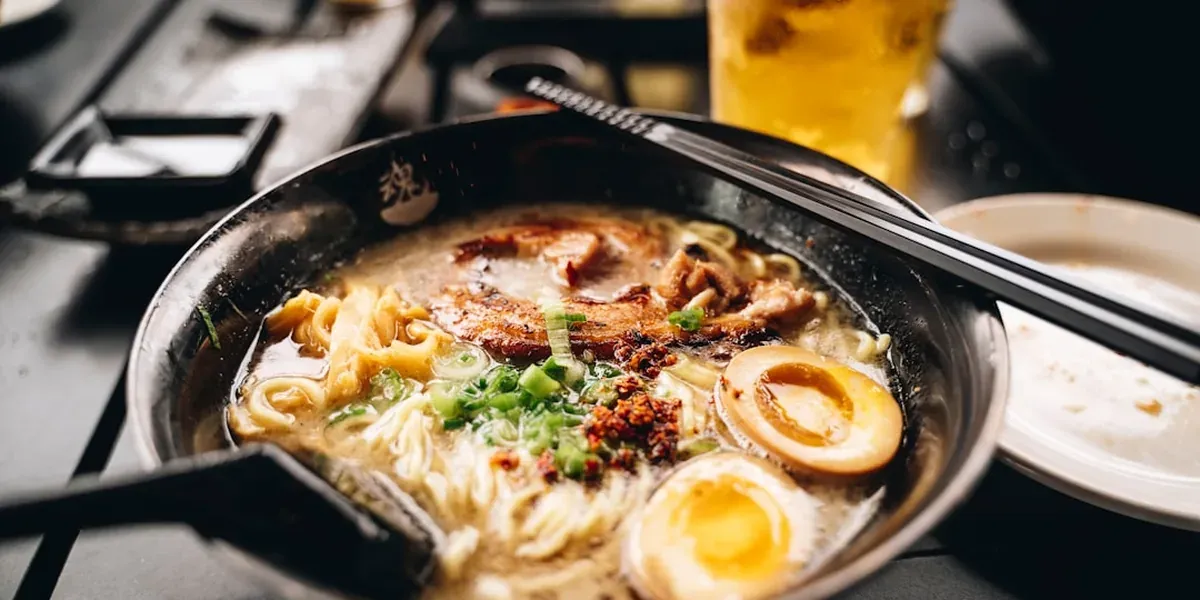
1. Sapporo Miso Ramen (¥800–1,200)
Sapporo invented miso ramen in the 1950s. The classic style is miso-based broth with sweet corn, butter, bean sprouts, and chashu pork. Best at:
- Sumire (Sapporo Station, ¥900) — the legendary original
- Ramen Sora (Susukino, ¥1,100) — richer, modern style
- Ganso Sapporo Ramen Yokocho (Susukino, ¥800–1,200) — 17 shops to choose from
2. Jingisukan (Genghis Khan Lamb, ¥1,000–2,500)
Hokkaido’s signature dish — grilled lamb cooked on a domed metal grill at the table. The meat is dipped in a sweet-savory soy sauce. Best at:
- Daruma Main Shop (Susukino, ¥700 per skewer) — the original, established 1954
- Jingisukan no Higa (Sapporo Station, ¥1,500 set) — tourist-friendly
3. Soup Curry (¥900–1,300)
A Sapporo invention — Japanese curry soup with chicken or vegetables, served with rice on the side. Spicy, warming, and vegetarian-friendly. Best at:
- Soup Curry Garaku (Susukino, ¥1,100) — the most famous
- Rojiura Curry (Susukino, ¥1,200) — vegetarian-heavy
4. Fresh Seafood at Nijo Market (¥500–1,500)
Sapporo’s central market has the freshest seafood in Hokkaido — king crab, scallops, uni, salmon roe, all served as donburi (rice bowls) for breakfast. Best at:
- Kita no Donburi-ya (Nijo Market, ¥800–1,500) — small standing counter
- Minami Sushi (Nijo Market, ¥1,200 set) — sit-down sushi
5. Soft Serve Ice Cream (¥300–500)
Hokkaido is Japan’s dairy heartland. The soft serve is consistently the best in the country. Try lavender, Hokkaido milk, or melon flavors anywhere from Farm Tomita in Furano to the corner convenience store in Sapporo.
For a deeper look at Japanese food culture, see the convenience store food guide and the vegan budget guide — Hokkaido has surprisingly good vegan soup curry options.
Seasonal Breakdown — When to Visit
Winter (December–February)
- Sapporo Snow Festival: Early February, free
- Niseko skiing: December–March (best powder: January–February)
- Otaru Snow Light Path: Early February, free
- Asahiyama penguin walk: December–March, ¥1,000
- Temperature: -5°C to -10°C in Sapporo, -15°C in Niseko
- Pros: Snow festival, powder skiing, fewer crowds except festival week
- Cons: Brutal cold, accommodation 2–3x normal price during festival
Spring (March–May)
- Skiing: Niseko closes mid-April; lower-elevation areas close earlier
- Cherry blossom: Late April–early May (1 week later than Tokyo)
- Pros: Cheaper accommodation, snow still on mountains for skiing
- Cons: Mud season, less distinct activities
Summer (June–August)
- Lavender season: Early–mid July (Furano, Farm Tomita, Sapporo)
- Temperature: 20–28°C in Sapporo, cooler in Furano
- Pros: Lavender, hiking, mild weather, lowest accommodation prices
- Cons: Some mountain roads close, less distinct winter activities
Autumn (September–November)
- Autumn foliage: Late September in Daisetsuzan, mid-October in Sapporo
- Pros: Beautiful foliage, fewer crowds, mild temperatures
- Cons: Some summer attractions (lavender) are gone, ski season hasn’t started
For a deeper seasonal breakdown, see the cheapest time to visit Japan guide and the autumn foliage budget guide.

The 3-Day / 5-Day / 7-Day Hokkaido Plans
| Day | 3-day itinerary | 5-day itinerary | 7-day itinerary |
|---|---|---|---|
| 1 | Arrive CTS → Sapporo check-in → Susukino dinner | Arrive CTS → Sapporo check-in → Nijo Market lunch → Odori walk | Arrive CTS → Sapporo → Odori + TV Tower |
| 2 | Otaru day trip | Otaru day trip → Sapporo Snow Festival (winter only) | Day trip: Otaru + Yoichi |
| 3 | Sapporo → departure | Day trip: Asahiyama Zoo + Asahikawa Ramen Village | Day trip: Niseko skiing |
| 4 | — | Sapporo sightseeing (Sapporo Beer Museum, Maruyama Park) | Day trip: Furano lavender (summer) |
| 5 | — | Departure | Sapporo food crawl (Nijo, Ganso Ramen Yokocho, Jingisukan) |
| 6 | — | — | Day trip: Asahikawa + Asahiyama Zoo |
| 7 | — | — | Departure |
The base strategy: Stay in Susukino or Sapporo Station area for the entire trip. Day-trip to Otaru, Asahikawa, and Niseko. Only stay in Niseko if skiing for 2+ days.
Hokkaido on a Budget — Money-Saving Tips
Hokkaido is generally cheaper than Tokyo/Kyoto, but the winter season has premium pricing. Eight strategies for keeping costs down:
- Fly, don’t take the Shinkansen. The flight is ¥6,000–10,000 vs. ¥23,000 for the train. Even with checked bags, you save 50%+.
- Avoid the Snow Festival week if budget matters. Hotel prices triple during the festival. Visit Sapporo in January or March instead — still snowy, half the price.
- Stay in Sapporo, not Niseko. Sapporo hostels are ¥3,500–5,500/night. Niseko is ¥4,500–9,000/night, and the village closes by 9pm.
- Eat at the depachika and konbini, not restaurants. Sapporo Station and major hotels have basement food halls with bento from ¥500. Half the price of sit-down restaurants.
- Buy a Sapporo Subway 24-hour ticket. ¥840 for unlimited subway rides. Worth it after 3+ rides in a day.
- Use the JR Hokkaido Pass for multi-day trips. ¥17,400 for a 3-day flexible pass covers Sapporo-Otaru-Asahikawa-Furano. Cheaper than individual tickets for 3+ days of train travel.
- Rent a car for Furano/Niseko only. For Sapporo + Otaru, public transit works fine. For Furano and Niseko, a car is the most flexible option (¥6,000–10,000/day, split between 3+ people).
- Visit in shoulder season (April or November). Accommodation is 30–40% cheaper than peak February (Snow Festival) or July (lavender peak).
For more budget strategy, see the Japan budget mistakes guide and the hotel booking guide.
Frequently Asked Questions
Is Sapporo worth visiting on a budget?
Yes. Sapporo has the cheapest major-city accommodation in Japan in summer (¥3,500–5,500 hostels vs. ¥4,500–7,000 in Tokyo) and the most distinctive food culture. The Sapporo Snow Festival is free and one of Japan’s top three winter events.
How much does a Hokkaido trip cost?
A 5-day Hokkaido trip (flights + hotels + food + 1 ski day) costs ¥85,000–110,000 per person, 20–30% cheaper than an equivalent Tokyo+Kyoto+Osaka trip. The flight is the cheapest leg of any Japan trip thanks to budget carriers.
When is the Sapporo Snow Festival?
Early February, typically February 4–11. The festival runs across three venues (Odori, Susukino, Tsudome) over 8 days. Entry is free.
Is Niseko worth it for a budget traveler?
Yes — Niseko day tickets are ¥8,000–12,000, vs. ¥15,000–25,000 at Hakuba or Nozawa Onsen. A full ski day (lift + rental + transport + food) is ¥12,000–18,000. Cheaper than equivalent North American or European resorts.
Should I fly or take the Shinkansen to Sapporo?
Fly, unless you have a JR Pass. The flight is ¥6,000–10,000 and 1h 30min. The Shinkansen is ¥23,000 and 6h 30min. The JR Pass only justifies the train if you’re doing other Shinkansen trips on the same pass.
What is the best time to visit Hokkaido?
Depends on your goal. February for the Snow Festival and skiing. Mid-July for lavender. Late September–October for autumn foliage and fewer crowds. Late April for cherry blossom (1 week later than Tokyo).
Is Hokkaido expensive for food?
No — Hokkaido is comparable to Tokyo for food, sometimes cheaper. Sapporo miso ramen is ¥800–1,200 (same as Tokyo). Nijo Market breakfast is ¥500–1,500. The exception is fresh seafood, which is premium anywhere in Japan.
Can I do Hokkaido without speaking Japanese?
Yes for the basics — major train stations have English signage, Sapporo has good English support, and Niseko is essentially bilingual. Smaller towns (Furano, Asahikawa) have less English. Use the travel apps guide recommendations for translation.
Should I stay in Sapporo or Niseko for skiing?
Stay in Sapporo if you’re skiing for one day only (cheaper accommodation, more food/nightlife). Stay in Niseko for 2+ ski days (ski-in/ski-out, onsen, ski culture). The bus from Sapporo to Niseko is direct and easy.
Is the Sapporo Snow Festival crowded?
Yes — millions visit over 8 days. Arrive before 9am or after 9pm at the Odori venue to avoid peak crowds. The Susukino and Tsudome venues are less crowded.
Can I see lavender outside Furano?
Yes — the Soroa Farm in Nakafurano, the lavender park in Sapporo (smaller), and the Tomita Farm in Furano all have lavender fields. Furano is the most famous and most photographed.
How cold does Hokkaido get in winter?
Sapporo: -5°C to -10°C average in January. Niseko: -10°C to -15°C on the mountain. Asahikawa: -15°C to -25°C in February (Japan’s coldest major city). See the packing list for what to bring.
Is Hokkaido safe?
Yes — Hokkaido is the safest major region of Japan. Crime rates are well below Tokyo or Osaka. See the solo travel guide for safety tips.
How do I get from Sapporo to Niseko?
Direct bus (Donan Bus, ¥2,500, 3 hours) is cheapest. JR train + bus (¥3,450, 2h 30min) is faster. Car rental (¥6,000–10,000/day) is best for groups of 3+.
Can I use my JR Pass in Hokkaido?
Yes — the JR Pass covers all JR trains in Hokkaido, including the Hokkaido Shinkansen, the Limited Express to Niseko and Furano, and local JR rapid services. See the JR Pass guide for the math on whether it’s worth it for your trip.
Do I need a JR Hokkaido Pass?
Only if you’re doing 3+ days of train travel in Hokkaido. The 3-day flexible pass is ¥17,400 — cheaper than individual tickets for Sapporo-Otaru-Asahikawa-Furano. For day trips only, individual tickets work fine.
Should I rent a car in Hokkaido?
Yes if visiting Furano or Daisetsuzan National Park (public transport is limited). No if you’re only in Sapporo and Otaru (JR rapid is faster and cheaper). Car rental is ¥6,000–10,000/day plus gas (¥2,000–3,000 for a full day of driving).
Is there a Sapporo food tour worth booking?
The Nijo Market + Ganso Ramen Yokocho walk is the most cost-effective “tour” — you can self-guide it for ¥1,500–2,500 total. For guided options:
- GetYourGuide Sapporo Food Tour: ¥4,500–6,500 for 3 hours
👉 Browse Sapporo food tours on GetYourGuide
What’s the best day trip from Sapporo?
Otaru is the easiest and most popular (30 minutes by train). Niseko is best for skiers (3 hours by bus). Asahikawa + Asahiyama Zoo is best for families (1h 30min by train).
Can I see the northern lights in Hokkaido?
Rarely — Hokkaido’s latitude is similar to northern Italy, not Scandinavia. The aurora is visible maybe once every 5–10 years in the far north. Don’t plan a Hokkaido trip expecting northern lights.
What’s the best neighborhood for the Snow Festival?
Odori Park itself (the festival is literally in the park). Susukino for the evening entertainment district feel. Sapporo Station for the cheapest accommodation with 5-minute subway access to Odori.
Plan Your Hokkaido Trip — The 5-Day Loop
Hokkaido rewards travelers who pick a season and commit. The 5-day plan above covers Sapporo + Otaru + Asahikawa (or Niseko) for ¥85,000–110,000 per person.
The 5-step recap:
- Fly into New Chitose Airport — ¥6,000–10,000 from Tokyo, the cheapest way in
- Stay in Sapporo Station area or Susukino — ¥3,500–5,500 hostels, the central base
- Visit during February, mid-July, or October — peak seasons for distinct experiences
- Take the JR Hokkaido Pass if doing 3+ days of train travel — ¥17,400 saves money fast
- Eat at depachika and konbini — half the price of sit-down restaurants, same quality
For the rest of the trip — how to plan Tokyo before Hokkaido, what to pack for winter, and the broader Japan itinerary — see the Japan trip cost 2026 guide, the Tokyo neighborhoods guide, the Kyoto neighborhoods guide, the Osaka neighborhoods guide, the Okinawa budget guide, the Kanazawa budget guide, the budget packing list, the travel apps guide, the best eSIM Japan guide, the JR Pass 2026 worth it guide, the hotel booking guide, the money in Japan 2026 guide, the convenience store food guide, the cherry blossom guide, the autumn foliage guide, the hiking budget guide, the travel insurance guide, the solo travel guide, the family budget guide, the vegan budget guide, the budget mistakes guide, and the cheapest time to visit Japan guide.
Prices correct as of August 2026. Exchange rate approximately ¥150 = $1 USD.