Kanazawa Budget Guide 2026: Kenrokuen Garden, Samurai District & the Cheapest Way to Do Japan's Hidden Gem
A 2026 budget guide to Kanazawa — Shinkansen from Tokyo for ¥14,000, Kenrokuen Garden (¥320), Higashi Chaya geisha district, Omicho Market seafood, Shirakawa-go day trip, and the cheapest way to do Japan's hidden gem.
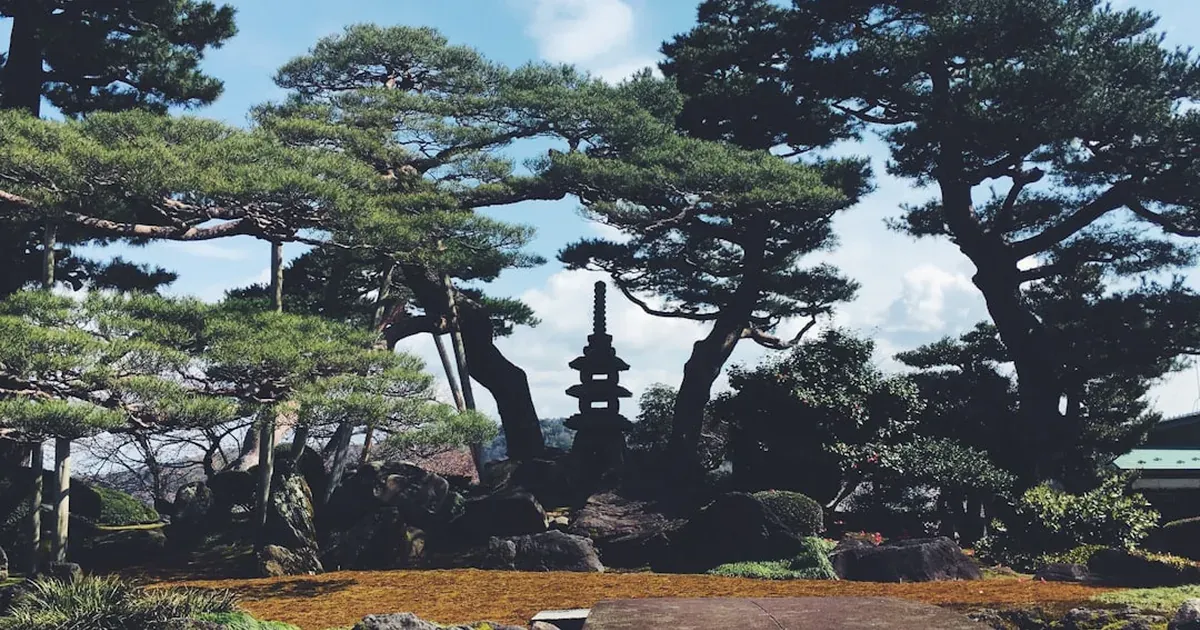
The short answer: Kanazawa is the most underrated major city in Japan for budget travelers — and the most natural 1–2 day add-on to the Tokyo–Kyoto route. The Hokuriku Shinkansen from Tokyo is ¥14,000 one-way (2h 30min). Kenrokuen Garden is ¥320 (one of Japan’s top 3 gardens). Higashi Chaya geisha district and Nagamachi samurai district are free to walk. Omicho Market is the freshest seafood on the Hokuriku coast. A 2-day Kanazawa trip (with optional Shirakawa-go day trip) costs ¥32,000–48,000 per person including the Shinkansen from Tokyo, accommodation, food, and entries — cheaper than an extra day in Tokyo and a complete contrast to Kyoto.
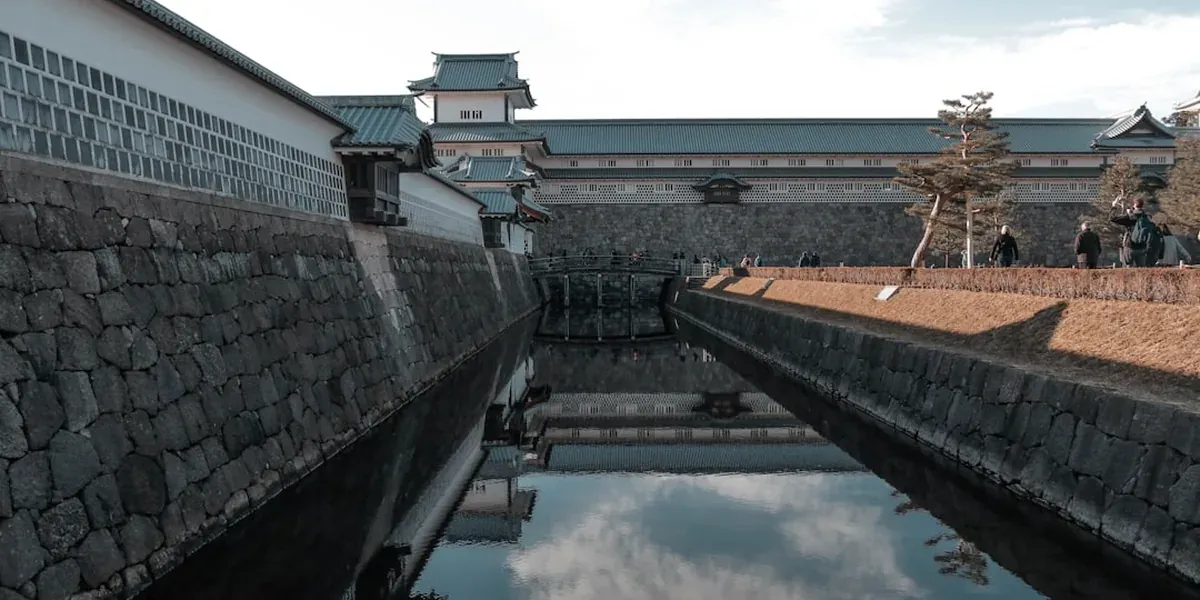
Kanazawa is the capital of Ishikawa Prefecture on the Sea of Japan coast. It was the seat of the powerful Maeda clan during the Edo period (1603–1868), the second-richest city in feudal Japan after Edo (Tokyo), and the regional center of arts, crafts, and samurai culture. It survived World War II largely intact, so the samurai and geisha districts are still genuinely old.
This guide covers how to get there cheaply, where to base, the must-see spots (Kenrokuen, Higashi Chaya, Nagamachi, Omicho, 21st Century Museum), and the cheapest way to combine Kanazawa with a day trip to Shirakawa-go — the UNESCO gassho-zukuri village.
Kanazawa at a Glance
- Hokuriku Shinkansen Tokyo → Kanazawa: ¥14,000–14,500 one-way, 2h 30min (Kagayaki)
- Limited Express Kyoto → Kanazawa (Thunderbird): ¥3,710–7,200 one-way, 2h 15min
- Bus Tokyo → Kanazawa (overnight): ¥5,000–9,000 one-way, 8 hours
- Kenrokuen Garden: ¥320 adults, free for under 6
- 21st Century Museum of Contemporary Art: ¥450 (exhibition zones)
- Higashi Chaya & Nagamachi districts: Free to walk, ¥500 for entry into preserved houses
- Omicho Market: Free to walk, ¥800–2,000 for fresh seafood bowls
- Kanazawa hostel/night: ¥3,200–4,800
- Kanazawa-style sushi set: ¥1,500–2,500
- 2-day Kanazawa trip budget: ¥32,000–48,000 per person (Shinkansen + hotel + food + entries)
- Climate: Hot humid summers (28–34°C), cold snowy winters (0–5°C), mild spring/autumn
Kanazawa is one of only a handful of cities in Japan with all three traditional cultural experiences in walking distance: a preserved geisha district (Higashi Chaya), a preserved samurai district (Nagamachi), and one of Japan’s top 3 gardens (Kenrokuen). Most travelers add it as a 1–2 day stop between Tokyo and Kyoto — or as a 3-day add-on with the Shirakawa-go day trip.
Getting to Kanazawa — Three Honest Options
The Tokyo–Kanazawa route was transformed by the Hokuriku Shinkansen extension in 2015. Today, the train is the dominant option for most travelers.
Option 1: Hokuriku Shinkansen — the standard choice
The Hokuriku Shinkansen runs from Tokyo Station to Kanazawa via Nagano and Toyama. Two services:
- Kagayaki (fast): 2h 30min, all-reserved, ¥14,000–14,500 one-way
- Hakutaka (with more stops): 2h 50min, all-reserved, ¥13,850 one-way
Best booking strategy: Book via SmartEX app (¥200 cheaper than the JR ticket office, no booking fees) or Japan Travel by NAVITIME. Reserve seats 1–2 weeks ahead for peak cherry blossom (early April), Golden Week (April 29–May 5), and autumn foliage (mid-November).
The catch: The Hokuriku Shinkansen is not covered by the standard JR Pass if you have an old-style 7-day pass (it was added later). New JR Passes (issued 2023+) include the Hokuriku route. See the JR Pass guide for the math.
Option 2: Limited Express Thunderbird from Kyoto/Osaka — for the Kansai route
If you’re already in Kansai, the Limited Express Thunderbird runs from Kyoto to Kanazawa in 2h 15min (¥3,710 with Kansai Area Pass, ¥7,200 standard). It’s the standard route between Kyoto and Kanazawa.
Best for: Travelers in Kyoto or Osaka adding Kanazawa as a 1–2 day add-on.
Option 3: Overnight Bus from Tokyo — the budget, slow option
Overnight buses run from Tokyo (Shinjuku, Ikebukuro) to Kanazawa for ¥5,000–9,000 one-way, departing around 10pm and arriving around 6am. Willer Bus and JR Bus are the main operators.
Best for: Solo backpackers on the tightest budgets, anyone who wants to “save” a hotel night. The bus is 8 hours — half your trip day is gone.
For broader transit strategy across Japan, see the JR Pass guide and the travel apps guide.
Where to Base — Kanazawa Station vs. Korinbo
Two areas matter for visitors. Most travelers stay near Kanazawa Station (the transit hub) or Korinbo (the central entertainment area).
Kanazawa Station Area — The Transit Base
Kanazawa Station is the Hokuriku Shinkansen terminus and the obvious base if you have a day trip planned (Shirakawa-go, Takayama, Noto Peninsula). The station has a famous wooden drum gate (the Tsuzumi-mon) and the elevated glass walkway with views of the city.
Where to stay:
- Hostels: Kanazawa Guest House — ¥3,200–4,500. The Share Hotels Kumu — ¥3,500–5,000.
- Business hotels: Toyoko Inn Kanazawa-eki Higashi-guchi — ¥4,500–6,500. Hotel Route-Inn Kanazawa — ¥5,000–7,000.
- Mid-range: Hotel Kanazawa — ¥7,500–11,000. Hyatt Centric Kanazawa — ¥15,000–22,000.
Where to eat (under ¥1,500):
- Kanazawa Station depachika (basement food hall) — ¥600–1,500 for bento sets
- Omicho Market (10 min walk) — ¥1,000–2,000 for fresh seafood bowls
- Forus mall food court — ¥800–1,200 for set meals
- Korinbo izakaya (15 min walk or 5 min bus) — ¥1,500–2,500 for dinner sets
Korinbo — The Central Base
Korinbo is the entertainment and shopping district between Kanazawa Station and Higashi Chaya. It’s the most central base for sightseeing on foot.
Where to stay:
- Hostels: Kanazawa Capsule Hotel — ¥3,500–4,500. Korinbo Hostel — ¥3,200–4,800.
- Mid-range: Hotel Mystays Premier Kanazawa — ¥8,500–12,000. ANA Crowne Plaza Kanazawa — ¥12,000–18,000.
- Ryokan: Murataya Ryokan — ¥9,500–14,000 (the iconic, central ryokan experience).
Where to eat (under ¥1,500):
- Korinbo izakaya — ¥1,500–2,500 nomihoudai (all-you-can-drink) for 90 min
- Katamachi dining street — ¥800–1,500 for set meals
- Higashi Chaya tea houses — ¥800–1,500 for matcha and sweets
For booking strategy and platform comparison, see the hotel booking guide.
Kenrokuen Garden — One of Japan’s Top 3
Kenrokuen Garden (兼六園) is one of Japan’s “Three Great Gardens” alongside Mito’s Kairakuen and Okayama’s Korakuen. The name means “garden of six attributes” (spaciousness, seclusion, artifice, antiquity, water, and views — the six qualities of a perfect garden according to Chinese landscape theory).
Entry: ¥320 adults, free for under 6 Hours: 7:00am–6:00pm (extended to 9pm during special illumination events) Getting there: 20-minute walk from Kanazawa Station, 5-minute bus ride, or part of the Kenrokuen–Castle Park–Higashi Chaya loop by foot (40 min total)
The don’t-miss views:
- Katsuragakechi hill — the highest point of the garden, with views over Kanazawa
- Kakunodate teahouse — the oldest structure in the garden, ¥800 for matcha
- Kotoji-toro stone lantern — the iconic two-legged lantern at the pond’s edge (the most photographed image from Kenrokuen)
- Hisago-ike pond — the central pond, with views toward the castle
- Winter yukitsuri — December–February, the ropes that protect the pine trees from snow (one of the most photogenic winter scenes in Japan)
The honest downsides: The ¥320 entry feels high for a 30-minute walk if you visit in summer (the highlights are quick). The winter illumination events (¥800) are worth it; the standard visit in summer can be a 60-minute walk.
Best for: Garden enthusiasts, photographers (autumn and winter are the strongest seasons), first-time visitors. Skip if you have only 1 day and have to choose between this and the samurai/geisha districts (the districts are free).
For broader garden strategy across Japan, see the cherry blossom guide and the autumn foliage guide — Kenrokuen is featured in both.
Higashi Chaya — The Geisha District
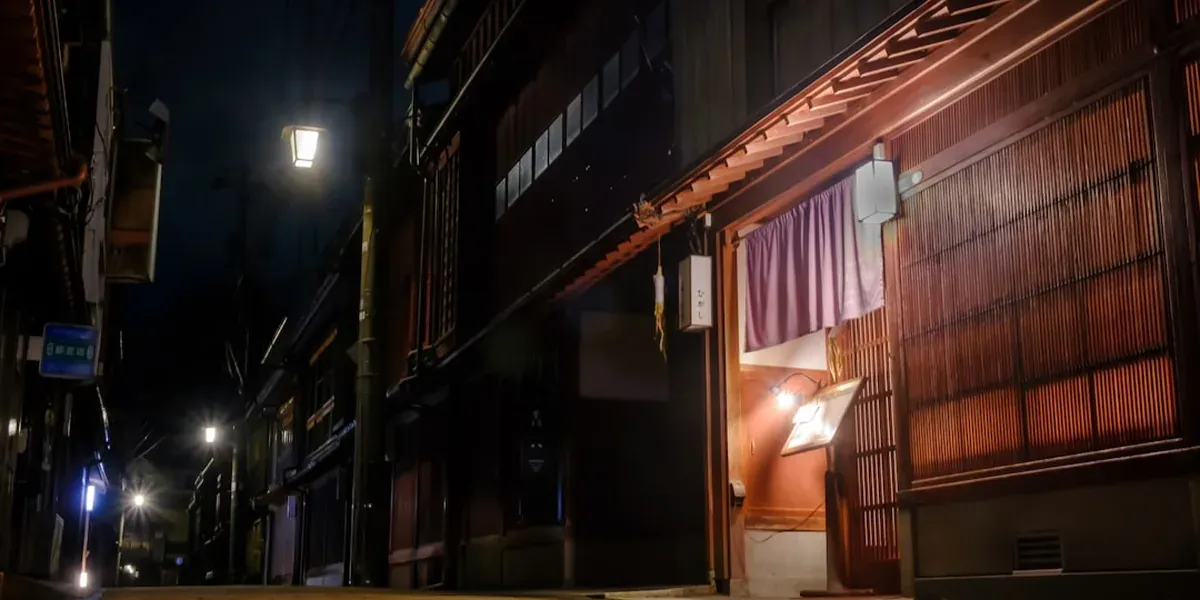
Higashi Chaya (ひがし茶屋街) is Kanazawa’s most famous preserved district — the largest of three chaya (tea house) districts in the city, established in 1820. It’s the most atmospheric area in Kanazawa and the most photogenic.
Entry: Free to walk the street; ¥500 to enter the Shima teahouse and Kaikaro teahouse Hours: Most streets 24-hour; preserved teahouses 9:00am–5:00pm Getting there: From Kanazawa Station, take the bus (¥230, 15 min) or walk (40 min via the Kenrokuen–Castle Park loop)
The vibe: Two rows of traditional wooden machiya (townhouses) on a stone-paved street, with the characteristic kōshi (wooden lattice fronts) that hid the geisha from passersby. Quieter than Kyoto’s Gion, more authentic than Kyoto’s Pontocho. The morning (before 10am) is the most atmospheric time.
What to do for free:
- Walk the full 200m main street end to end (free, atmospheric at any time)
- Hokkoku-Kanagawa canal walk (free, the willow-lined canal behind the street)
- Asano River bridge (free, the most photographed view of the Higashi Chaya)
- Utatsuyama temple walk (free, the hillside above the district)
What to budget for:
- Shima teahouse entry: ¥500 (preserved 19th-century teahouse with a small museum)
- Kaikaro teahouse entry: ¥500 (the most ornate preserved teahouse, with a 2nd-floor geisha room)
- Matcha + wagashi at any teahouse: ¥800–1,500
- Geisha dinner performance (kaiseki with geisha): ¥8,000–15,000 (book in advance, the most expensive cultural experience in Kanazawa)
The honest downsides: The chaya (tea houses) are now mostly restaurants and souvenir shops. The geisha tradition is still alive but small (only a handful of working geisha in Kanazawa, vs. 100+ in Kyoto). Most of the photos you see of “geisha in Kanazawa” are tour groups, not the real thing.
Best for: Photographers (the morning light is best), anyone interested in Edo-era architecture, slow travelers. Skip if you’ve already done Kyoto’s Gion (the experience is similar but smaller).
For a deeper look at geisha districts, see the Kyoto neighborhoods guide and the free things to do in Kyoto guide.
Omicho Market — The Food Heart of Kanazawa
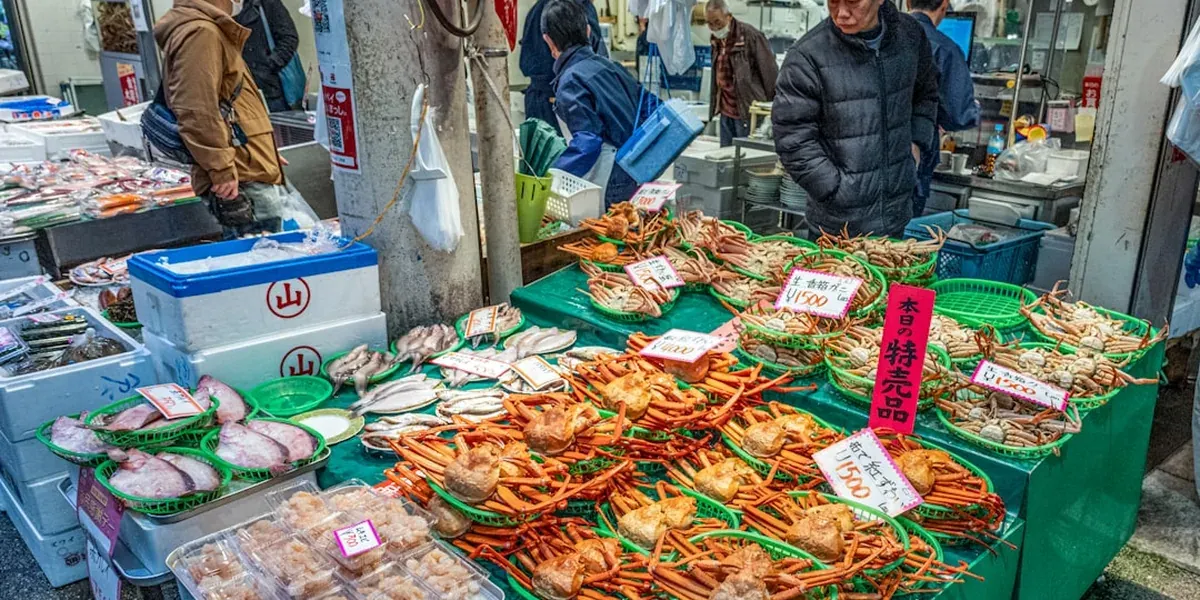
Omicho Market (近江町市場) is Kanazawa’s central market — 170+ stalls selling fresh seafood, vegetables, and regional specialties. It’s been the food heart of the city for 280 years and the most “local” place to eat in Kanazawa.
Entry: Free to walk Hours: 9:00am–5:00pm (most stalls), some restaurants open from 7:00am Getting there: 10-minute walk from Kanazawa Station
What to eat:
- Kaisendon (seafood rice bowl): ¥1,000–2,000 — fresh crab, shrimp, uni, salmon roe, scallops on rice
- Fresh crab: ¥1,500–3,000 (in season November–March, snow crab is the regional signature)
- Yellowtail (buri): ¥800–1,500 — a regional specialty in winter
- Oysters (kaki): ¥500–1,000 — in season October–March
- Shrimp (ebi): ¥800–1,500 — sweet local pink shrimp
The strategy: Walk through once to see the stalls, then sit at any of the 2nd-floor restaurants for a kaisendon. The 1st-floor stalls also sell ready-to-eat items (sea urchin, crab legs) for takeaway.
The don’t-miss experience: Crab (in season, November–March) — the snow crab from the Sea of Japan is the most prized regional food. A single crab leg is ¥500–800 at Omicho; a full crab set meal is ¥2,500–4,500.
The honest downsides: Omicho is a working market, not a tourist attraction. The morning (8–10am) is the most authentic; the afternoon is quieter. The 2nd-floor restaurants are tourist-oriented; the 1st-floor stalls are the real deal if you can read Japanese.
Best for: Food-focused travelers, anyone who loves fresh seafood, photographers (the morning is the most photogenic). Skip if you have dietary restrictions — the market is overwhelmingly seafood.
For a deeper look at Japanese food culture, see the convenience store food guide and the vegan budget guide — Omicho has limited vegan options.
Nagamachi — The Samurai District
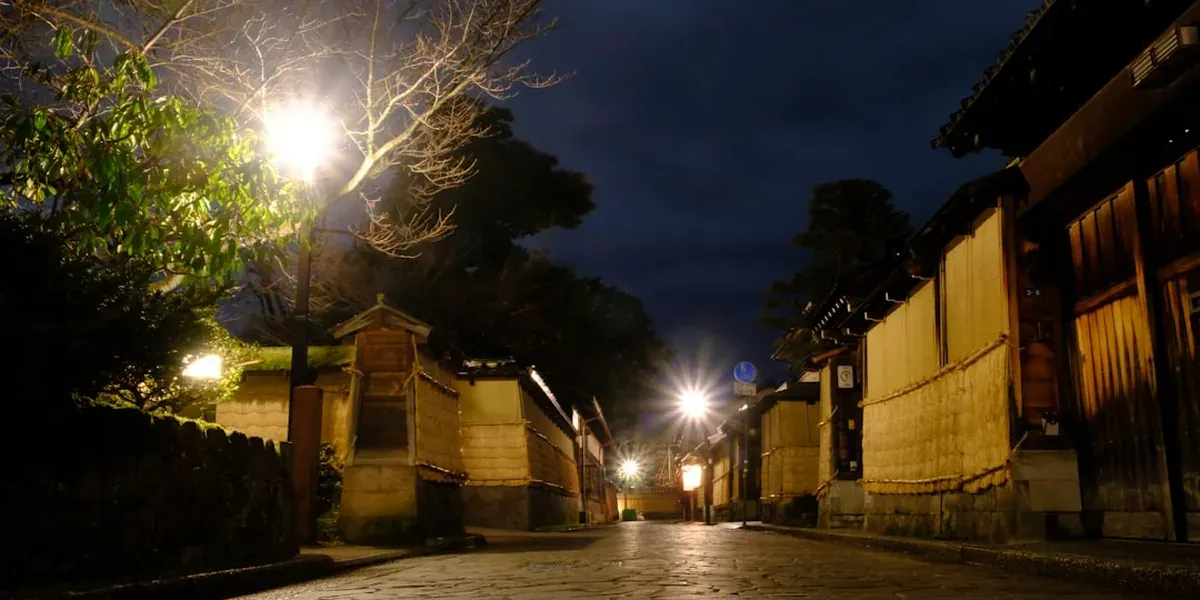
Nagamachi (長町) is the preserved samurai district south of Korinbo — the area where the Maeda clan’s retainers lived during the Edo period. The narrow lanes, earthen walls, and preserved samurai houses give it a more authentic feel than Kyoto’s Gion.
Entry: Free to walk the lanes; ¥500 to enter the Nomura-ke samurai house museum Hours: 24-hour for the lanes; 8:30am–5:30pm for the Nomura-ke house Getting there: 15-minute walk from Kanazawa Station, 10 minutes from Korinbo
What to see:
- Nomura-ke samurai house — the most famous preserved samurai residence, with a small but beautiful garden (¥500)
- Shinryo-nishi lacquerware street — the local artisans’ street, with workshops you can visit
- Oyama Shrine — the shrine dedicated to the Maeda clan’s tutelary deity (free)
- Kaga Yunoki Lacquerware Museum — ¥300, small museum about the local craft
- Daisen-ji temple — a small temple with a preserved samurai gate
The don’t-miss experience: Walking the lanes early morning (before 8am) — the only time they’re truly quiet. The lane behind Nomura-ke (running north–south) is the most atmospheric, with the original earthen walls and water channels.
The honest downsides: Nagamachi is small — most visitors spend 1–2 hours. The “samurai houses” you can enter are limited; most are private residences. The Nomura-ke is the must-see, but the rest of the district is a 30-minute walk.
Best for: History-focused travelers, photographers, anyone who wants the samurai experience without the Kyoto crowds. Skip if you’ve already done a similar preserved district (Kakunodate in northern Honshu is the only other major samurai district in Japan).
The 21st Century Museum of Contemporary Art
The 21st Century Museum of Contemporary Art (金沢21世紀美術館) is the modern counterpart to Kanazawa’s traditional culture — a circular glass-and-white building designed by SANAA (the same architects as the New Museum in NYC and the Louvre-Lens). The permanent collection focuses on contemporary art, with rotating international exhibitions.
Entry: ¥450 (permanent collection), ¥1,200–1,800 (with special exhibitions) Hours: 10:00am–6:00pm (closed Mondays) Getting there: 5-minute walk from Kenrokuen Garden, 15 minutes from Kanazawa Station
The don’t-miss works:
- The Swimming Pool (Leandro Erlich) — the iconic installation where you look down through water onto people standing “underwater” below. Free to view from the courtyard.
- Color Activity House (Olafur Eliasson) — the colorful geometric pavilion
- Black Box (various artists) — the rotating exhibitions
The honest downsides: The special exhibitions are an extra ¥1,200–1,800. The permanent collection is small (45–60 minute visit) and not all works are accessible. The museum is most worth visiting if there’s a special exhibition that interests you.
Best for: Art-focused travelers, anyone interested in contemporary architecture, families (the Swimming Pool is a kid magnet). Skip if you’re more interested in traditional culture (the museum is a modern break from Kanazawa’s Edo-era focus).
For broader art and museum strategy, see the Tokyo neighborhoods guide — Tokyo has the densest concentration of art museums in Japan.
Shirakawa-go Day Trip — The UNESCO Gassho-zukuri Village
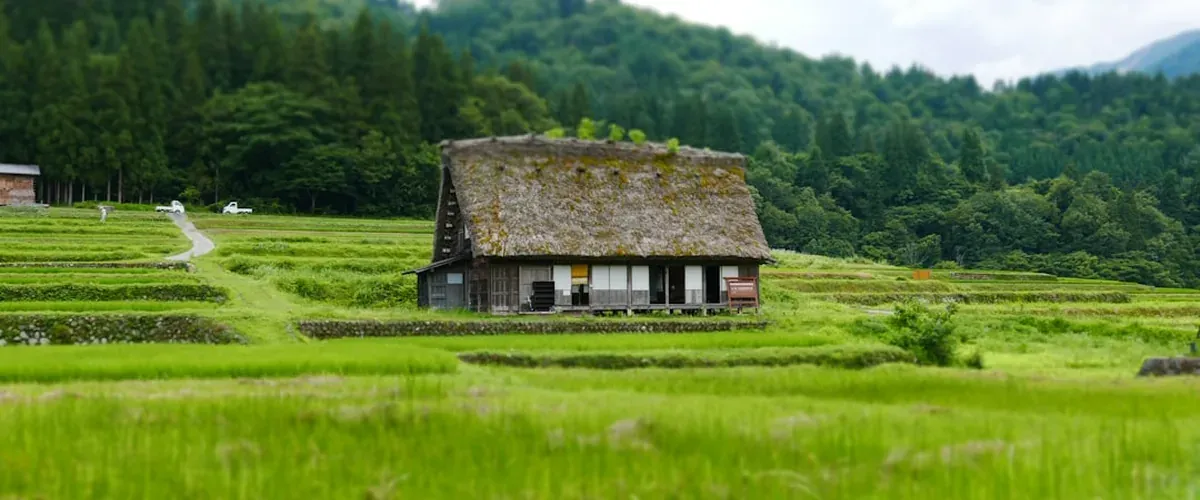
Shirakawa-go (白川郷) is a UNESCO World Heritage village 1h 30min from Kanazawa by bus. Famous for its gassho-zukuri (praying hands) farmhouses with steep thatched roofs designed to shed heavy snow. The village is small, photogenic, and one of Japan’s most-visited day trips from Kanazawa.
Getting there:
- Nohi Bus from Kanazawa Station: ¥2,500 one-way, ¥4,500 round-trip, 1h 15min each way
- Highway bus direct: ¥2,500 one-way, 1h 15min
- Rental car: 1h drive, parking ¥1,000
When to go:
- Winter (January–February): The famous illumination event on selected Sundays (¥1,000–2,000 extra for the bus). Most photogenic with snow, but cold (-5 to 0°C) and crowded.
- Spring (April–May): New green growth, fewer crowds, comfortable temperatures
- Summer (June–August): Hot (28–32°C) but very crowded, especially weekends
- Autumn (October–November): Best balance of weather, colors, and crowds. Most popular season.
What to do:
- Viewpoint (Shiroyama Tenshukaku Observatory): Free, the iconic aerial view of the village (15-minute walk uphill from the main area)
- Myozen-ji temple: ¥300, the only temple in the village
- Wada-ke house: ¥300, the largest preserved gassho-zukuri
- Kanda-ke house: ¥300, the smallest preserved gassho-zukuri
Where to eat:
- Gohei-mochi (rice on stick): ¥300–500 at any stall (the regional specialty)
- Hoba-miso (miso on magnolia leaf): ¥800–1,200 for a set
- Soba noodles: ¥800–1,200 for a bowl
- Soft serve ice cream: ¥300–500 (the local milk is famous)
What to budget for:
- Bus round-trip: ¥4,500
- Lunch: ¥800–1,500
- House entries (3 houses): ¥900
- Viewpoint: Free
- Total: ¥6,500–8,000 per person for the day trip
The honest downsides: The bus is 1h 15min each way — the day trip is 8+ hours including travel. The village is small (1.5km walk) and 1.5–2 hours is enough. The winter illumination is iconic but the crowds are extreme; book the bus weeks in advance.
Best for: Photographers (especially autumn and winter), architecture fans, anyone who wants a UNESCO experience. Skip if you have only 1 day in Kanazawa (Shirakawa-go eats too much of a short day).
For a deeper look at UNESCO day trips from Kanazawa, see the Hokuriku region guide and the Noto Peninsula drive guide.
The 1-Day / 2-Day / 3-Day Kanazawa Plans
| Day | 1-day itinerary | 2-day itinerary | 3-day itinerary |
|---|---|---|---|
| 1 | Arrive Kanazawa → Kenrokuen + Castle Park → Higashi Chaya → Omicho Market | Arrive Kanazawa → Kenrokuen + Castle Park → Nagamachi | Arrive Kanazawa → 21st Century Museum → Omicho Market |
| 2 | 21st Century Museum → Samurai District → Departure | Shirakawa-go day trip (full day) | Day trip: Shirakawa-go |
| 3 | — | Departure | Day trip: Noto Peninsula or Takayama |
The base strategy: Stay in Kanazawa Station area or Korinbo for the entire trip. The 2-day plan covers the city + Shirakawa-go; the 3-day plan adds the Noto Peninsula (a quieter, more rural coastal drive).
Kanazawa Cultural Experiences — What to Budget For
Kanazawa has more active traditional arts than almost any other city in Japan (along with Kyoto). Four experiences are worth the time:
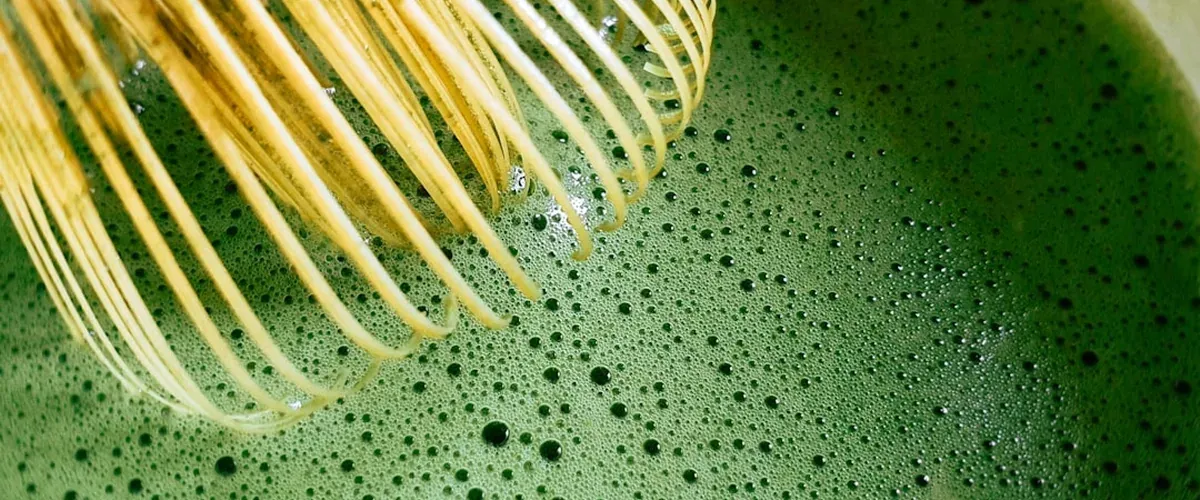
1. Tea Ceremony (¥800–1,500)
Kanazawa has the most active tea ceremony scene outside Kyoto. Several teahouses in Higashi Chaya offer visitor experiences:
- Shima teahouse (¥1,500 with wagashi) — the most authentic
- Kaikaro teahouse (¥1,200 with wagashi) — the most ornate
- D.T. Suzuki Museum tea room (¥500) — the most philosophical
2. Gold Leaf Craft (¥500–2,500)
Kanazawa produces 99% of Japan’s gold leaf. Try the gold leaf soft serve (¥500), the gold leaf sake (¥800), or visit a workshop to make your own gold leaf accessory (¥2,000–3,500).
3. Kutani Pottery (¥500–3,500)
Kutani-yaki is the regional pottery style — colorful, intricate, with gold and red overglaze. Several workshops in the Kutani Pottery Museum (¥800) and Tsubata area offer visitor experiences.
4. Kaga Yuzen Silk Dyeing (¥1,500–3,500)
Kaga yuzen is the regional silk dyeing style. Several workshops in the Katamachi area offer visitor experiences to dye a small item (handkerchief, scarf).
For broader cultural experience strategy, see the Kyoto neighborhoods guide and the free things to do in Kyoto guide — Kyoto has the densest concentration of cultural experiences in Japan.
Seasonal Breakdown — When to Visit
Spring (March–May)
- Cherry blossom: Early April (1 week later than Tokyo)
- Temperature: 12–22°C
- Pros: Cherry blossom in Kenrokuen (¥320), mild weather, fewer crowds
- Cons: Some rain, mid-range prices
- Best for: Garden enthusiasts, avoiding the peak summer crowds
Summer (June–August)
- Temperature: 28–34°C, humid
- Pros: Long days, festivals (Hyakumangoku Matsuri in June, lantern-floating in August)
- Cons: Hot and humid, peak summer prices, occasional typhoons
- Best for: Festival-focused travelers, anyone who doesn’t mind heat
Autumn (October–November)
- Temperature: 10–22°C
- Pros: Best autumn foliage in Kenrokuen (mid-November), comfortable weather
- Cons: Peak autumn prices, busy
- Best for: Garden enthusiasts, photographers, the best balance of weather and crowds
Winter (December–February)
- Temperature: 0–5°C, snowy
- Pros: Kenrokuen yukitsuri (snow-protected pines) is iconic, fewer crowds, cheaper hotels
- Cons: Cold, occasional heavy snow, some attractions close
- Best for: Budget travelers, photographers, winter sports
For a deeper seasonal breakdown, see the cheapest time to visit Japan guide and the autumn foliage guide.
Kanazawa on a Budget — Money-Saving Tips
Kanazawa is cheaper than Tokyo and Kyoto but more expensive than other regional cities (Fukuoka, Hiroshima). Seven strategies for keeping costs down:
- Use the Hokuriku Shinkansen only if coming from Tokyo. The Kagayaki is fast and reliable; book via SmartEX for ¥200 off.
- Stay near Kanazawa Station, not Korinbo. Saves 20–30% on accommodation and the transit access is better.
- Use a Kanazawa sightseeing bus pass. The “Kanazawa Loop Bus” is ¥210 per ride; the “1-day pass” is ¥700. Worth it after 4 rides.
- Eat at Omicho Market and the depachika. The Kanazawa Station depachika has bento from ¥600. Half the price of sit-down restaurants.
- Combine the Kenrokuen–Castle Park–Higashi Chaya walk. They’re all within 30 minutes of each other on foot. Skip the bus for this trio.
- Visit in shoulder season (April, November). Accommodation is 30–40% cheaper than peak cherry blossom or autumn foliage. Weather is still good.
- Take the morning bus to Shirakawa-go. The 7:30am or 8:00am buses are less crowded and the village is more photogenic in morning light.
For more budget strategy, see the Japan budget mistakes guide and the hotel booking guide.
Frequently Asked Questions
Is Kanazawa worth visiting on a budget?
Yes — Kanazawa has the most concentrated cultural experience in Japan outside Kyoto, with cheaper accommodation and a smaller, more walkable city. The Hokuriku Shinkansen makes it a natural add-on to the Tokyo–Kyoto route.
How much does a 2-day Kanazawa trip cost?
¥32,000–48,000 per person including the Shinkansen from Tokyo, accommodation, food, and entries. Cheaper than an extra day in Tokyo and a complete contrast to Kyoto.
How do I get from Tokyo to Kanazawa?
Hokuriku Shinkansen from Tokyo Station. 2h 30min on the Kagayaki, ¥14,000–14,500 one-way. Book via SmartEX for ¥200 off.
How do I get from Kyoto to Kanazawa?
Limited Express Thunderbird from Kyoto Station. 2h 15min, ¥3,710 with Kansai Area Pass, ¥7,200 standard.
Is 1 day enough in Kanazawa?
For the main sights (Kenrokuen + Castle Park + Higashi Chaya + Omicho + Nagamachi), yes — but it’s a full 12-hour day. 2 days is the sweet spot. 3 days adds the Shirakawa-go day trip.
Is Kanazawa better than Kyoto?
Different. Kyoto has more temples and more tourists. Kanazawa has more preserved samurai/geisha districts per square kilometer and is more walkable. Most travelers who have time for both visit both; Kanazawa as a 1–2 day add-on to Kyoto or Tokyo.
When is the best time to visit Kanazawa?
Depends on your goal. Early April for cherry blossom. Mid-November for autumn foliage. January–February for winter scenery and budget travel. May or October for shoulder season with good weather and fewer crowds.
Can I use my JR Pass in Kanazawa?
Yes — the Hokuriku Shinkansen is covered by the JR Pass (2023+ versions). The Limited Express Thunderbird from Kyoto is also covered. See the JR Pass guide for the math.
Is Shirakawa-go worth a day trip?
Yes — it’s the most famous gassho-zukuri village and a UNESCO World Heritage site. The bus from Kanazawa is 1h 15min, the village is small (1.5–2 hours), but the day is iconic.
Should I stay in Kanazawa or Shirakawa-go?
Stay in Kanazawa for 1 day trip to Shirakawa-go. Stay in Shirakawa-go for a single overnight if you want to see the winter illumination without a 1.5-hour bus each way. For most travelers: day trip from Kanazawa.
Is Kanazawa good for families?
Yes — Kenrokuen is stroller-friendly, the 21st Century Museum is the most kid-friendly museum in Japan, and Omicho Market has hands-on food. See the family budget guide for more.
Is Kanazawa good for solo travelers?
Yes — the city is small, walkable, and safe. The hostels are good, the public transit is simple, and the cultural experiences are easy to book solo. See the solo travel guide for more.
Is Kanazawa good in winter?
Yes — the Kenrokuen yukitsuri (snow-protected pine trees) is one of the most photogenic winter scenes in Japan. Shirakawa-go is most beautiful in snow. Accommodation is 30–40% cheaper than peak season. See the budget packing list for what to bring.
Is the Kanazawa food worth trying?
Yes — Kanazawa has one of the highest concentrations of fresh seafood in Japan (Omicho Market) plus regional specialties (Kaga cuisine, Kaga yuzen, Kutani pottery). The kaiseki (multi-course) tradition is also strong. See the convenience store food guide for broader food strategy.
Is the Kanazawa food tour worth it?
The Omicho Market food walk is the most cost-effective “tour” — self-guided for ¥1,500–2,500. For guided options:
- GetYourGuide Kanazawa Food Tour: ¥5,500–7,500 for 3 hours
👉 Browse Kanazawa food tours on GetYourGuide
How do I get from Kanazawa to Takayama?
Highway bus from Kanazawa Station. ¥4,000 one-way, 2h 30min. Faster than trains. Reservation recommended.
Can I see the northern lights in Kanazawa?
No — Kanazawa is in central Honshu. The aurora is never visible. For a chance at aurora, see the Hokkaido guide.
What’s the best neighborhood for a first visit to Kanazawa?
Korinbo for the central walk-everywhere experience. Kanazawa Station for the cheapest accommodation with the best transit access (best for day trips).
Is Kanazawa accessible?
Yes — Kanazawa Station is fully accessible, the Kenrokuen outer path is accessible (some garden sections have steps), and most museums have accessibility. Less accessible than Tokyo but more accessible than Kyoto’s hillside districts.
Is Kanazawa safe?
Yes — Kanazawa is one of the safest cities in Japan. Crime rates are well below Tokyo or Osaka. See the travel insurance guide for additional peace of mind.
Plan Your Kanazawa Trip — The 2-Day Loop
Kanazawa rewards travelers who pick a season and commit to the city. The 2-day plan above covers the must-see spots for ¥32,000–48,000 per person including the Shinkansen from Tokyo.
The 5-step recap:
- Take the Hokuriku Shinkansen from Tokyo — 2h 30min, ¥14,000, the standard route
- Stay near Kanazawa Station or in Korinbo — ¥3,200–4,800 hostels, both central
- Visit Kenrokuen in autumn or winter — peak seasons for the most photogenic experience
- Day-trip to Shirakawa-go — UNESCO gassho-zukuri village, 1h 15min bus
- Eat at Omicho Market and Higashi Chaya — half the price of restaurants, the best regional food
For the rest of the trip — how to plan Tokyo before Kanazawa, what to pack for each season, and the broader Japan itinerary — see the Japan trip cost 2026 guide, the Tokyo neighborhoods guide, the Kyoto neighborhoods guide, the Osaka neighborhoods guide, the Sapporo & Hokkaido guide, the Okinawa budget guide, the budget packing list, the travel apps guide, the best eSIM Japan guide, the JR Pass 2026 worth it guide, the hotel booking guide, the money in Japan 2026 guide, the convenience store food guide, the cherry blossom guide, the autumn foliage guide, the hiking budget guide, the travel insurance guide, the solo travel guide, the family budget guide, the vegan budget guide, the budget mistakes guide, and the cheapest time to visit Japan guide.
Prices correct as of August 2026. Exchange rate approximately ¥150 = $1 USD.