Free Things to Do in Kyoto in 2026 (+ What Actually Costs Money)
The honest budget guide to Kyoto — 15+ free temples, shrines, and neighborhoods most tourists miss, plus the paid experiences genuinely worth your yen.
This post contains affiliate links. If you book through my links I earn a small commission at no extra cost to you — it helps keep BudgetYen running.
Most Japan travel guides tell you Kyoto is expensive. They’re half right. The popular version of Kyoto — peak season, famous temples, touristy restaurants — is expensive. The real Kyoto, the one locals actually live in, is surprisingly free.
If you just arrived on the overnight bus from Tokyo (the cheapest way to get here — full guide here), you’re probably pulling into Kyoto Station around 6–7am with a full day ahead and a tight budget. This guide is written exactly for that situation.
Here’s everything worth doing in Kyoto that costs nothing — and the handful of paid experiences that genuinely earn their price.
The Golden Rule of Free Kyoto
Kyoto’s overtourism is concentrated in roughly 10 to 12 specific spots, mostly in the eastern and southern hills. Arrive before 8am at major sites and the experience changes completely. Northern neighborhoods and lesser-known temple complexes remain uncrowded even during peak sakura and autumn foliage seasons.
That’s the entire strategy in two sentences. Go early, go north, avoid the famous spots at peak hours. You’ll see more and spend less.
Completely Free Things to Do in Kyoto
1. Fushimi Inari Shrine — Go at Sunrise
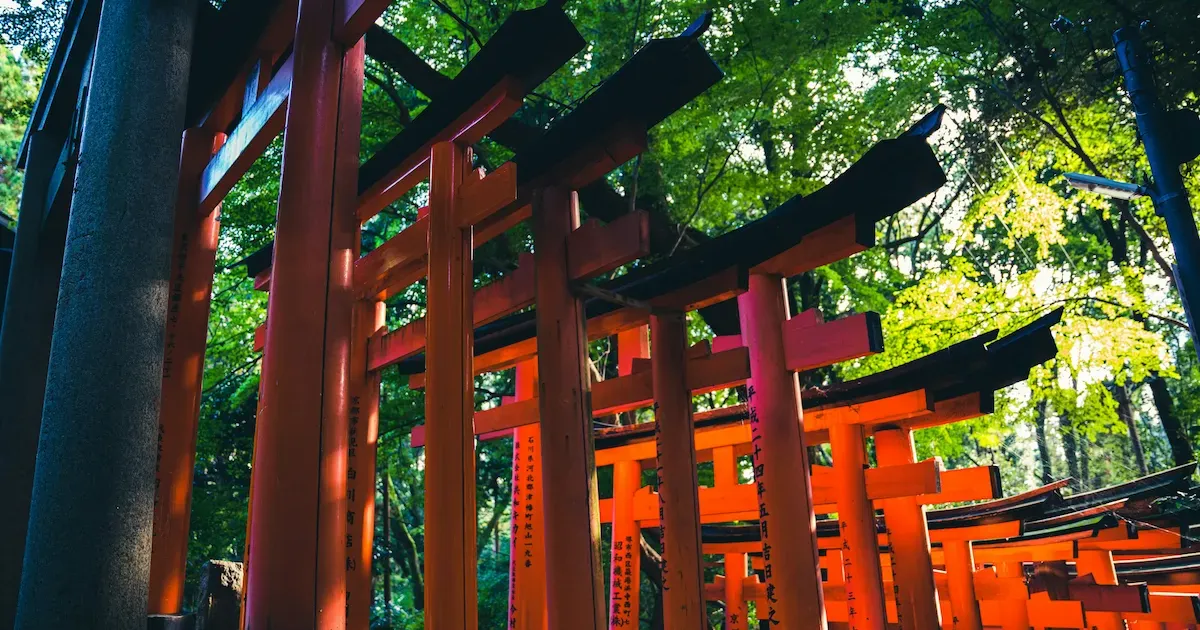
Fushimi Inari is free, open 24 hours, and one of the most photographed places in Japan. The problem is that between 10am and 4pm, it’s shoulder-to-shoulder tourists. The solution is simple: arrive at dawn.
If you came in on the overnight bus, you’re already awake at 6am. Jump on the JR Nara Line from Kyoto Station (two stops, ¥150) and you’ll reach Fushimi Inari as the light filters orange through the torii gates with almost nobody around. This is one of those travel moments people spend thousands chasing. You got it for ¥150.
The full trail to the summit and back takes about 2–3 hours. The lower gates are the famous ones — but walk past the tourist crowds and the upper mountain trail is genuinely peaceful and forested.
Cost: Free (¥150 train from Kyoto Station) Best time: 5:30–8am
2. Philosopher’s Path (Tetsugaku-no-michi)
A 2km stone path running alongside a canal, lined with cherry trees and connecting several small temples. Named after philosopher Nishida Kitaro who walked it daily.
The path itself is completely free and takes about 45 minutes to walk slowly. Small cafes, pottery shops, and independent bookstores line the route. You don’t need to enter a single temple to have a great morning here.
Cost: Free Best time: Early morning or late afternoon
3. Gion District — Evening Walk
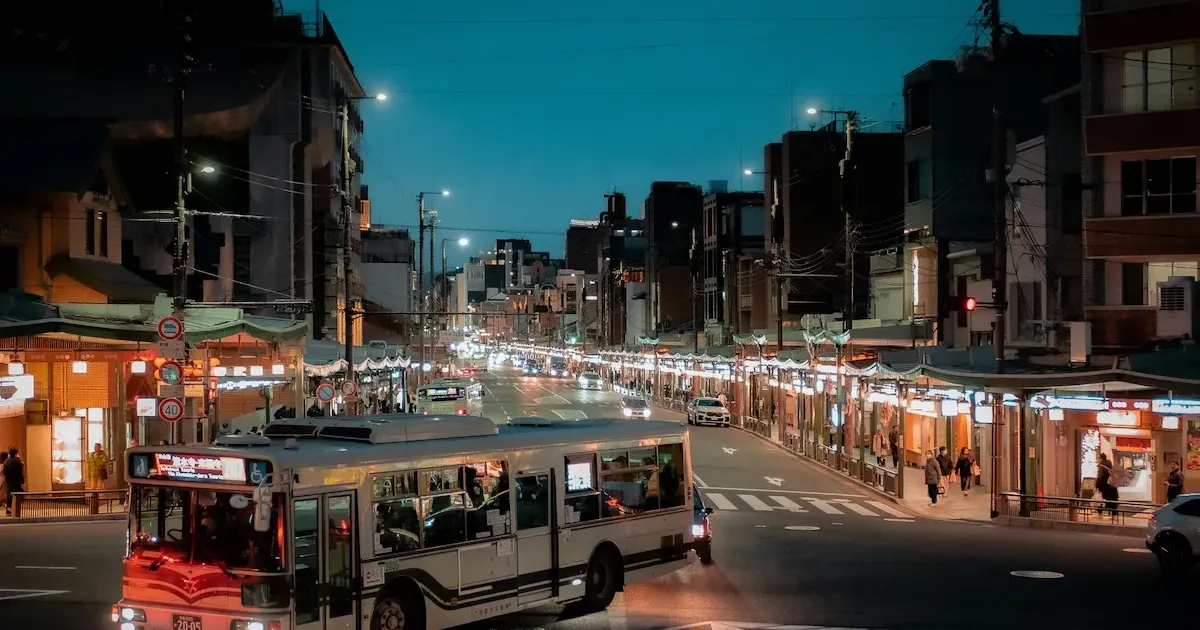
Gion is Kyoto’s famous geisha district and it costs nothing to walk through. The narrow streets of Hanamikoji and Shinbashi are exactly what you picture when you imagine traditional Japan — wooden machiya townhouses, stone lanterns, the occasional geiko or maiko in full kimono heading to an appointment.
Don’t follow tour groups. Walk one block off the main street and you’ll find yourself alone in alleyways that look unchanged from 100 years ago.
Cost: Free Best time: Dusk to 9pm (when geiko are traveling between engagements)
4. Nishiki Market (走り歩き)
Called “Kyoto’s Kitchen,” Nishiki is a 400-year-old covered market running five blocks through central Kyoto. Most stalls open around 9am and close by 6pm.
The market itself is free to walk through. Budget for small food purchases — pickled vegetables, grilled skewers, fresh tofu — which run ¥100–400 each. A walk through Nishiki is also a budget breakfast if you graze as you go.
Cost: Free to enter (food stalls ¥100–400 each) Best time: 9–11am before tour groups arrive
5. Arashiyama Bamboo Grove — Before 8am
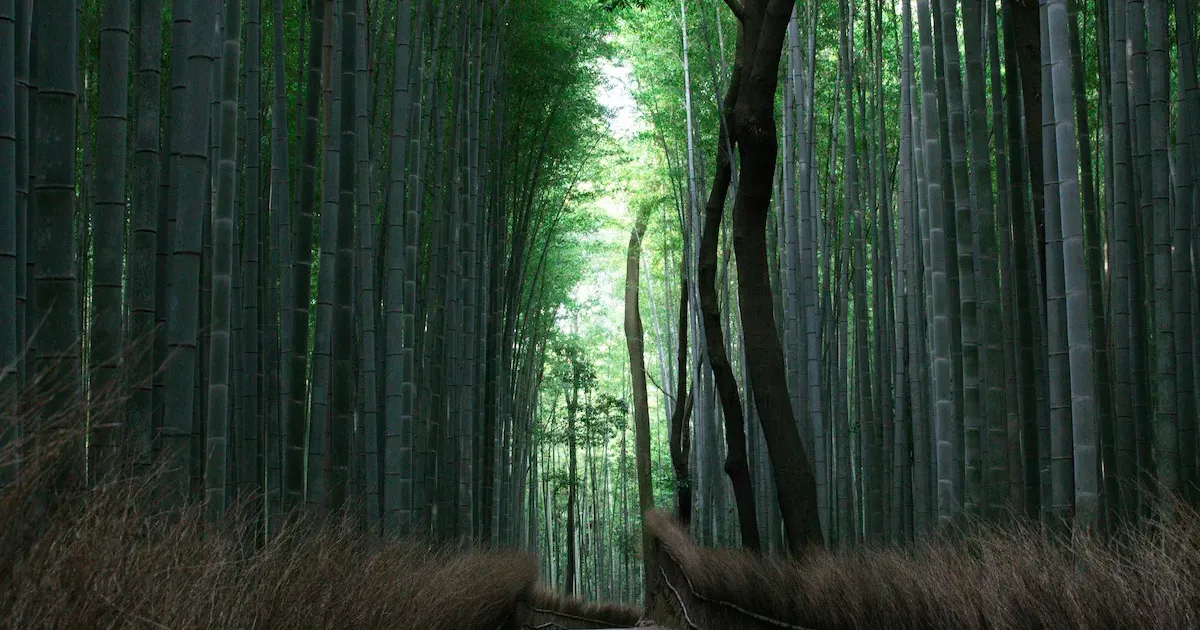
The bamboo grove is technically always crowded — except before 8am. The grove takes about 15 minutes to walk through, it’s free, and the early morning light through bamboo is actually better for photos than midday anyway.
After the bamboo, walk to Tenryu-ji’s free outer garden (the paid inner garden is worth it on a splurge day, but the free section gives you the main pond view) and along the Oi River bank — completely free and genuinely beautiful.
Cost: Free (outer garden) Best time: 6:30–8am
6. Pontocho Alley
A narrow alley running parallel to the Kamo River, lined with restaurants, bars, and izakaya. Walking through Pontocho costs nothing. Even if you don’t eat here, strolling Pontocho at dusk is free and very photogenic; nearby Kiyamachi Street offers more affordable bars and eateries.
In summer, restaurants extend wooden platforms over the river (kawayuka) — you can watch the dining from the riverside path for free.
Cost: Free to walk Best time: Sunset onwards
7. Kamo River Riverbank
Locals come here to eat lunch, do yoga, practice instruments, and watch the sunset. Sitting on the riverbank steps between Sanjo and Shijo bridges is free, peaceful, and one of the most genuinely local experiences in Kyoto. Grab something from a convenience store and eat here — this is what Kyoto residents actually do.
Cost: Free Best time: Late afternoon
8. Fushimi Sake District (Fushimi-Momoyama)
A 20-minute train from Kyoto Station, Fushimi is one of Japan’s most famous sake-brewing regions with white-walled breweries lining canals. Walking the sake district streets is free — the architecture and atmosphere are stunning without spending anything.
If you want to taste sake, several breweries offer samples for ¥200–500. The Gekkeikan Okura Sake Museum has a small entry fee (¥600) but comes with a sake tasting.
Cost: Free to walk (optional tastings ¥200–600)
9. Daitoku-ji Temple Complex
This is the most undervisited great temple in Kyoto and most of the complex grounds are free to wander. Daitoku-ji is a functioning Zen temple city — 22 sub-temples spread across mossy gardens and stone paths. The outer grounds cost nothing. Several sub-temples charge ¥400–500 if you want to enter, but walking the outer complex alone is a genuinely peaceful hour.
Cost: Free (outer grounds) / ¥400–500 per sub-temple Best time: Weekday morning
10. Fushimi Castle Town (Momoyama)
Almost no tourists come here. The area around Fushimi-Momoyama Station is a quiet merchant town with sake breweries, traditional shops, and canals — all free to walk. You can easily combine this with the sake district above into a half-day free itinerary.
Cost: Free
Getting Around Kyoto on a Budget
For 2026 planning, the combination subway-plus-bus day pass at ¥1,100 is often smarter than relying entirely on buses. The key practical change: the universal flat-fare bus day pass that made every bus ride equally cheap is no longer available. Zone-based fares now apply to some routes.
The best approach for budget travelers:
- IC card (ICOCA or Suica): Load ¥3,000–5,000 and tap in/out of buses and the subway. Pay per journey, no wasted pass money.
- Walking: Central Kyoto is very walkable. Gion, Nishiki, Pontocho, and the Kamo River are all within 20 minutes of each other on foot.
- Bicycle rental: ¥800–1,200/day from shops near Kyoto Station. Faster than buses for most temple routes, no schedule to worry about.
Paid Experiences Actually Worth It in Kyoto
Not everything should be skipped. A few paid experiences in Kyoto are genuinely exceptional value:
Kinkaku-ji (Golden Pavilion) — ¥500: The most famous temple in Japan. The entrance includes the garden. Worth paying once. Go first thing when it opens at 9am.
Ryoan-ji Rock Garden — ¥600: The most famous Zen rock garden in the world. 15 rocks, white gravel, a wall. Either you get it or you don’t — but it’s genuinely powerful in person.
Tea ceremony — ¥2,000–3,500: Group sessions at places like Camellia or similar salons typically cost around ¥2,935–¥3,486 per person for 45–60 minutes. You’ll learn basic etiquette, watch matcha being prepared, and enjoy seasonal wagashi sweets. Worth doing once for the cultural experience.
Kyoto Private Day Tour: If it’s your first time in Kyoto and you want to understand what you’re actually looking at — the history, the cultural context, the hidden spots a solo traveler would miss — a private guided tour with a local English-speaking guide is one of the most efficient ways to spend one of your Kyoto days. You cover more ground, skip the mistakes, and leave with context that makes the rest of your trip richer.
👉 Kyoto Private Customizable Day Tour with Guide & Vehicle — fully customizable itinerary, private vehicle, local guide. Particularly good for first-timers who want to maximize limited time.
The Honest Kyoto Budget Breakdown
Budget travel in Kyoto costs around $102/day, while mid-range trips average $273/day. But that $102/day figure assumes a hostel bed — with smart planning around free attractions, you can get activities down to near zero and put your budget toward accommodation and food.
A realistic single-day budget using this guide:
| Item | Cost |
|---|---|
| Hostel dorm bed | ¥3,500–4,500 |
| Transport (IC card) | ¥600–1,000 |
| Breakfast (konbini) | ¥400–600 |
| Nishiki Market grazing | ¥500–800 |
| Dinner (ramen or gyudon) | ¥700–1,000 |
| One paid temple entry | ¥500–600 |
| Total | ¥6,200–8,500 (~$42–57) |
That’s a full, rich day in Kyoto for under $60. The free temple and neighborhood itinerary above means your activities cost almost nothing — your money goes on the things that actually need it.
Recommended 1-Day Free Kyoto Itinerary
5:45am  Depart Kyoto Station → Fushimi Inari (JR Nara Line, ¥150)
6:00am  Fushimi Inari sunrise walk — summit and back
8:30am  Convenience store breakfast near station
9:15am  Nishiki Market walk + street food grazing
10:30am Gion district walk — Hanamikoji and Shinbashi alleys
12:00pm Philosopher's Path walk, lunch from konbini on the canal
2:00pm  Arashiyama bamboo grove + Tenryu-ji outer garden
4:30pm  Return to central Kyoto, rest at hostel
6:30pm  Pontocho evening walk + Kamo River sunset
8:00pm  Dinner — ramen or gyudon chain (¥700–900)
Total transport for the day: ~¥800 Total activities: ¥0 Total food: ~¥2,000
Getting to Kyoto from Tokyo Without Breaking the Bank
Before all of this, you need to actually get to Kyoto. The overnight highway bus starts at ¥3,500 and saves you a night’s accommodation on top of the ticket savings. The Platt Kodama Shinkansen deal at ¥11,100 is the budget option if you prefer rail.
Full breakdown of every option, with honest prices and when each makes sense: 👉 Cheapest Ways to Travel from Tokyo to Kyoto in 2026
Frequently Asked Questions
Are there really free temples in Kyoto?
Yes. Many of Kyoto’s most famous shrines — including Fushimi Inari, the entire Gion district, and most of the Philosopher’s Path — are free to visit. Major paid temples like Kinkaku-ji and Kiyomizu-dera charge ¥500–600.
What is the cheapest time to visit Kyoto?
The cheapest periods to visit Japan in 2026 are January–February (winter low season), June–early July (rainy season), and mid-July–August (hot summer), when accommodation costs drop 20–40% and attractions see fewer crowds. For Kyoto specifically, January and February offer the lowest prices and very manageable crowds.
How much does a day in Kyoto cost on a budget?
A full day including hostel accommodation, food, transport, and one or two paid temple entries typically costs ¥6,000–9,000 ($40–60) if you follow the free itinerary above.
Is Kyoto or Osaka cheaper?
Osaka is generally 10–20% cheaper than Kyoto for accommodation and food. However, Kyoto’s free temple and shrine network means your activities budget can be essentially zero — making the actual day-to-day cost comparable if you plan carefully.
Is Kyoto walkable?
Yes. Central Kyoto — covering Gion, Nishiki Market, Pontocho, and the Kamo River — is very walkable. Outer areas like Fushimi Inari and Arashiyama require a short train or bus ride (¥150–230).
Prices correct as of May 2026. Exchange rate approximately ¥150 = $1 USD.